At some hotels, goes far beyond room service; it is one of the very reasons the property exists. Architecture, sourcing, service rhythm and even the decision to stay overnight are designed around the table.
This curated selection brings together ten properties where gastronomy determines identity. Some hold three Michelin stars. Others operate outside the star system. Yet, all are home to equally rigorous culinary narratives. What connects them is a balance between landscape and plate, philosophy and mastery.
Here is Luxeat’s list of places where cuisine defines the stay.
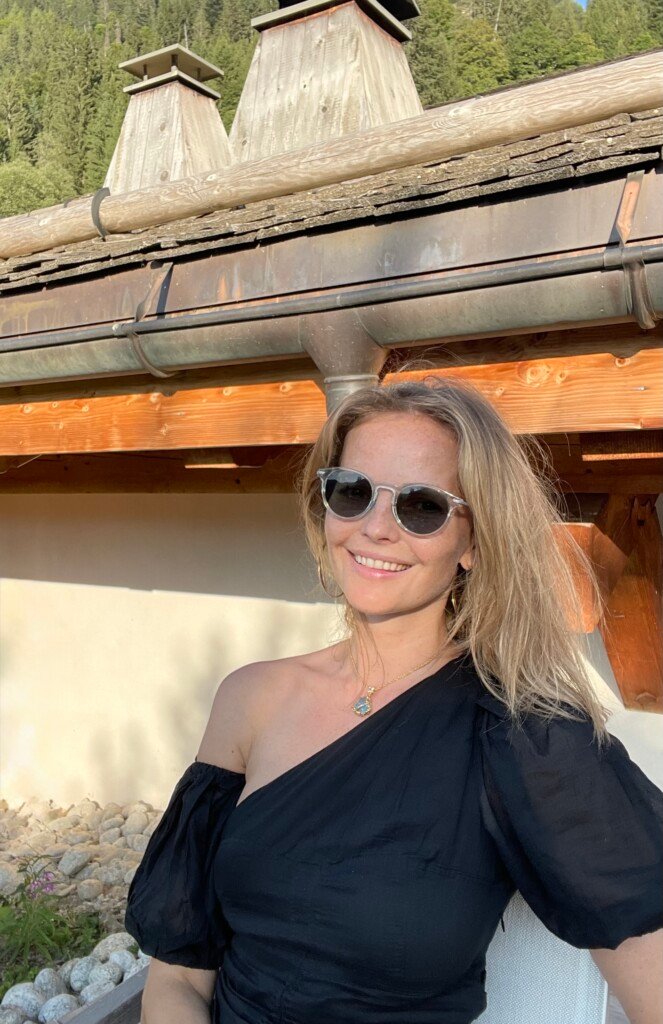
Auberge Tokito – Tachikawa, Japan
One Michelin Key · Four-suite contemporary ryokan
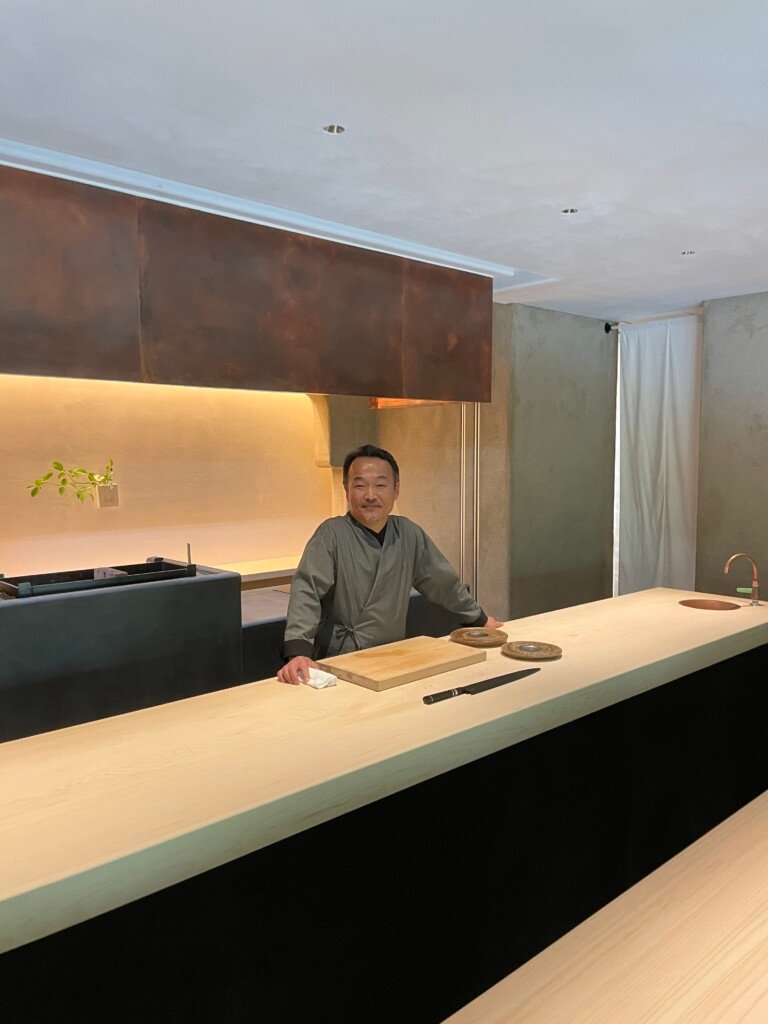
Chef Yoshinori Ishii returned to Japan after decades abroad, including leading a Michelin-starred kaiseki restaurant in London, to open Auberge Tokito in Tachikawa, about an hour from central Tokyo.
At the ten-seat counter, Ishii revisits kaiseki through techniques shaped by long study of ikejime (a method of killing fish that maintains the quality of its meat), allowing precise control of texture and ageing in fish. Sea bream sashimi may be paired with both fresh and frozen hassaku citrus, creating temperature shifts in the unfolding of flavour. Tuna can be Straw-flamed; baked “Gekkou” lily bulbs explore sweetness and earth through layered preparation.
The progression of the meal follows the grammar of traditional kaiseki, with clarity deepening gradually. Vegetables are often examined through multiple preparations within a single course. All contained in ceramic tableware Ishii produces himself.
Designed by Shinichiro Ogata, the four-suite property mirrors this quiet precision: floor-to-ceiling glass, private open-air onsen baths, minimal interiors. The experience moves seamlessly from bath to counter and on to bed.
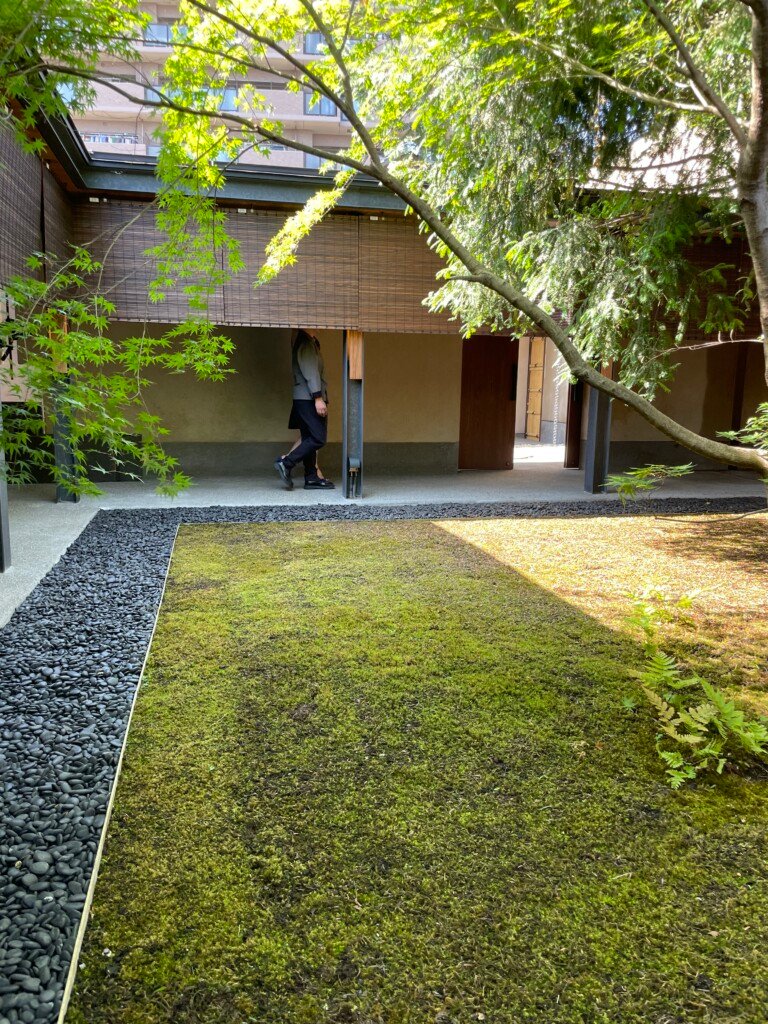
Flocons de Sel – Megève, France
Three Michelin stars · Alpine retreat shaped by terroir
Above Megève on the Leutaz road is Chef Emmanuel Renaut’s three-Michelin-starred restaurant Flocons de Sel.
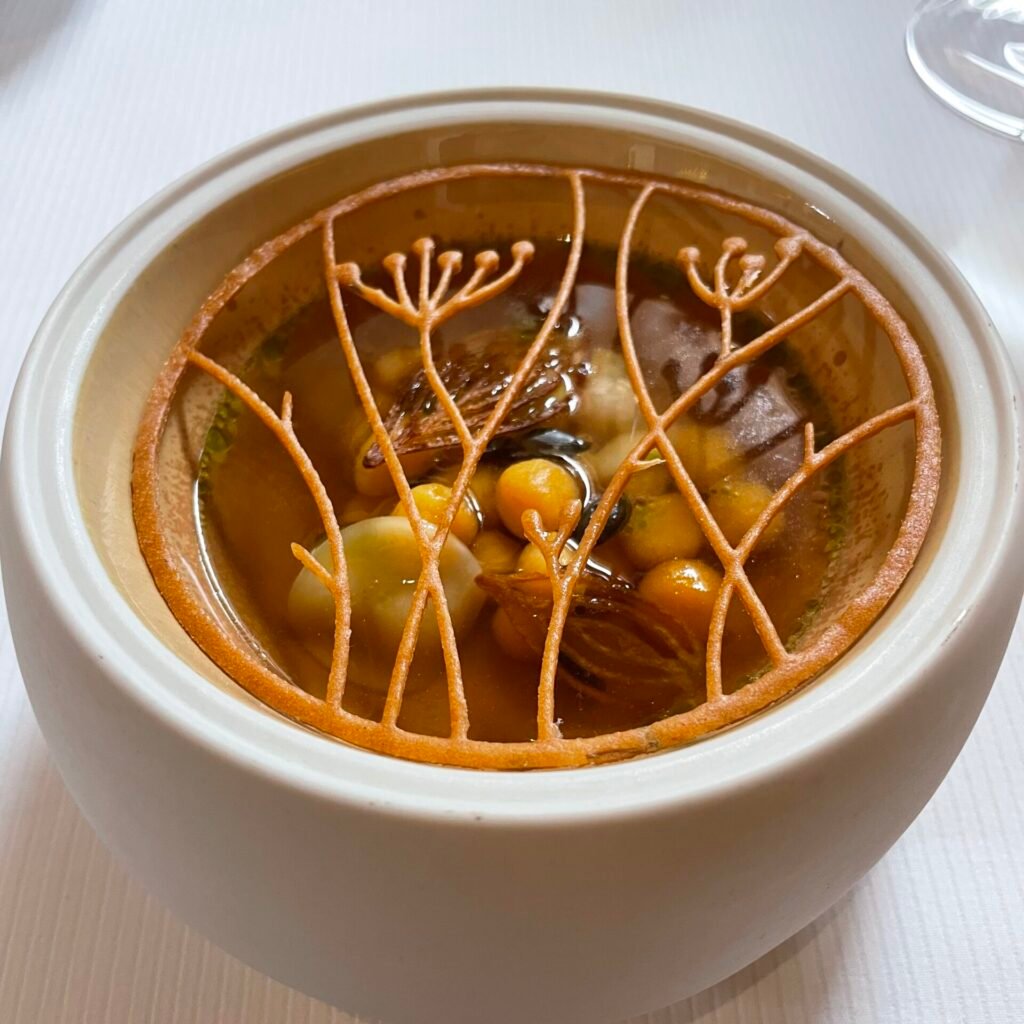
Renaut, Meilleur Ouvrier de France and former sous-chef to Marc Veyrat, builds menus directly from the Haute-Savoie landscape. Lake fish, mountain herbs, forest plants and high-altitude produce are brought together in harmonious fusion. His cooking relies on extraction of all that surrounds this crisp mountain location: alpine botanicals function as aromatic architecture. Texture contrasts are carefully controlled, crispy skin against delicate flesh, concentrated jus against vegetal freshness.
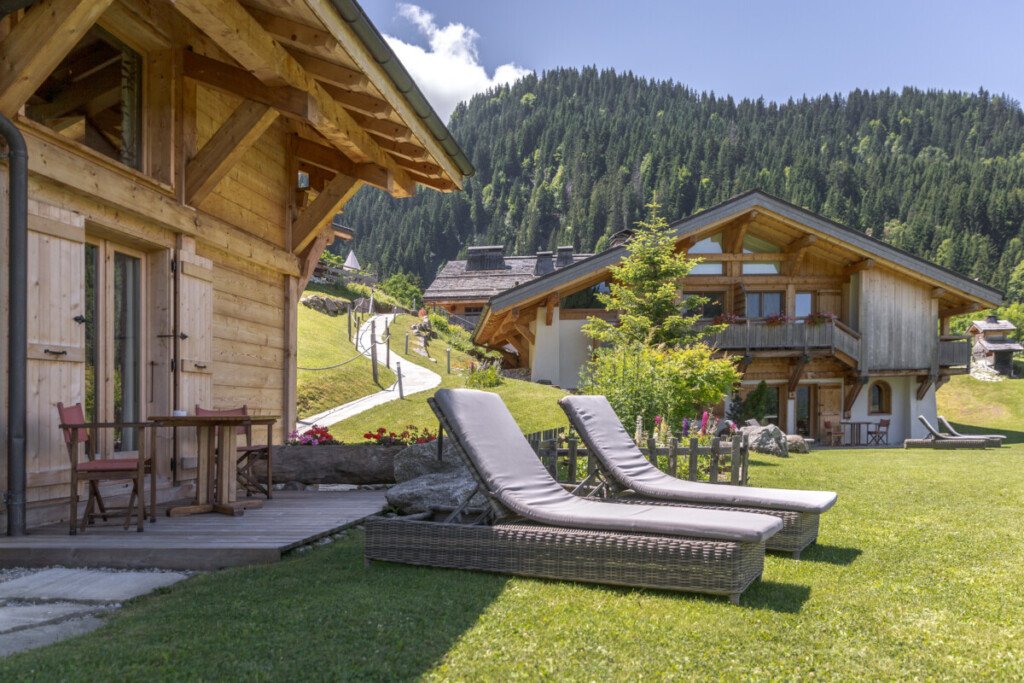
The hotel, composed of rooms, suites and detached mazots in wood and stone, frames the surrounding peaks. A compact spa with indoor pool and outdoor hot baths augments the intense connection to nature. At Flocons de Sel, the Alps are not a backdrop here; they are the ingredient list.
La Table des Amis – Bonnieux, France
Two Michelin stars · Provençal maison d’hôtes
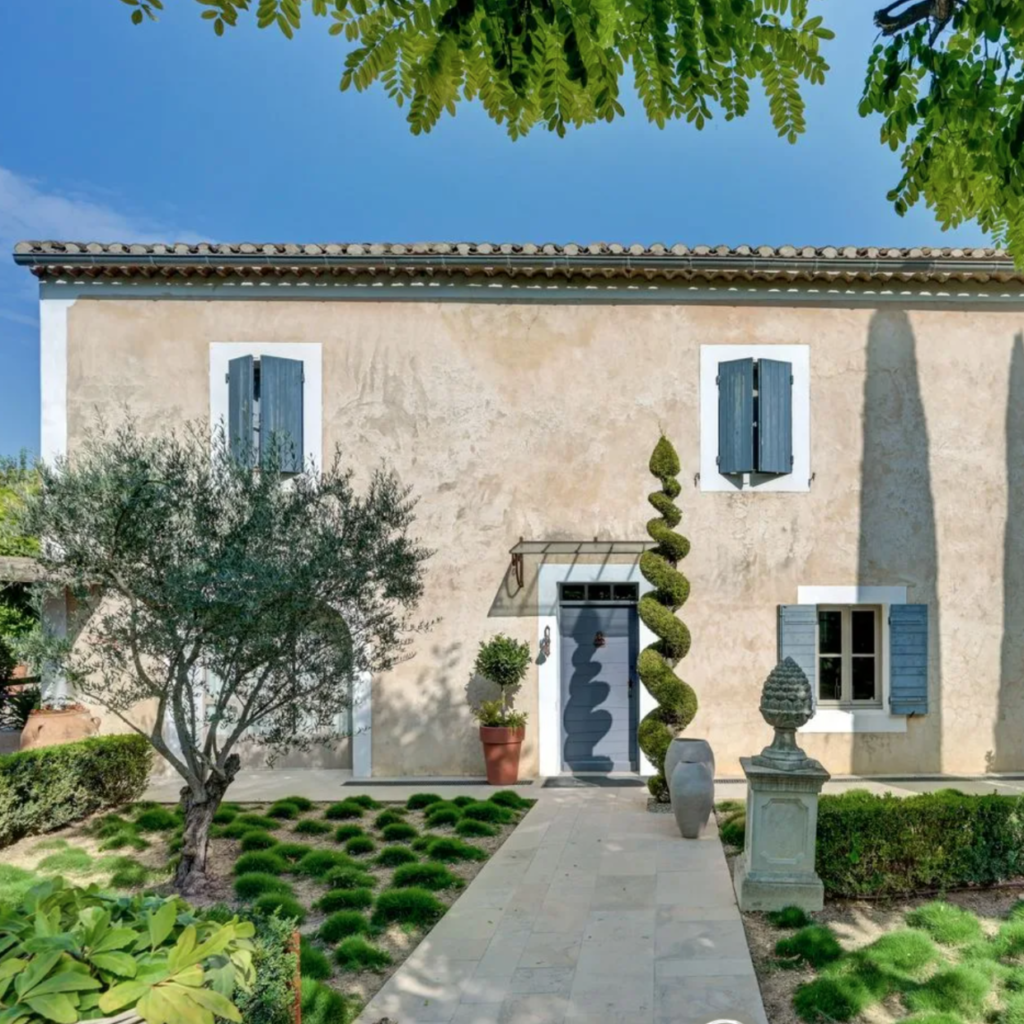
At Mas Les Eydins in Bonnieux, Christophe Bacquié’s La Table des Amis operates within a discreet Provençal guesthouse surrounded by vines, olive groves and lavender fields.
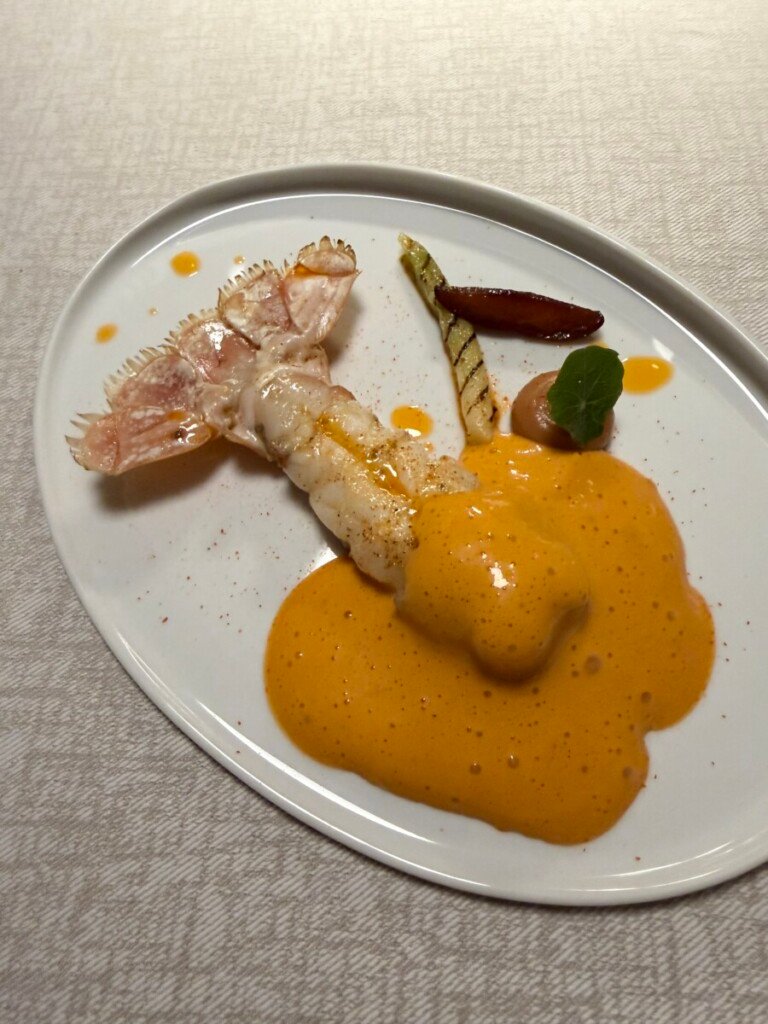
After holding three stars in Le Castellet, Bacquié opened this new spot and rapidly earned two Michelin stars. The experience centres on a single Mediterranean-identity tasting menu. Marine and terrestrial influences alternate: seafood reductions built from shellfish bases are balanced by vegetable extractions drawn from local producers. While olive oil and regional wines integrate seamlessly. Signature references such as his modern aïoli or revisited calisson glacé appear as stables.
Limited covers, close proximity to the kitchen, and hospitality guided by the idea of receiving guests as friends, reinforce the complete experience.
Kalesma Mykonos – Mykonos, Greece
Cycladic sanctuary · Pere Ubu restaurant
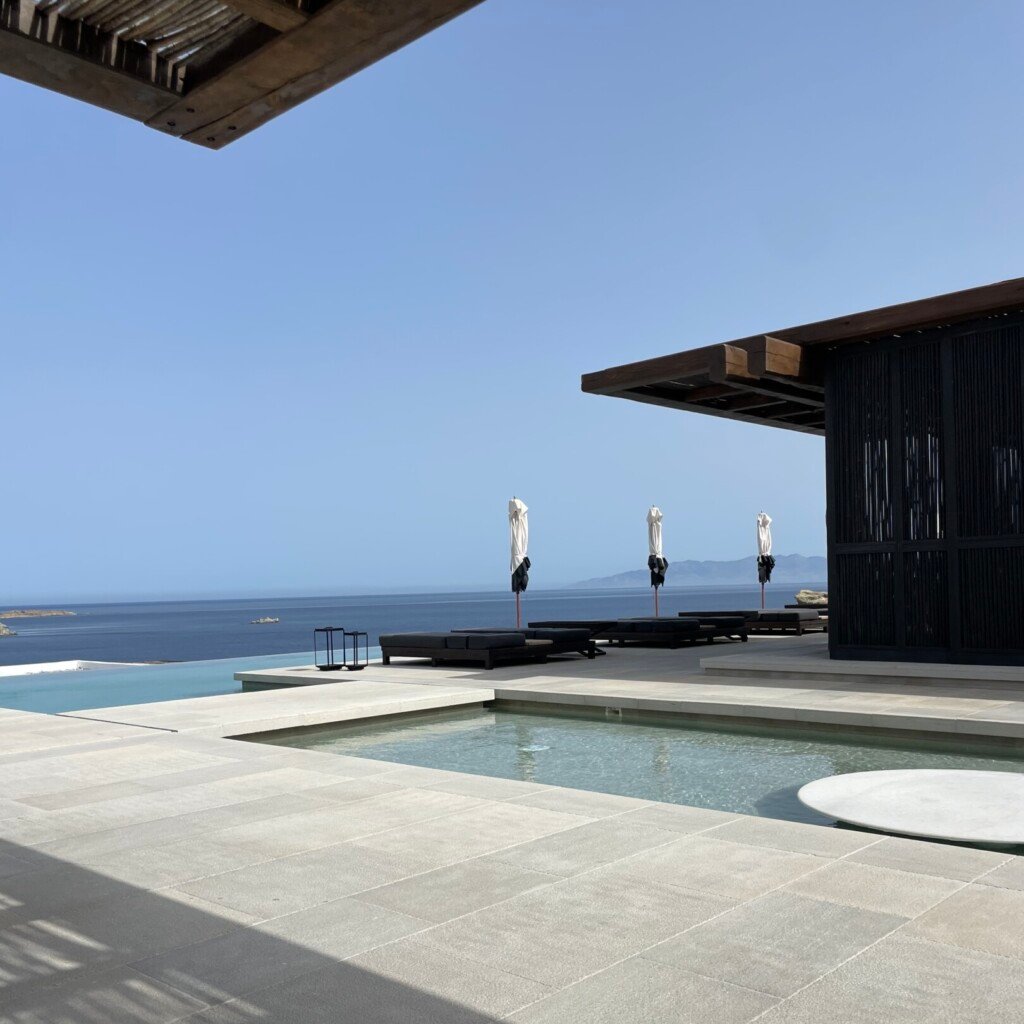
On a hillside above Ornos Bay, Cycladic, cuisine is interpreted by Executive Chef Costas Tsingas.
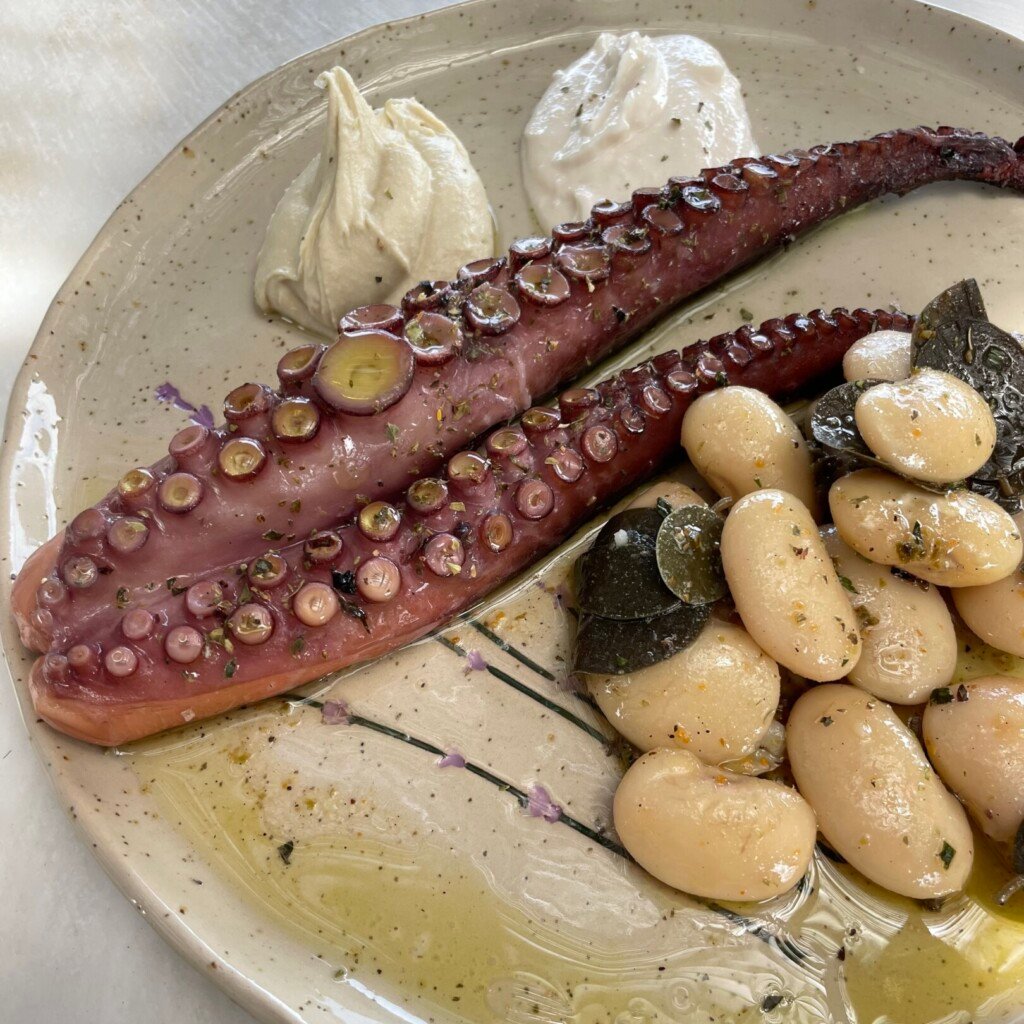
At Kalesma Mykonos Tsingas approaches Greek gastronomy structurally. Produce frequently comes from his seaside garden. Traditional preparations are lightened and rebuilt. Seafood is handled precisely to preserve salinity and sweetness. The all-day Kuveda space and sunset-focused Aloni Lounge extend the culinary experience into ritualised moments.
The architecture: white volumes and open terraces designed with K-Studio, supports this fluidity. At Kalesma, cuisine mediates between island tradition and contemporary conviviality.
La Chèvre d’Or – Èze, France
Two Michelin stars · French Riviera Panorama
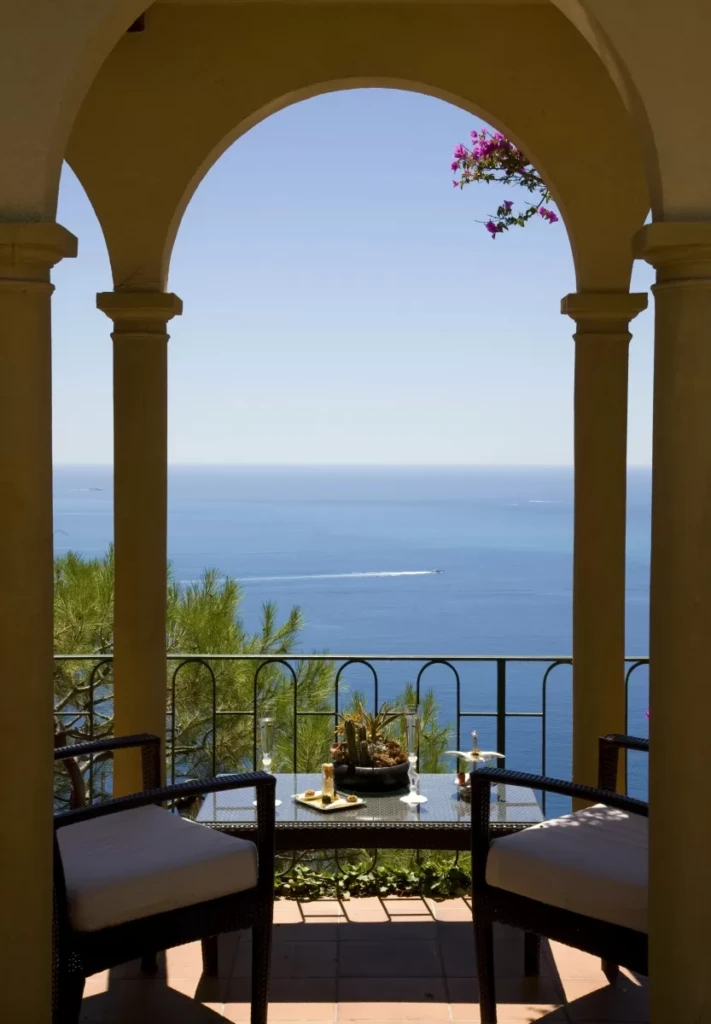
Perched high above the medieval village of Èze, La Chèvre d’Or occupies a dramatic position overlooking the Mediterranean. The property traces its origins to 1953, when hotelier Robert Wolf purchased a château dominating the village and transformed it into a restaurant.
The kitchen is led by chef Tom Meyer, whose tasting menus typically progress through five to eight courses. His cuisine combines technical precision with Mediterranean expansiveness, drawing on regional produce while structuring dishes through pronounced aromatic contrasts and carefully composed presentations.
The restaurant is embedded within the wider hotel complex dispersed through the village and comprises 45 rooms and suites, allowing guests to remain on site while extending the evening into a full Riviera experience. Dining at La Chèvre d’Or is inseparable from its setting: cuisine framed by the landscape of the Côte d’Azur, where sea, stone and light form the constant backdrop to the table.
Maison Troisgros – Ouches, France
Three Michelin stars · Four generations of evolution
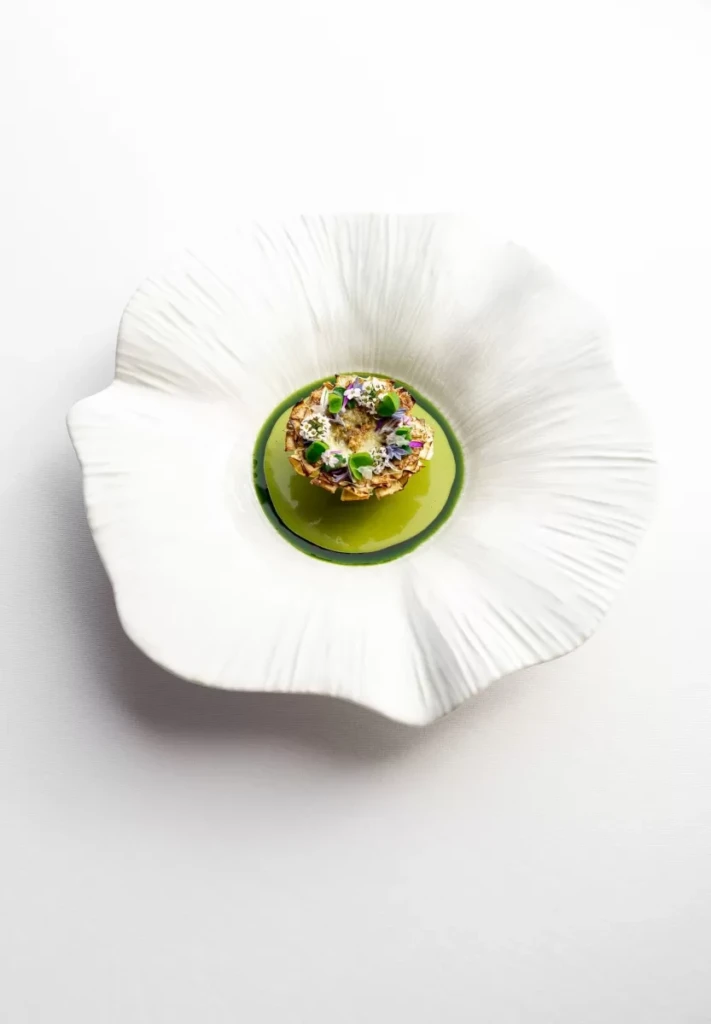
At Le Bois sans Feuilles in Ouches, César Troisgros leads one of the defining houses of modern French gastronomy.
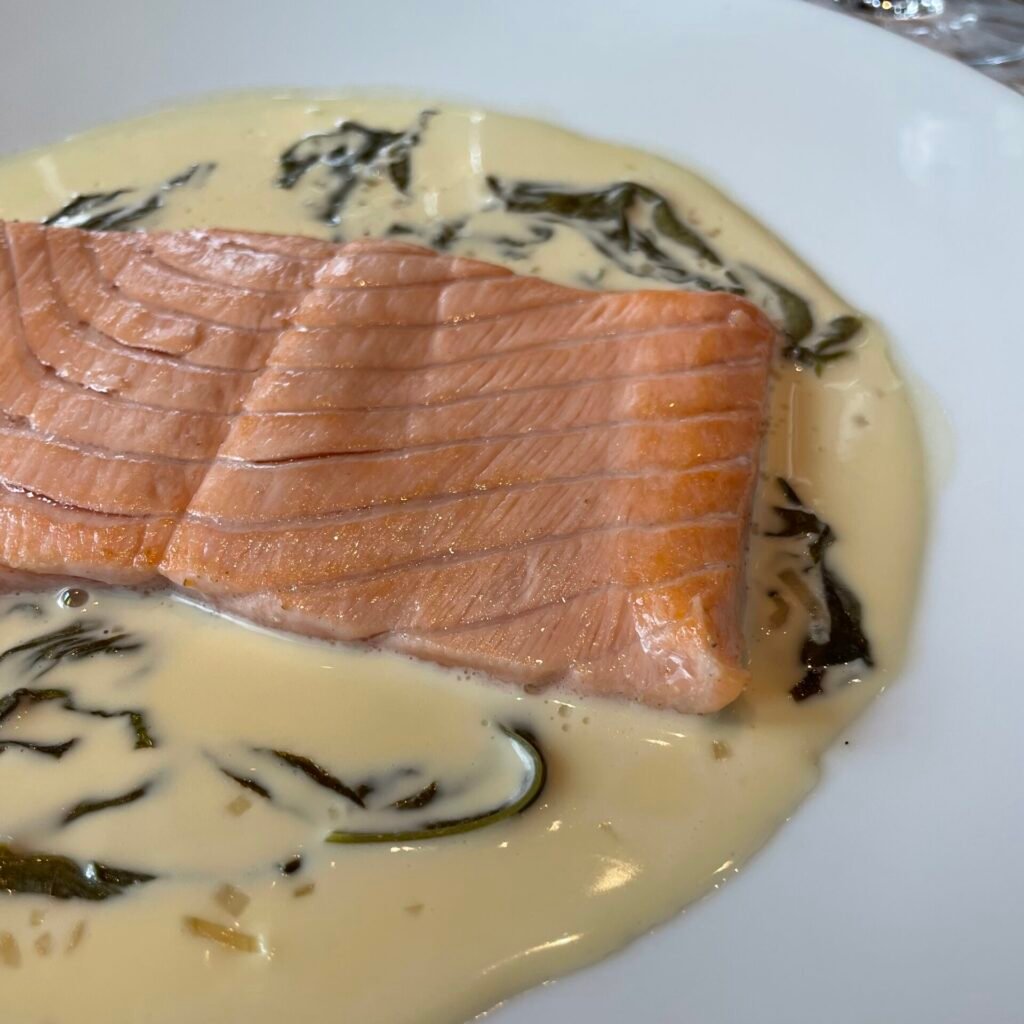
Saumon à l’oseille, a dish created in 1962, still embodies the Troisgros method: precise timing and minimal masking. César’s current menus expand with a vegetal focus, isolating flavour components before recombining them through textural contrast: raw, lightly poached, gently roasted within the same plate.
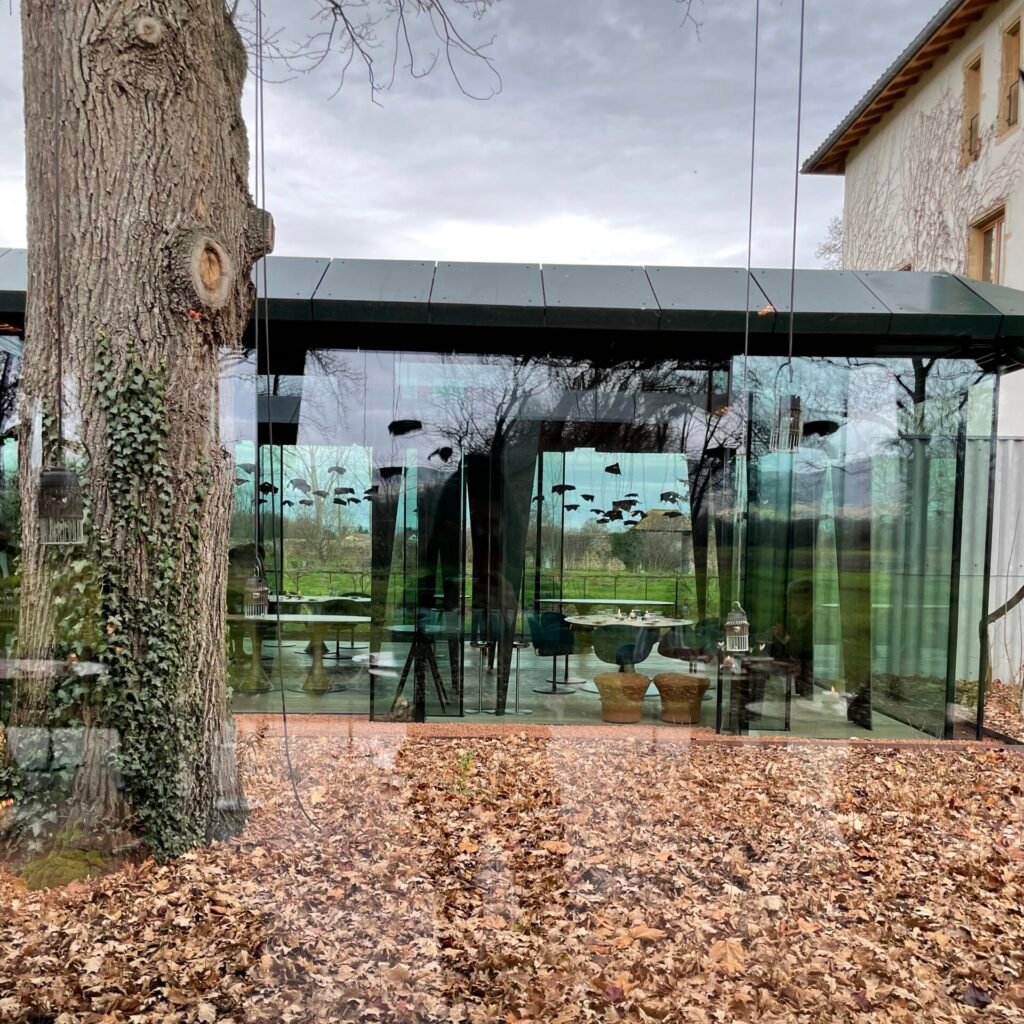
Guest rooms integrated into the estate allow immersion into a chic countryside stay. Maison Troisgros demonstrates evolution, while remaining true to longheld values and flavour palette.
Osip – Dorset, United Kingdom
One Michelin star · Restaurant-with-rooms
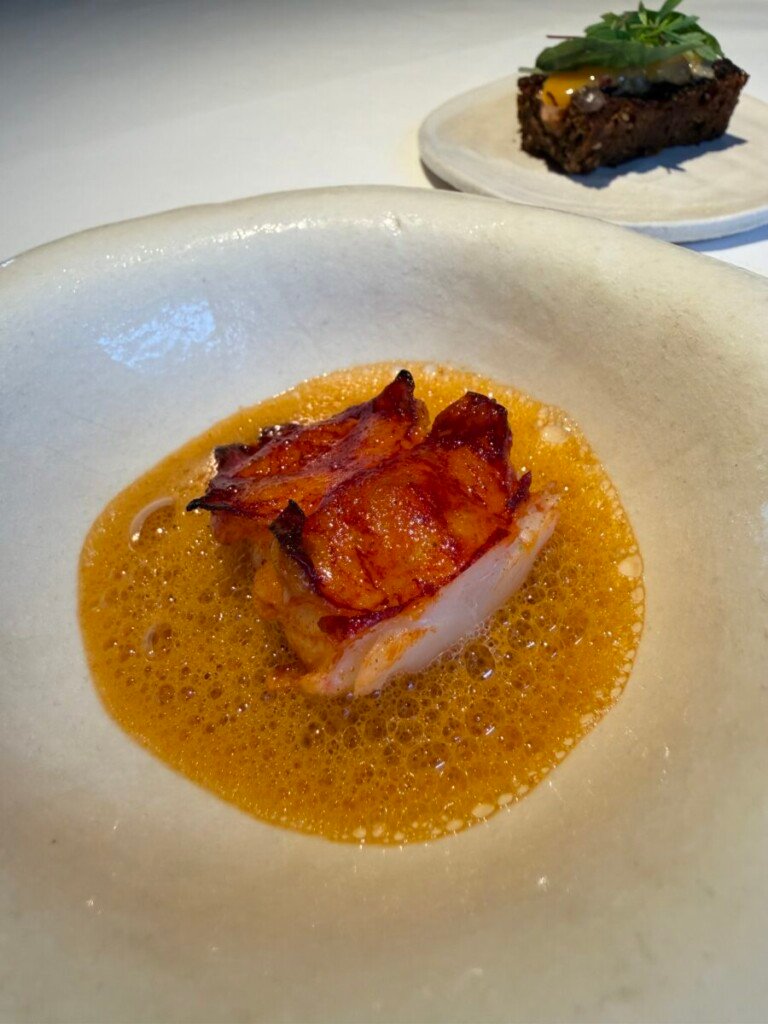
Now located in rural Dorset at 25 Kingsettle Hill, Osip centres entirely on Chef Merlin Johnson’s seasonal tasting menus.
Johnson trained in Michelin-starred kitchens and earned a star at 24 with Portland in London. At Osip, British produce is treated with disciplined French technique. The tasting progresses with measured pacing and minimal theatricality. Fermentation and curing appear selectively, adding depth without complexity.
A limited number of rooms in the farmhouse setting enable guests to experience the full sequence in a relaxed manner, while experiencing the grounded farmhouse setting.
Reale – Castel di Sangro, Italy
Three Michelin stars · Casadonna monastery
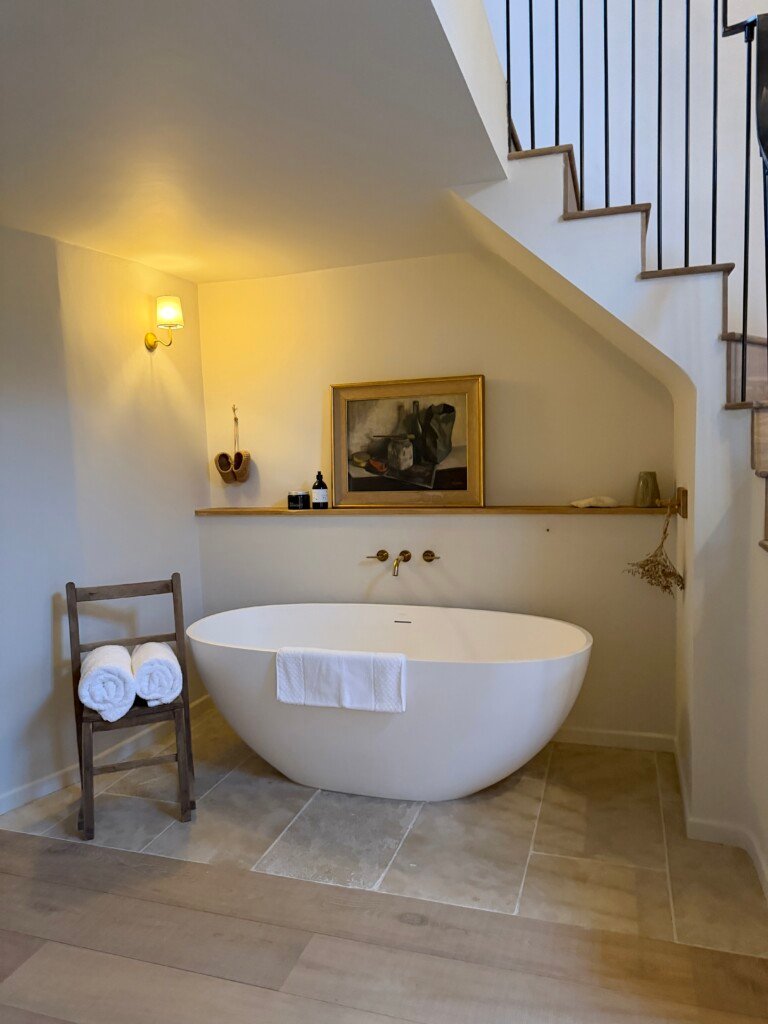
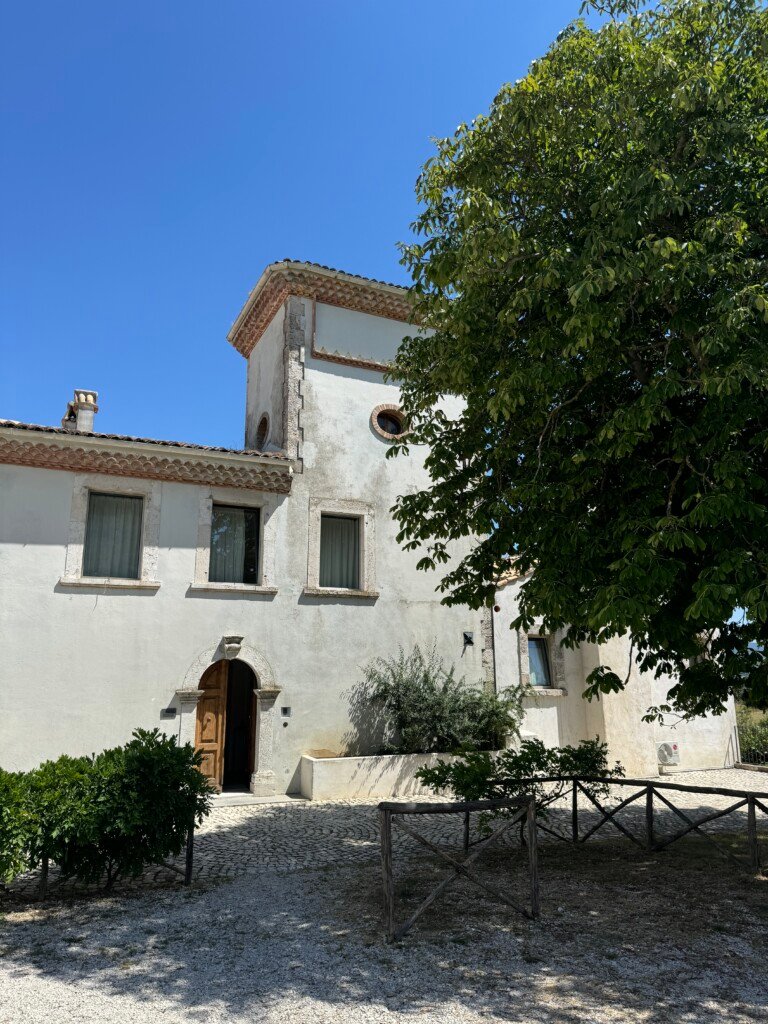
Within a restored 16th-century monastery in Abruzzo, Niko Romito’s Reale represents a rigorous exploration of intensity.
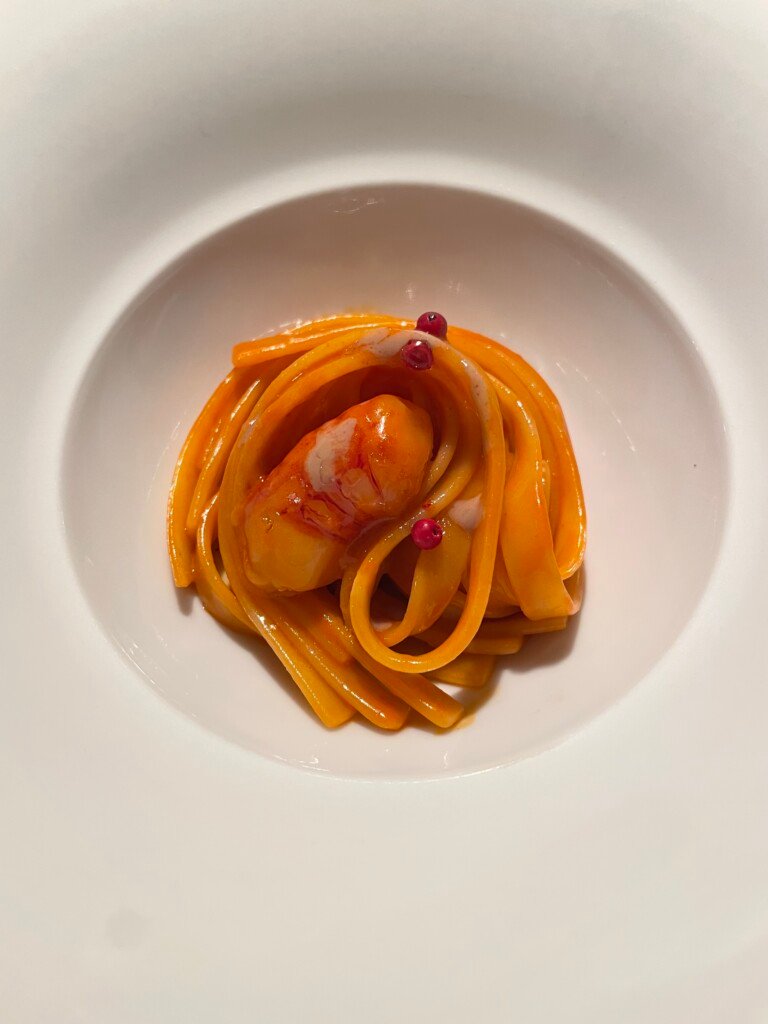
Romito transformed a family trattoria into a three-Michelin-star institution. His method often isolates a single ingredient to study its full expressive range. “Celery and Seabass” exemplifies this structure: vegetal intensity functions as the architectural base for protein. Cooking times are exact; presentation remains restrained.
The stone architecture, vineyards and gardens mirror the cuisine’s minimalism. Reale functions as a laboratory – precise and uncompromising in flavour clarity.
Rote Wand – Lech am Arlberg, Austria
Two Michelin stars · Alpine gastronomic ensemble
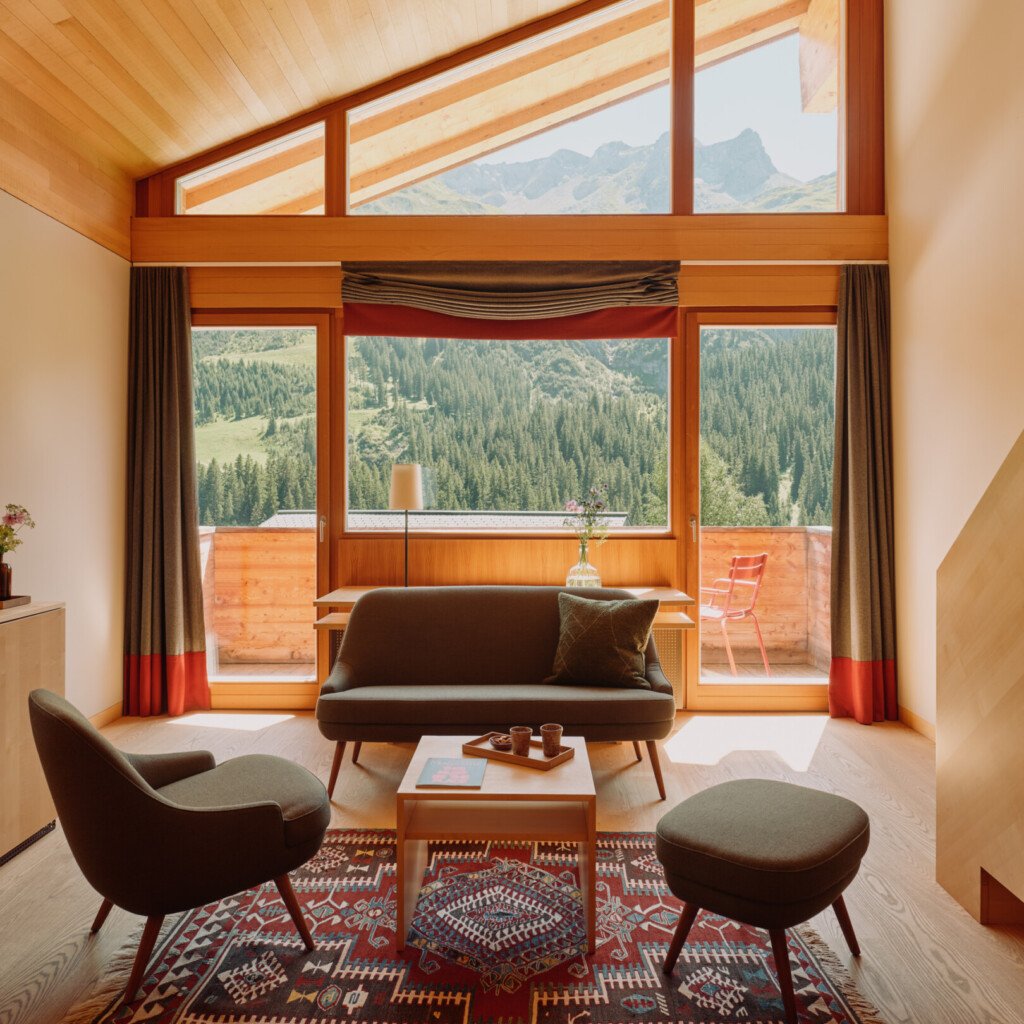
In the hamlet of Zug above Lech, the Rote Wand Chef’s Table operates within a historic former schoolhouse at the heart of Rote Wand Gourmet Hotel.
Chef Julian Stieger constructs ingredient-led menus at a central counter where guests can observe preparation. Regional produce is aged, smoked or lightly cured to reflect Alpine preservation traditions. Sauces are reduced with technical control; wine pairings integrate Central European producers into the tasting. Rote Wand Stuben, awarded a Michelin Green Star, emphasises sustainability and traditional Austrian dishes. The hotel maintains its own bakery, fromagerie and charcuterie, extending production beyond the kitchen.
The property integrates serious gastronomy with mountain environment, spa facilities and architectural xx.
Schloss Schauenstein – Fürstenau, Switzerland
Three Michelin stars · Historic manor gastronomy
In the village of Fürstenau, Andreas Caminada’s Schloss Schauenstein occupies a historic manor at the foot of the Piz Beverin.
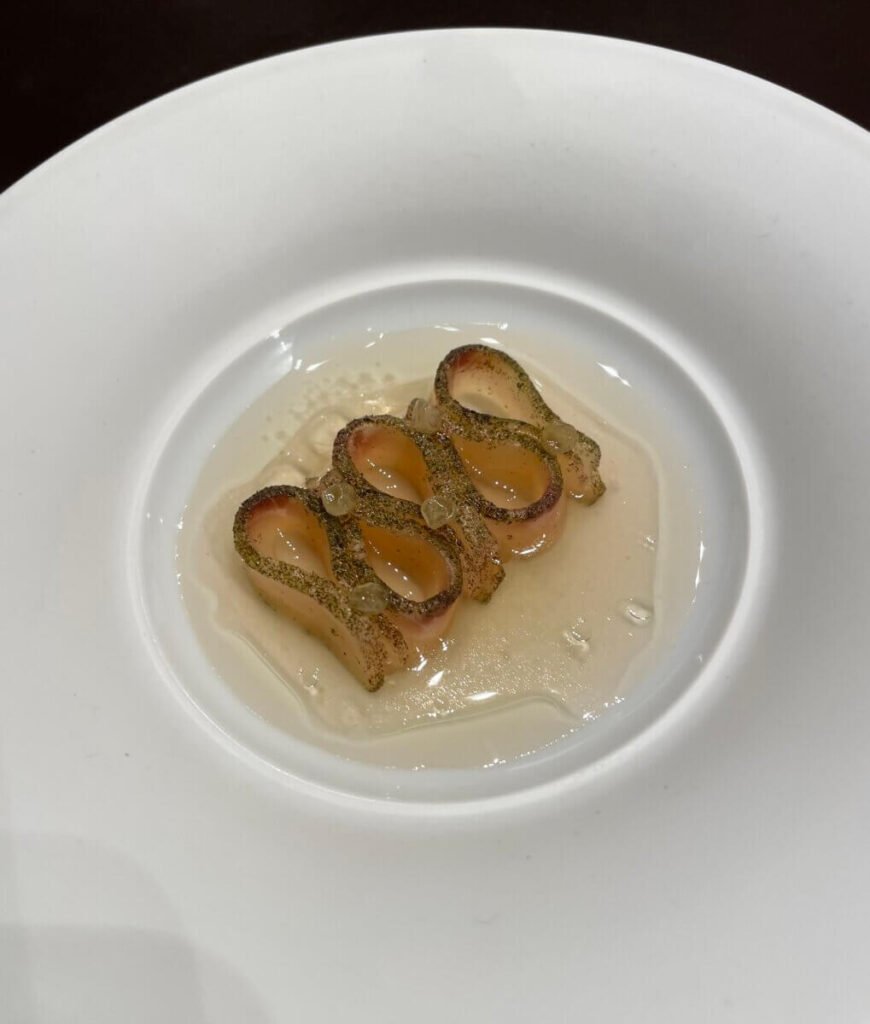
The three-Michelin-star cuisine foregrounds seasonal, local produce. Vegetables, herbs and grains are treated with precision equal to meat and fish. Sauces are intense, yet lighter than classical French equivalents. Menus track local harvest cycles closely. Technical execution is meticulous: exact cooking temperatures and precise plating geometry.
Guest rooms within the castle extend the experience. Schloss Schauenstein represents a mature model of destination gastronomy; one where history and modern precision share the same table.