Written by Sophie Brissaud for Luxeat Guide.
From intense, nutty Vin jaune to pale ruby Poulsard and the rich gold of Vin de paille, here is a loving tribute to one of the smallest, and most overlooked, French wine regions.
“Austere wines that bring you joy”, des vins austères qui rendent joyeux. This is how Jérôme Moreau, former head sommelier at the Hôtel Bristol and director of the Caves Augé wine shop in Paris, describes oxidative wines and notably the vin jaune of the Jura. According to him, the oxidative character of Vin jaune is an asset, not a flaw, and far from being hard to approach, it is apt to offer pure pleasure.
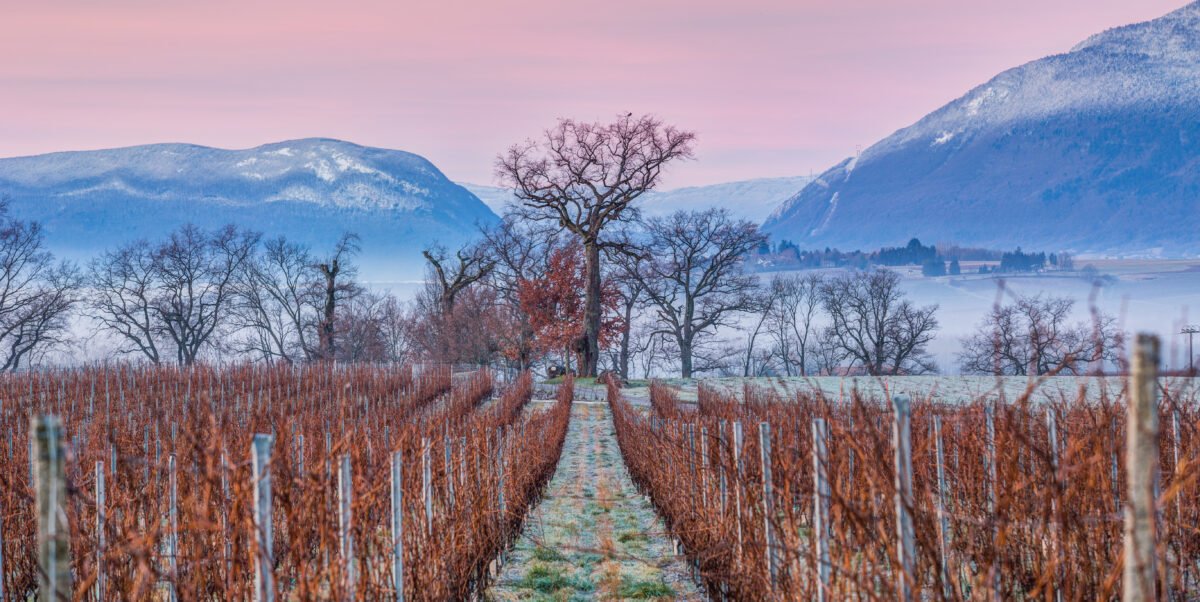
It cannot be denied that Vin jaune has an unusual profile – you either love it or hate it. Those who love it praise its uncanny versatility. Lovely to drink, with deep, lengthy, earthy notes of walnuts, hazelnuts, undergrowth, and elegant acidity followed by a strong, buttery sweetness coating the palate, it is a wine that warms your cockles, brings a sensation of comfort, and opens the door to a meditative state, somehow connecting you with deep earthy mysteries. Good to eat with: beyond its popular pairings, its harmonic range is so wide that you wonder how such a idiosyncratic wine goes with so many different foods. Good to cook with – a splash of vin jaune in sauces, stews, or broths is a wonderful taste enhancer.
For all these reasons, Vin jaune is the best-known of Jura wines, which is actually not saying a lot, since oxidative wines are somehow controversial, and many people do not like them – or believe they do not like them. Vin jaune is a secret gem, produced in a region that is even more of a secret gem. And when wine drinkers do know about Jura wines, they mostly know about Vin jaune, leaving aside the other types, of which there is a great number for such a small region. Without denying Vin jaune the honour it deserves, justice should be done to the wonderful diversity of Jura wines.
Parallel ridges and valleys
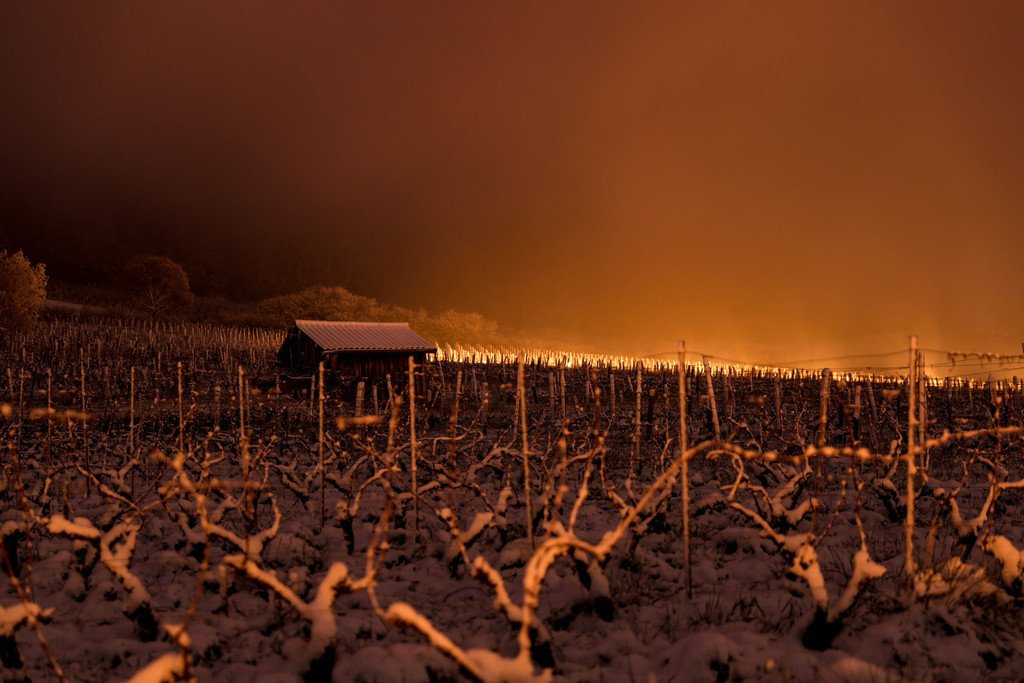
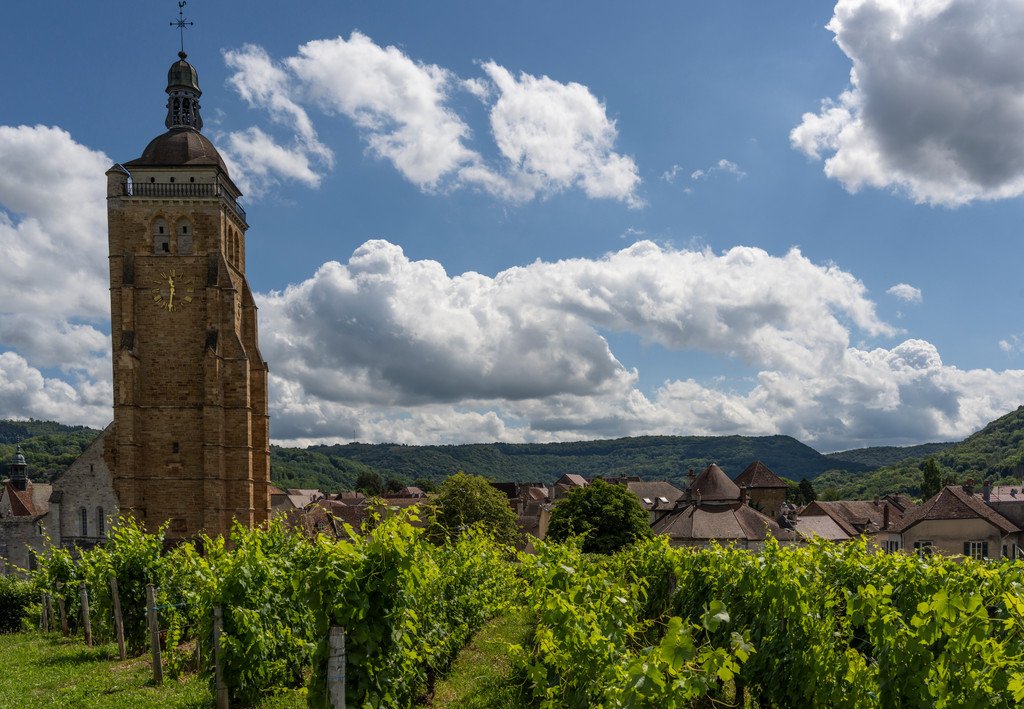
Located just East of Burgundy and Northern Bresse, the Jura is both a French département and a crescent-shaped mountain range overlapping France and Switzerland. As a historic entity, it is the province of Franche-Comté. Owing to the particular structure of the mountain range – an accordion-shaped succession of parallel valleys and ridges -, the vines grow mostly on the Western piedmont of the Jura, facing Burgundy and the Bresse. Thus the wine region is also crescent-shaped, elongated and narrow, eighty kilometers long, stretching from Arbois, at the Northeast of the département, to Saint-Amour at the Southwest. The dry, continental climate explains some of the wines’ character: the chilly autumns and freezing winters allow for late harvests, proper drying of the grapes, and controlled oxidation.
Wine has been made in the Jura for many centuries, even as far back as the Celtic era. The mention by Pliny the Younger, in the 1st century BC, of a “resin-tasting wine made from a grape already famous in the Vienna region in Austria” seems to indicate that white Savagnin, the main variety of the Jura, was already growing there at a very early time. The vineyard flourished until the end of the 19th century, when Phylloxera wiped out most of it, bringing it from 20,000 hectares to 2,000 hectares. Some vines were replanted during the 20th century, but the planted surface remains small.
Small in size, not in value or quality, it includes seven AOCs (protected appellations of origin). Four of them are local – Arbois/Arbois-Pupillin, Château-Chalon, L’Étoile, Côtes-du-Jura – and three are defined by the type of wine: Crémant du Jura, Macvin du Jura, and Marc du Jura, a distilled spirit. Vin jaune can be made in any local AOC, but Château-Chalon is a one-wine appellation which exclusively produces Vin jaune.
Vin jaune is made from Savagnin, sometimes with a small amount of Chardonnay added. These are also the two varieties used for dry white wines (80 percent of the overall production) and Vin de paille, while the red varieties – Poulsard, Trousseau, and Pinot noir to a lesser extent – dominate around Arbois and Pupillin. It should be noted that in Arbois they say “Poulsard” and in Pupillin, six kilometers away, they say “Ploussard”. You’d better memorize this if you intend to visit the region.
His Majesty le Vin jaune, and why it is always a Vin nature
Vin jaune is what the French call a vin de voile, a method involving a “veil” (flor in Spanish), a thick film of yeast which forms at the surface of the wine in an untopped-up and incompletely filled wooden barrel. In the case of Vin jaune, the veil nourishes and protects the wine for a minimum period of six years and three months, preventing the formation of acetic acid bacteria and helping the wine to acquire its oxidative rancio profile. It also endows it with remarkable keeping qualities; you know when a Vin jaune is born, but you never know when it dies. As a reminder of the generous “Angel’s share” (about 38 percent of the finished product), Vin jaune is conditioned in a clavelin, a short, 62-cl wide-shouldered, dark glass bottle which was created in the 18th century and was nearly banned before the EU changed its mind and gave it protected status in 1993.
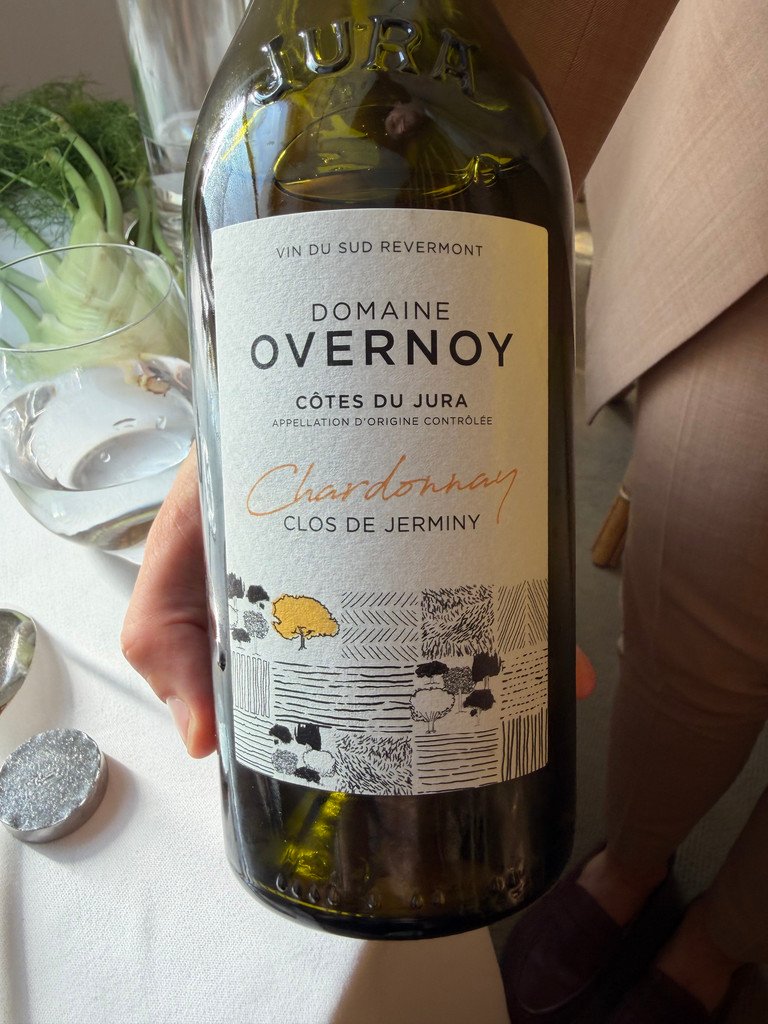
There is a particular detail in the winemaking method of Vin jaune which is of utmost importance in relation to the entire region: if any chemicals are added in the vineyard or especially during the winemaking process, the veil will not form and controlled oxidation cannot be carried out. The Savagnin grapes have to be harvested very late, perfectly ripe, and devoid of any flaw. These, quite simply, happen to be the mandatory conditions for making natural wines. As a matter of fact, there is no such thing as a Vin jaune that is not a natural wine. This is the reason why the Jura has long been at the forefront of natural winemaking, with pioneers like Pierre Overnoy making and promoting chemical-free wines as early as the 1970s. The region has been mastering the technology for ages.
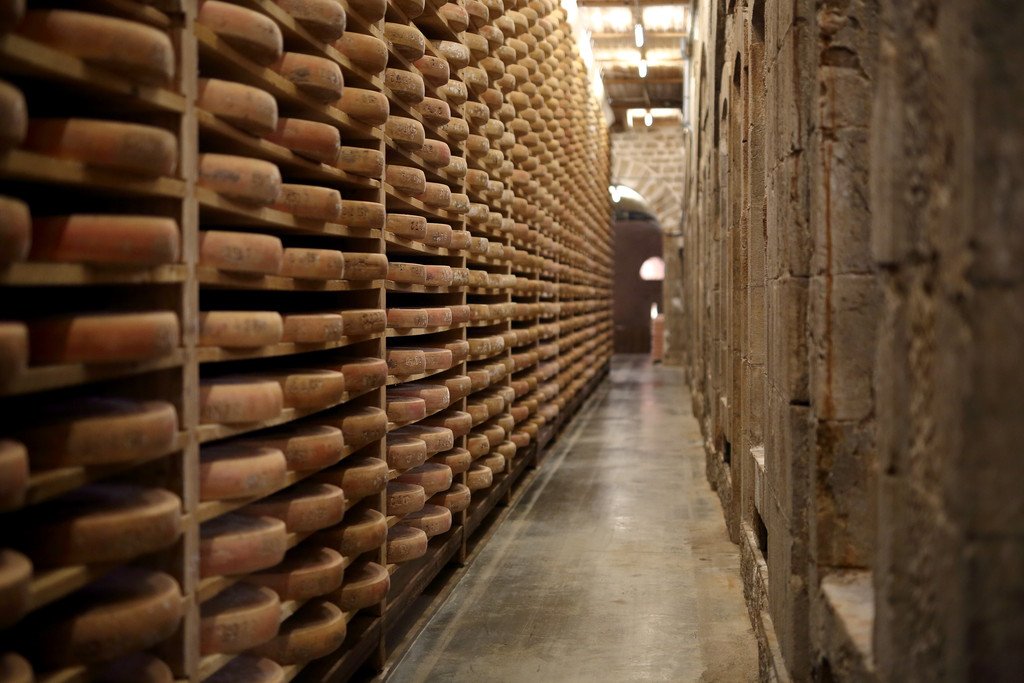
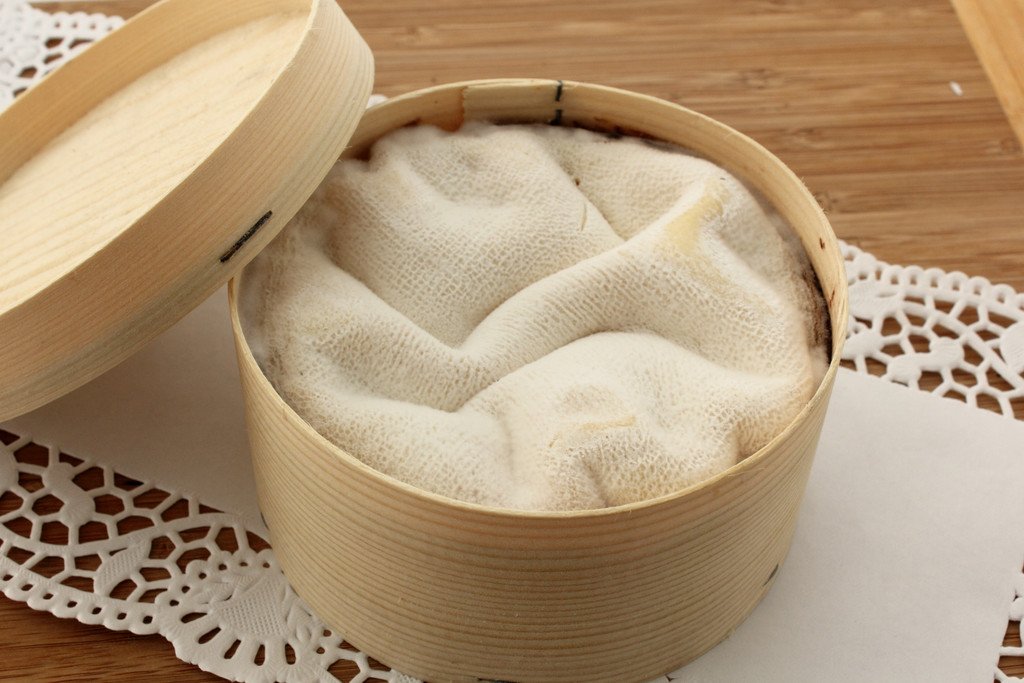
Vin jaune is a great opportunity to widen your experience of taste and embrace complexity – dryness, roundness, acidity, bitterness, earthiness, woodsiness, mushrooms, walnuts, resin, frankincense, precious woods, and lingering notes of apples, pears and tropical fruits woven into an intricate tapestry. Served with food, it simply goes with (nearly) everything, which is a known feature of oxidative wines. There are the obvious pairings: mushrooms, white meats and poultry, venison and game, charcuterie and cured meats, cheeses like Comté, Morbier or Mont-d’Or, apple and pear desserts, chocolate and caramel, but there are many more, and this wine is also worth serving with freshwater fish, smoked fish and seafood, Chinese cuisines, charcuterie and cured ham like pata negra, French pâtés and terrines, roasted root vegetables, anything with black truffles, nuts, dried fruits, and so on.
As a cooking ingredient, Vin jaune is a wonder. More than a wine, it is a spice that imparts a deep, aromatic, comforting flavour to whatever it touches. Chicken or poularde au vin jaune, stuffed morel mushrooms cooked with vin jaune, scallops or lobster in a vin jaune sauce, veal cooked with vin jaune do come to mind, but the culinary uses of this wine are endless. Try a few drops in the cream sauce of a veal blanquette, the jus of a roasted chicken, warm chestnuts, sautéed wild mushrooms. As a marinade for foie gras, it is spectacular, and we encourage you to try that.
Vin de paille, Macvin, and other wines
Another iconic wine of the Jura is the sweet, aromatic Vin de paille, based on Savagnin, Chardonnay, and/or Poulsard. In the early stage of the harvest, the finest grapes are selected and left to dry in a dark, dry place like an attic, on trays, traditionally on straw, for a minimum of six months. In Winter, the grapes are slowly pressed, and the resulting few drops of sweet juice are slowly fermented until they reach 14 to 18.5 percent of alcoholic content. The wine is then aged for three years in small oak barrels and sold in small 37-cl bottles.
Macvin is a vin muté, i.e. fortified, like Pineau des Charentes. It may be red, rosé, or white, and is obtained by adding some Marc du Jura to unfiltered, unfermented (or lightly fermented) juice of any of the grape varieties growing in the Jura. Both the juice and the spirit must originate from the same winery, with a final alcoholic volume of 16 to 22 percent.
Aside from the sparkling white or rosé Crémant du Jura, which gets its typical flavours from the local grapes, some delicious still wines are also produced, either monovarietal or blends. Even with those, the Jura manages to show its character. Since Savagnin takes to controlled oxidation so easily, some of the dry white wines show a certain amount of it without being Vins jaunes. Sous voile, lengthy aging is part of the local DNA . Sometimes, they come in a bottle that looks like an elongated clavelin, with shoulders slightly wider than the base. At any rate, dry whites tend to have a very dry, mineral profile with a rounder, aromatic finale thanks to the characteristic marly soils of the Jura slopes. The red Poulsard wines are pale, flowery and fruity, with a bright strawberry color and better aging qualities than their delicate structure would suggest. The rare Trousseau (7 percent of the regional planted surface) yields warm, ruby-red, full-bodied, very lengthy wines with excellent aging qualities. A rare grape (7 percent of the Jura vineyard), it is centered around the village of Montigny-les-Arsures, where scientist Louis Pasteur’s Trousseau patch is still exploited today.
Some great wineries of the Jura
As you may have understood by now, this is a small region with a rich and complex wine situation, and a general high level of quality. It is, therefore, impossible to list all of the best wines and wineries, but here is a selection of our favourites. Most of them make Vin jaune, Macvin, Vin de Paille and Crémant, and all of them even offer a little more. Do not be surprised if most of them are organic/biodynamic and many are natural.
One of the oldest wine châteaux in France, the Château d’Arlay is a splendid sight, and the wines are solid, reasonaby-priced classics. Aside from the Vin jaune, Vin de paille, Macvin, and white and red still wines, Château d’Arlay’s best-loved gem is the Savagnin Élevage Long, halfway between a Vin jaune and a dry white. Probably one of the most versatile bottles that we know of.
In Arbois, Alice Bouvot makes natural wines under two different brands: Domaine de l’Octavin with native Jura grapes, and SAS Octavin with bought grapes from other regions. Lengthy macerations bring out the true character of the terroir and variety, and since Alice is a trained musician, some bottles are named after opera characters. Recommended bottles: Dorabella (Poulsard), Hip-Hip Jura (Savagnin and Chardonnay), and Elle Aime (Pinot noir and Chardonnay).
The red fox on the label hints at the name of this classic natural winery: Bornard = beau renard. Got it? All the usual suspects – Vin jaune, Trousseau, Savagnin, etc., and Ploussard, since we’re in Pupillin.Whichever way you choose to name the latter, Bornard’s version, Au Fil des Générations, is a Poulsard many wine lovers are crazy about. But do not try only this one.
We do recommend to visit this renowned biodynamic winery on the soft slopes of Arbois. All the classic Jura wines are made there, including Vin de liqueur, Macvin, Vin de paille, two Vin jaunes (including a Château-Chalon), and Sav’Or, their iconic orange Savagnin, which tastes of ripe, sunkissed grape berries, tarte Tatin, roasted almonds and preserved fruits. La Pinte also produces one of the very best Crémants du Jura you can dream of.
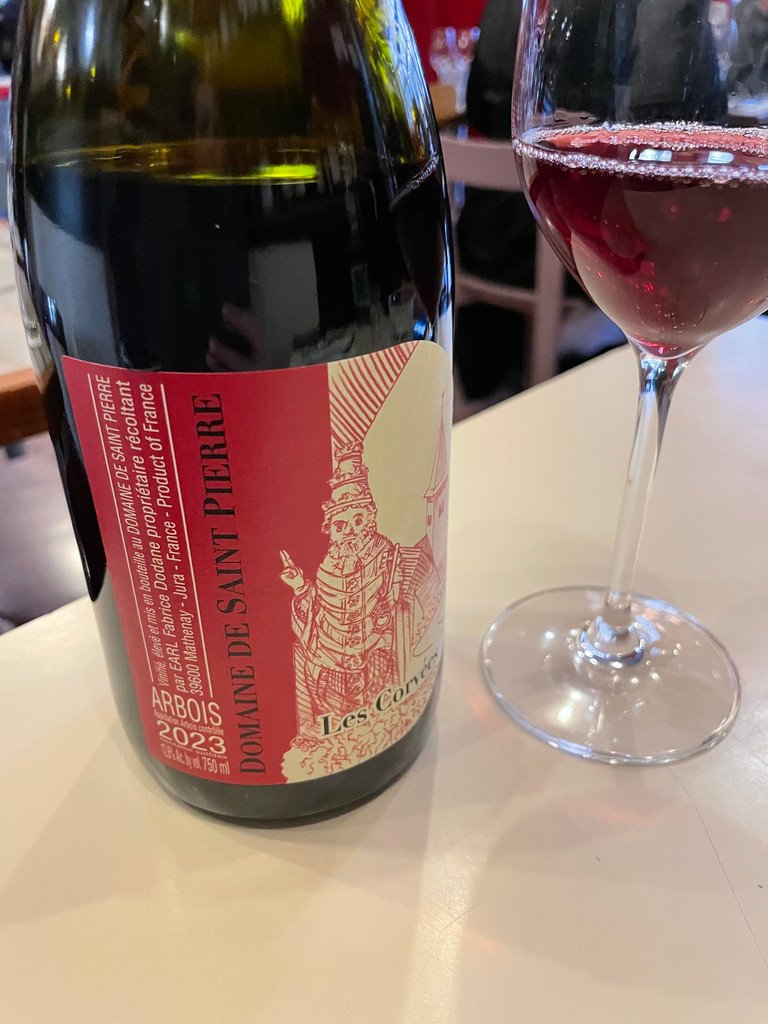
Another celebrated organic winery; another maker of beautiful Jura wines: white or red Arbois, Macvin, Vin jaune, Vin de paille. Recommended bottles: Savagnin de Voile, Les Corvées sous Curon, Uva Arbosiana… No, seriously, all of them.
The only winery still active at the village of Montaigu, it was created in the 13th century by Carthusian monks, acquired by the Pignier family in 1794, and now run by the eighth generation of the same family. This biodynamic vineyard produces all types of Jura wines, including a Vin jaune that is aged for seven years and will keep literally forever, a Crémant aged 40 months on the lees, a Savagnin aged 60 months in oak (not a vin jaune though), and many more. Recommended bottle: not an easy choice, but the iconic Cellier des Chartreux, an oxidative Chardonnay aged sous voile for three years, has been made in the same cellar for centuries.
This world-famous biodynamic (aren’t they all?) winery in Arbois produces finely chiselled, complex, layered wines from Jura grapes grown on magnificent terroirs. Their main ingredients, say Bénédicte and Stéphane Tissot, are love and passion. Recommended bottles: Arbois Savagnin, Trousseau Amphore.
This Pupillin winery carries the direct heritage of the pioneer of natural wines Pierre Overnoy, who passed it on to his former apprentice Emmanuel Houillon. Entirely organic, no sulphites, no chemicals, no nothing. Only the juice of grapes in bottles that are just as coveted now than they were when the Master still ran the place (he may still be seen at the tastings). Recommended bottles: all of them, particularly the Arbois-Pupillin Poulsard, the Arbois-Pupillin Chardonnay, and the Vieux Savagnin Ouillé.
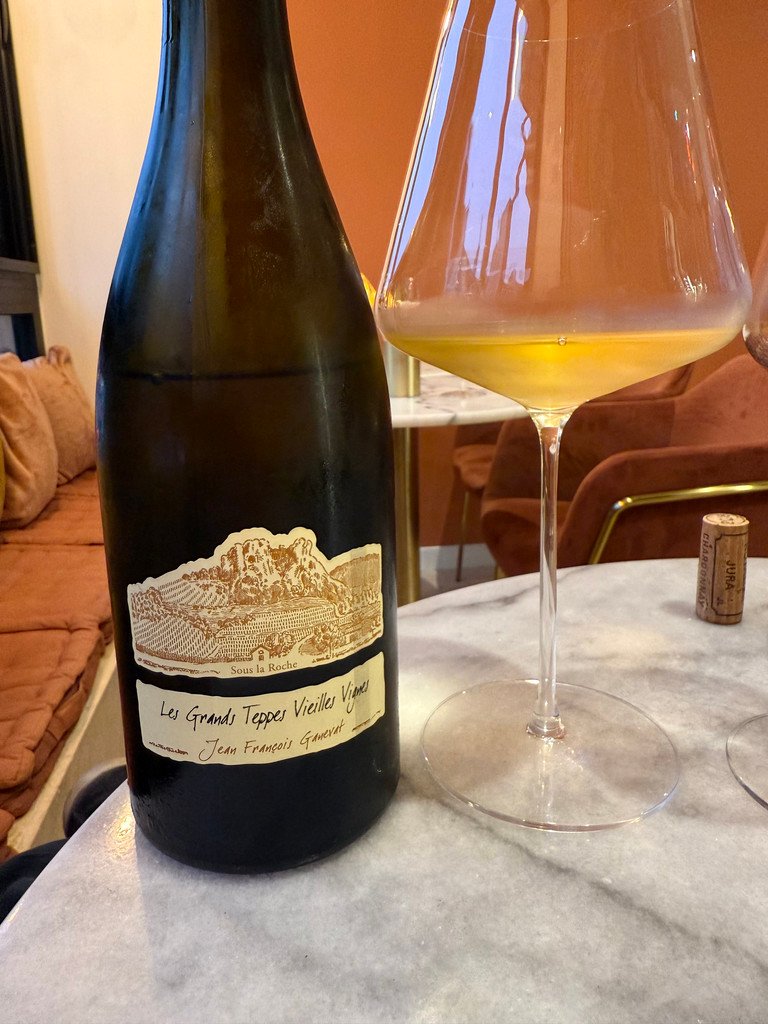
In Rotalier, the famous Domaine Ganevat is a family business based on transmission, as the iconic cuvée Les Vignes de mon Père directly hints at. The estate has been passed on from father to son since 1650, making Jean-François Ganevat the fifteenth generation of winemakers on the land. This is not only one of the most prestigious wine properties in the Jura, it is also a solid reference for biodynamic and natural wines. Among the many wines produced by Ganevat, we recommend the much-coveted Les Vignes de mon Père (a non-oxidative Savagnin), the Vin jaune, and Cuvée Julien and En Billat. Decanting these two Pinots noirs is also recommended.
Domaine Les Valseuses
Julia is from Brazil and Antoine is from the Jura. He takes care of the vineyard in Arbois, she runs the beautiful guesthouse at the old winery. Their organic wines are often named after popular songs. It’s hard to pick favorites among them, especially since, in typical Vin nature fashion, they seem to churn out new cuvées every few months, but their joyous, tender pet’ nat’ (natural sparkling wine) Cadè Meu Carnaval is a classic.
What to do in the Jura?
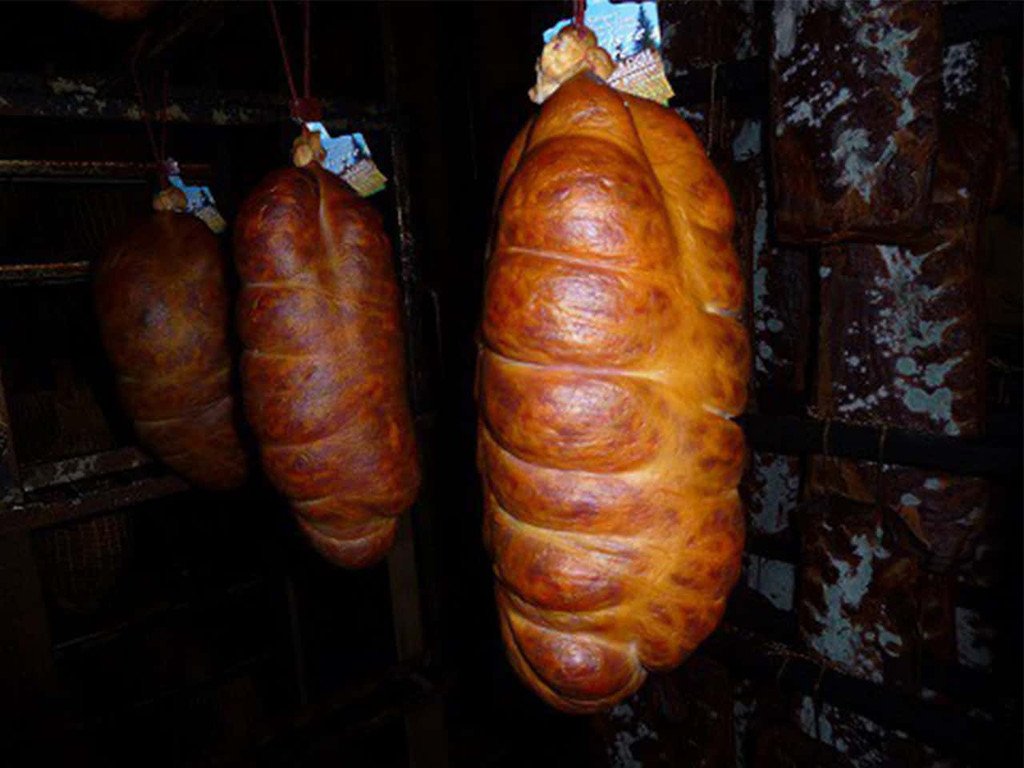
If you decide to visit the Jura, you won’t only be tasting wines. This breathtakingly beautiful region also offers lovely things to eat: delicious cheeses like Comté, Morbier, Bleu de Gex, runny Mont-d’Or; big smoked sausages like Saucisse or Jésu de Morteau, which should be cooked in simmering water and eaten with boiled potatoes and Cancoillotte (an addictive melted cheese preparation); and do not forget that Absinthe liqueur is made in Pontarlier, which is also in the Jura.
The Jura also has plenty of natural beauty and architectural wonders like the villages of Château-Chalon, Baume-les-Messieurs, Arbois, Salins-les-Bains, or masterpieces like Nicolas Ledoux’s Royal Saltworks at Arc-et-Senans (1775), listed as a World Heritage Site, as are the great saltworks in the spa village of Salins-les-Bains. Just to name a few.
Finally, it would be wise to plan your trip around one or two of the main wine events that attract visitors to the Jura. The most important of them is the Percée du Vin jaune, which celebrates the first piercing of Vin jaune barrels after their long aging, and is held every Winter in Arlay. All informations here.
The Fête du Biou takes place in Arbois every first Sunday of September and is organized around two solemn processions, during which a huge trophy made of grape clusters and a crown also made of grapes are carried through the city by winemakers.
Not to make anyone jealous, Vin de paille also has its festival. Every year, in late January, the Commanderie des Nobles Vins du Jura et du Comté organizes the Pressée du Vin de Paille, in Arlay, celebrating the pressing of the dried grapes. It offers many wine tastings and a producers’ market.
Where to eat?
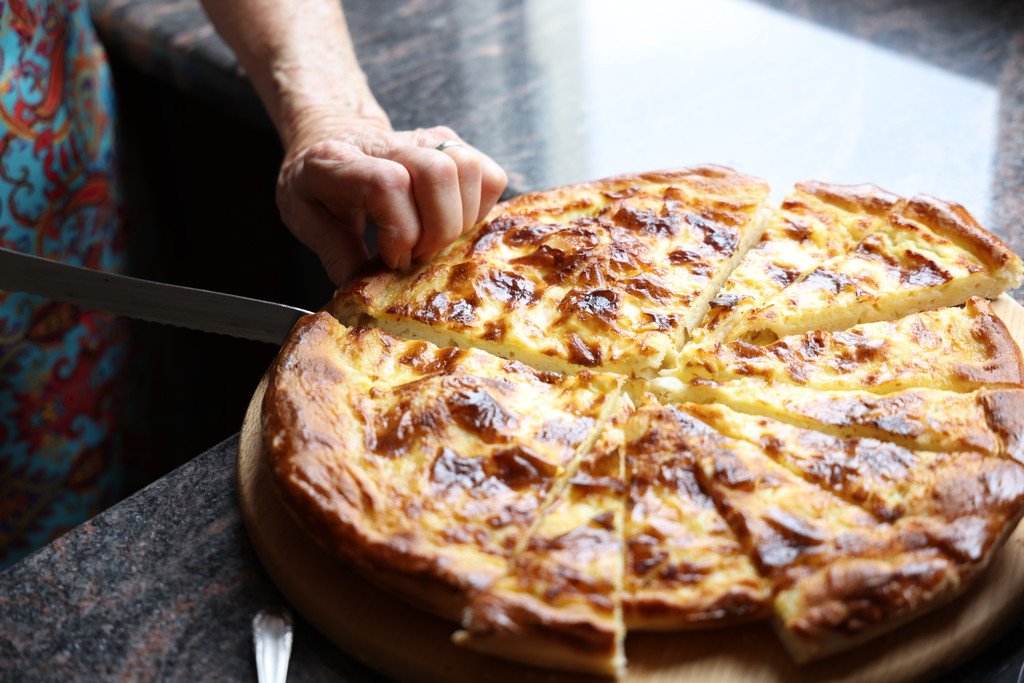
At most of the following restaurants, you will enjoy Jura wines both in your glass and on your plate. If Michelin dining is your thing, try La Table du Grapiot in Pupillin (one star), or Le Bistronôme in Arbois (Bib Gourmand) both serve modern cuisines, laced with Vin jaune. Just as modern, with a wine list of more than 1,000 references, Les Caudalies is also in Arbois. In a more traditional style, Castel Damandre is set in a beautiful 15th-century watermill (also a hotel) and pours Vin jaune onto the poularde as they all do. Le Comptoir Kokagué, in Mouchard, serves Japanese dishes made from local Jura ingredients, washed down with local natural wines, and reservation is mandatory. In the Bib Gourmand category: Vertfeuille in Arc-et-Senans, Bagatelle (Hôtel La Chaumière), Iida-Ya (Japanese) and Grain de Sel in Dôle.
Where to stay?
The Jura has no shortage of beautiful old buildings converted into hotels. Some mentioned above like Castel Damandre and La Chaumière are also restaurants. Near Dôle, the beautiful Château de Germigney has 28 rooms and suites, as well as a restaurant. Our personal favourite is Casa Antolia, in Les-Planches-Près-Arbois, a lovely 2-bedroom apartment set in an old winery (which is no other than the Domaine des Valseuses; see above). Tel. +33 7 66 57 52 42.