Tokyo has an extraordinary number of former private residences, many of which are now open to the public. Once home to writers, artists, industrialists and aristocratic families, these properties retain remarkable interiors, personal collections and gardens that reveal much about the lives and tastes of their former owners.
From the grand estates of industrialists and aristocratic families to the more personal homes of writers and artists, these places offer a fascinating look at how their owners lived, what they collected and the architecture they chose. Many are in residential neighbourhoods that visitors to Tokyo rarely explore.
Asakura Museum of Sculpture
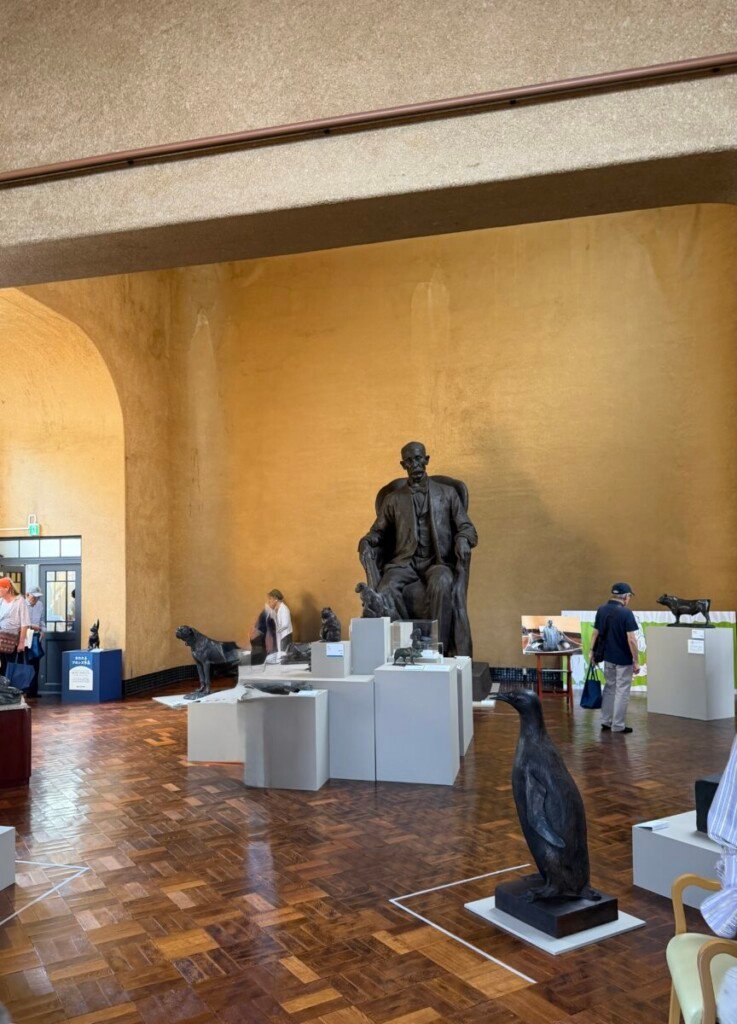
Sculptor Fumio Asakura designed his Yanaka home to serve as both a residence and a place where he could work and teach.
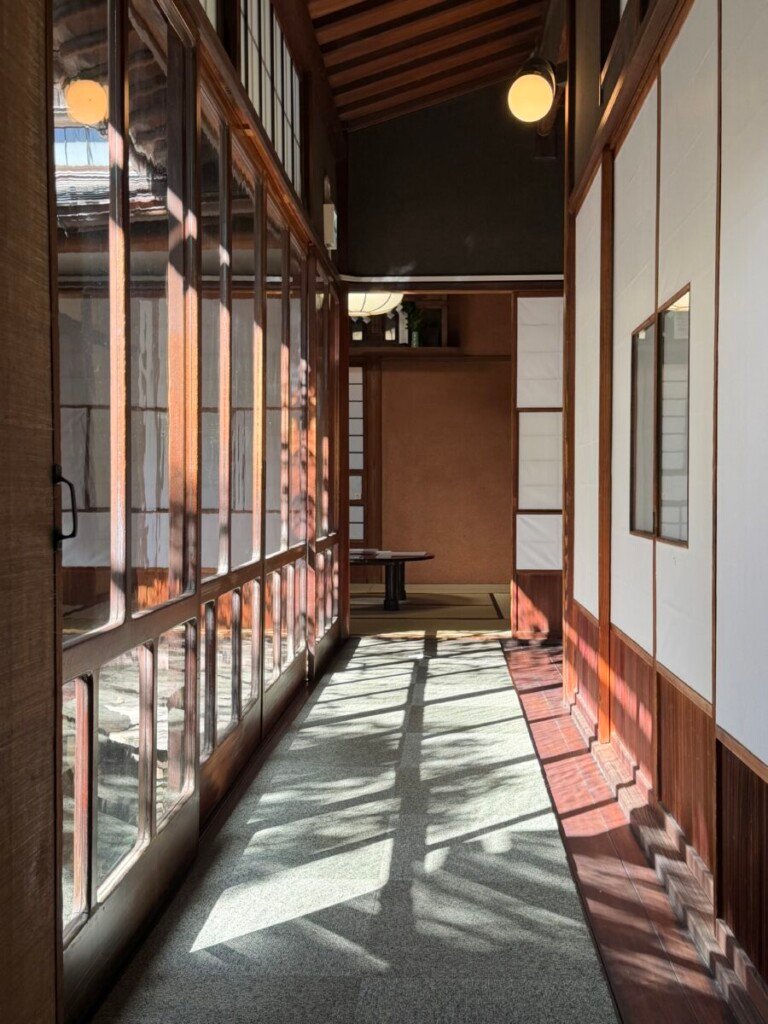
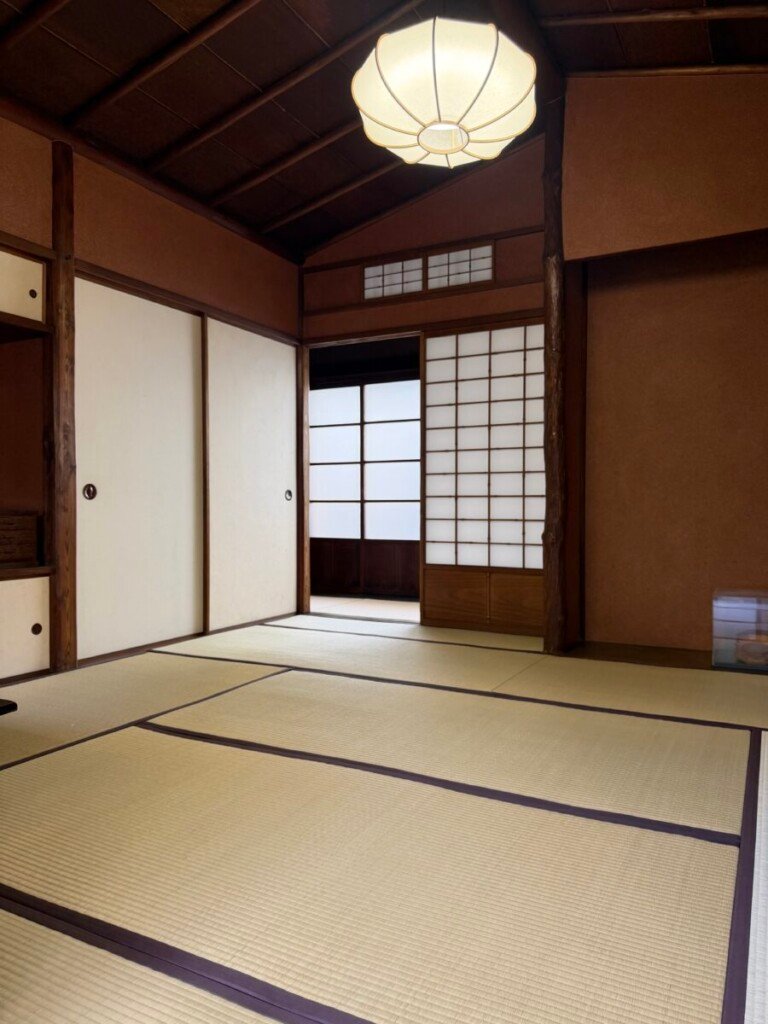
In the studio, he curved the edges of the walls to eliminate distracting vertical lines behind his sculptures. Windows bring in daylight from three directions, while bamboo fittings and polished logs soften the three-storey concrete building.
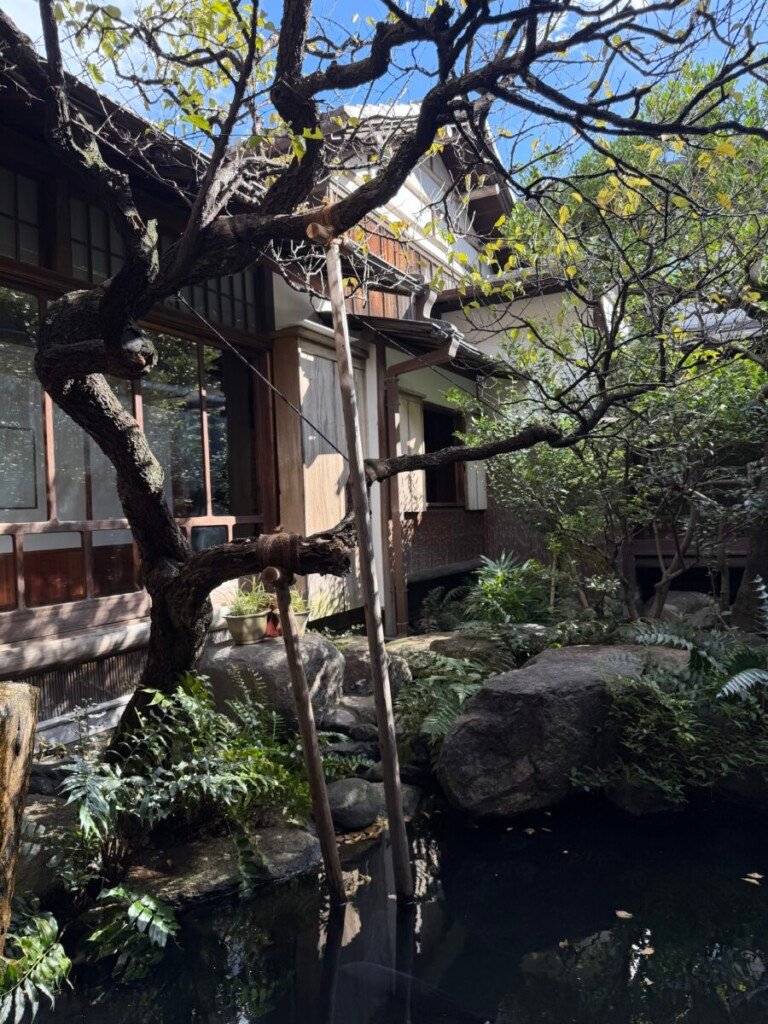
The central courtyard, enclosed on four sides, contains water, rocks gathered from across Japan and trees that change with the seasons. Above the studio, students tended plants in a rooftop garden, following Asakura’s belief that gardening could sharpen their observation of nature.
His sculpture Shot Putter, depicting a seated athlete holding a ball, can still be seen on the roof overlooking Yanaka.
More places to eat in Tokyo
Discover sushi counters, ramen shops and neighbourhood favourites selected by Aiste in our Tokyo Dining Guide, with reservation advice and regular updates.
Former Asakura Residence
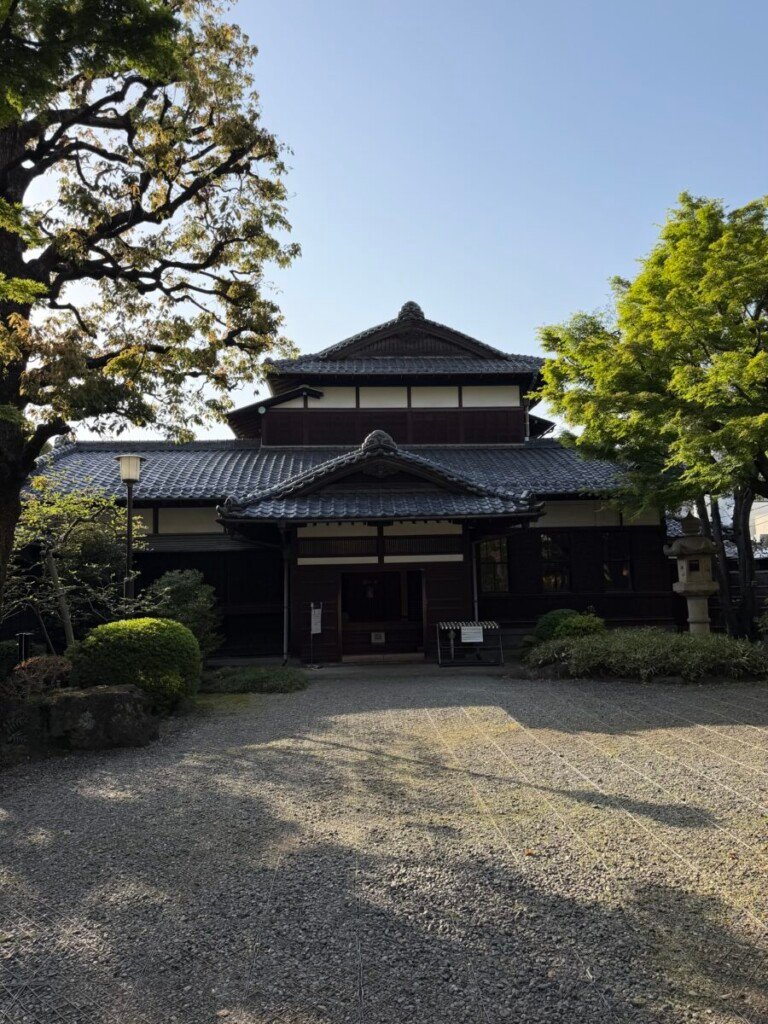
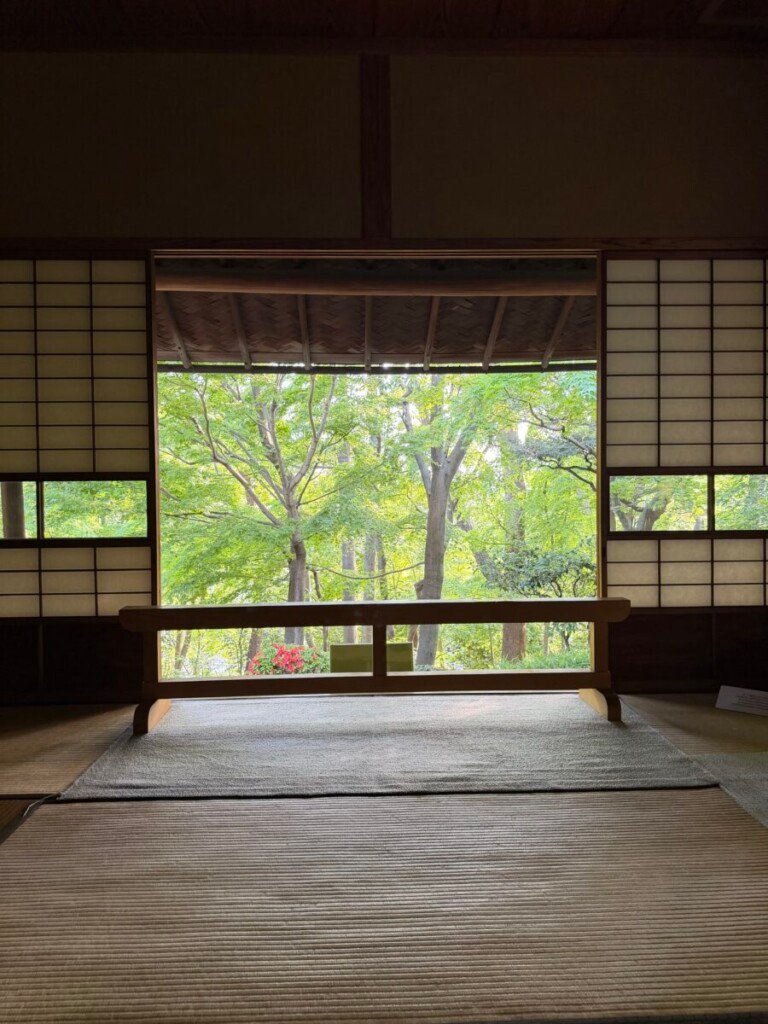
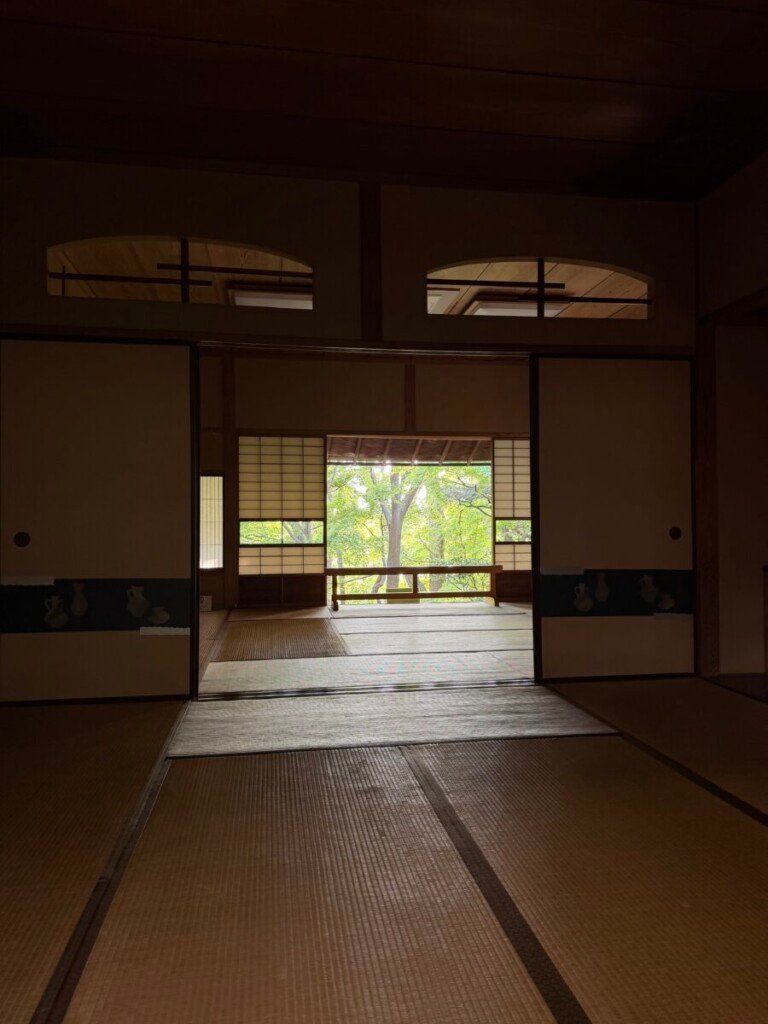
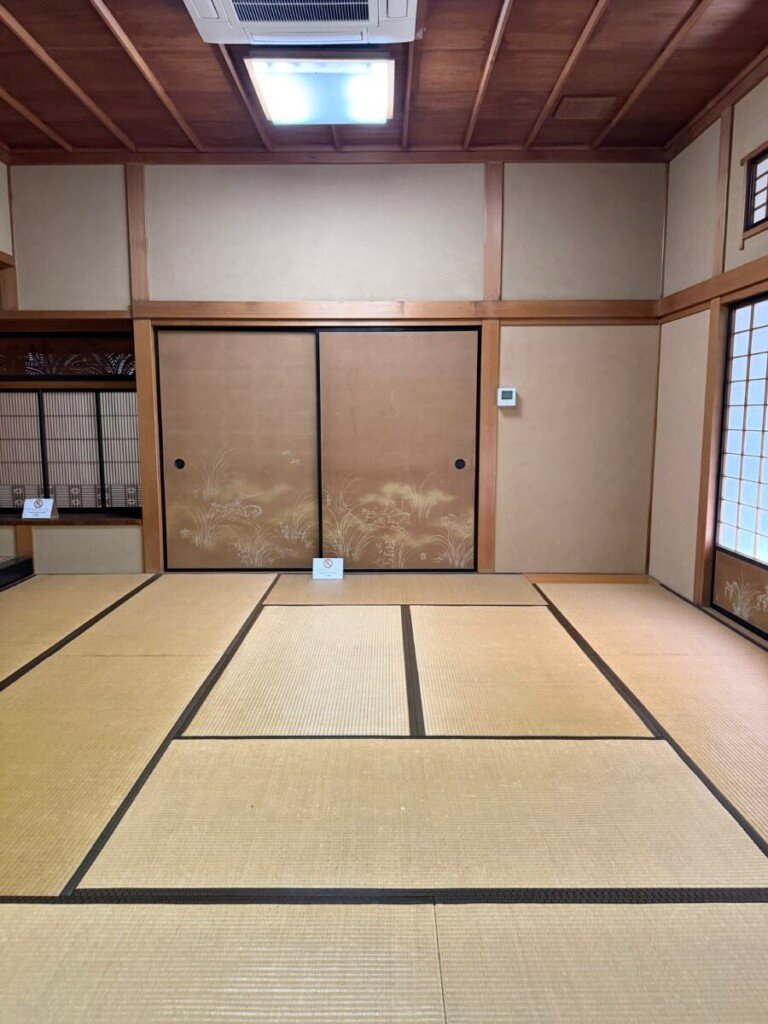
Torajirō Asakura, a former timber merchant who became chairman of Tokyo’s Prefectural Assembly, built his family home in Daikanyama in 1919, when the surrounding hillside was far less developed.
He received petitioners in cedar-lined rooms overlooking the garden and held official meetings upstairs. A Western-style room beside the entrance accommodated visitors; elsewhere, tatami rooms served the family’s daily life.
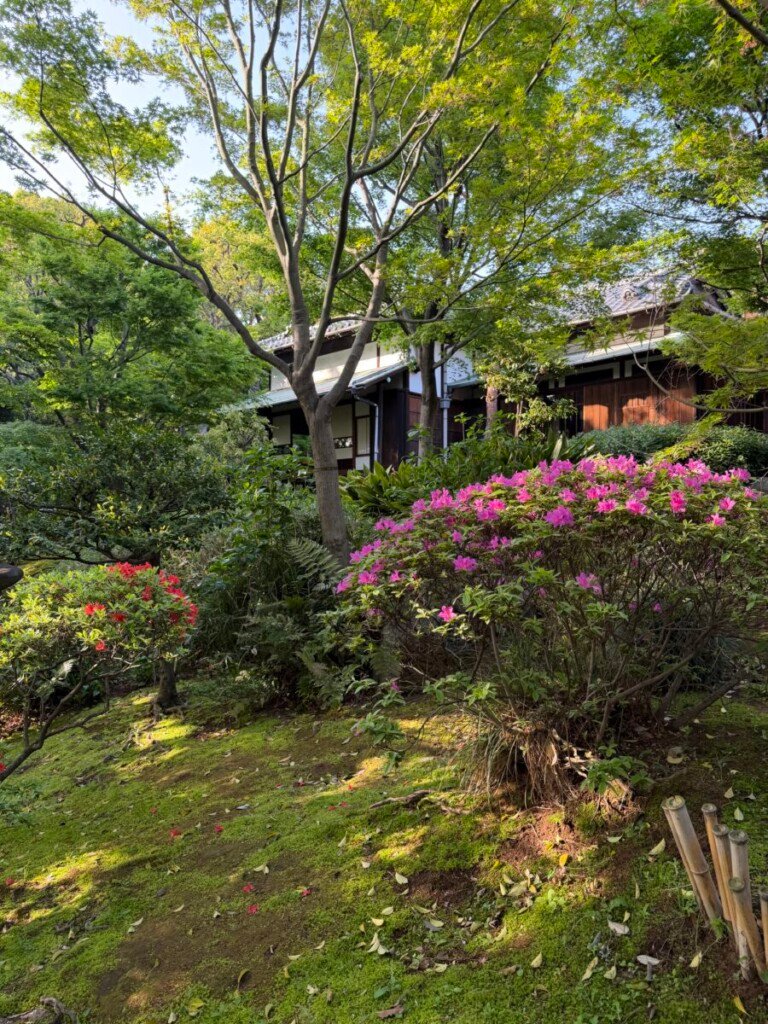
Outside, the strolling garden follows the steep slope, its paths turning past stone lanterns and mature trees.
The house survived the 1923 Great Kantō Earthquake and the bombing of Tokyo during the Second World War. Today, its timber interiors and garden remain just a few minutes from Daikanyama’s boutiques and cafés.
Hayashi Fumiko Memorial Hall
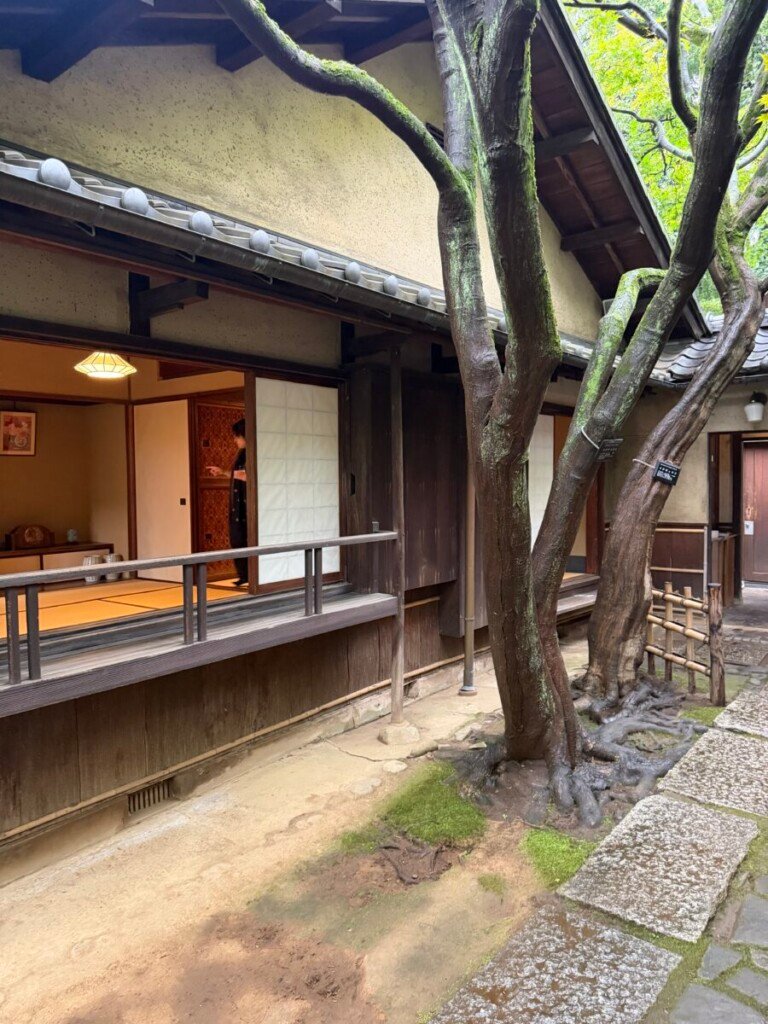
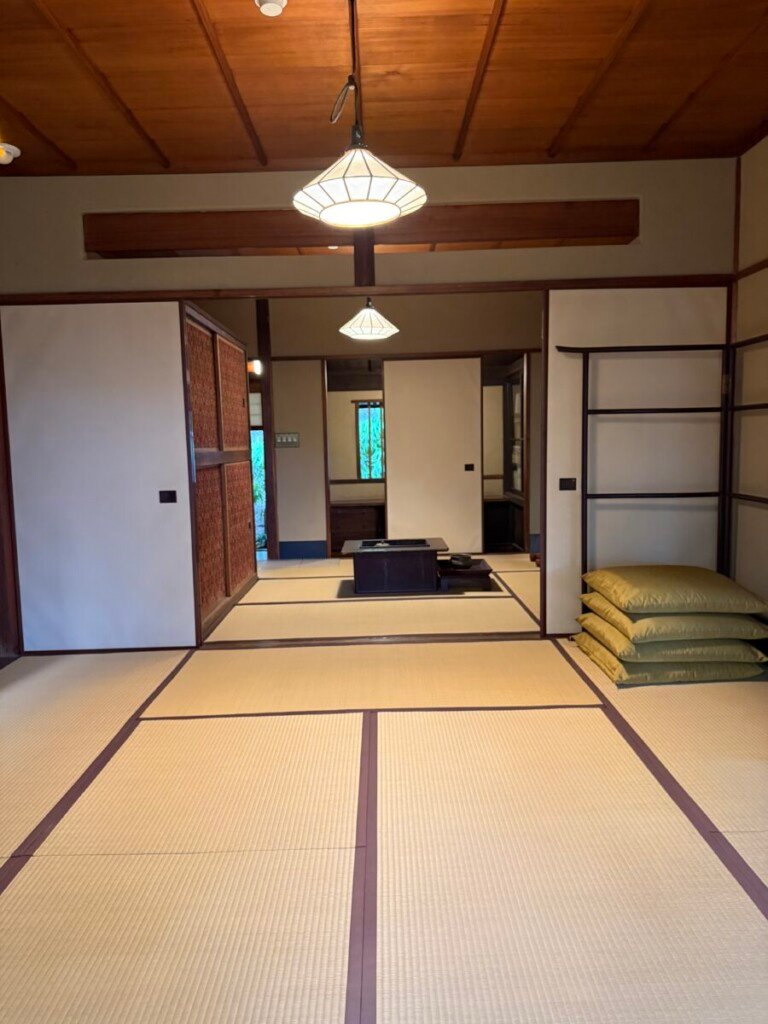
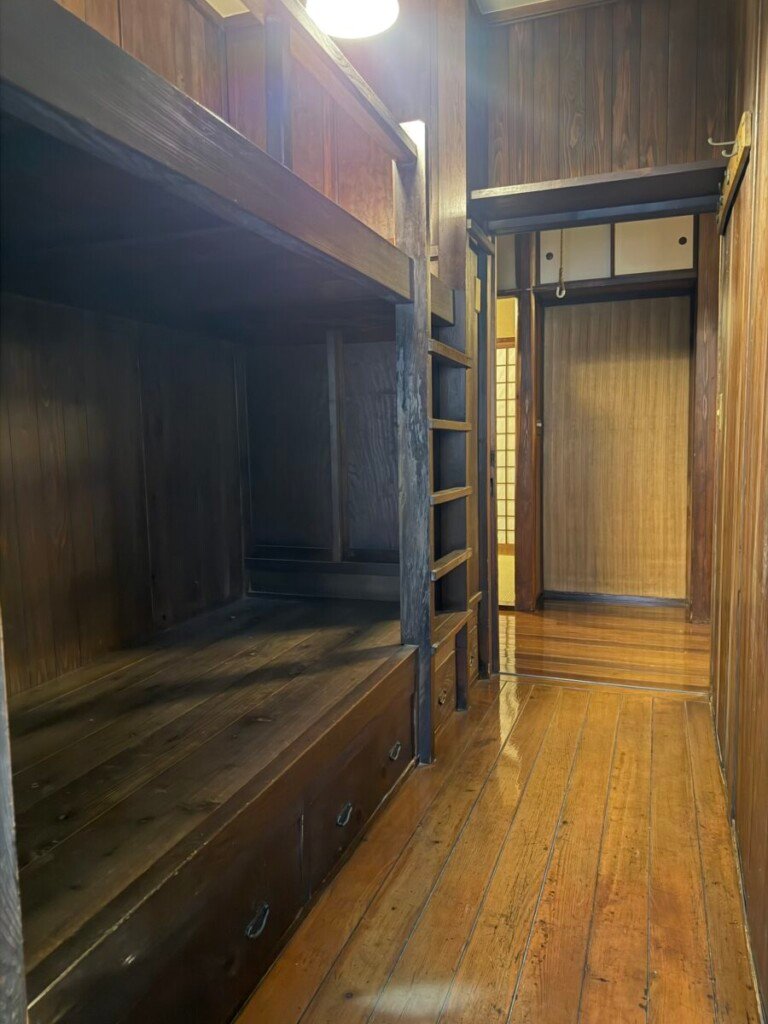
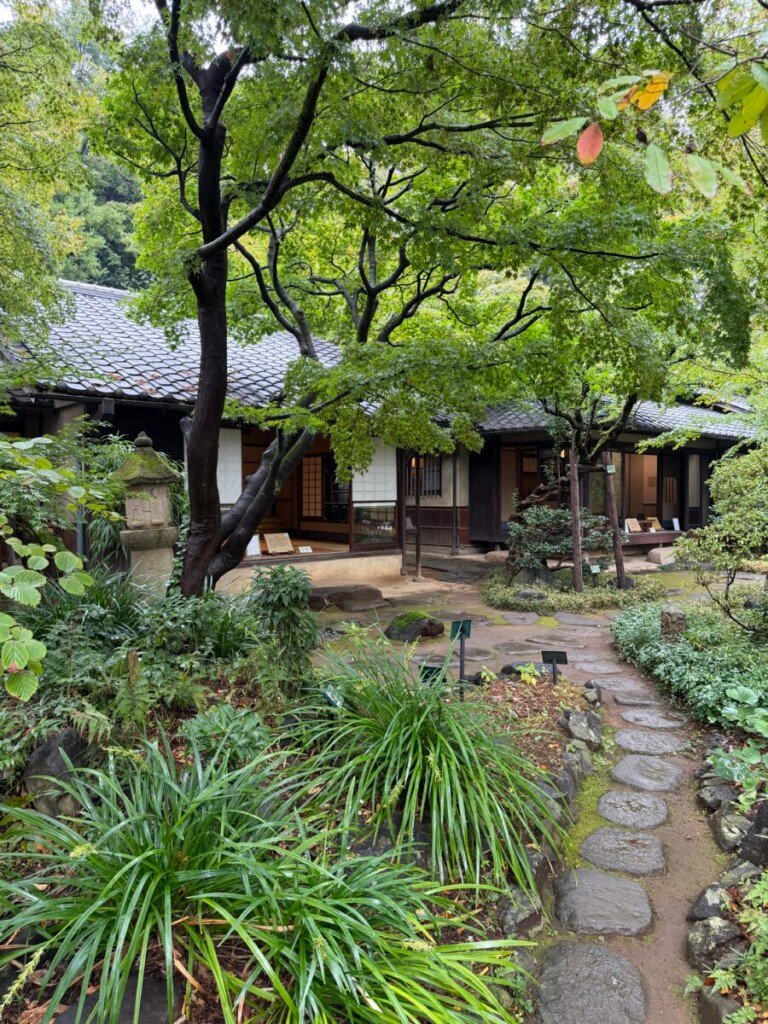
Writer Fumiko Hayashi took an unusually active role in planning her Nakai home. She read nearly 200 books on housebuilding, inspected timber and travelled to Kyoto with a carpenter and designer before moving in 1941.
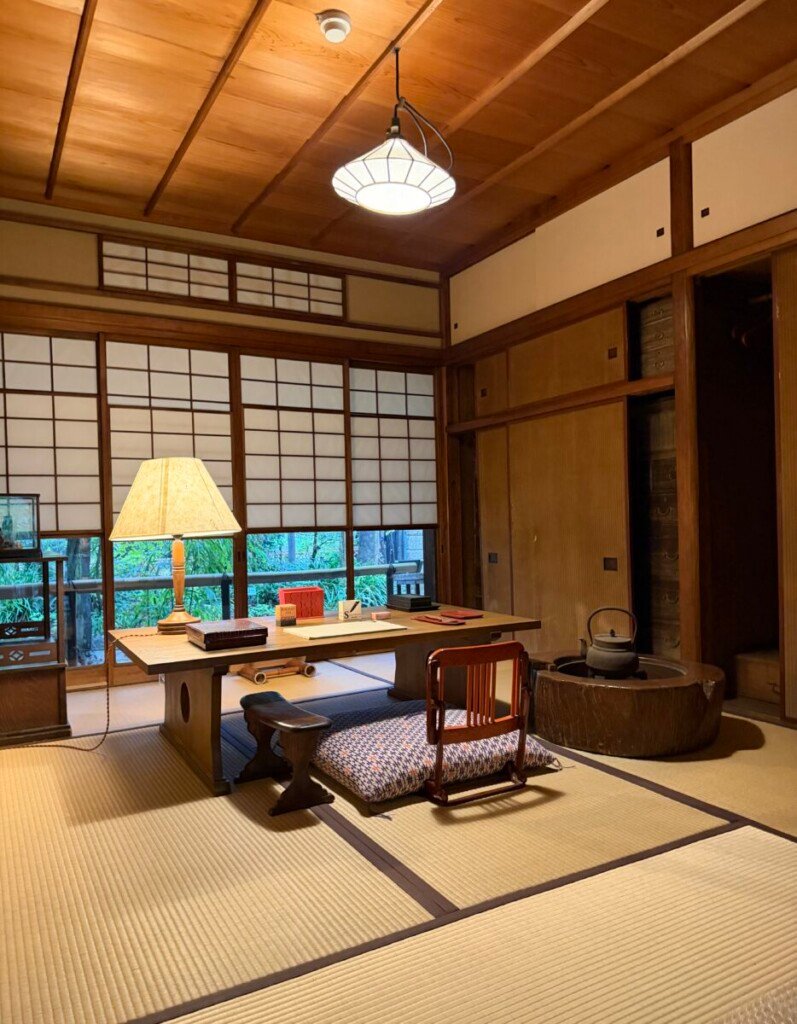
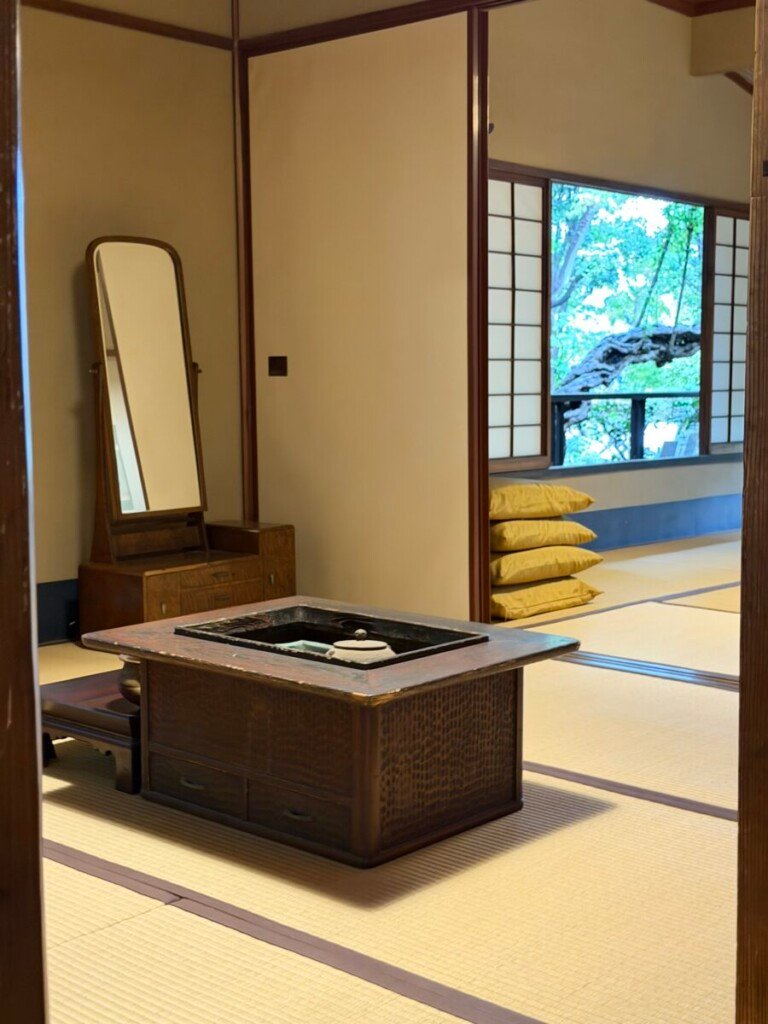
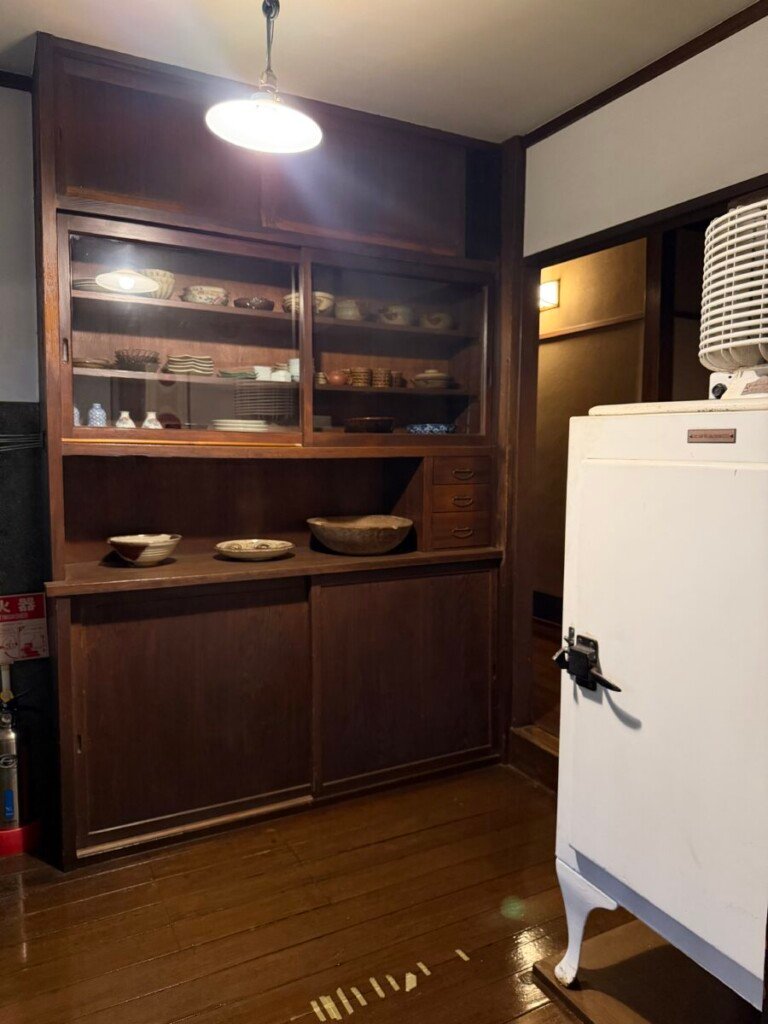
She refused to spend lavishly on a formal parlour, preferring to invest in the rooms her family used every day. Editors collecting manuscripts waited in a small reception room; beyond it, the family gathered around a heated kotatsu. Hayashi took particular pride in her kitchen’s polished artificial-stone sink and floor, where she prepared snacks such as pickles between writing sessions.
The bedroom originally intended as her study proved too bright. She moved instead into a former storeroom, writing beside half-closed shōji overlooking a small northern garden.
Gotoh Museum – Kaminoge
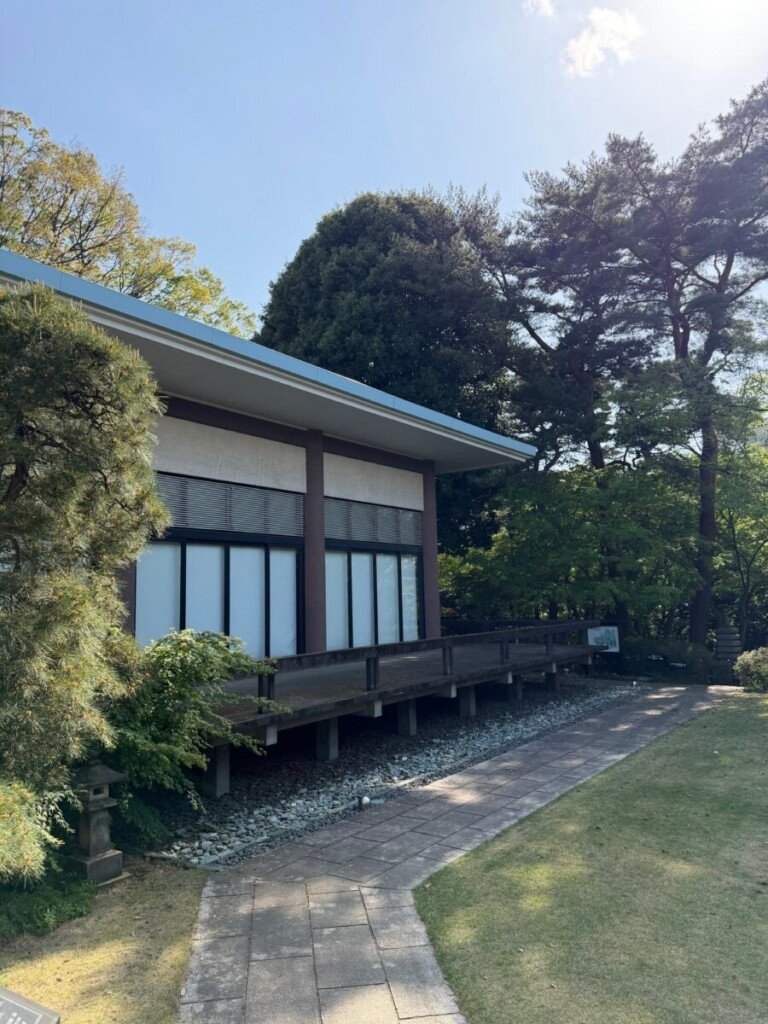
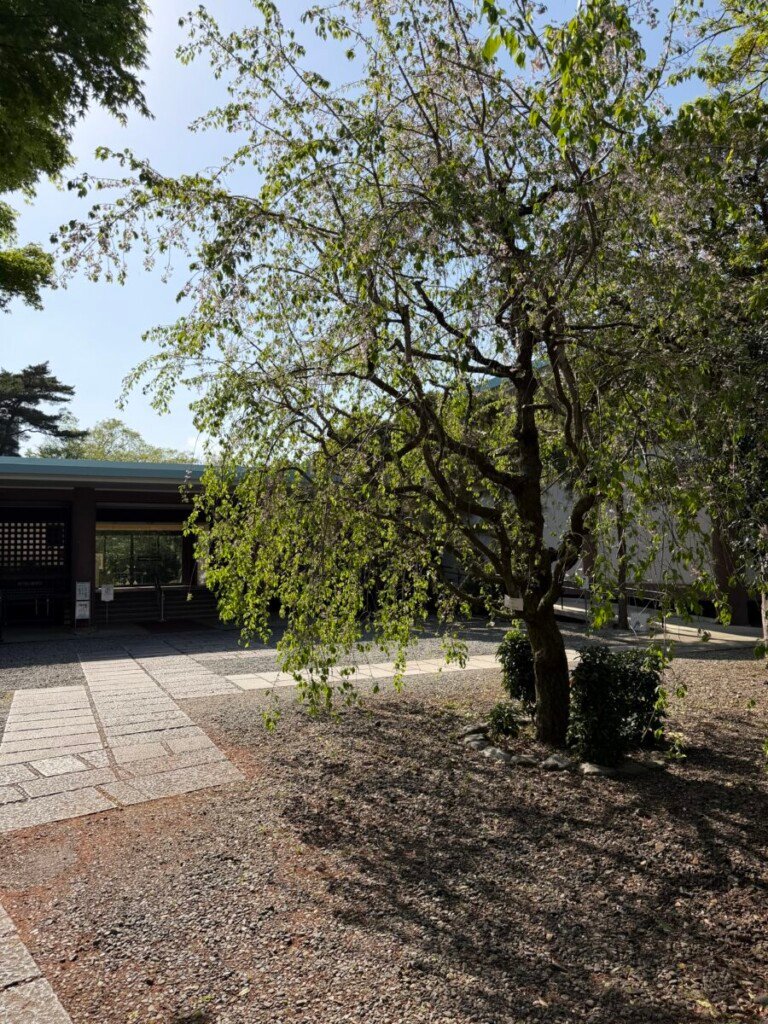
Like Nezu, Keita Gotō made his fortune in railways and became an important collector of Japanese and East Asian art. His museum in the residential district of Kaminoge remains considerably less familiar to international visitors.
Gotō began collecting Buddhist sutras before expanding his interests to painting, calligraphy and tea utensils. The museum now holds more than 5,000 objects, including the celebrated illustrated handscrolls of The Tale of Genji, which are displayed only during limited exhibition periods.
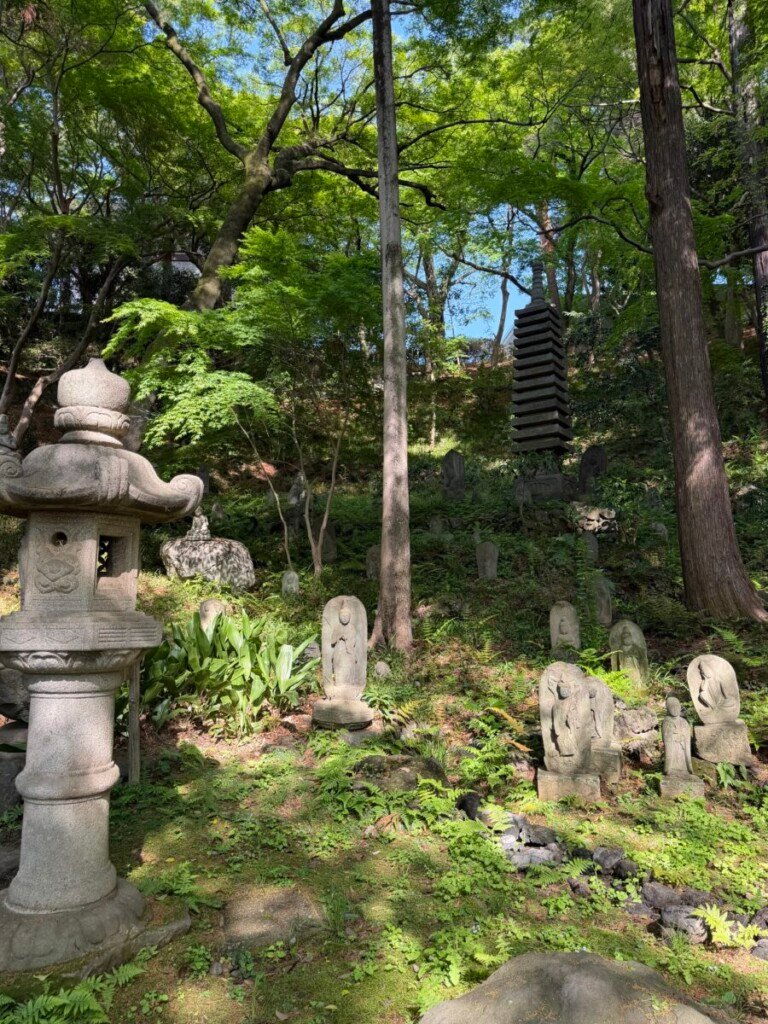
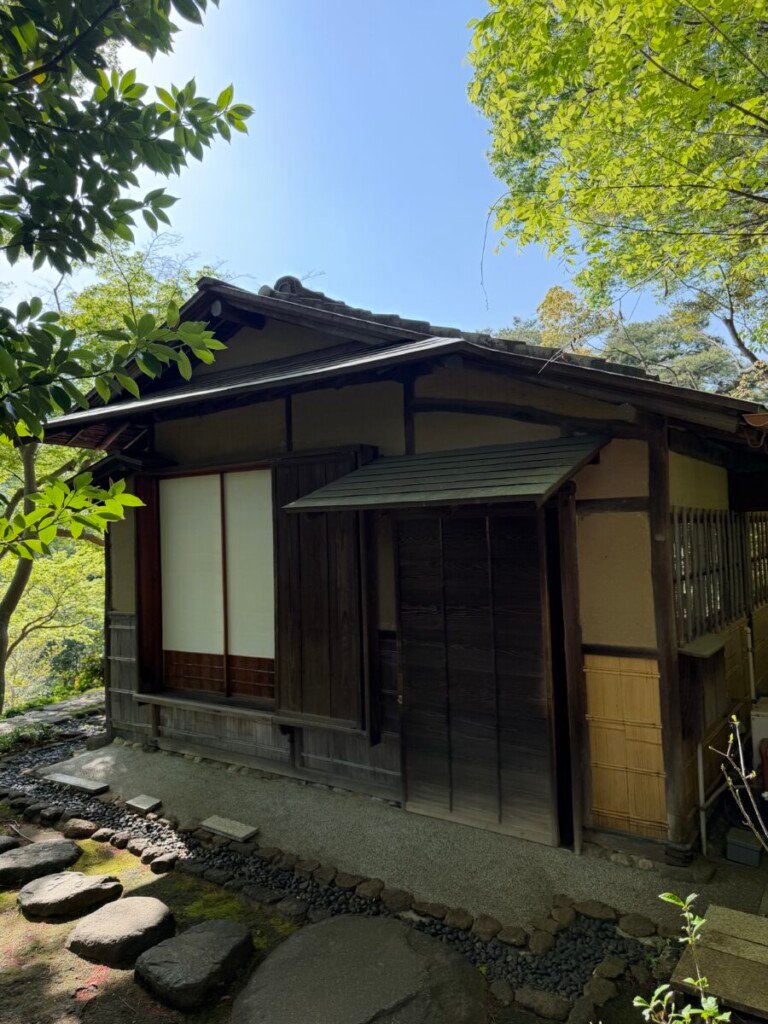
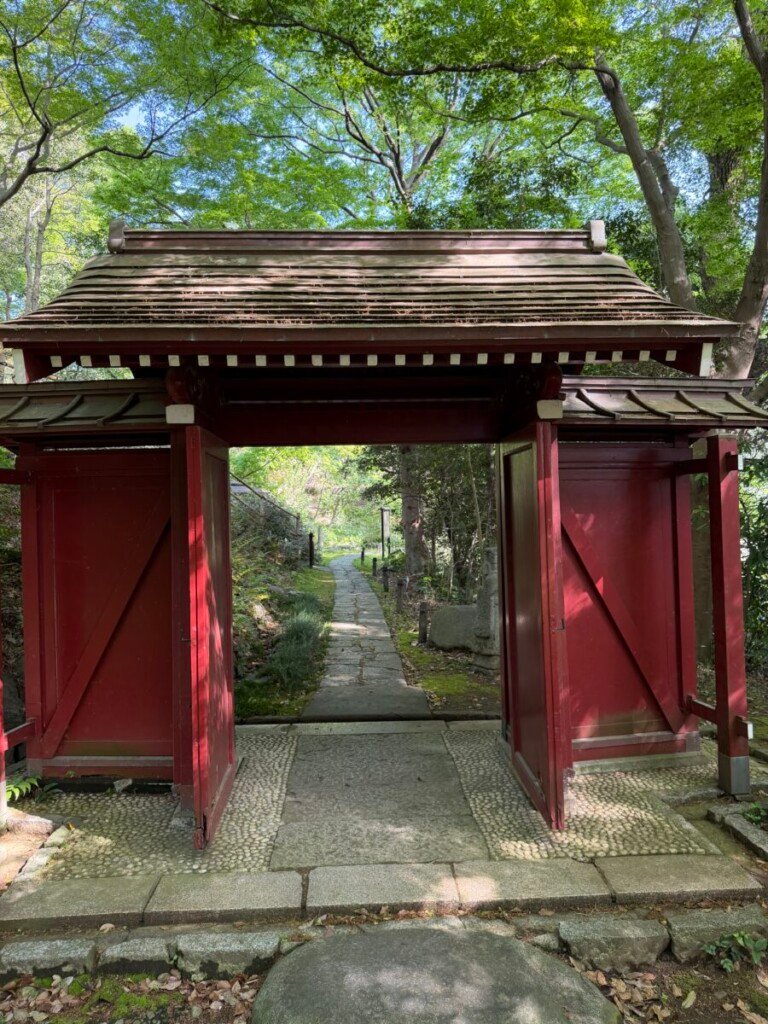
Outside, wooded paths descend towards the Tama River, passing stone Buddhist figures acquired by Gotō through railway projects in Izu and Nagano. The garden also contains two tea houses, one constructed using old timber at Gotō’s request.
More places to eat in Tokyo
Discover sushi counters, ramen shops and neighbourhood favourites selected by Aiste in our Tokyo Dining Guide, with reservation advice and regular updates.
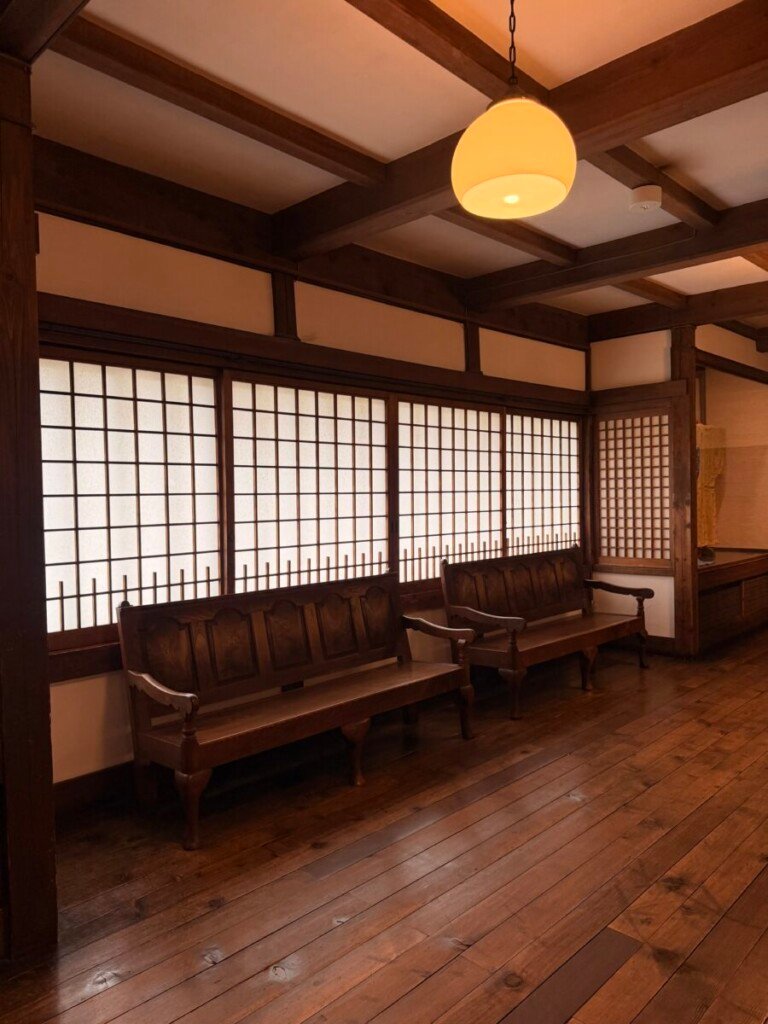
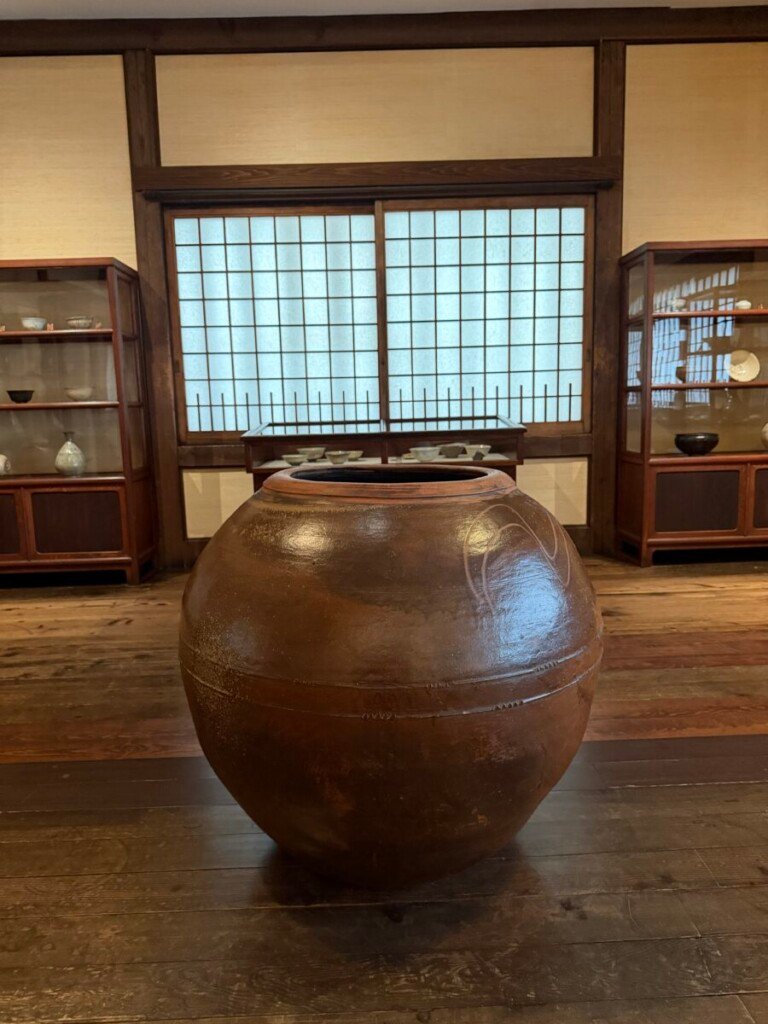
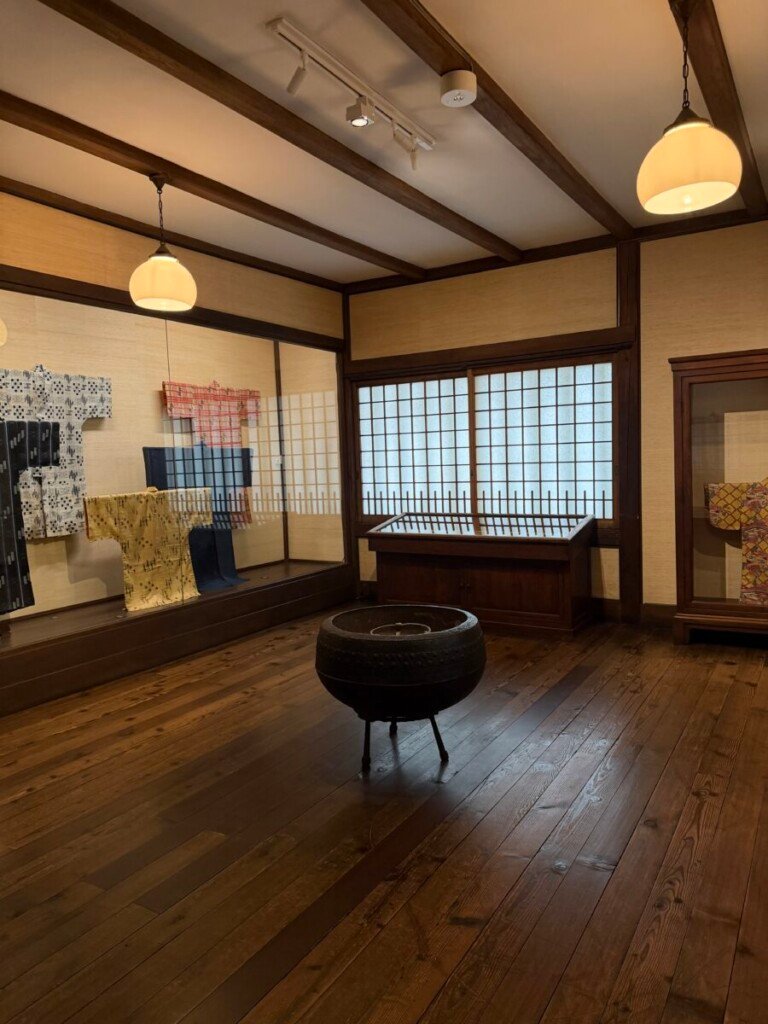
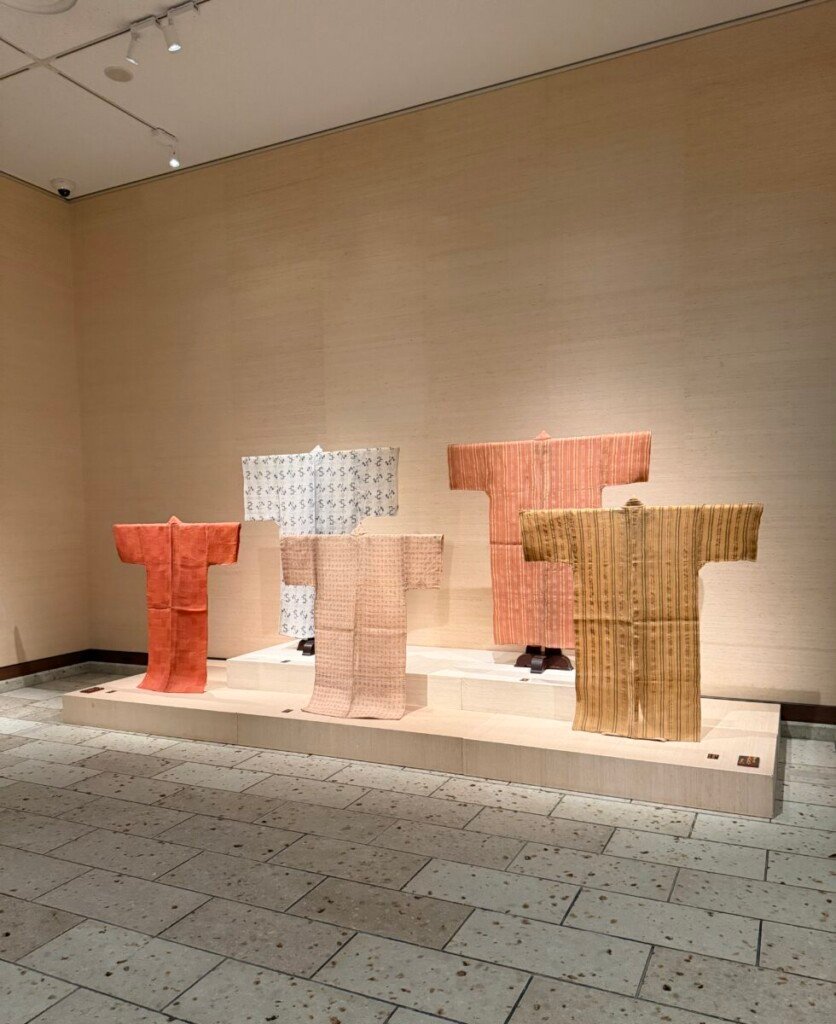
Japan Folk Crafts Museum & Former Yanagi Sōetsu Residence
Yanagi Sōetsu believed that beauty could be found in objects made for everyday use, particularly those created by anonymous craftspeople.
Together with figures including Hamada Shōji and Kawai Kanjirō, he developed the mingei movement, which celebrated traditional craftsmanship and the aesthetic value of ordinary objects. He founded the Japan Folk Crafts Museum in 1936; across the road stands the home he completed a year later.
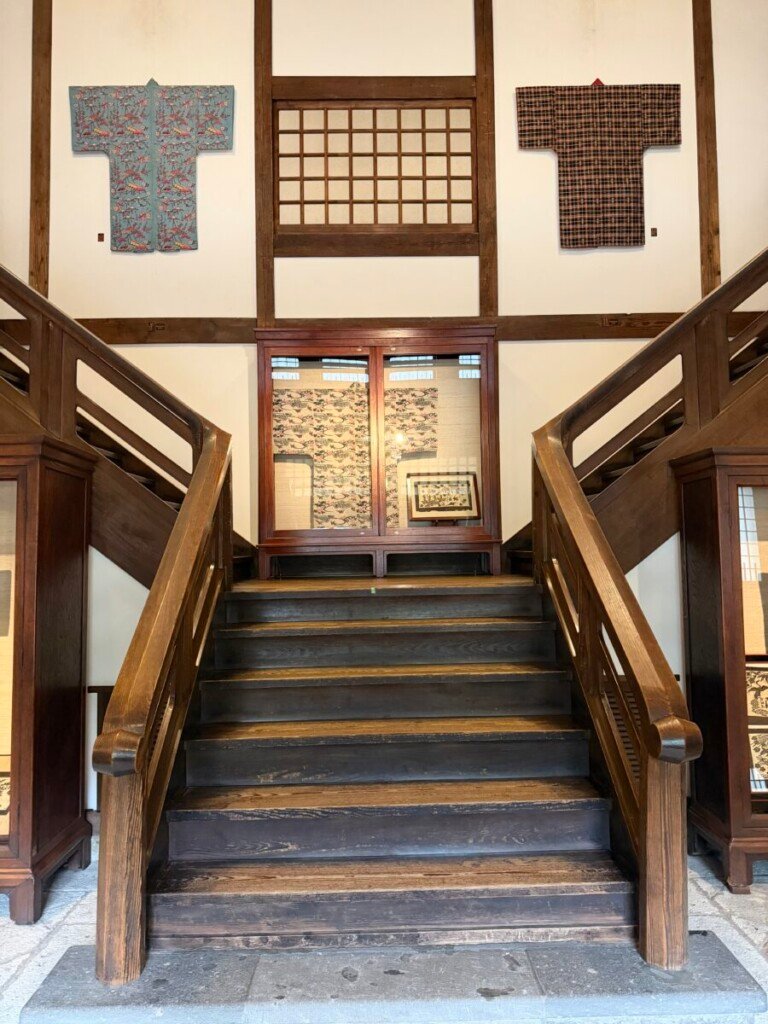
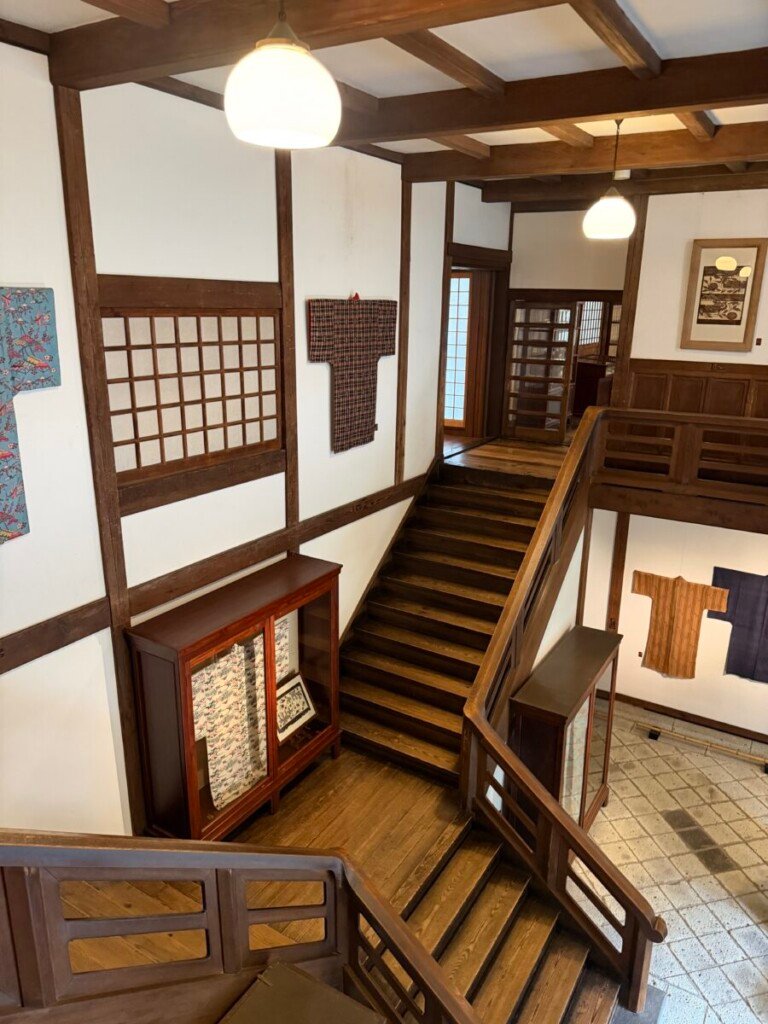
In its dining room, a Western gateleg table and ladder-back chairs stand beside a raised tatami area. The family ate from tableware selected by Yanagi, surrounded by paintings and craft objects. A stone-roofed entrance gate was brought from Tochigi Prefecture.
Upstairs, Yanagi wrote at a desk made by woodworker Tatsuaki Kuroda, surrounded by books and weaving implements.
The former residence is accessible only on designated opening days, separately from the museum’s regular exhibitions.
Former Kusuo Yasuda House and Garden
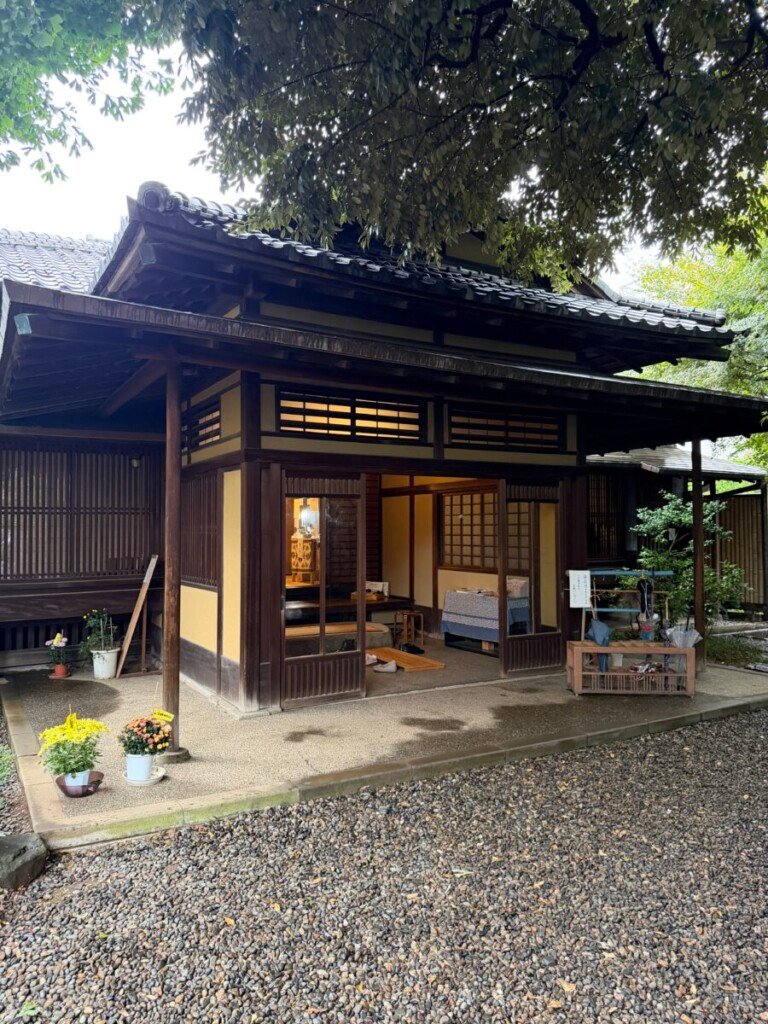
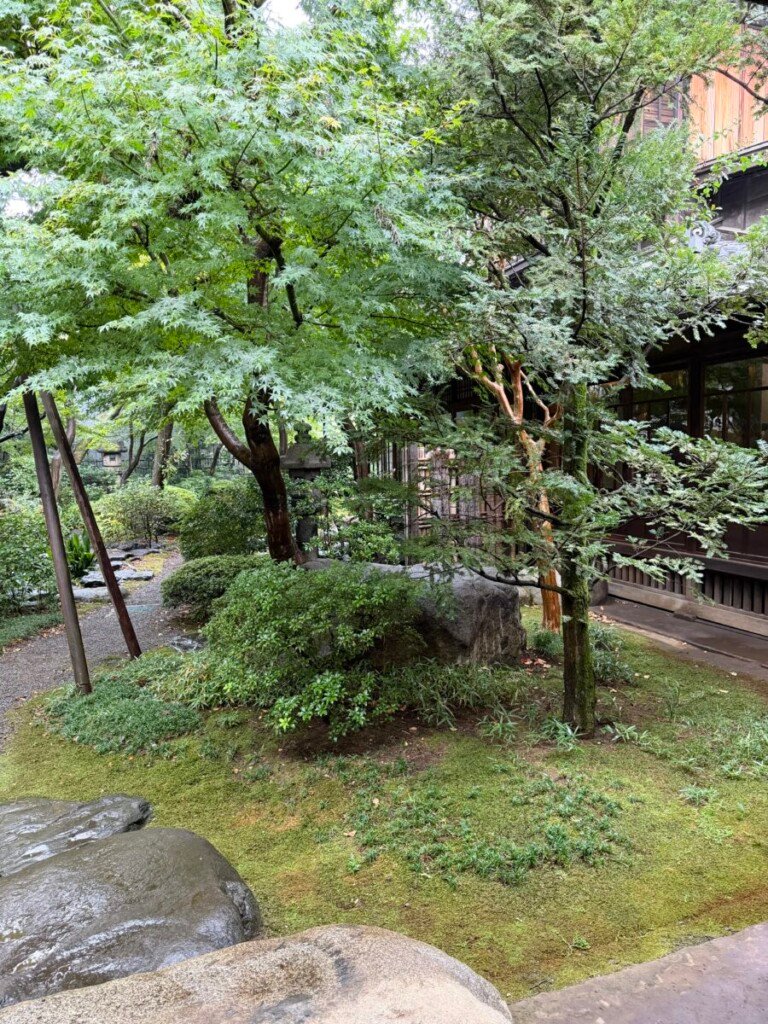
The former Kusuo Yasuda House preserves the arrangement of an affluent Tokyo family home from the early twentieth century, including many details of everyday domestic life.
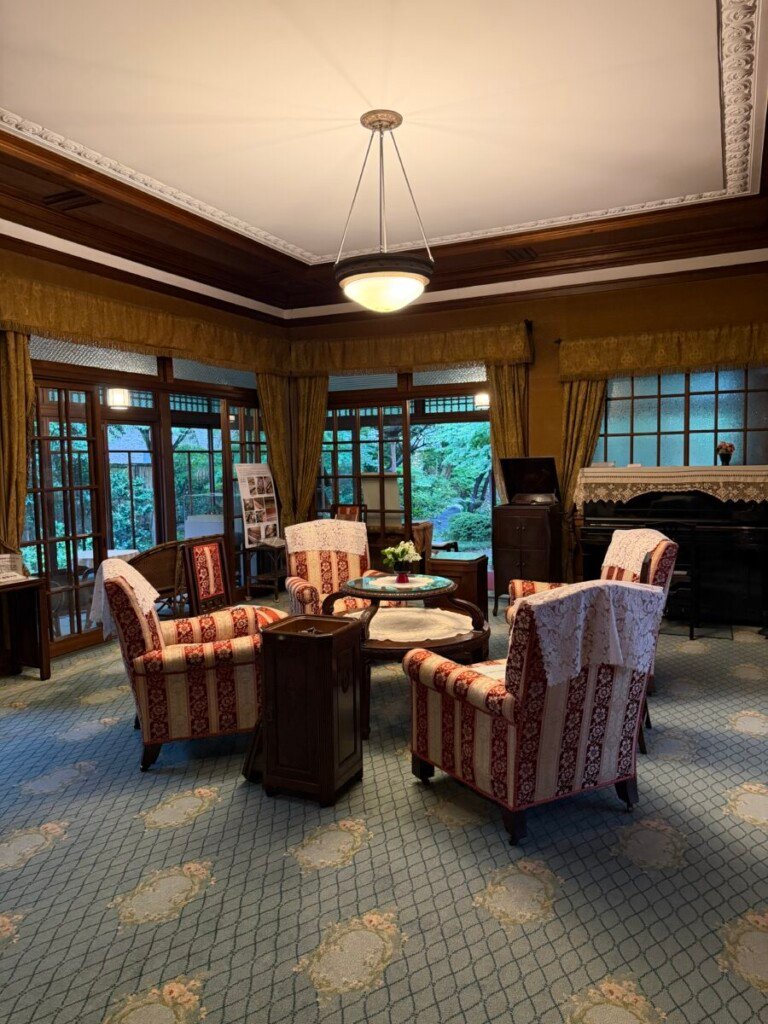
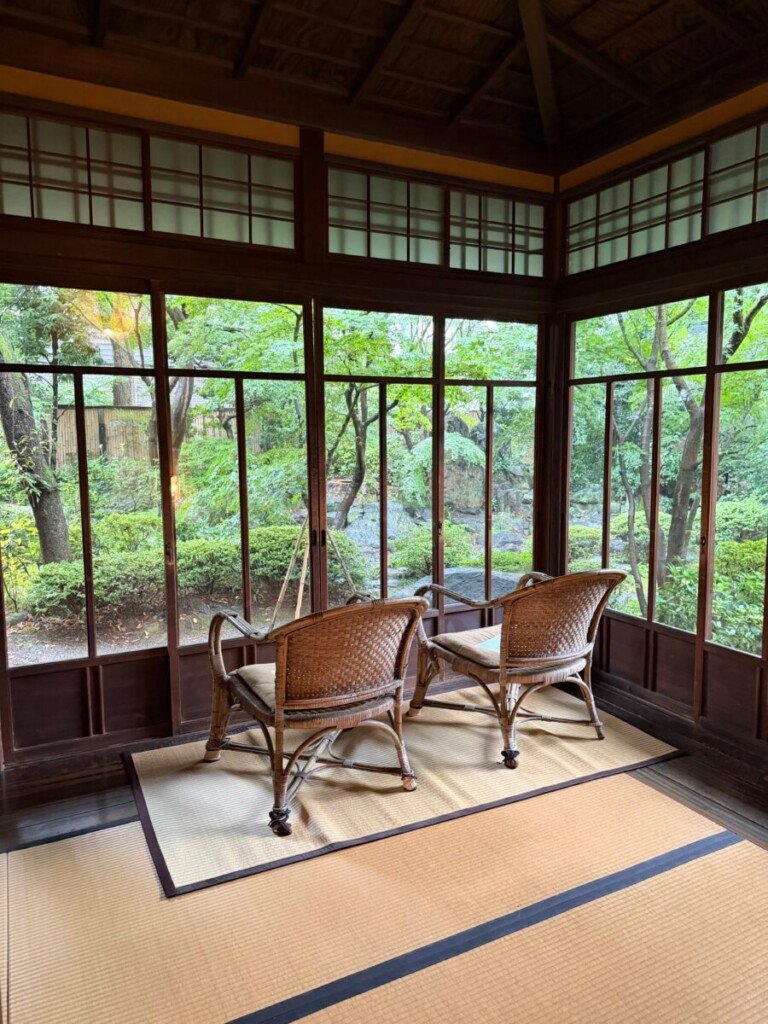
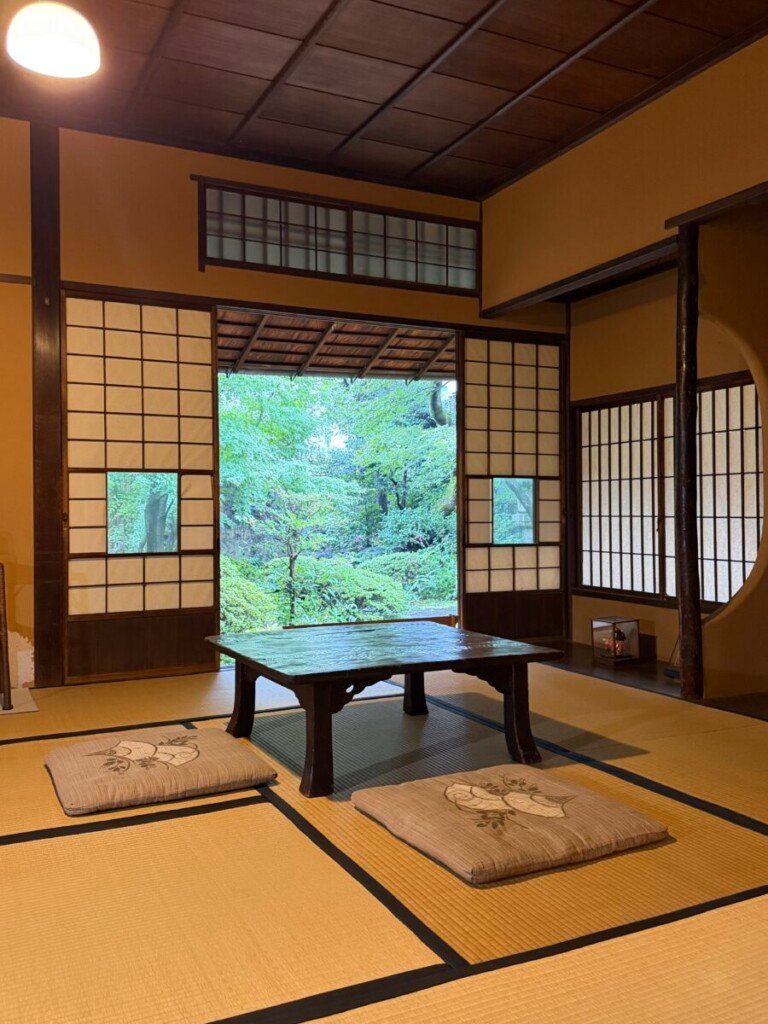
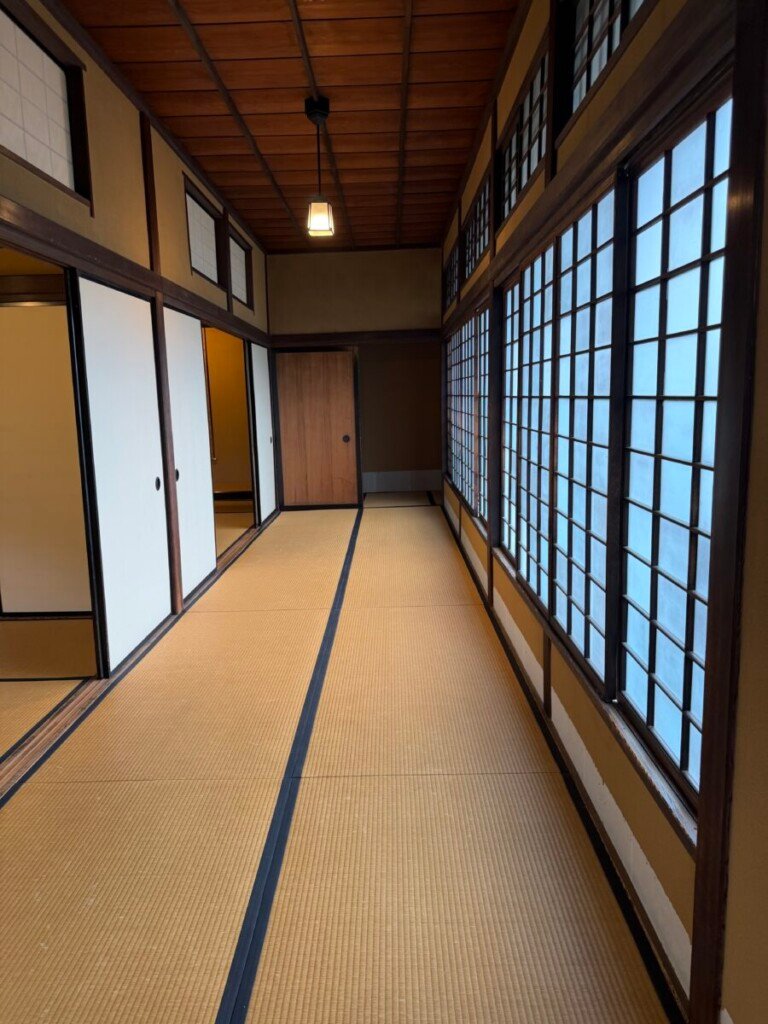
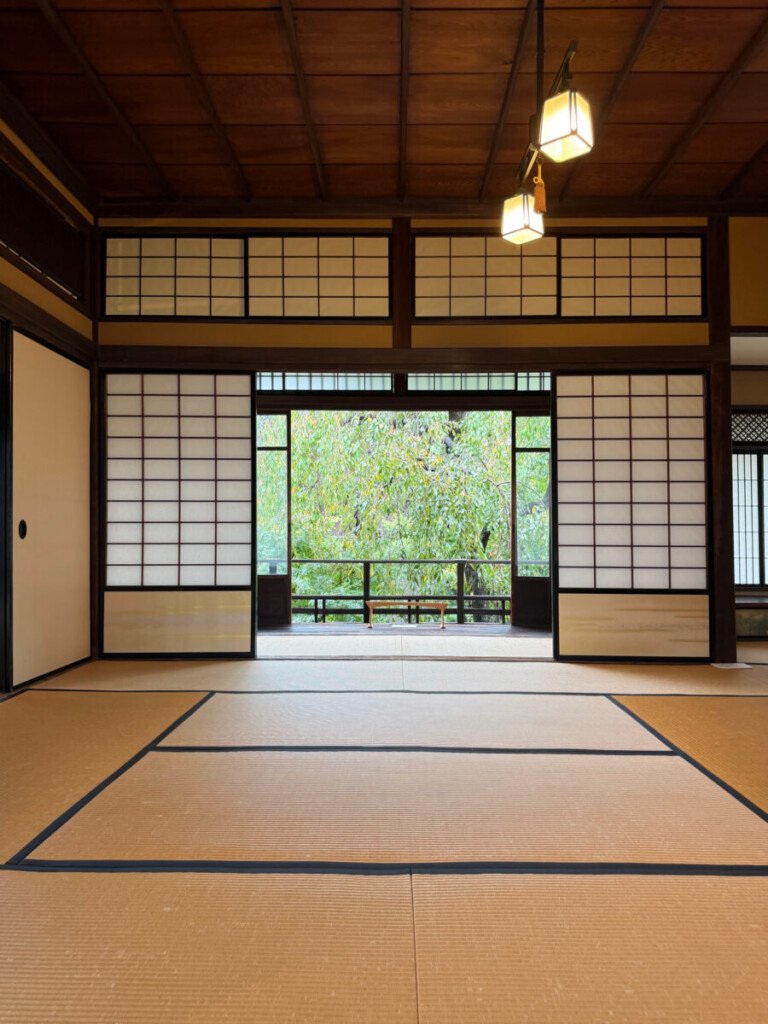
The two-storey residence combines Japanese and Western architecture, with a Western-style reception room near the entrance, formal Japanese guest rooms further inside and family living quarters towards the back.
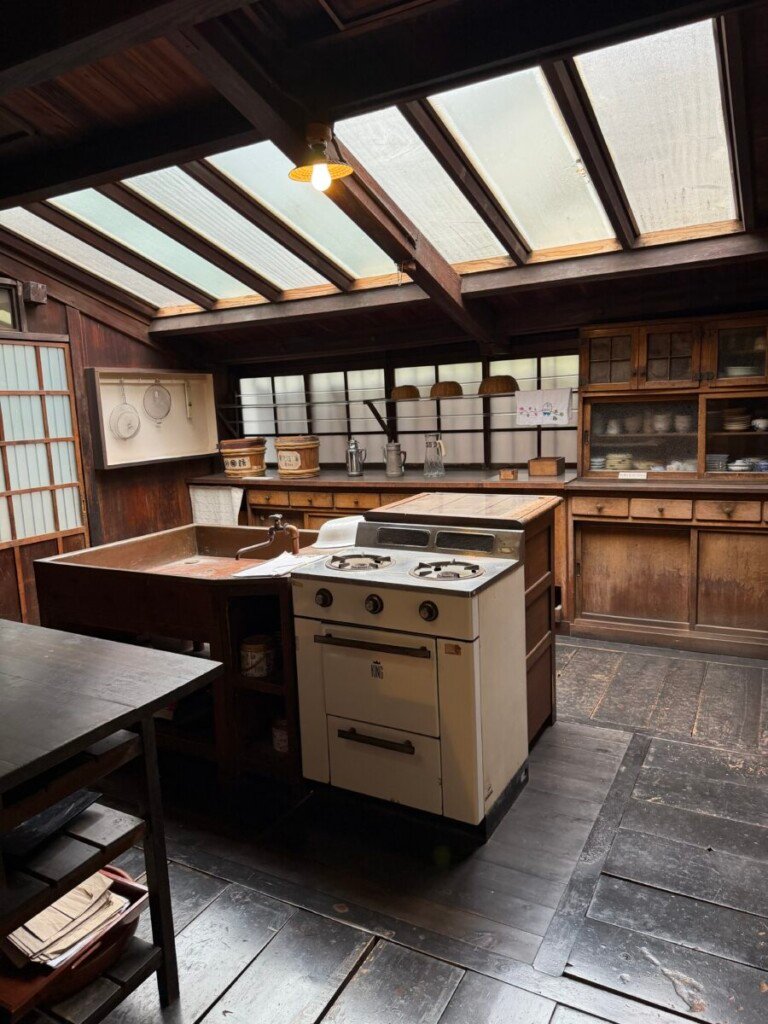
A 1920s wall telephone still hangs near the entrance. In the reception room, wooden chests conceal charcoal braziers, while sliding doors hide a small kitchenette in the family dining room. Skylights illuminate the main kitchen, with its island worktop.
Even the sliding doors carry a personal detail: gold and white wisteria motifs refer to the house’s original owner, Yoshisaburō Fujita, whose surname contains the Japanese character for wisteria.
Nezu Museum
The Nezu Museum began with the private collection of railway entrepreneur Nezu Kaichirō, an avid collector of Japanese and East Asian art and a devoted practitioner of the tea ceremony.
Today, the museum holds approximately 7,600 works, including paintings, ceramics and tea utensils, with important additions made after Nezu’s death.
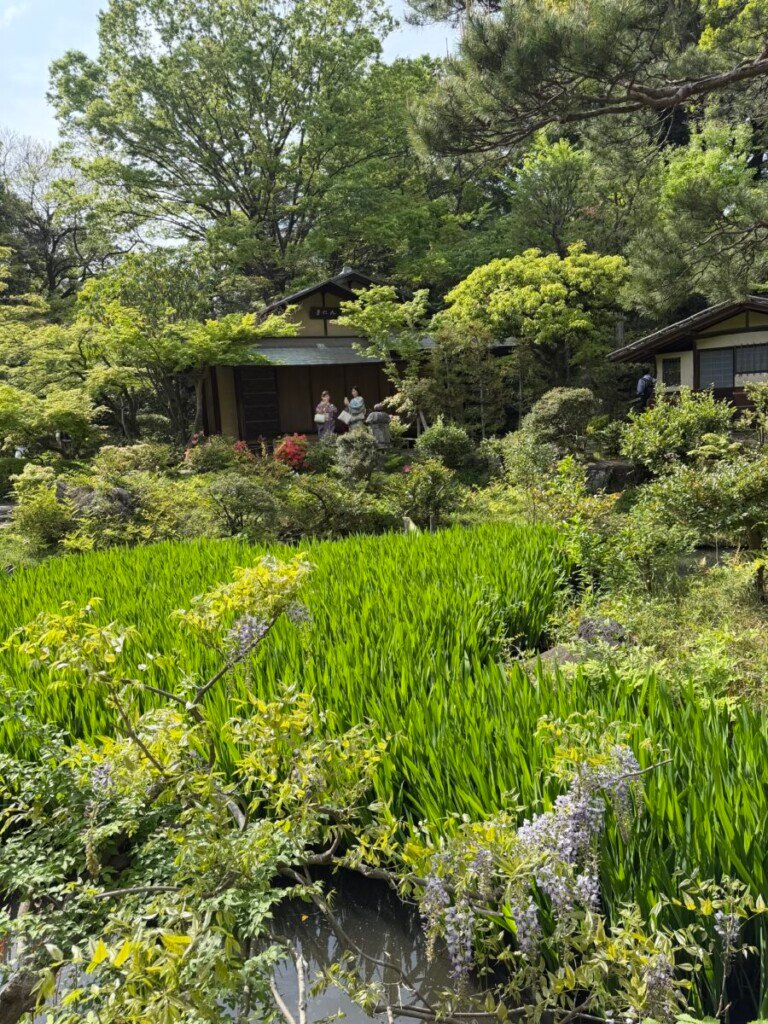
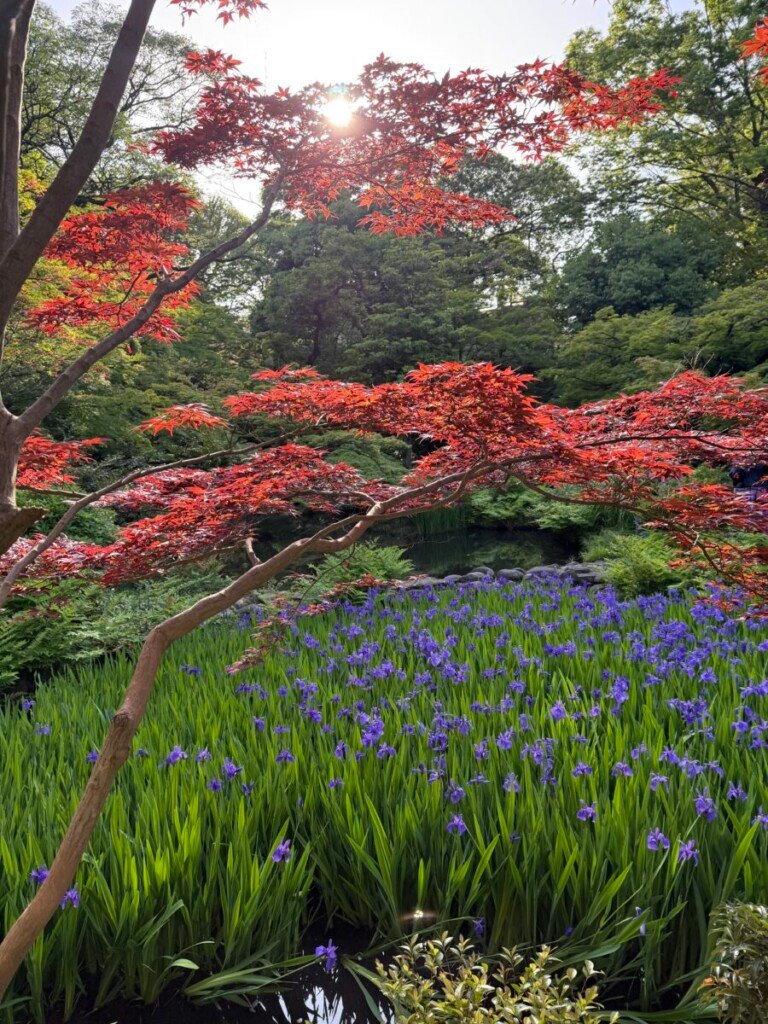
Nezu acquired the property in 1906, attracted partly by its natural hills and hollows. He developed the grounds into a garden of winding paths and tea houses, creating a setting where art, tea and landscape could be enjoyed together. After his death, his family opened the museum on the former residential site in 1941.
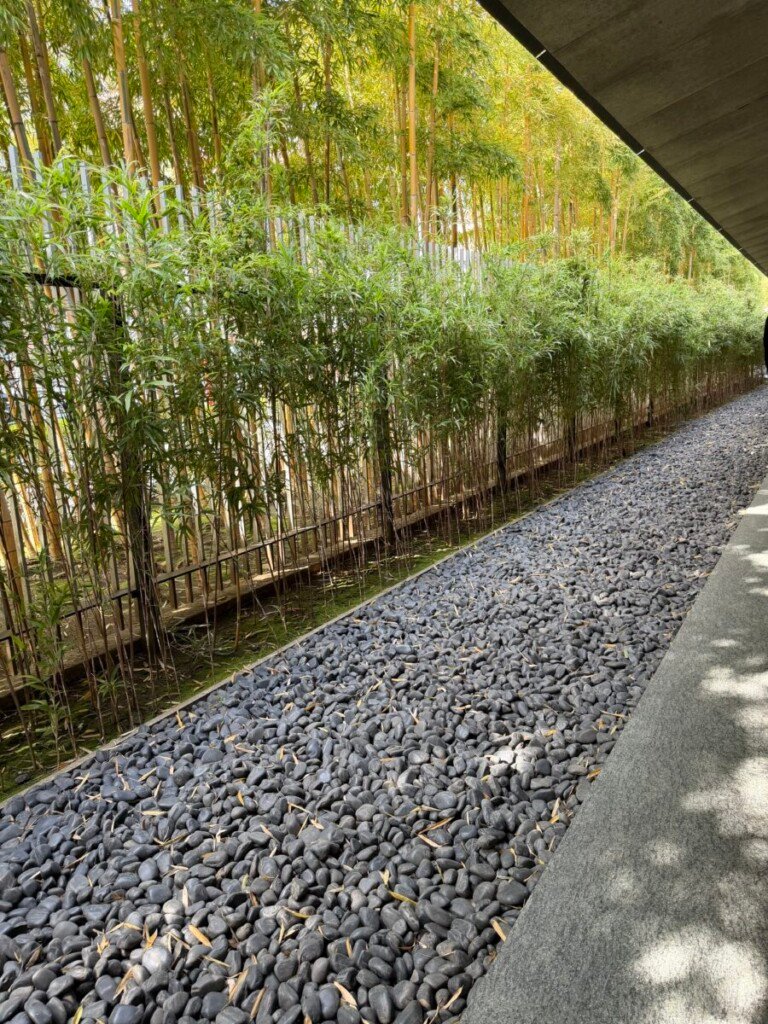
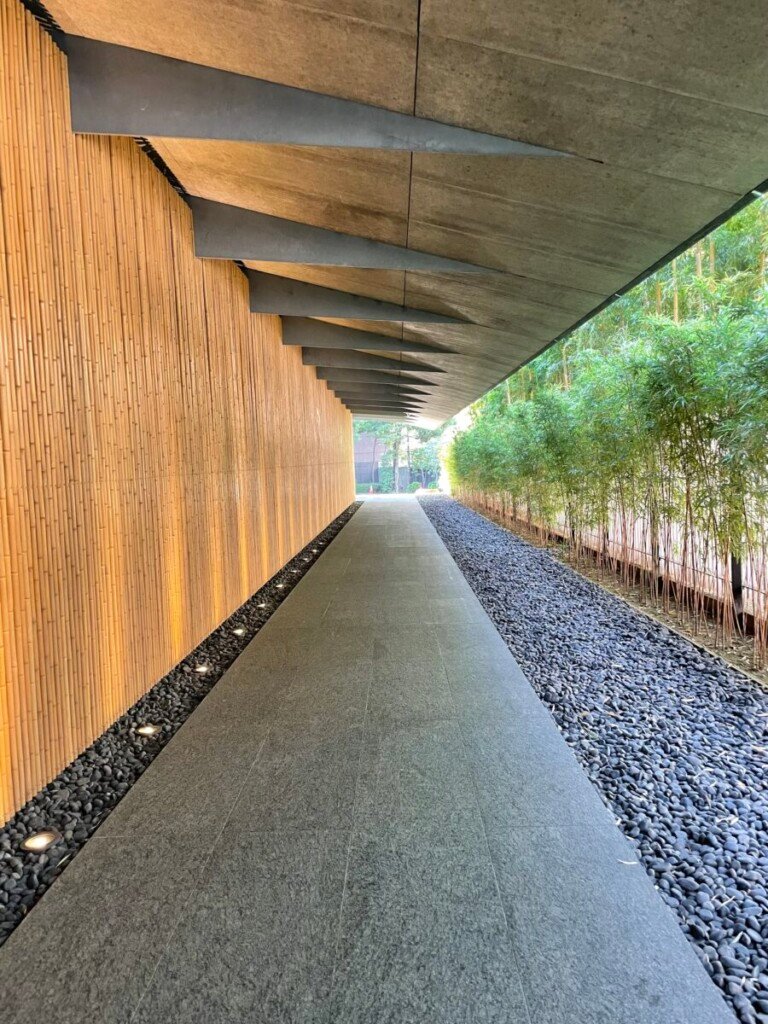
Kengo Kuma’s museum building, completed in 2009, leads visitors from the galleries into the extensive garden, which remains one of the most beautiful parts of the property.
More places to eat in Tokyo
Discover sushi counters, ramen shops and neighbourhood favourites selected by Aiste in our Tokyo Dining Guide, with reservation advice and regular updates.