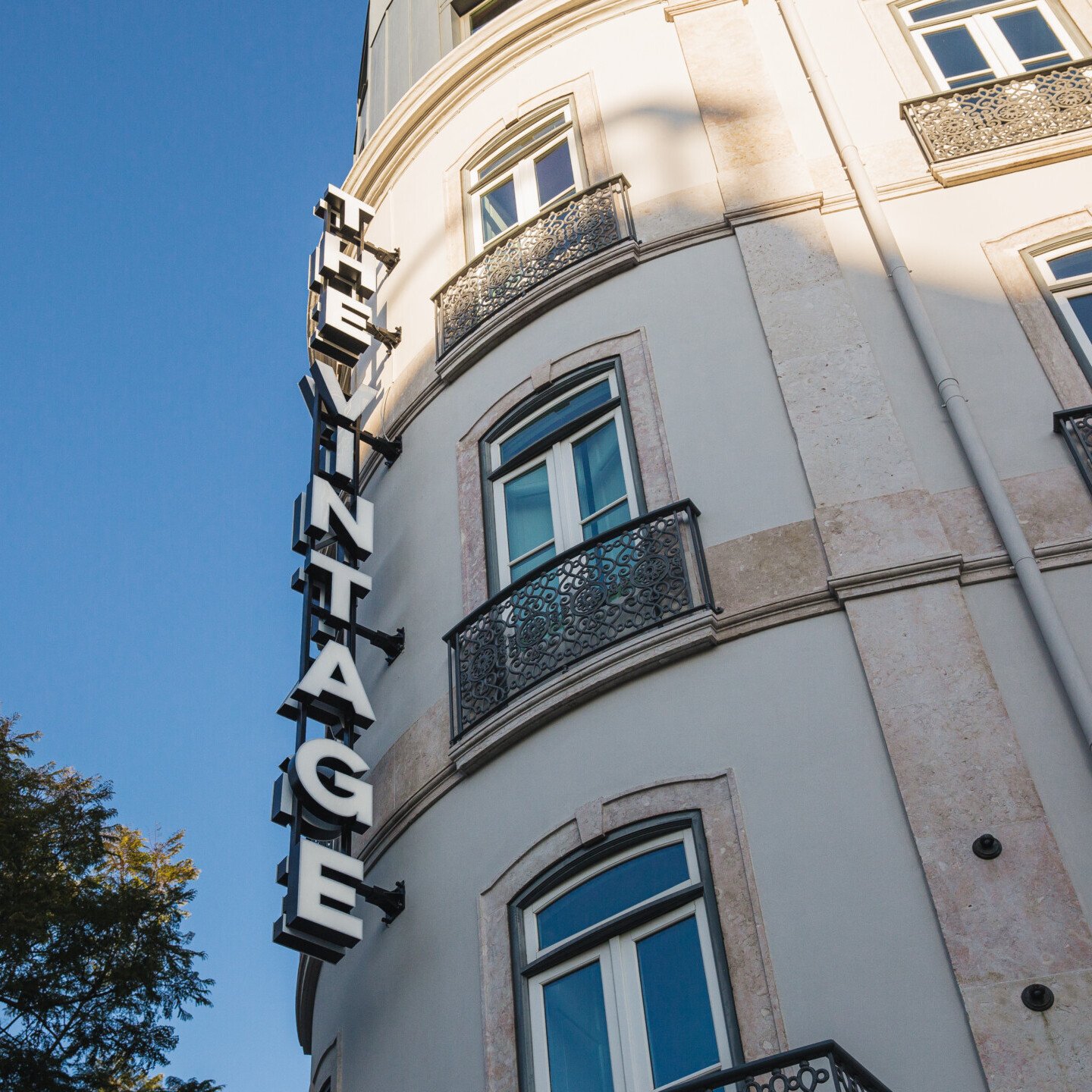
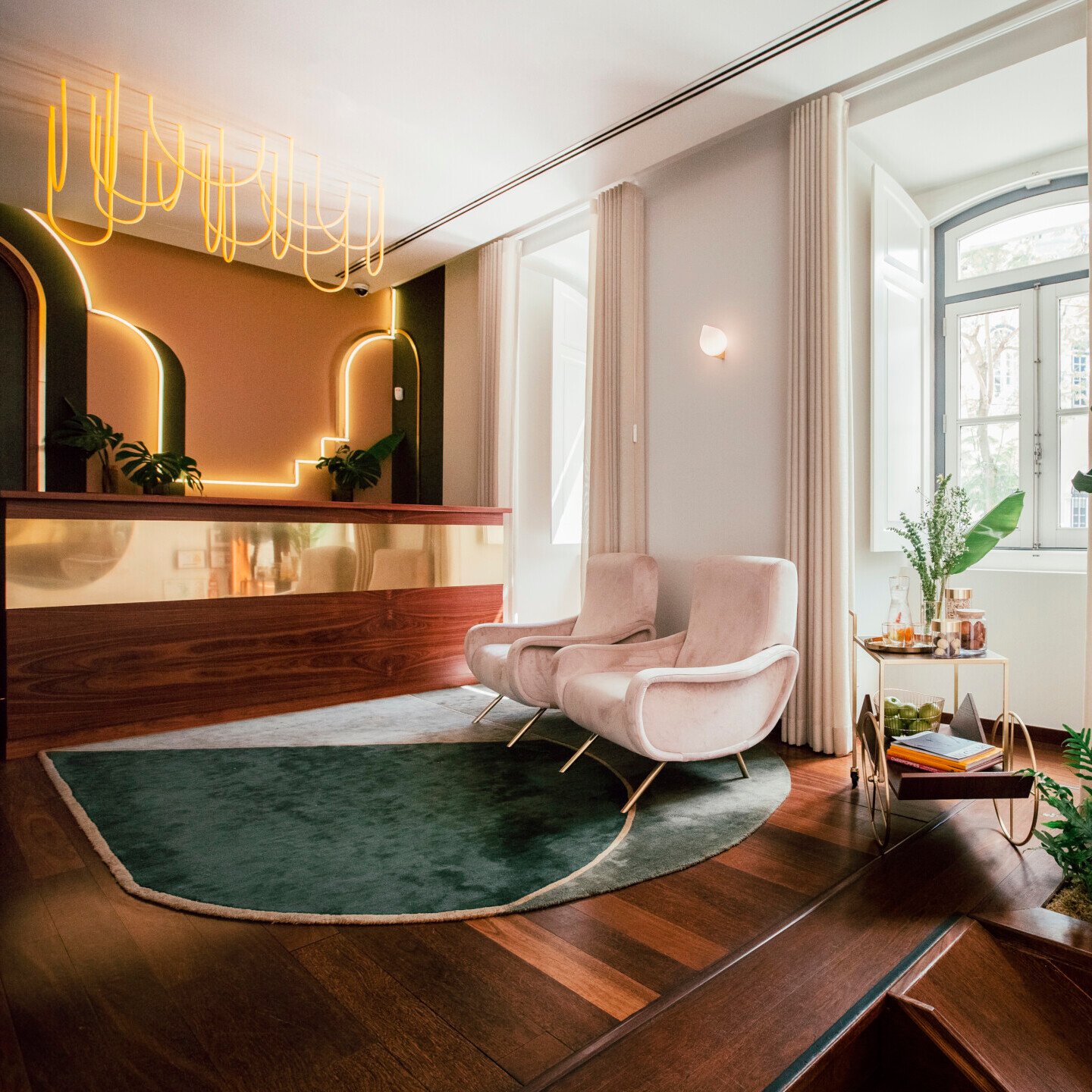
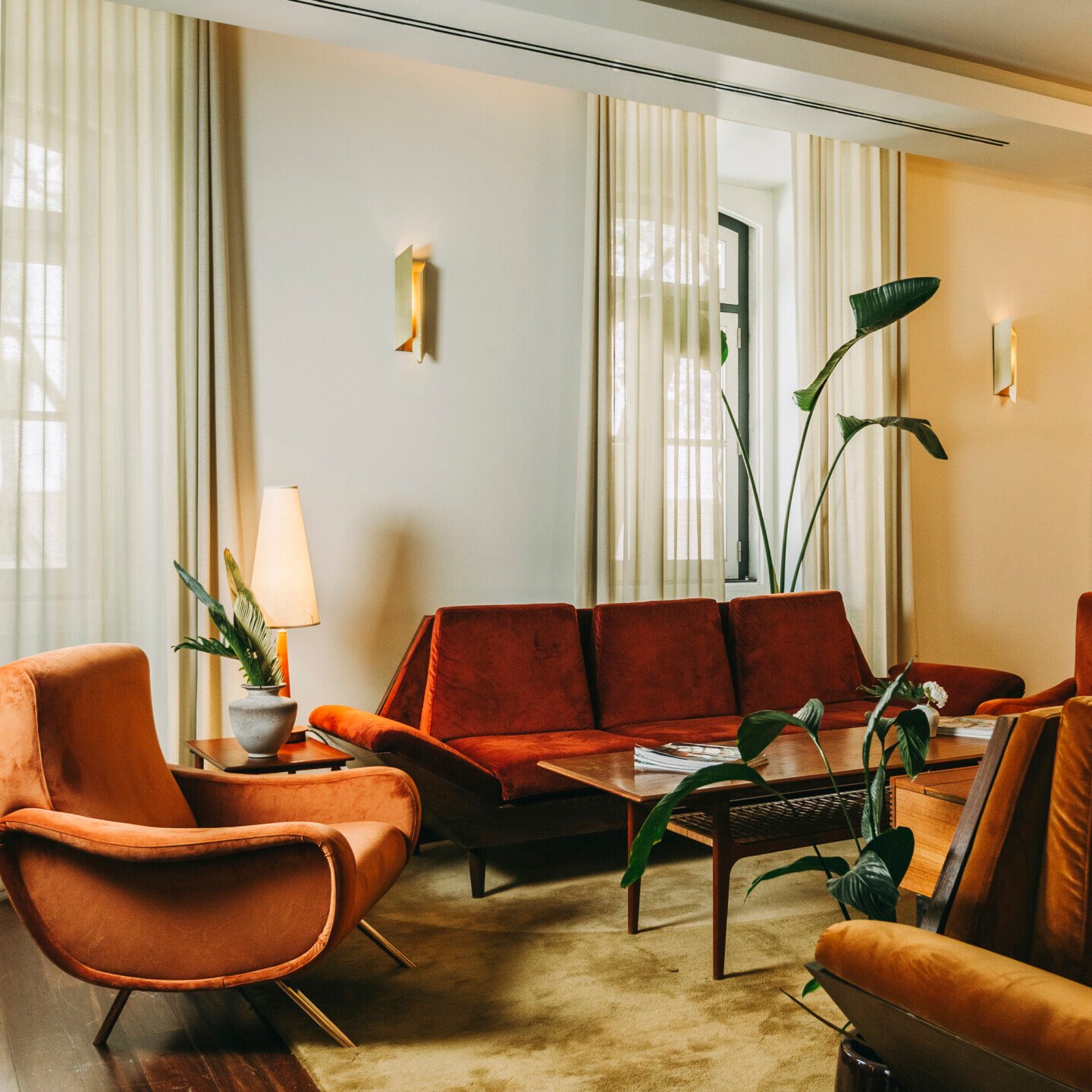
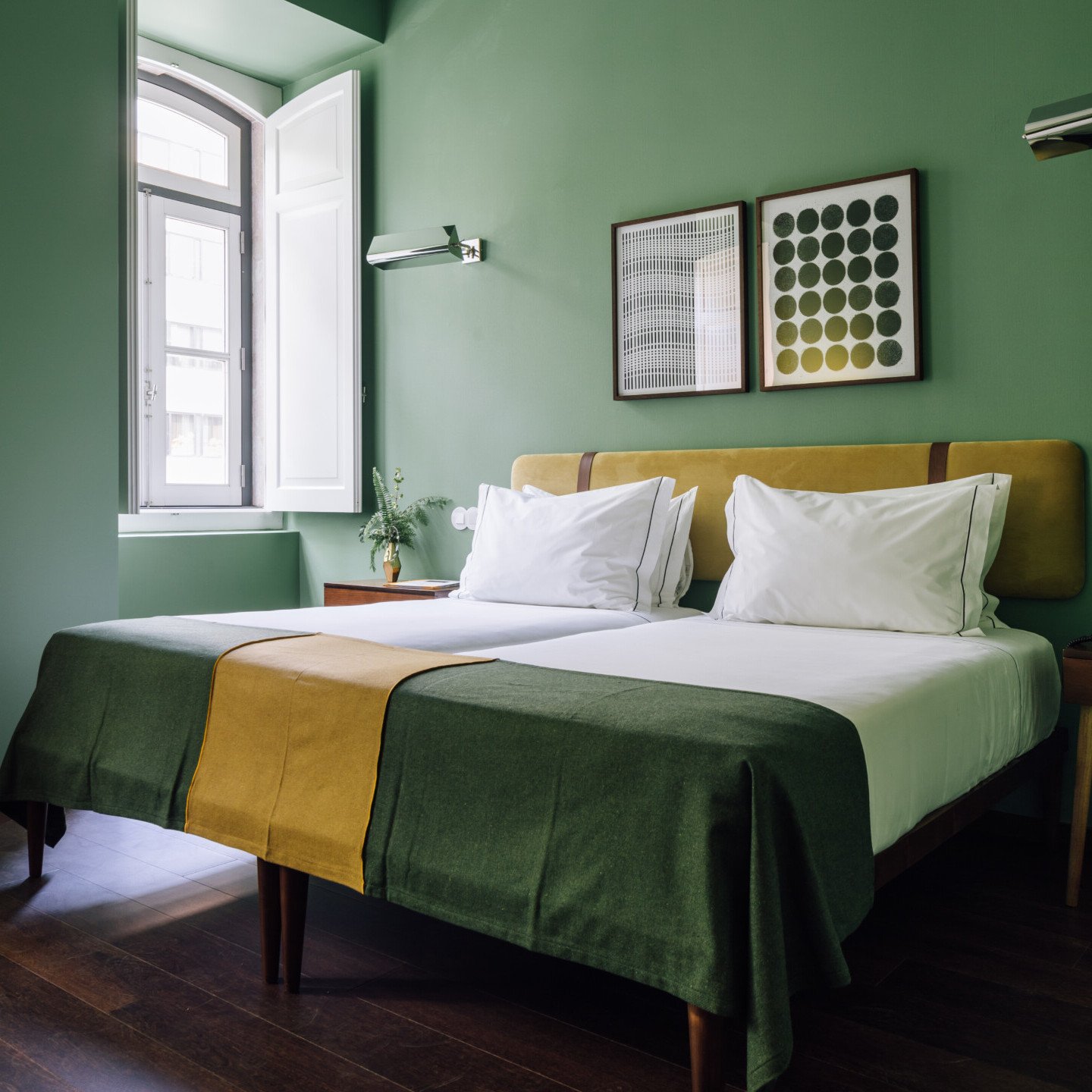
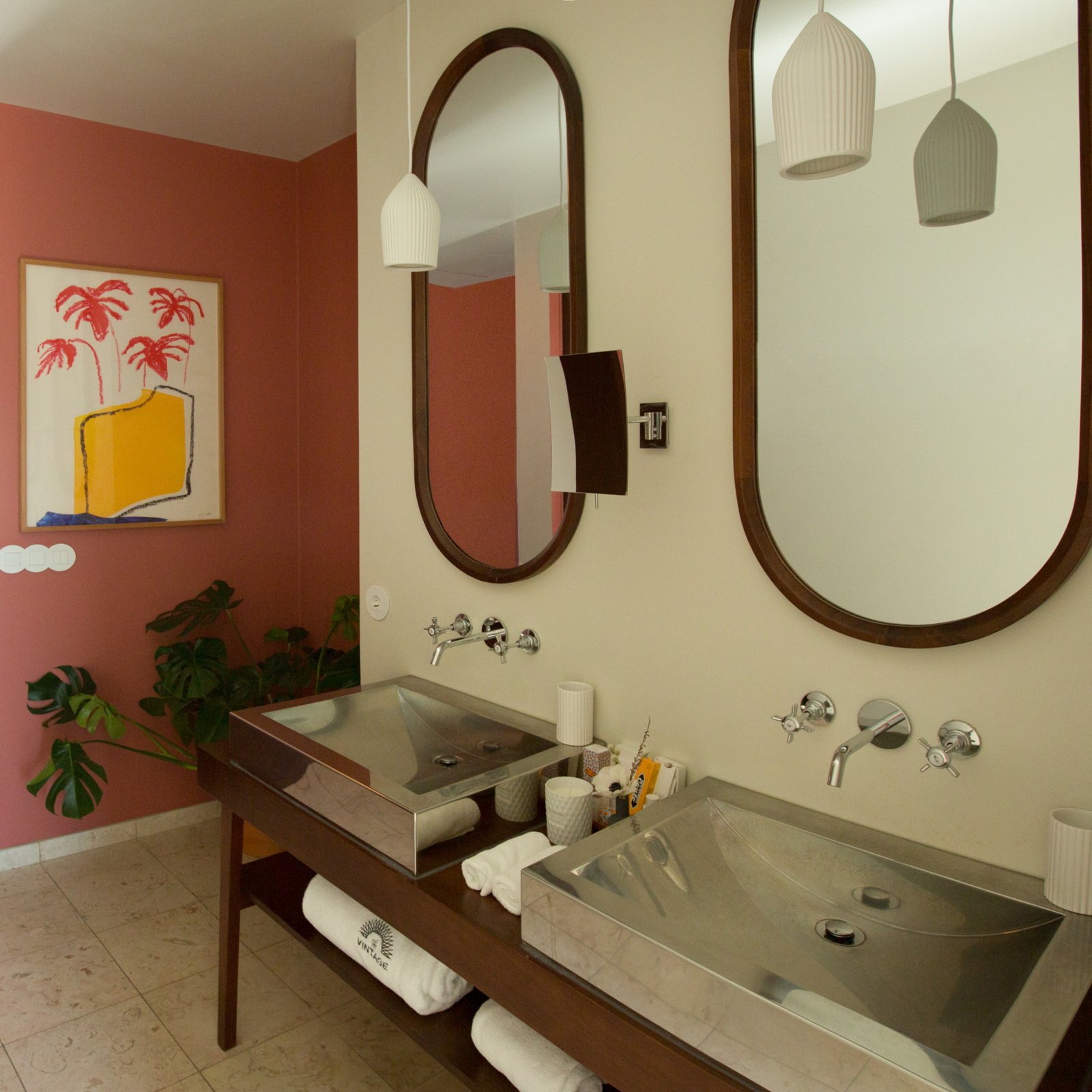
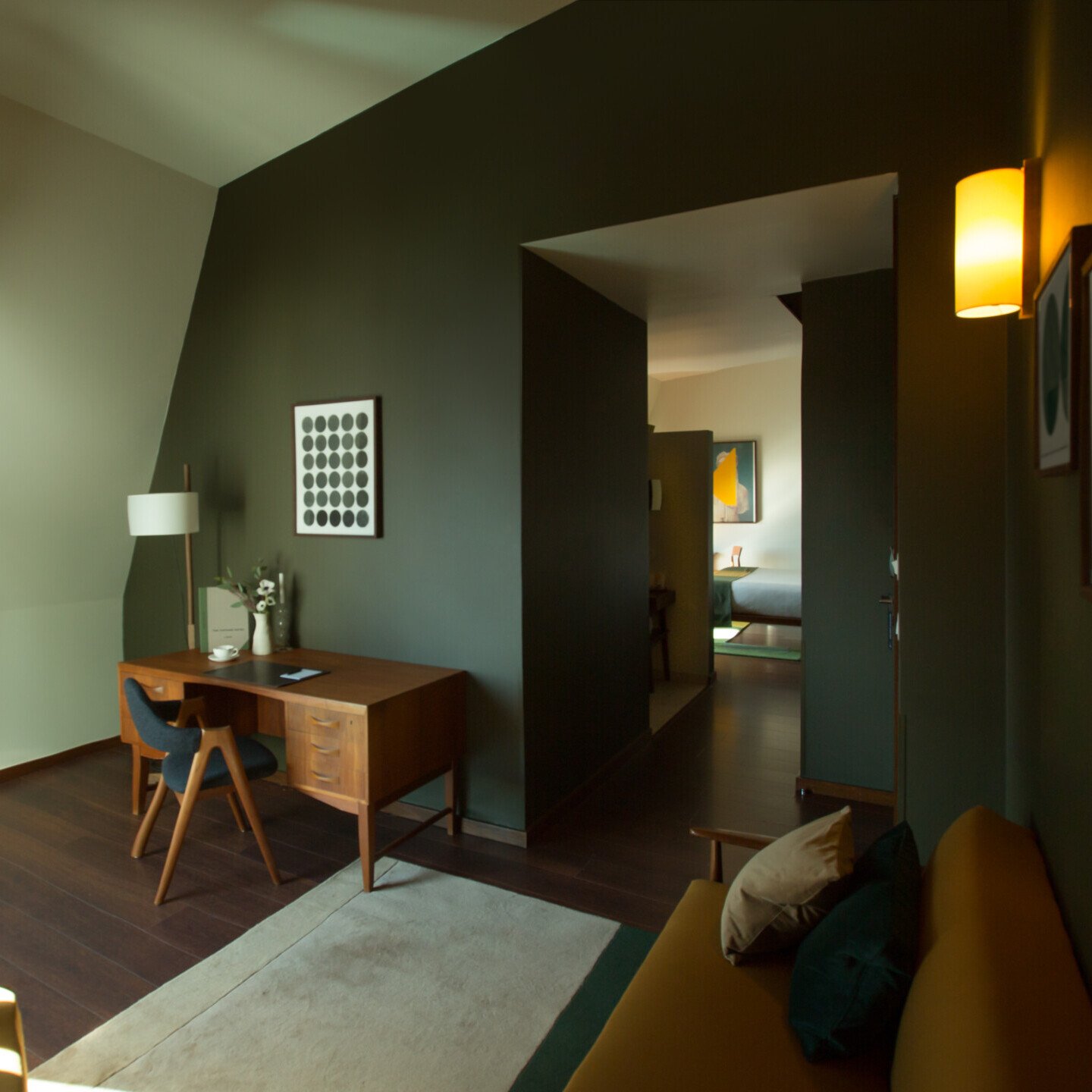
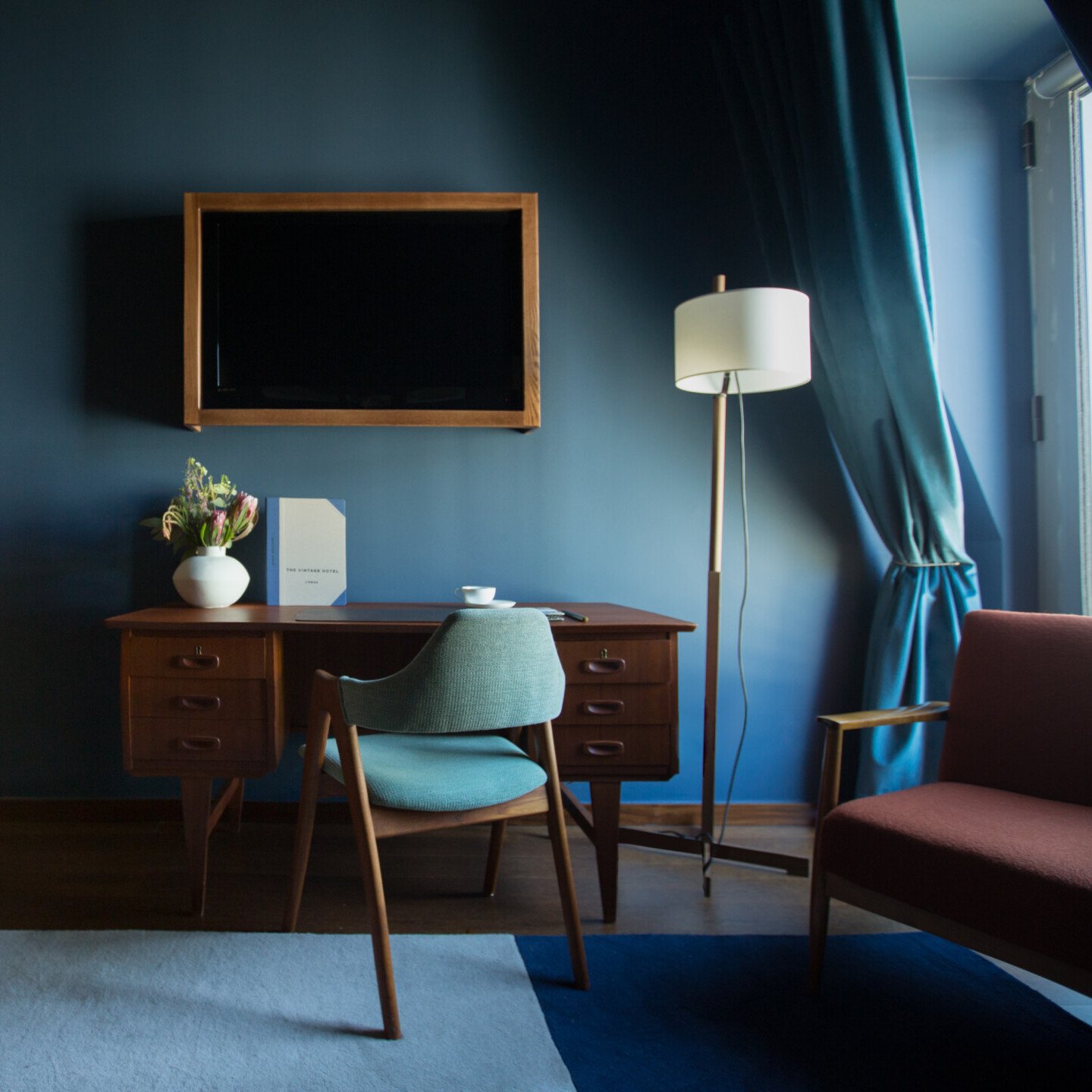
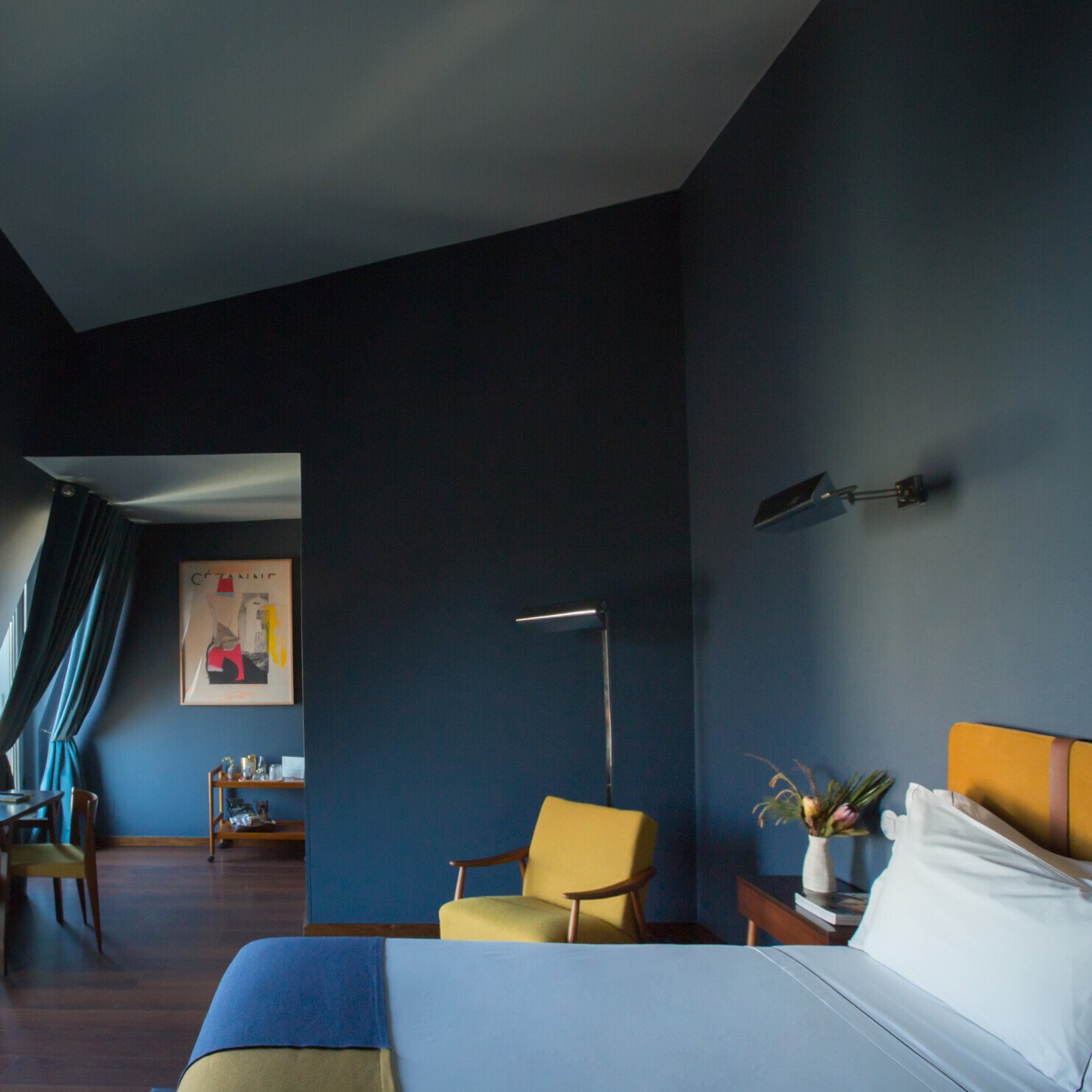
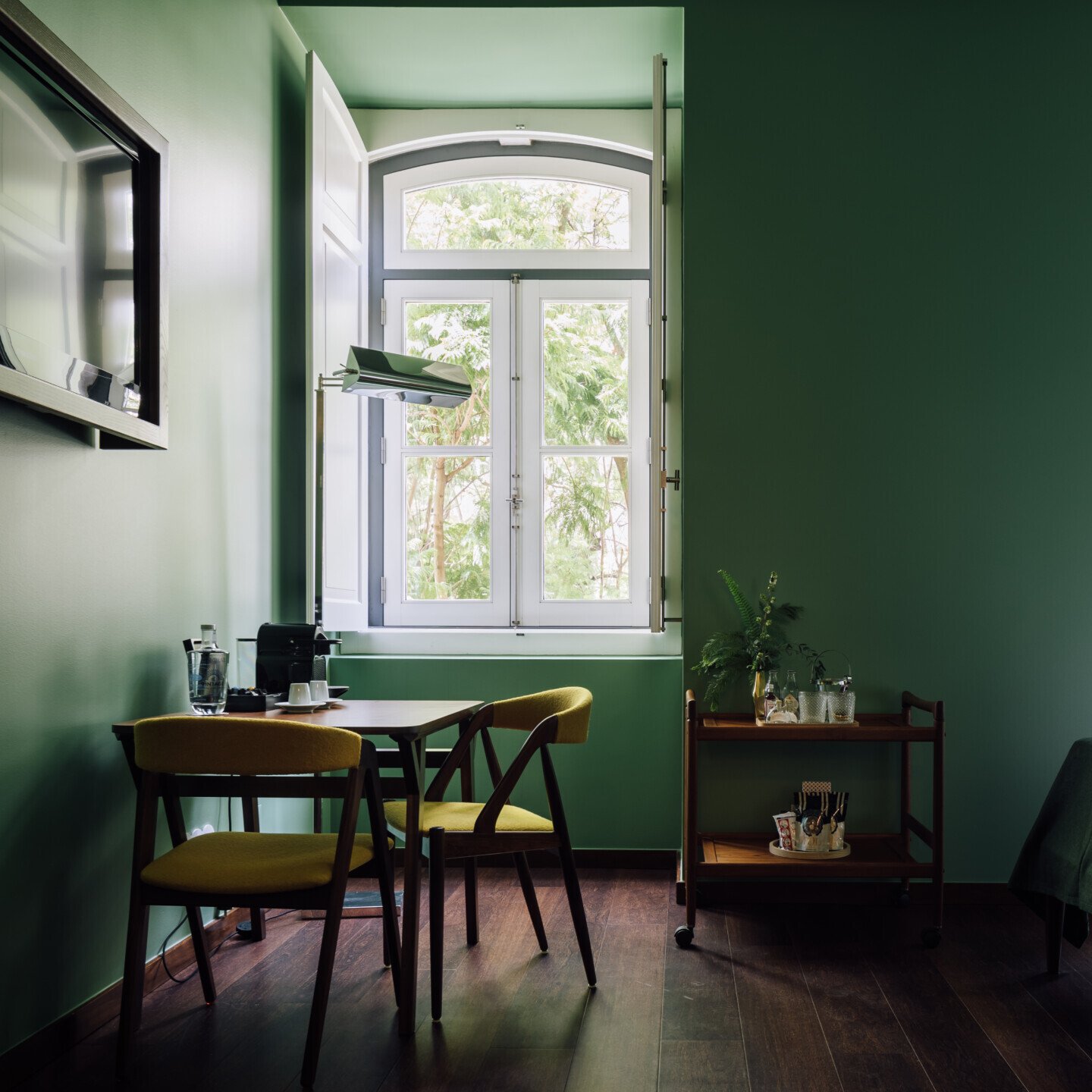
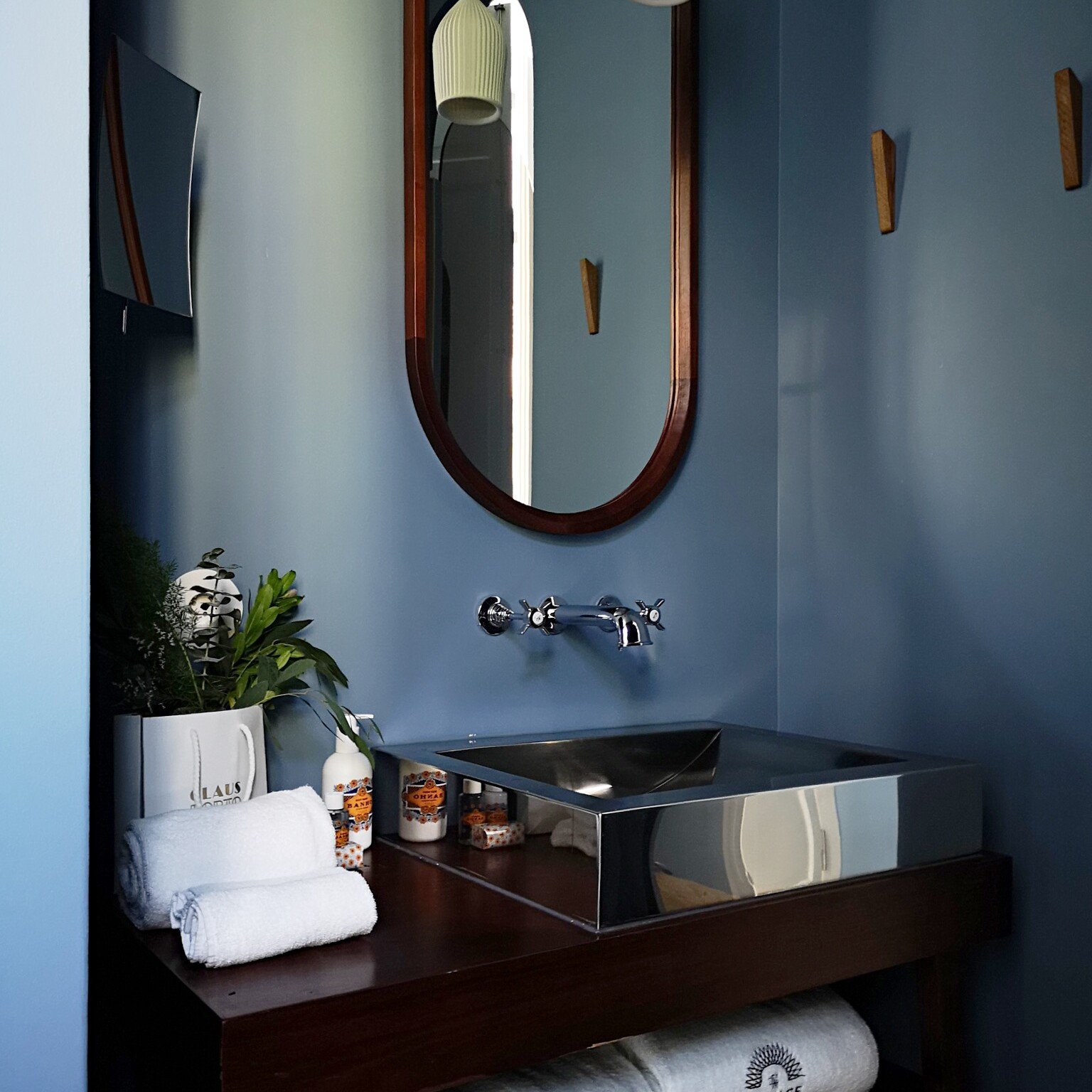
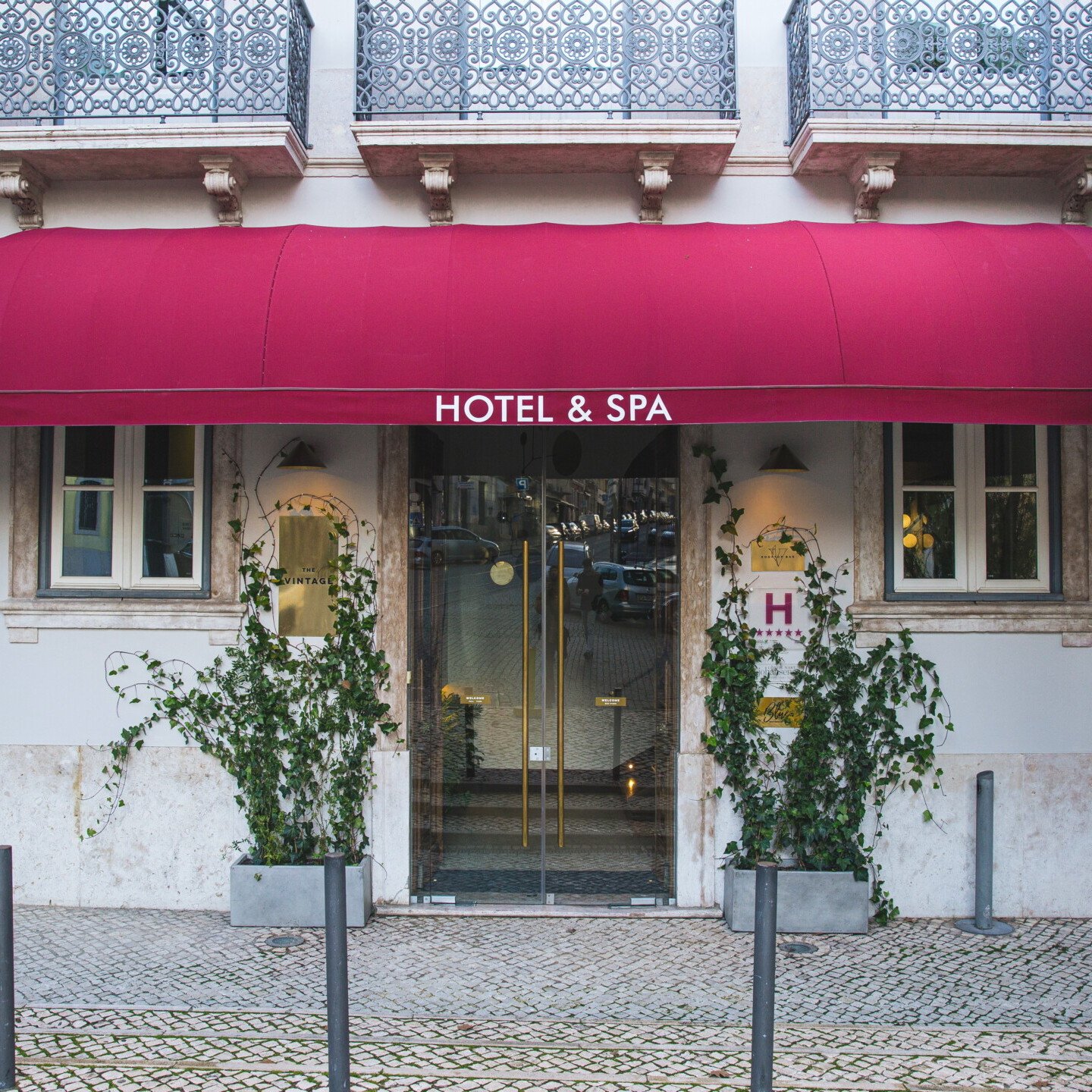
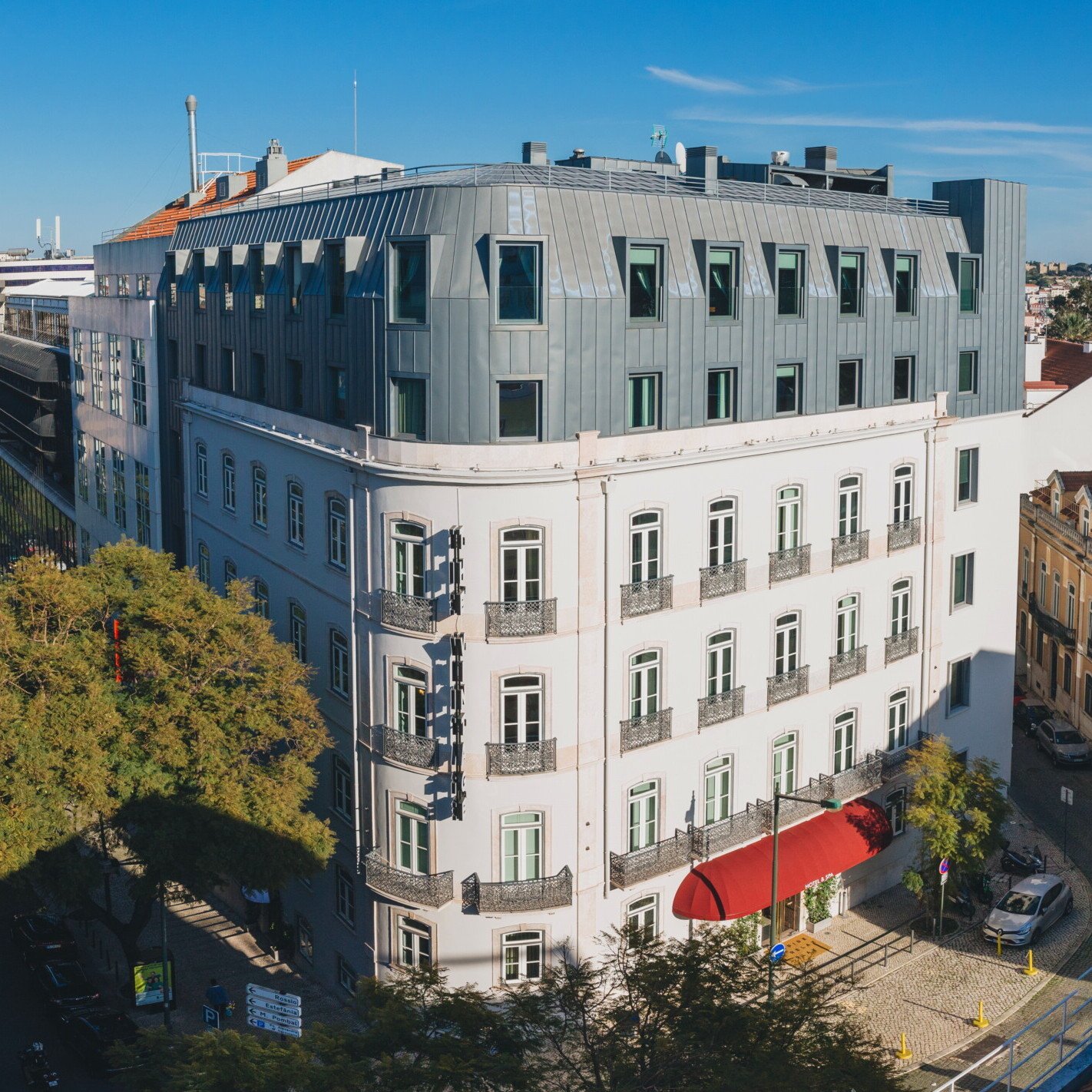
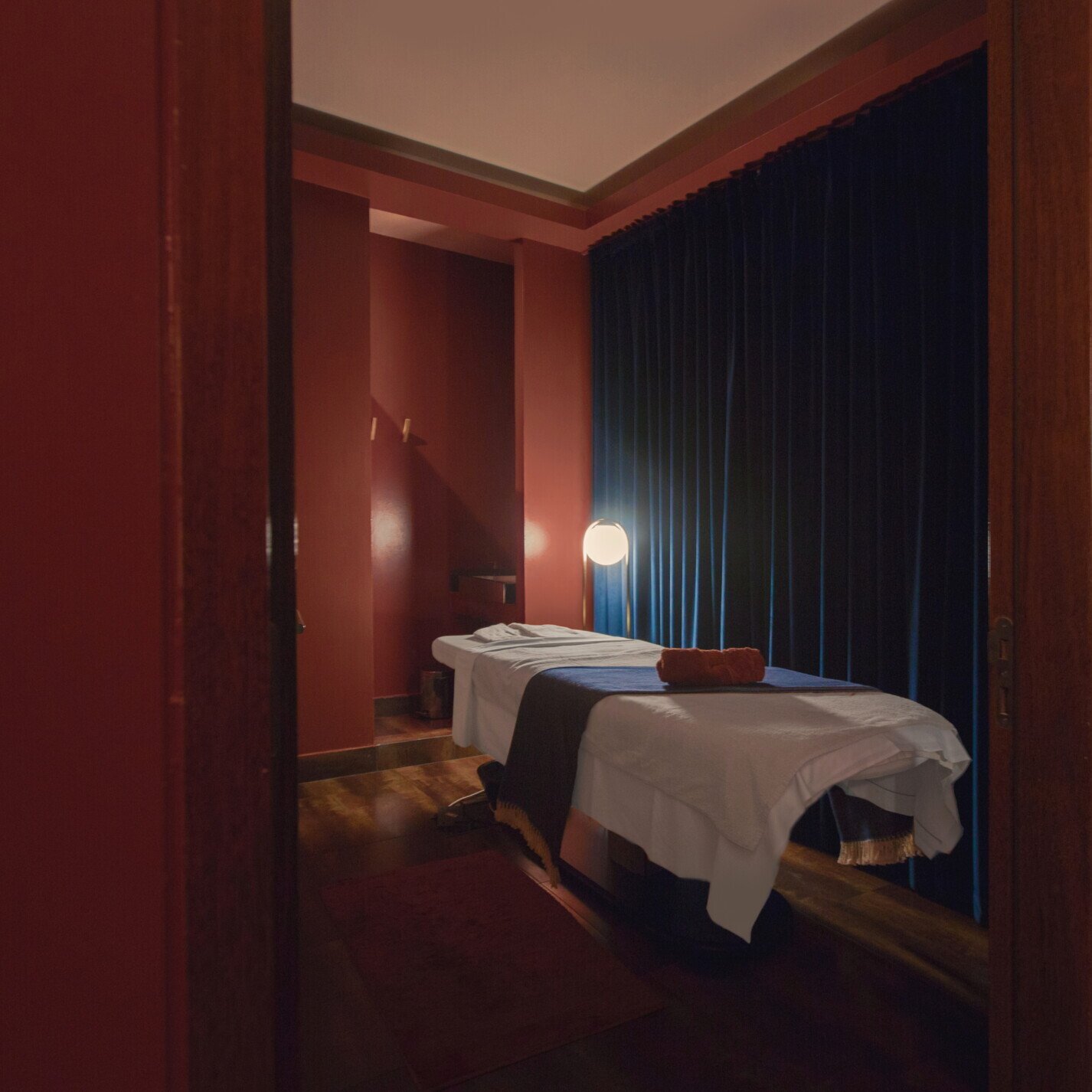
Lisbon does retro particularly well. One of the reasons The Vintage offers an ultimate experience of the Portuguese capital. This refined hotel on Rua Rodrigo da Fonseca, slightly removed from the immediate intensity of Bairro Alto, marries rooftops views with unique textures, details and luscious deep color pallets.
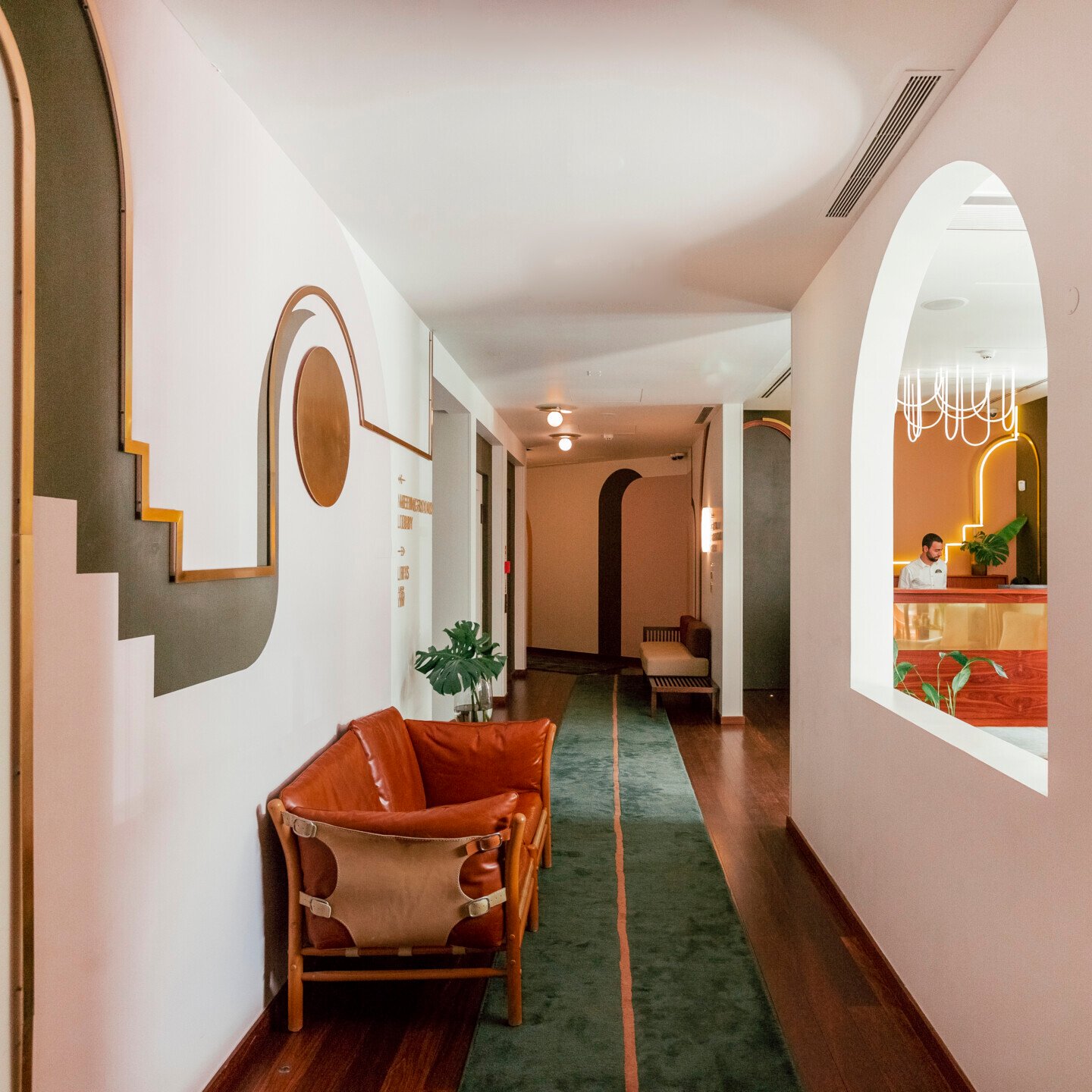
Part of Bomporto Hotels, the Portuguese boutique hotel group developed as an alternative to global hotel chains, the property follows the group’s approach of renovating an exceptional existing structure without losing its original allure. Here, the aesthetic turns towards freshly interpreted mid-century design. Spaces are defined by colour, furniture ‘pieces’, and quirky details. One-off artworks appear throughout.
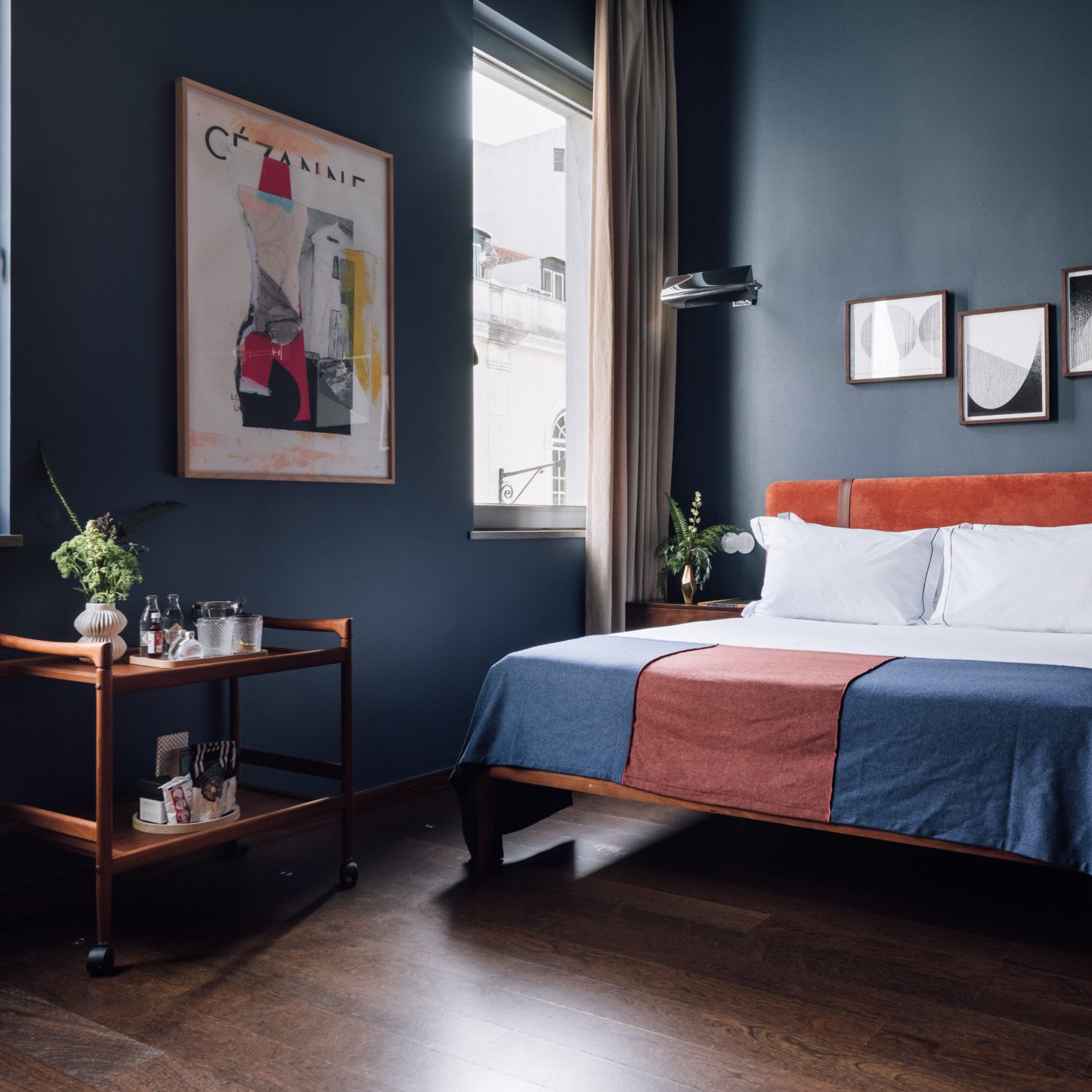
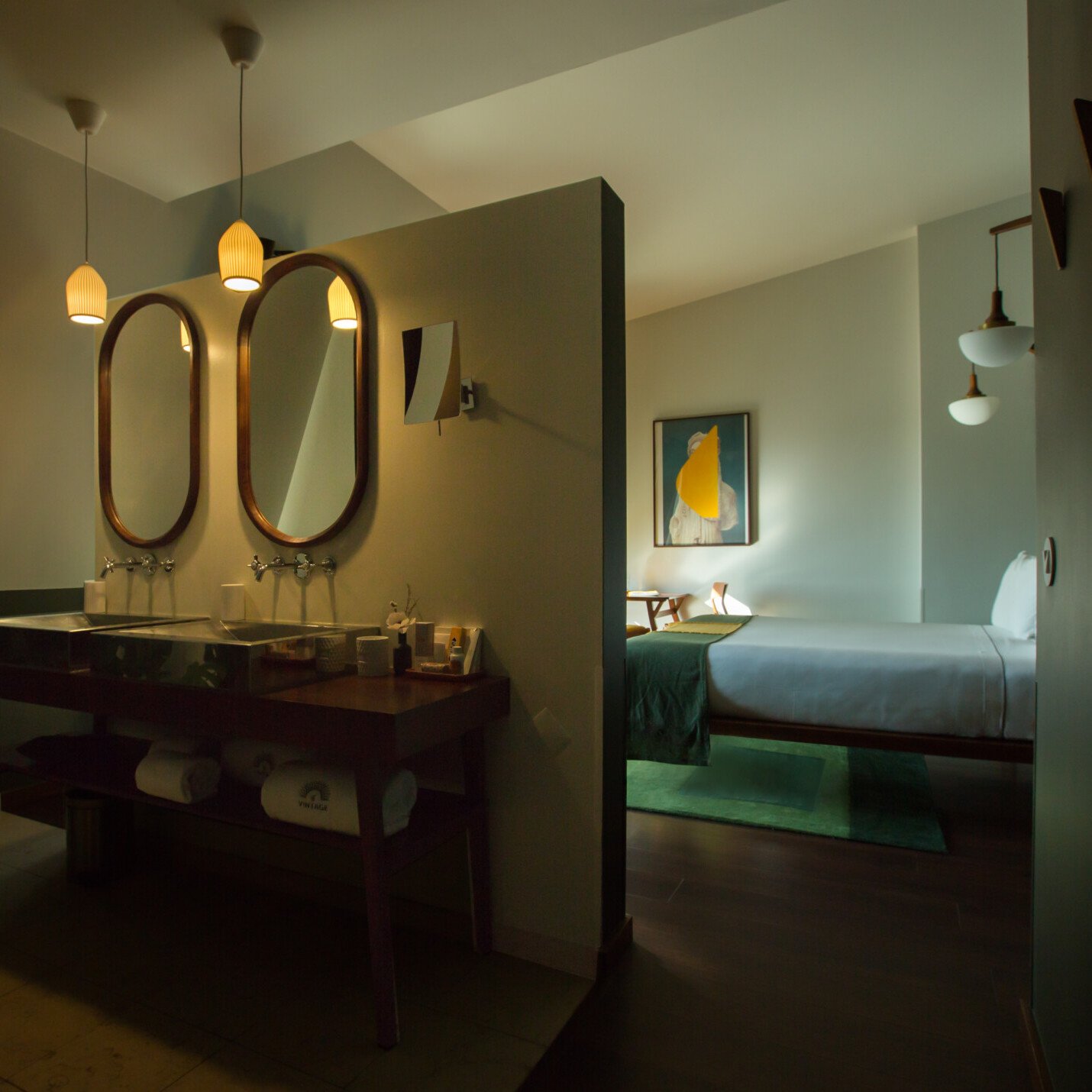
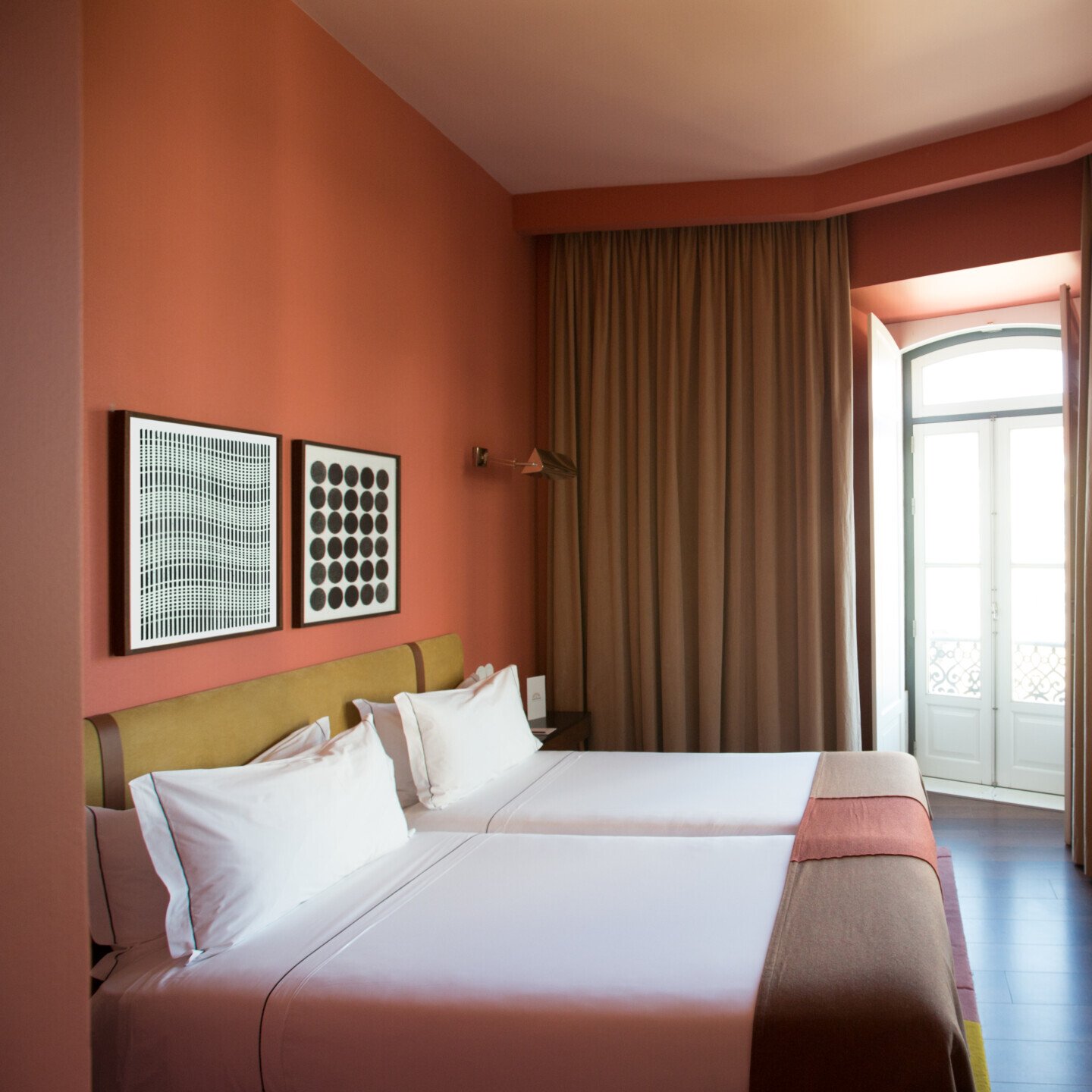
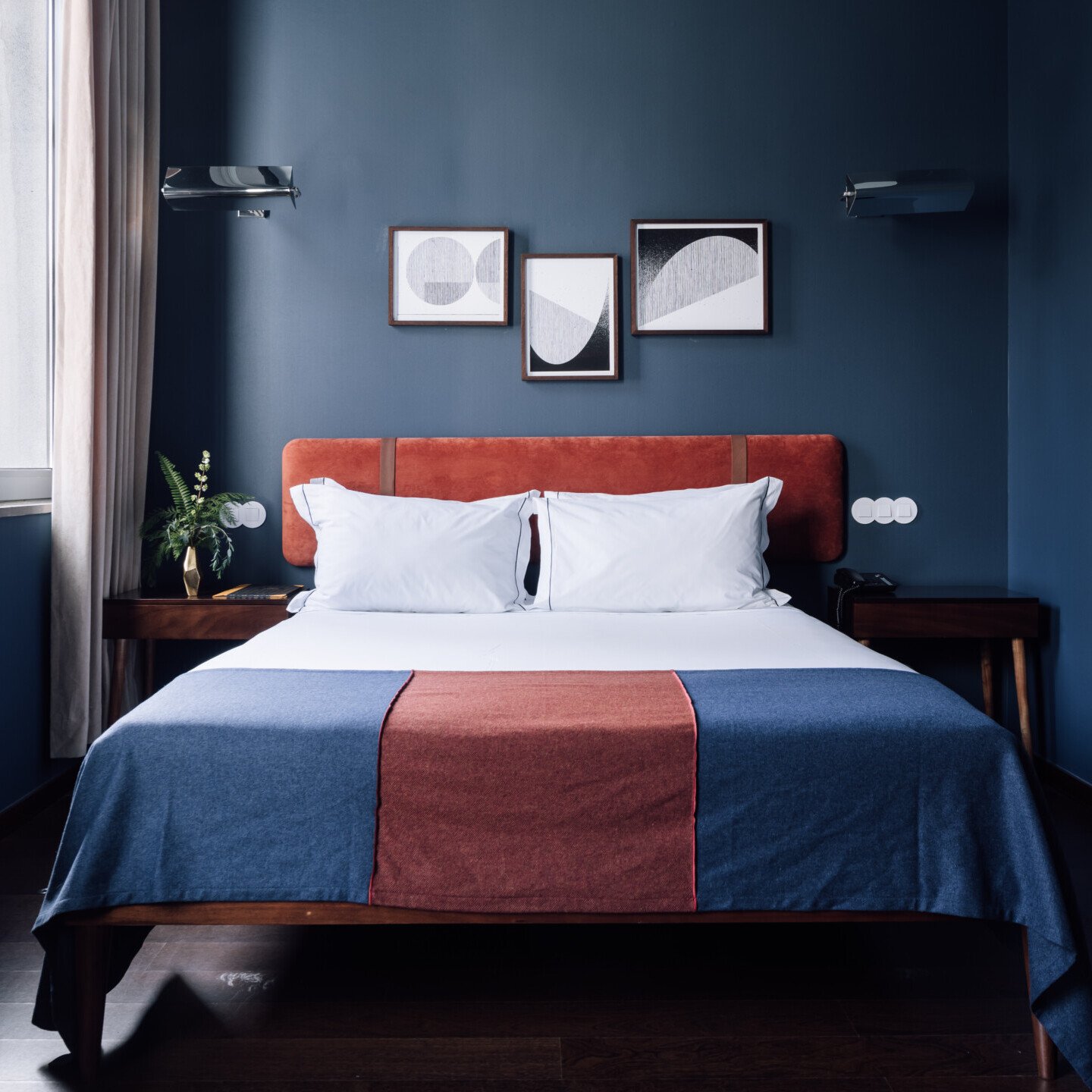
The hotel operates as a 5-star boutique property, with around 56 rooms and suites, ranging from standard and superior rooms to larger deluxe categories. Unlike the group’s other properties, The Vintage follows a more classic hotel layout, without kitchens or apartment-style configurations. Each room is unique, with a design that leans into 1950s–60s modern: geometric patterns, velvet textures, brass accents, and a darker, more contained palette. Soundproofing is effective throughout, maintaining separation from the restless city outside.
Blue Bistrot anchors the ground level. Opening for breakfast, lunch and dinner sittings, with a menu built on locally sourced seasonal ingredients, led by Chef João Silva, working across both land and sea. The tone remains straightforward, aligned with the group’s approach: quality without excess.
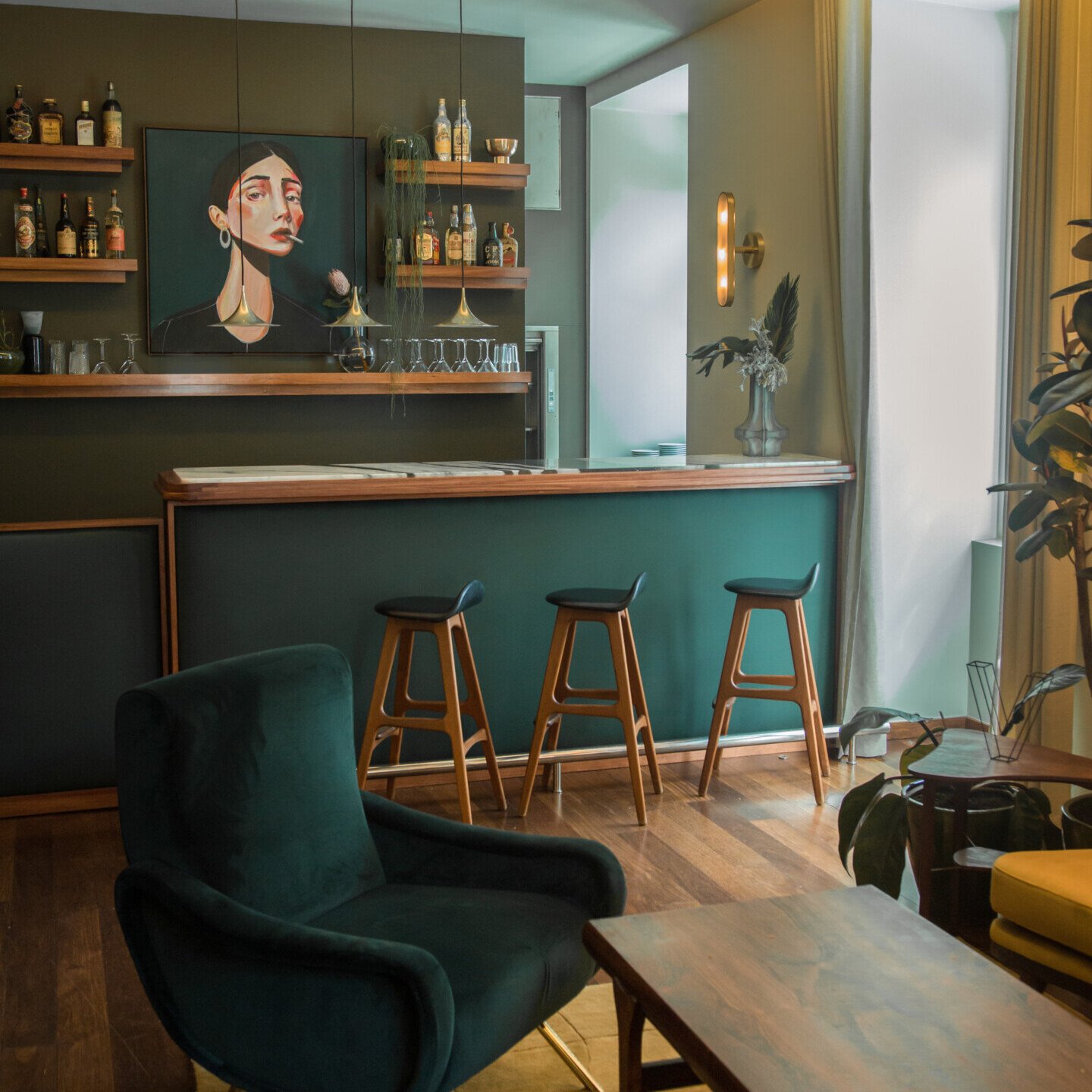
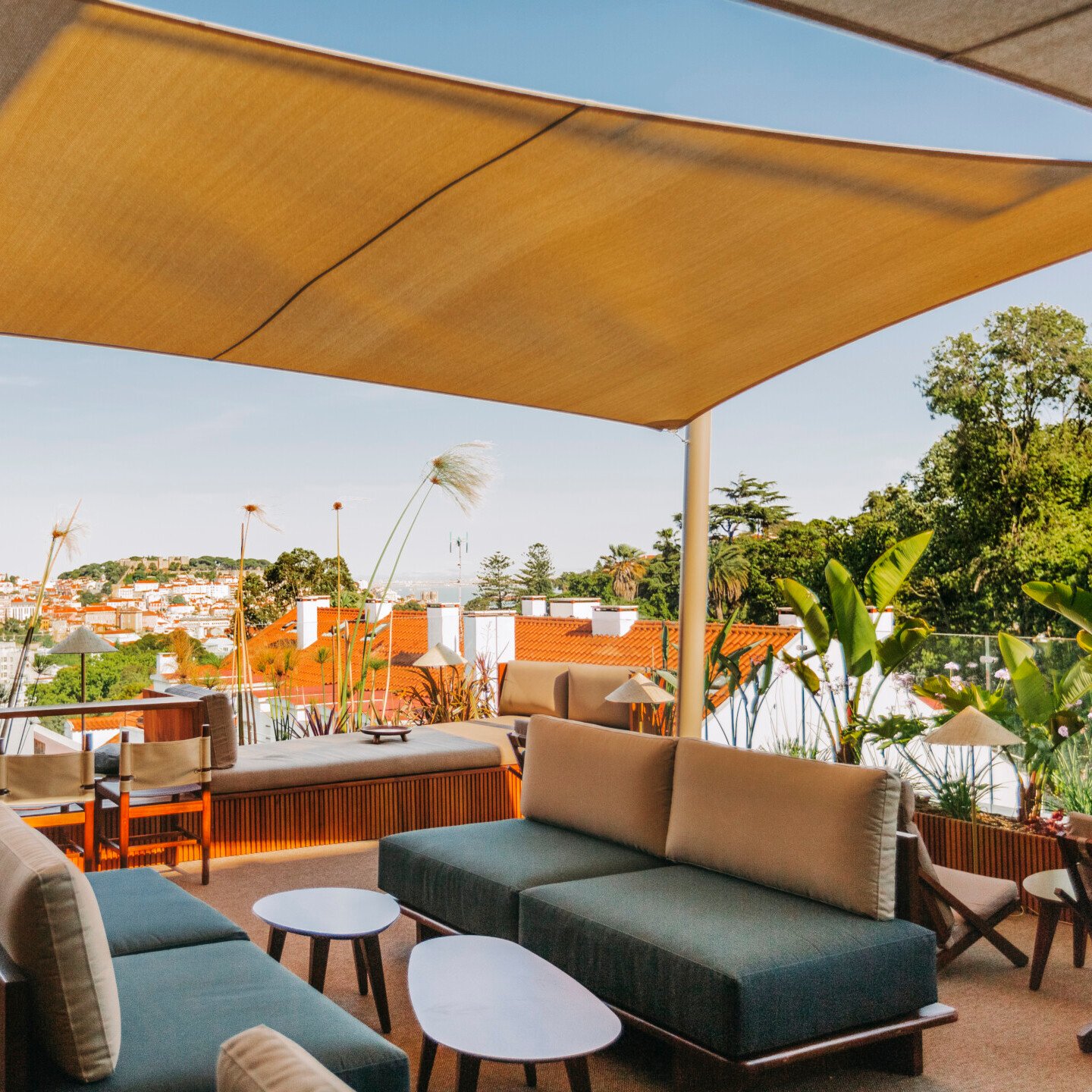
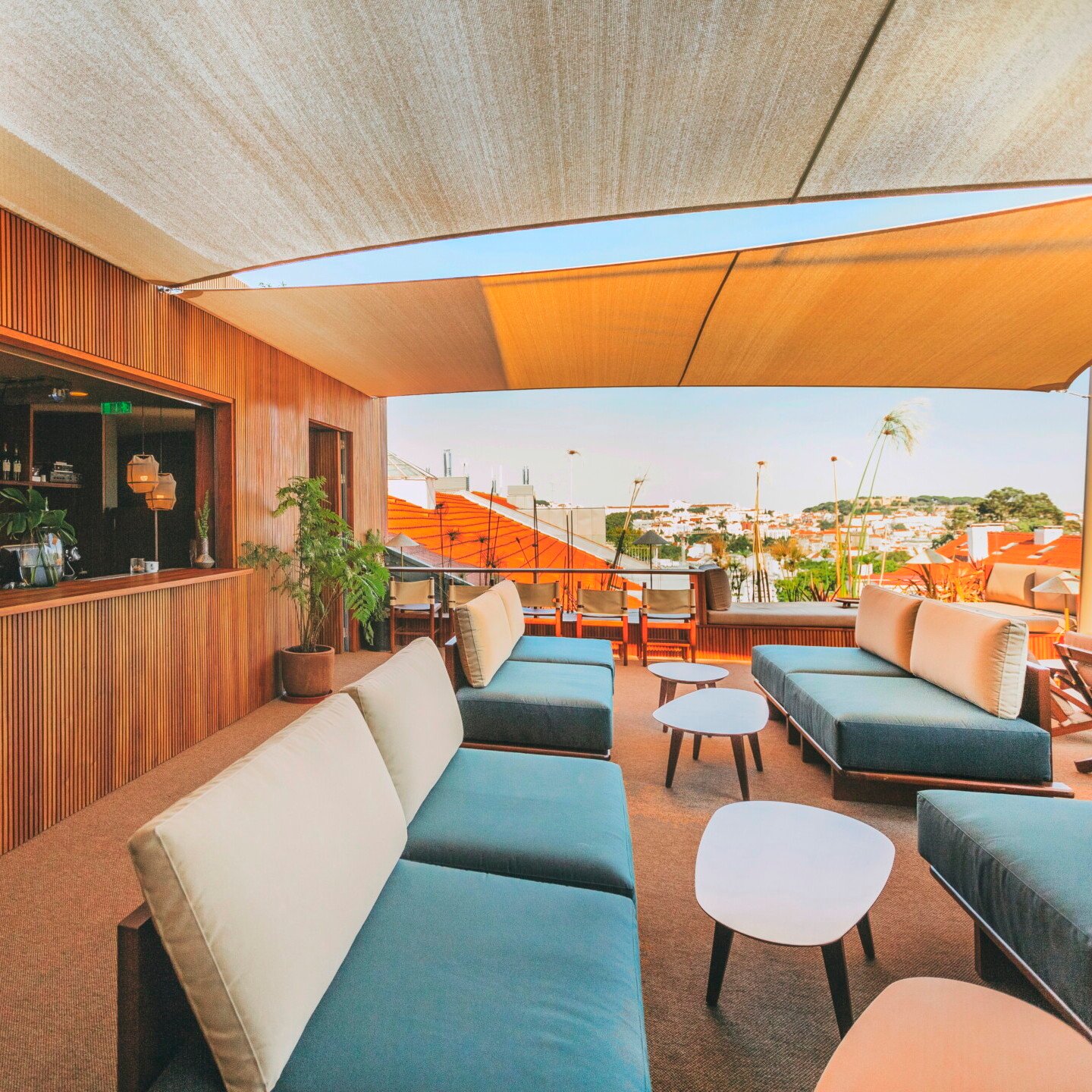
Above, the V Rooftop shifts the perspective. It is seasonal, open from midday to midnight, with around 30 covers. The space is planted with tropical greenery set against open views of the city, including São Jorge Castle. There it’s cocktails and simple stables. A third space, The Hangout Bar, holds a different position. Smaller, and organised around an open fireplace, a bespoke vintage record player allowing guests to select tracks directly.
With position allows access to the city while keeping a degree of separation from its busiest areas, the rooftop introduces the city at a distance; the rest happens inside.