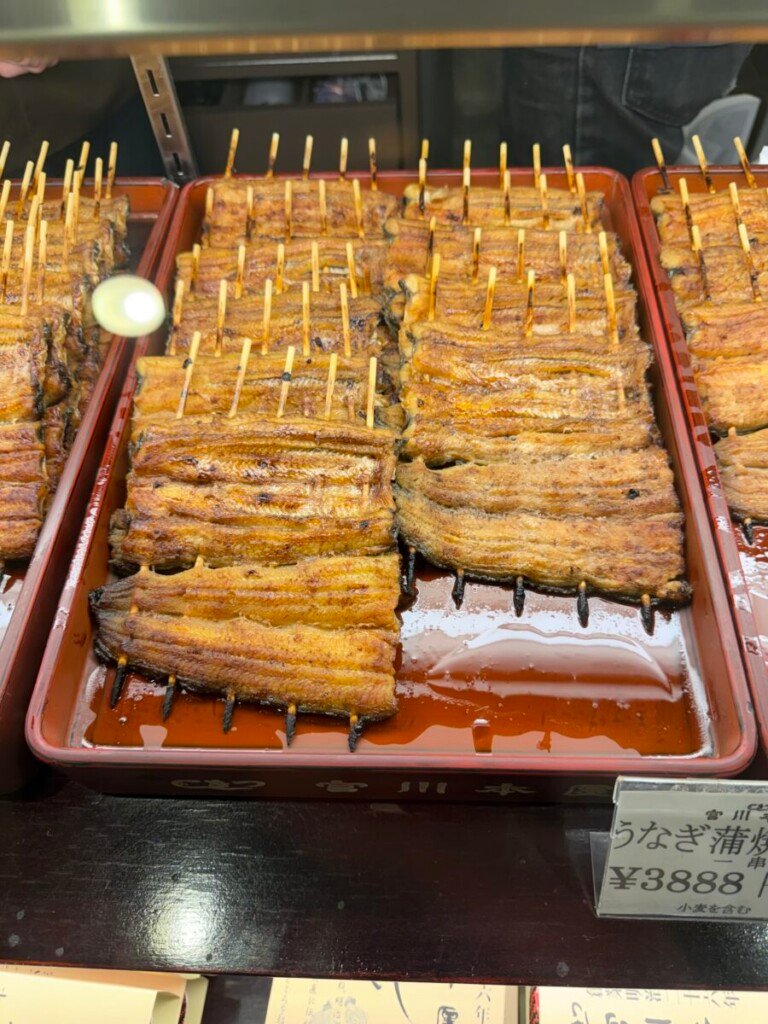
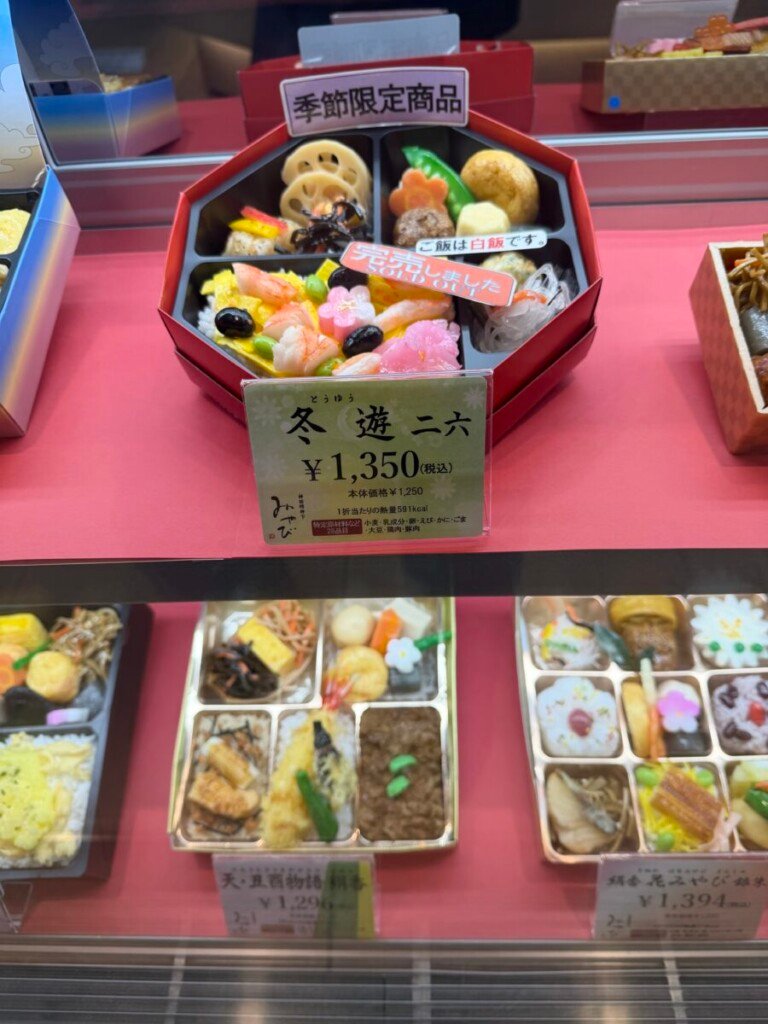
I first discovered the fabulous world of depachika over 20 years ago, when I came to Tokyo for modelling. I had never seen anything quite like them: vast food halls hidden beneath the city’s department stores, with an extraordinary choice of beautifully presented food. For someone only beginning to understand Japanese food, they were also one of the easiest and cheapest ways to eat.
Even now, whenever I travel to Tokyo, I make an effort to check out at least a few. There is always something new to discover, especially as the selection of seasonal wagashi, for example, changes throughout the year. Most of the convenience stores sell bento, but there is nothing like the perfectly packed bento boxes at the depachika. I could go on: the freshly fried tonkatsu and tempura, excellent sushi and sashimi, yakitori grilled behind the counter, castella and senbei, French pâtisserie, sake and wine – the selection of new flavours to discover is endless.
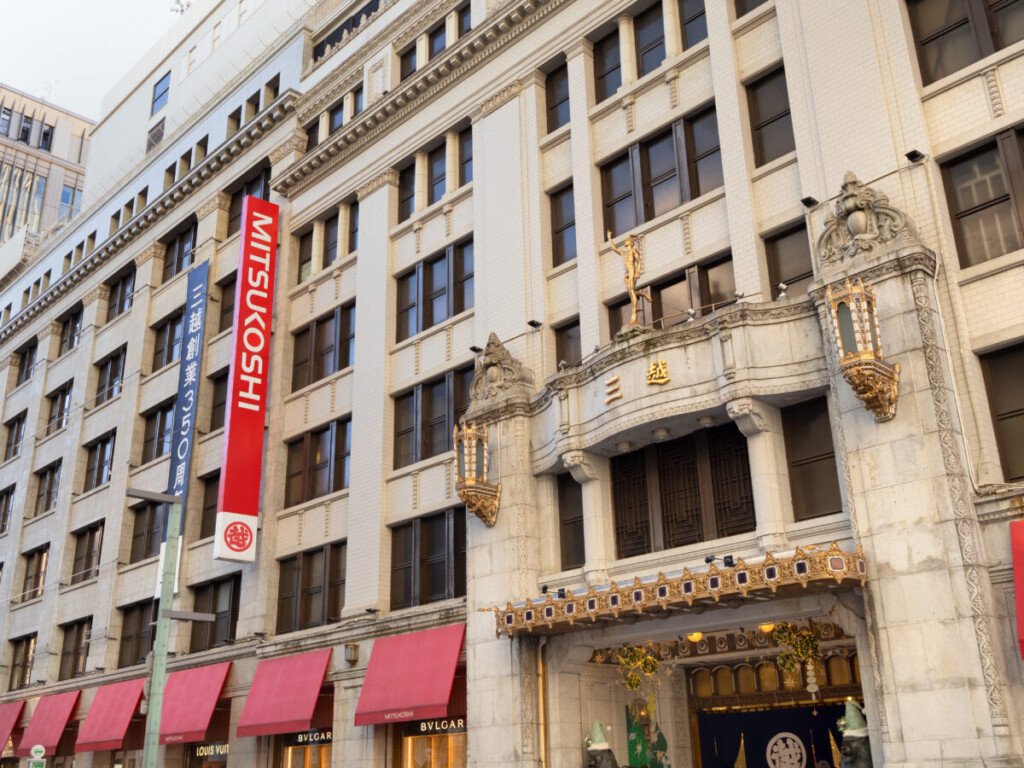
The origins of depachika go back much further than the name itself. The word combines depāto, meaning department store, and chika, meaning underground or basement. Japanese department stores had been selling food below ground for decades before the term became widely used in the late 1990s. One of the pioneers of Japanese department store retail was Mitsukoshi, which began as the Echigoya kimono business in 1673 and issued its famous Department Store Declaration in 1904, marking the beginning of a new style of retail in Japan.
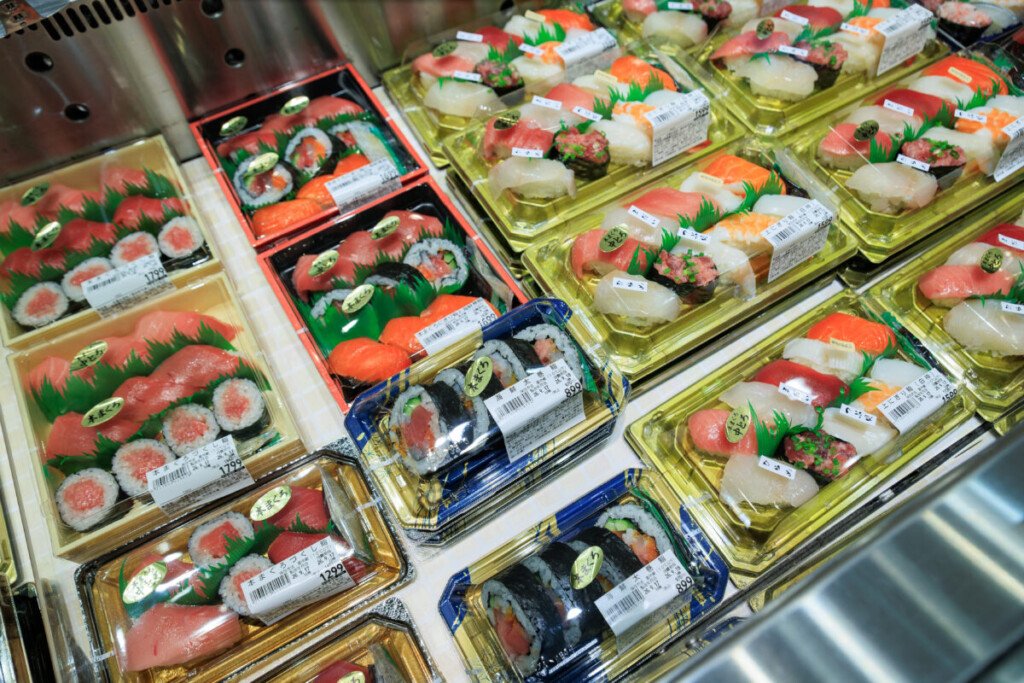
By the early 20th century, food departments were becoming an important feature of Japanese department stores. In 1922, with the opening of its Nagahori store in Osaka, Takashimaya became the first kimono-store-derived department store in Japan to put its food department below ground. In 1936, Matsuzakaya in Nagoya opened its basement Tōzai Meibutsu-gai, bringing together celebrated food shops from across Japan, including Toraya from Kyoto, Matsumaeya from Osaka and Colombin from Tokyo. It is considered the first Japanese department store basement to house a collection of famous specialist food shops together in this way.
When Isetan Shinjuku fully reopened in 1953, its basement featured a street of 16 long-established food shops. Five years later, the number doubled, and Isetan describes it as a forerunner of the modern depachika. Locating food shops beneath the department store had several practical advantages. Refrigeration, water and gas could be more easily installed, while deliveries, food preparation, smells and liquids could be kept away from the other floors. In Tokyo there was another advantage: many department stores were adjacent to the railway and subway stations, making the basement a convenient place to pick up dinner, groceries or a gift on the way home.
Gift giving also explains the care taken with packaging and presentation throughout the depachika. Beautifully packaged sweets, fruit, tea and other foods are bought as temiyage when visiting someone, as well as for the traditional summer and year-end gift seasons. The wrapping and presentation that immediately catch the eye in a depachika are not simply decoration; they are part of a much wider Japanese culture of giving.
Isetan Shinjuku
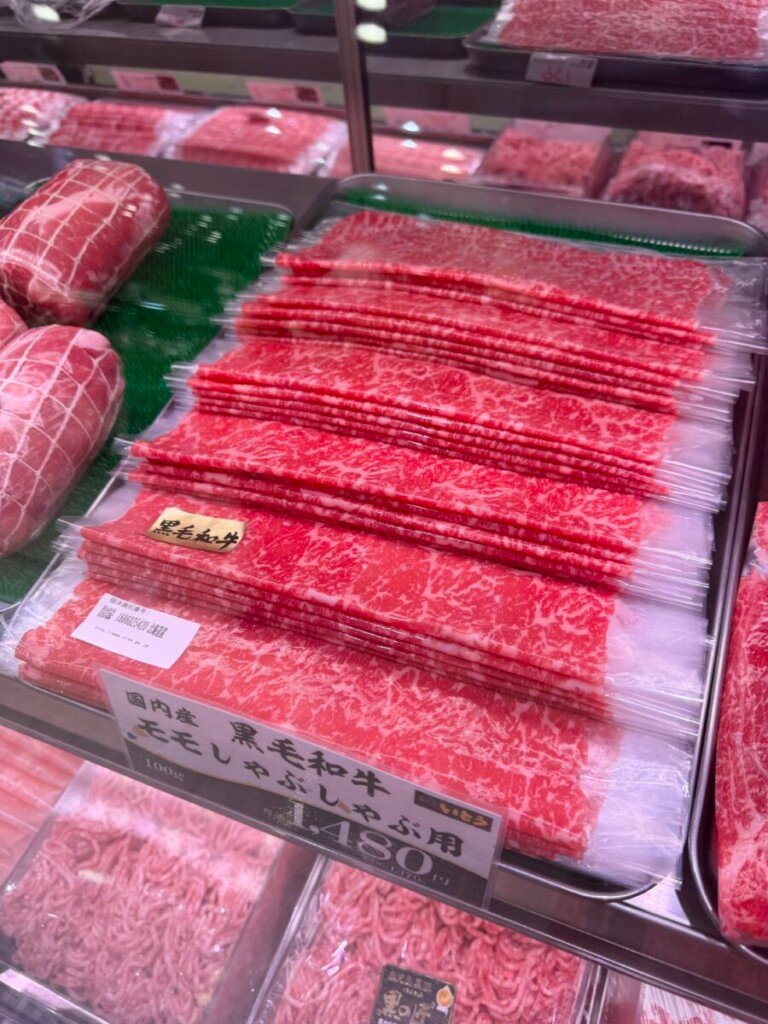
Isetan Shinjuku has one of Tokyo’s most impressive depachika, with an enormous selection of specialist food counters. The fresh market alone is worth exploring. Isetan works directly with farmers to source seasonal and less familiar vegetables, while the meat section includes aged beef, rare cuts and specialist counters. Maguro Yonehiko specialises in tuna, while other specialist counters include Kojima for Japanese veal and World Meat Bar Nisshin.
The Food Collection stands out for its rotating selection of food producers and regional specialities from across Japan, often centred around a particular season or ingredient. Nearby, you’ll find seasonal wagashi and Japanese tea from established houses such as Toraya, as well as smaller producers.
Isetan is also known for its Western pâtisserie. A phased renovation of the confectionery department began in 2026, introducing new shops and counters. One to look for is Pomology, a fruit-focused confectionery brand sold exclusively at Isetan Shinjuku. Grand Cave houses around 1,900 wines and spirits, with resident sommeliers, a wine-ageing cellar and a tasting bar.
What to look for
- Food Collection for changing regional producers and seasonal food
- Maguro Yonehiko for tuna
- Kojima for Japanese veal
- Pomology for fruit-based sweets
- Toraya and the wagashi section for seasonal Japanese sweets
- Grand Cave for wine and Champagne
Nihombashi Mitsukoshi
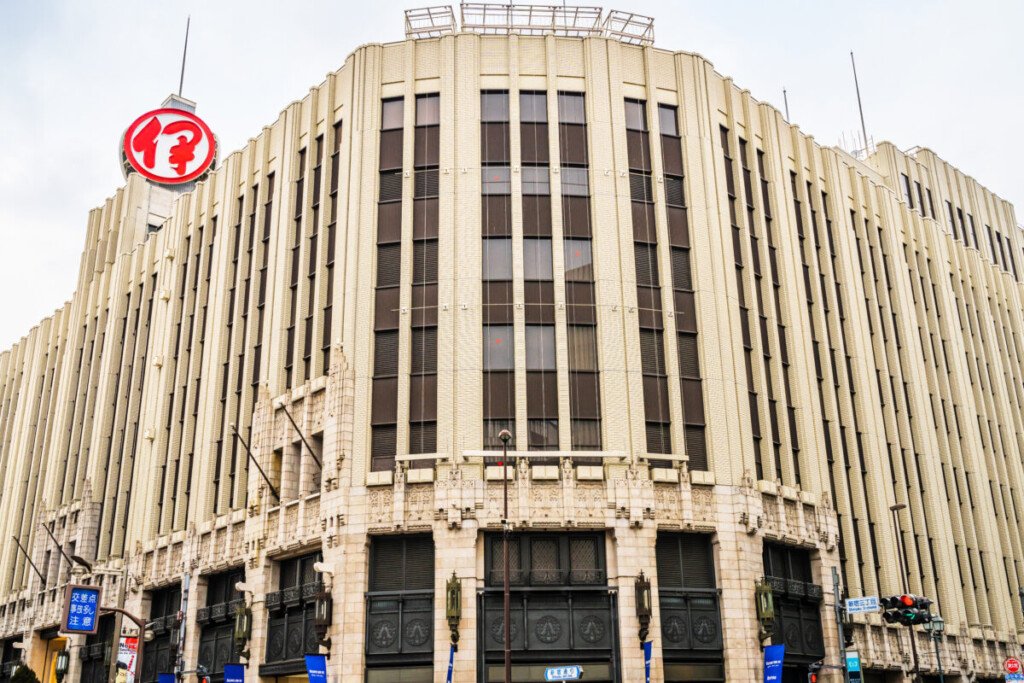
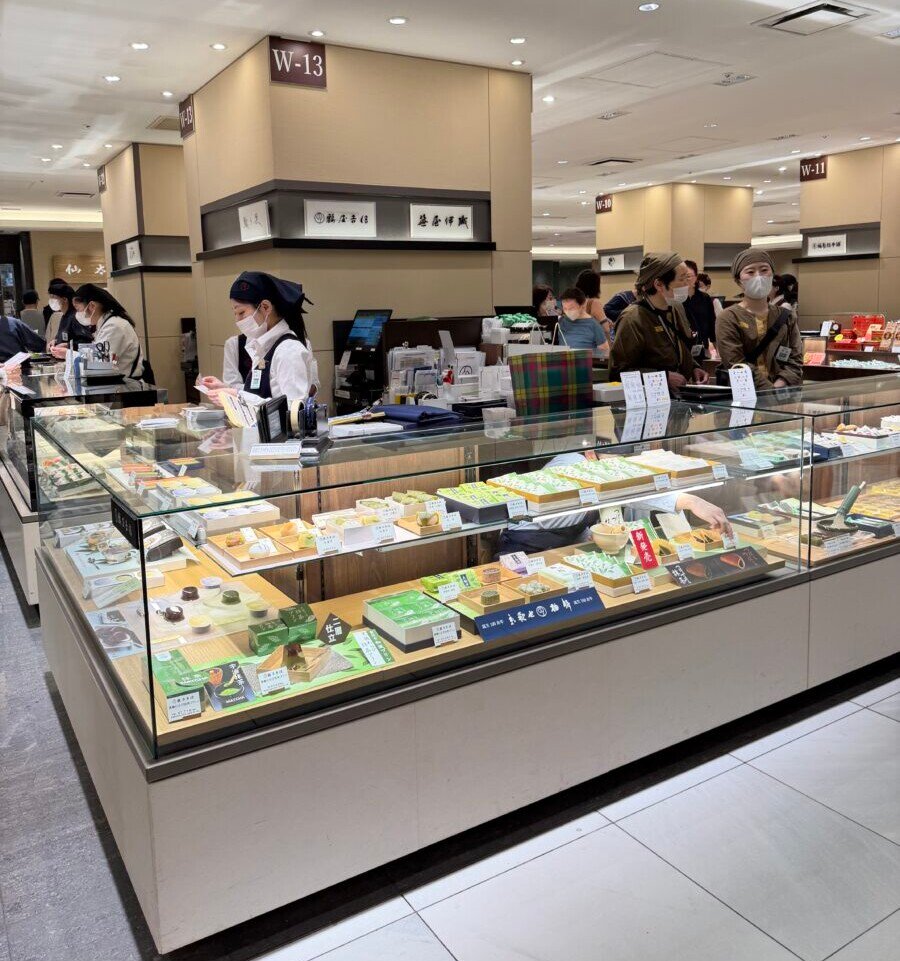
Nihombashi Mitsukoshi grew out of Echigoya, the kimono merchant founded in 1673, and its Nihombashi flagship remains closely connected to the history of the Japanese department store. The basement food halls are particularly well known for their selection of traditional Japanese confectionery, including regional specialities and gifts.
Kayūan is particularly interesting for its selection of traditional confectionery from across Japan, with certain products available only on specific days. The published schedule includes Matsushimaya’s mame-daifuku from Takanawa and Kamejū’s famously soft dorayaki from Asakusa on Thursdays, alongside confectionery from Kyoto, Aichi, Nara and Okayama. Matsushimaya’s mame-daifuku is currently limited to MI Card members and quantities are restricted, so it is worth checking the latest schedule before visiting.
Permanent wagashi counters include some of Japan’s established confectionery houses, but I find the changing regional selection more interesting than simply working through the famous brands. Mitsukoshi also develops seasonal and limited products with individual makers under its Only MI programme.
In 2026, the Western confectionery area underwent its first major renewal in around 19 years and now comprises 44 shops, including several newcomers and products created specifically for Nihombashi Mitsukoshi.
What to look for
- Kayūan and its day-specific arrivals
- Matsushimaya mame-daifuku on Thursdays, subject to current purchase conditions
- Kamejū dorayaki on Thursdays
- Seasonal and regional wagashi
- Only MI and Nihombashi Mitsukoshi-exclusive products
- The newly renewed pâtisserie section
Nihombashi Takashimaya
Nihombashi Takashimaya is only a short walk from Mitsukoshi, and I would visit both. At Takashimaya, I would head straight to Meika Hyakusen, a remarkable collection of celebrated sweets from across Japan.
The selection goes well beyond the obvious names. Tokyo producers include Kozakura for karintō and Nihombashi Usagiya, whose dorayaki currently arrives every Wednesday. There are also seasonal namagashi from Echigoya Wakasa on the third Wednesday of the month. From Kyoto come Kameya Kiyonaga’s unusual Seijō Kankidan, Kameya Yoshinaga’s Ubatama, Sanjō Wakasaya’s Gion Chigo Mochi and other regional sweets. Some arrive weekly, others monthly or according to the season.
Takashimaya also arranges special deliveries by air from Kyoto. On selected dates, food is flown from Kyoto and sold in Nihombashi later the same day. The selection changes monthly, with recent 2026 deliveries including Mitsuya’s hon-warabi mochi and sweets from Nakamura-ken, alongside other Kyoto producers. Some products require advance online reservations, while others are available to purchase on the day. It is worth checking the month’s schedule before visiting.
What to look for
- Meika Hyakusen for regional confectionery
- Nihombashi Usagiya dorayaki on Wednesdays
- Echigoya Wakasa seasonal namagashi on the third Wednesday of the month
- The monthly Kyoto air delivery
- Kyoto sweets and regional specialities that change with the season
Ginza Mitsukoshi
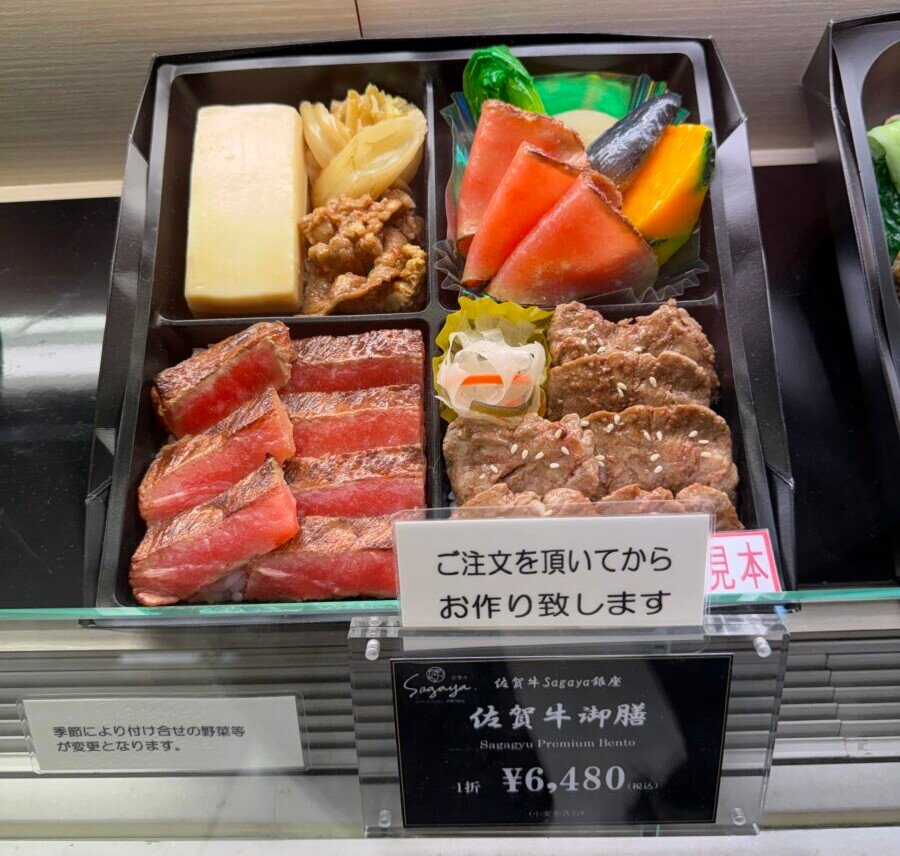
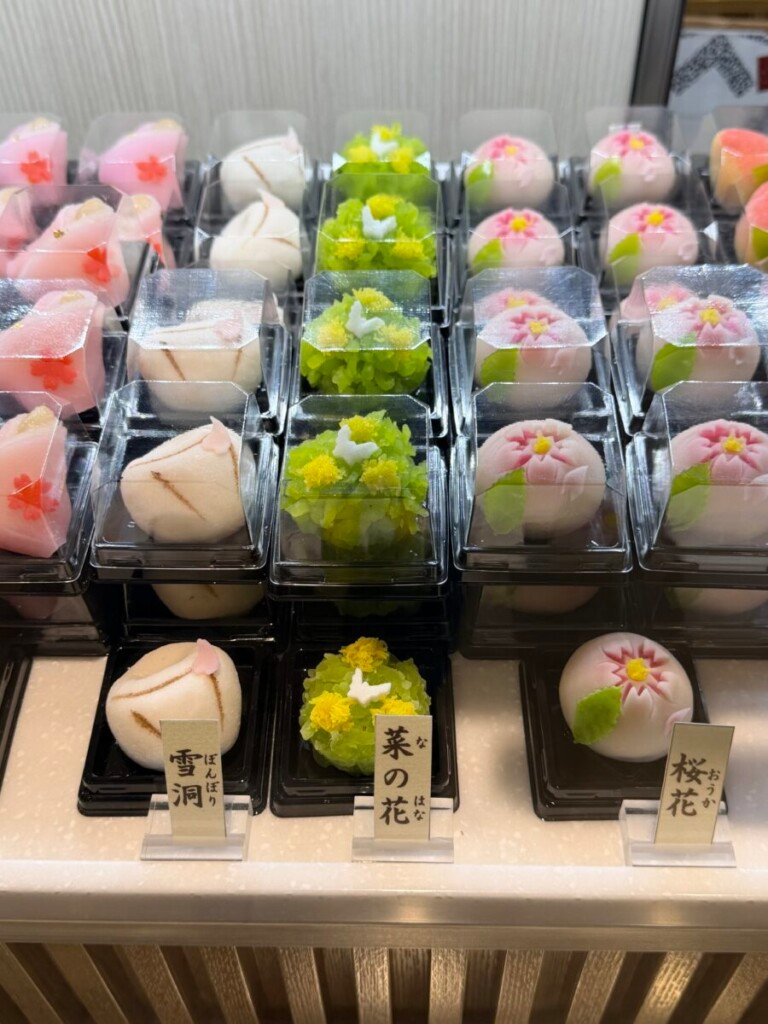
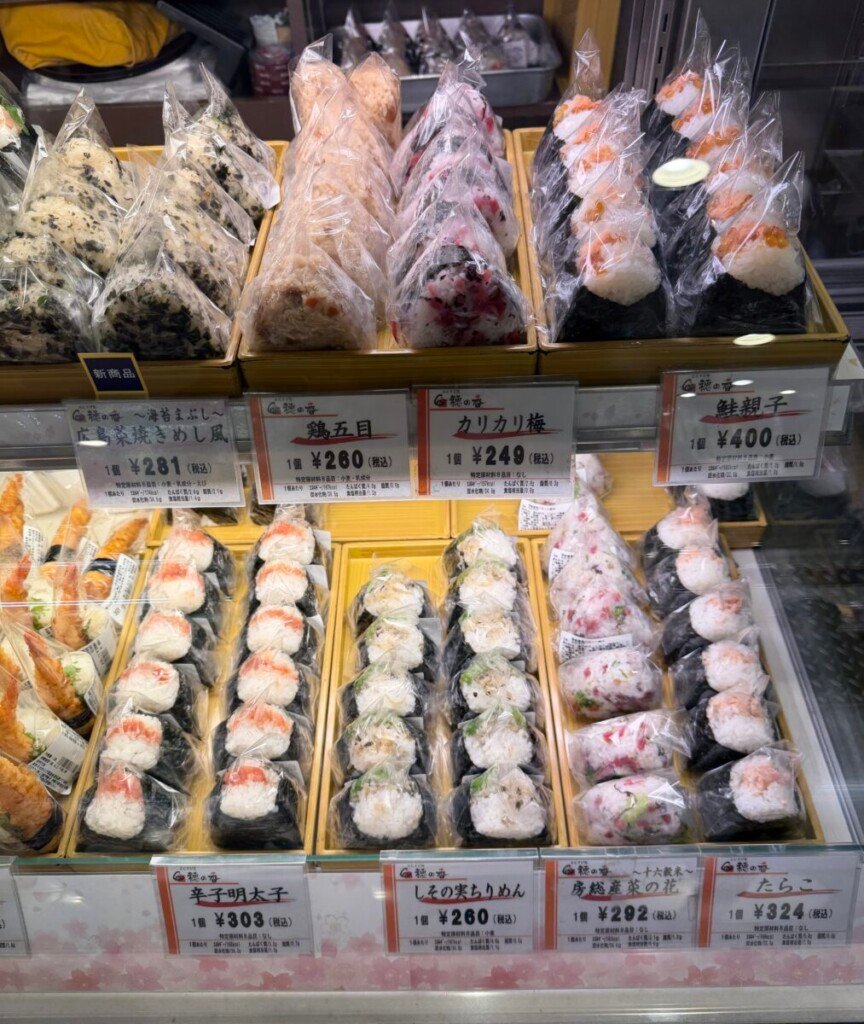
Ginza Mitsukoshi’s food departments occupy three basement floors. Alongside the elaborate gifts you would expect in Ginza, there are plenty of counters selling sushi, grilled fish, bento and other prepared dishes.
I recommend heading for the prepared-food counters, where you’ll find specialities from Tokyo and the Kansai region, including dishes available only at Ginza Mitsukoshi. Current 2026 examples include an exclusive sushi selection from Tsukiji Sushi Iwa and a chirimen-sanshō inari and dashimaki bento from Kyoto’s Daitokuji Saikiya. The exact dishes change, so look for anything marked Ginza Mitsukoshi gentei (Ginza Mitsukoshi exclusive).
For wagashi, there is another Kayūan, with a selection that changes according to region and season. This autumn, for example, features sweets from Kyoto, Kanazawa and Matsue, including Kyoto’s Sasaya Iori, a wagashi house established in 1716.
On B3, Fresh Marché covers fresh food, while La Cave brings together wine, sake and shōchū. GINZA Tea specialises in teas from Japan and abroad, and Ginza Food Garden hosts a different food theme each week.
What to look for
- Products marked Ginza Mitsukoshi gentei
- Seasonal bento and sushi from the prepared-food counters
- Kayūan for regional wagashi
- Ginza Food Garden for changing weekly themes
- Fresh Marché
- La Cave for wine, sake and shōchū
Matsuya Ginza
Matsuya Ginza has been part of Ginza since 1925. Smaller than Isetan or Mitsukoshi, its food departments occupy B1 and B2, including the unusual GINZA FROZEN GOURMET concept.
Launched in 2022, GINZA FROZEN GOURMET offers around 350 frozen products from approximately 55 brands. Matsuya works with restaurants and food businesses, including established Ginza names, using rapid-freezing technology to make their dishes available to take home. The idea emerged during the pandemic, when restaurants in Ginza were struggling with restrictions. Matsuya began collaborating with local businesses on a frozen-food series called Ginbura Gourmet. Restaurants shared freezing equipment and experimented with ways to reproduce their dishes at home. The project eventually became part of the permanent GINZA FROZEN GOURMET department.
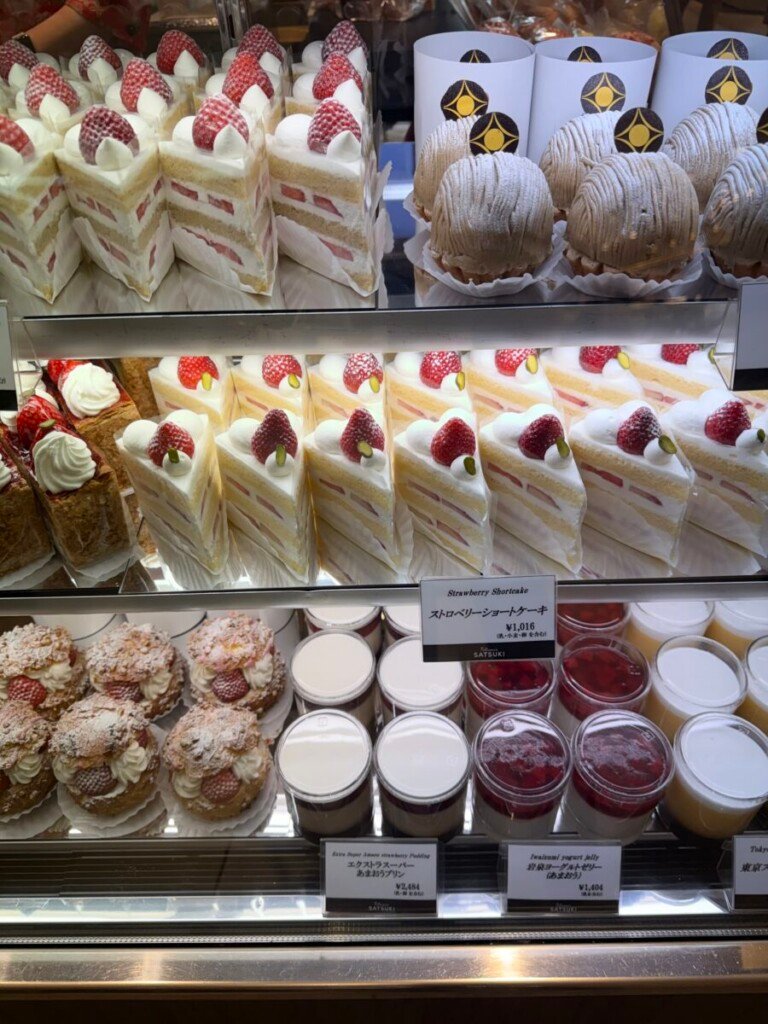
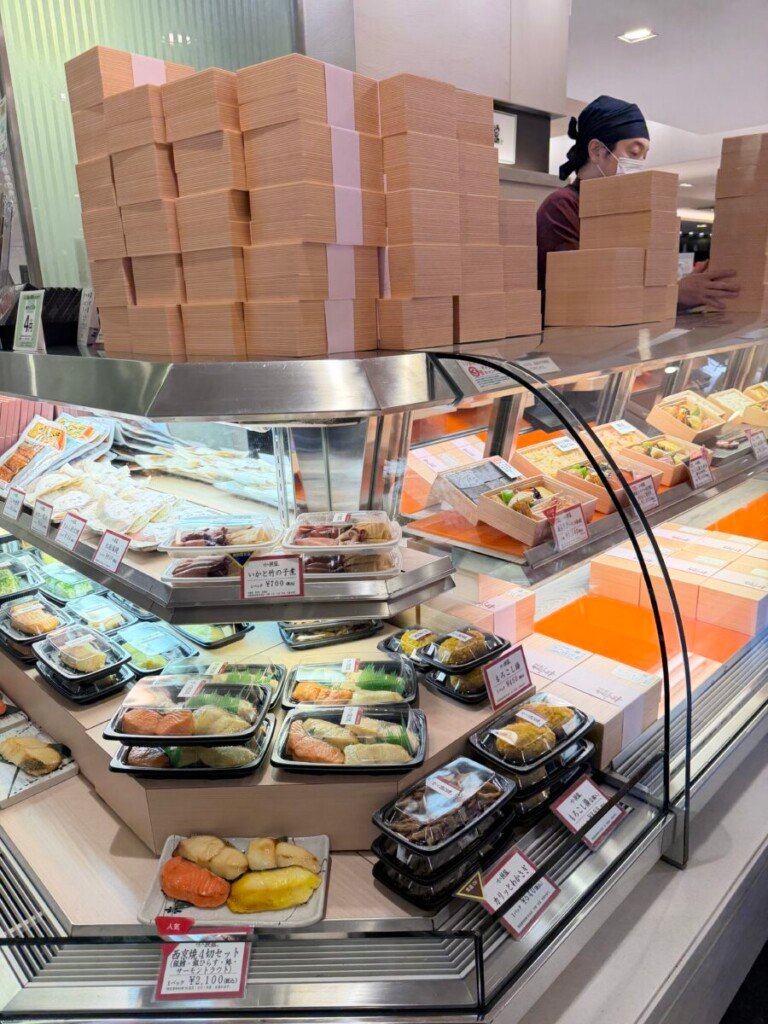
On B1 are the more familiar offerings of a Japanese depachika: wagashi, pâtisserie, bread, bento and prepared food. Current brands include Pierre Hermé Paris, Maison Kayser and Mille-Feuille Maison Française, alongside Japanese confectionery and prepared-food specialists.
What to look for
- GINZA FROZEN GOURMET
- Ginbura Gourmet products developed with Ginza restaurants
- Matsuya Ginza-exclusive and seasonal products
- Mille-Feuille Maison Française
- The prepared-food counters on B1