by Giorgio Pugnetti for Luxeat Guide.
From Carpano vermouth to ‘merenda sinoira’ and tramezzini: the history and modern-day traditions of Turin’s most quintessential ritual.
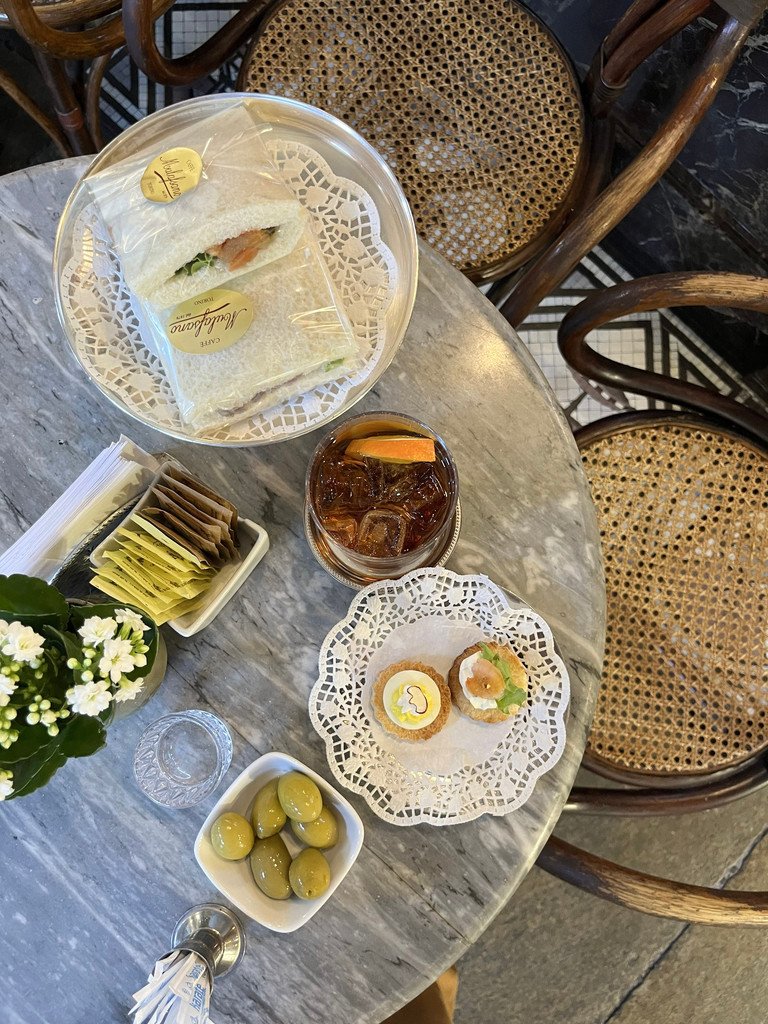
If you ask a foreigner – or perhaps even an Italian – where the aperitivo originated in Italy, they will undoubtedly reply ‘Milan’. The collective imagination, in fact, traces the rise of the aperitivo as a cultural phenomenon to the 1980s and the era of Milano da bere (Milan to drink): the years when the Lombard capital became the undisputed capital of Italian fashion and the beating heart of ‘Made in Italy’ on the global stage, thanks to brands such as Armani, Versace, Ferré, Trussardi, Prada and Dolce & Gabbana. Alas, the aperitivo originated much earlier – and not in Milan.
We must travel to Turin, in Piedmont, and go back two centuries – 240 years, to be precise. The ritual of the aperitivo is inextricably linked to Antonio Benedetto Carpano, a young herbalist and liqueur maker originally from Biella, who, in his Turin workshop, transformed the traditional cordiale – an ancient digestive – into a wine flavoured with herbs and spices. He chose the name ‘Wermouth’, adapting the German term Wermut, traditionally used for Artemisia – one of its key ingredients, which was also grown in the Turin plain along the river Po.

In 1870, the range was expanded to include Punt e Mes, the ‘half-point’ version of the amaro. According to tradition, the name originated with a stockbroker who, one day in Carpano’s shop, ordered his usual aperitivo, asking in dialect for ‘un punt e mes’: one point of sweetness and half a point of bitterness. The rest is the history of world-renowned producers – one need only mention Martini & Rossi – and of a drink whose versatility has made it a lasting protagonist of contemporary mixology.
A traditional Italian agri-food product, Vermouth di Torino has held a registered geographical indication since 2017. It is, to all intents and purposes, Turin’s own drink, and some establishments, from historic cafés to contemporary restaurants, even produce their own versions. Examples include the historic Mulassano and, more recently, Tetti Battù from the Opera Restaurant, Les Guardes Enfants Vermouth Rosso Rubino (Barbera based), created by the two owners of Piattini Caffe Vini, and Canone Occidentale, in three varieties: Vermouth Rosso made from Dolcetto, Vermouth Bianco and Extra Dry made from Cortese.
Whilst for many years vermouth was almost exclusively used as an ingredient in cocktails – such as the Torino-Milano, Americano and Negroni – it is now once again being enjoyed neat, with ice, or as a vermuttino, topped with a splash of soda. There are various styles of vermouth, distinguished by colour – red, white and rosé – and flavour: sweet, dry, extra dry and chinato. Yet that distinctive bitter, herbaceous character remains unmistakable, thanks to the extensive use of botanicals: leaves, fruits, roots, peel and bark.
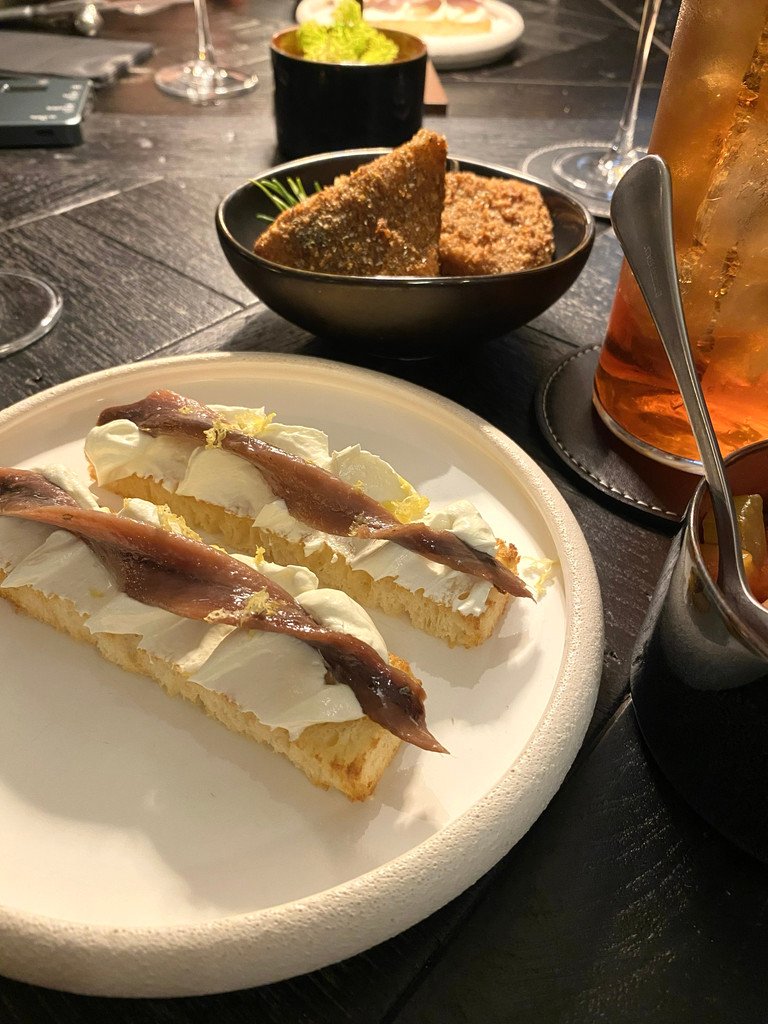
But Turin’s aperitivo culture is not only about vermouth. It is also closely connected to two other local traditions: the merenda sinoira and the tramezzino.
The merenda sinoira was the substantial late-afternoon break traditionally taken by farmers working in the fields. From St Joseph’s Day (19 March) until St Michael’s Day (29 September), longer days meant working late into the afternoon – and the need for something more than a simple snack to tide them over until dinner. The table was laid with bread, cured meats and cheeses, the ever-present Piedmontese starter of sweet-and-sour vegetables and tomatoes (giardiniera), as well as tuna, hard-boiled eggs, pickles and friceui (herb or potato omelettes). Everything was accompanied by red wine from a flask and, to finish, fresh fruit or peaches in wine.
Like many traditions, the merenda sinoira fell into obscurity for a time before making a comeback as an original dining concept. What sets it apart from the aperitivo is above all its more convivial and substantial nature: an opportunity to bring together many of Piedmont’s most iconic flavours around a single table, often showcasing local ingredients and produce.
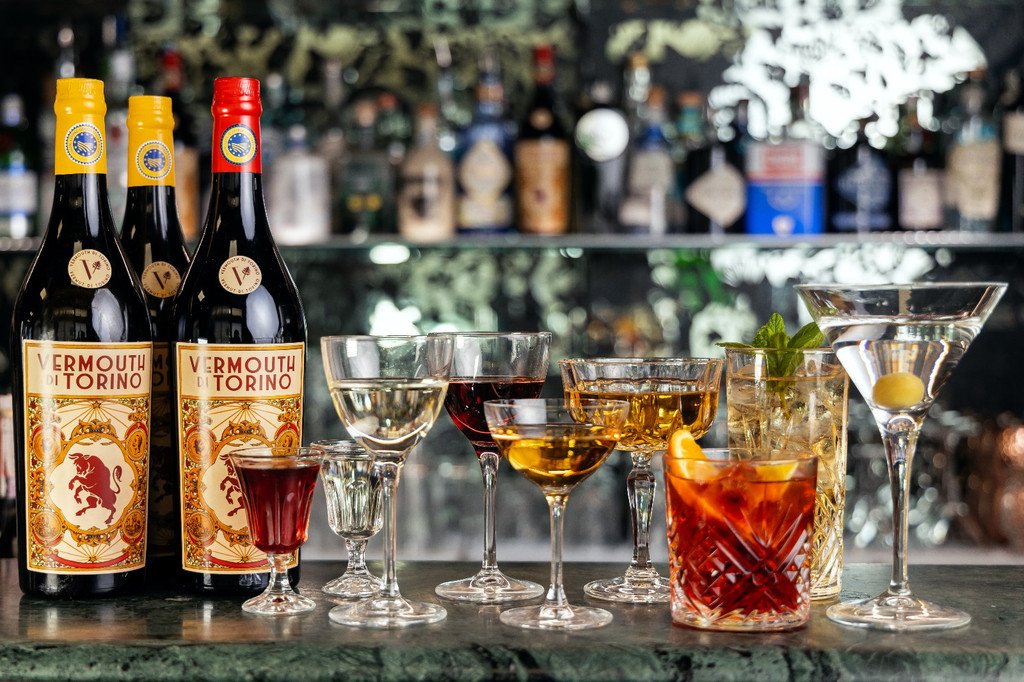
Today, alongside wine, you might find vermouth or a traditional cocktail, while the food can range from classic appetisers to regional specialities such as plin and tajarin. For visitors, it offers a sort of mini ‘gastronomic map’ of Piedmont, to be savoured slowly and together, much as it would have been in days gone by.
And then there is the tramezzino, another Turin-born icon. 2026 marks the centenary of the tramezzino, which was invented in Turin in 1926, between the two world wars. The name derives from tramezzo, meaning something that lies between – in this case, a break between breakfast and lunch – and was coined by famous Italian writer and poet Gabriele D’Annunzio.
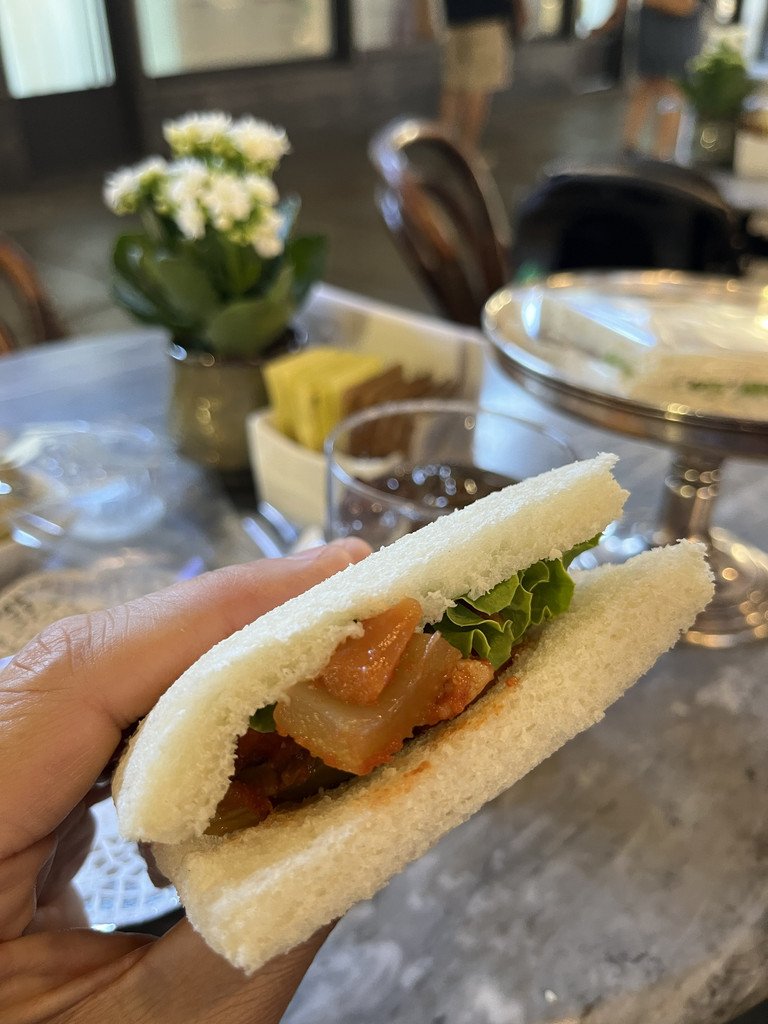
The story, however, begins with Angela and Onorino Nebiolo, who had just acquired the historic Mulassano café after returning from the United States. In 1926, they introduced a new style of gourmet sandwich using soft pan cassetta: crustless and untoasted, with a wide variety of fillings. The result was an instantly recognisable Turin icon, equally at home with a mid-morning coffee or a glass of vermouth at aperitivo time.
Today, Turin’s aperitivo scene is more varied than ever. It ranges from historic cafés – some with more than 70 years of history, original interiors and an authentic old-world charm – to venues where the aperitivo becomes a more creative ritual, featuring reimagined cocktails, tastings of Piedmontese cuisine, fusion-style appetisers and unconventional combinations.
Here is Monsu Barachin’s selection, from pop-up aperitivo on trams travelling around the city to chocolate-based creations: different interpretations of the same Turin ritual, proving that in the city where the aperitivo was born, tradition and experimentation have always gone hand in hand.
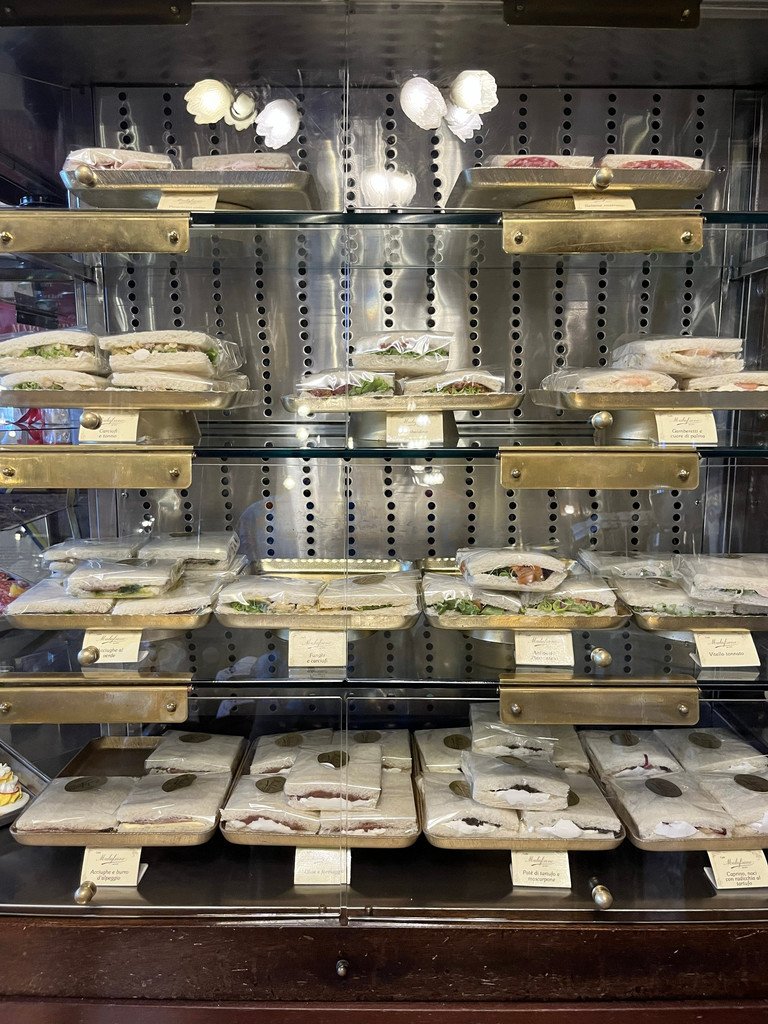
Historic cafés and vermouth bars
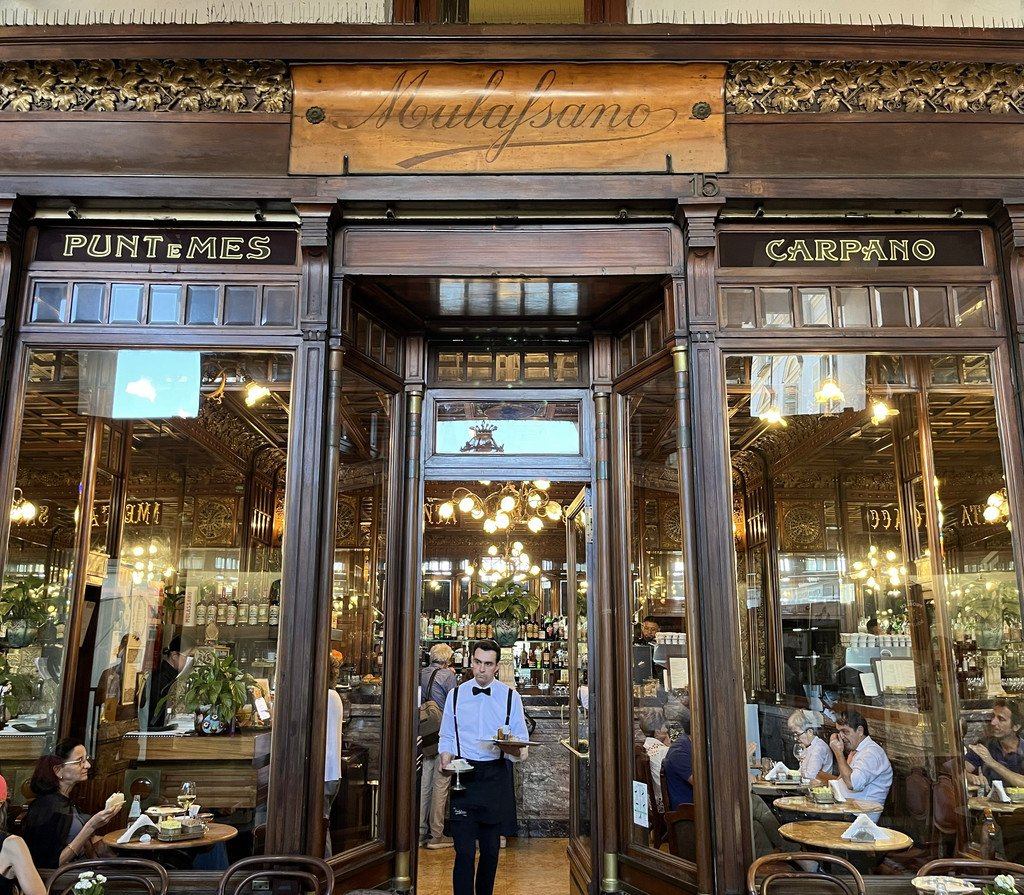
Caffè Mulassano
One of the iconic venues of Turin’s aperitivo culture, where the ritual is still enjoyed amidst velvet and mirrors, marble and antique wood. Here, the tramezzino – available with more than thirty fillings, including vitello tonnato, bagna càuda and truffle – is paired with vermouth in a combination that has become a city icon. A little journey back to the elegant Turin of yesteryear, to be savoured slowly on the outdoor terrace beneath the arcades, between a sip and a bite. Piazza Castello 15
Caffè Baratti & Milano
Established in 1875, this is one of the city’s most elegant cafés, a meeting place over the years for artists, intellectuals and leading figures in Turin society. Today, its aperitivo retains all its Savoyard charm, combining a vintage atmosphere with a selection of historic vermouths, from Carpano Antica Formula to Cocchi. A Turin classic to be savoured at leisure, between Piazza Castello and Galleria Subalpina, surrounded by history, chocolate and fine coffee. Piazza Castello 29
Vermuttino
Opened in 2022, this is Turin’s only vermouth bar and is named after one of the traditional ways of serving vermouth: neat with ice or topped with a splash of seltzer or soda. Here, in a former noble chapel in the Quadrilatero Romano, you can sample more than 80 vermouths from across Piedmont and beyond, as well as buy your favourites to take home. A small paradise for vermouth lovers. Via Bonelli 16/c
Cocktail bars and bistros
L’Opera di Santa Pelagia | Cocktail Bistrot
A ‘Santo Aperitivo’ created by young chef Marta Moraglio, which impresses with its freshness and bold flavours. Don’t miss the BBQ apple with spicy yoghurt sauce, the ‘Scarpetta’ (beef-heart ragù with garlic bread) and the savoury éclairs filled with roast chicken mousse. The drinks are equally intriguing, including the excellent ‘Santo Americano’ and ‘Non sono una Santa’, as well as a fine selection of vermouths and wines by the glass. Via San Massimo 17/H (next to the church of Santa Pelagia)
Azotea
Beneath the Mole Antonelliana, the essence of Nikkei cuisine: a refined fusion of Japanese gastronomic culture and Peruvian tradition, characterised by acidity, precision, technique and elegant combinations. The aperitivo package, featuring five tastings and a cocktail (€30), showcases the vibrant colours and culinary expertise of Peruvian chef Alexander Robles, alongside the creativity of the cocktail menu, with almost 40 creations to choose from. A must-visit destination for anyone interested in Italy’s vibrant mixology scene. Via Maria Vittoria 49/B
Dispensa
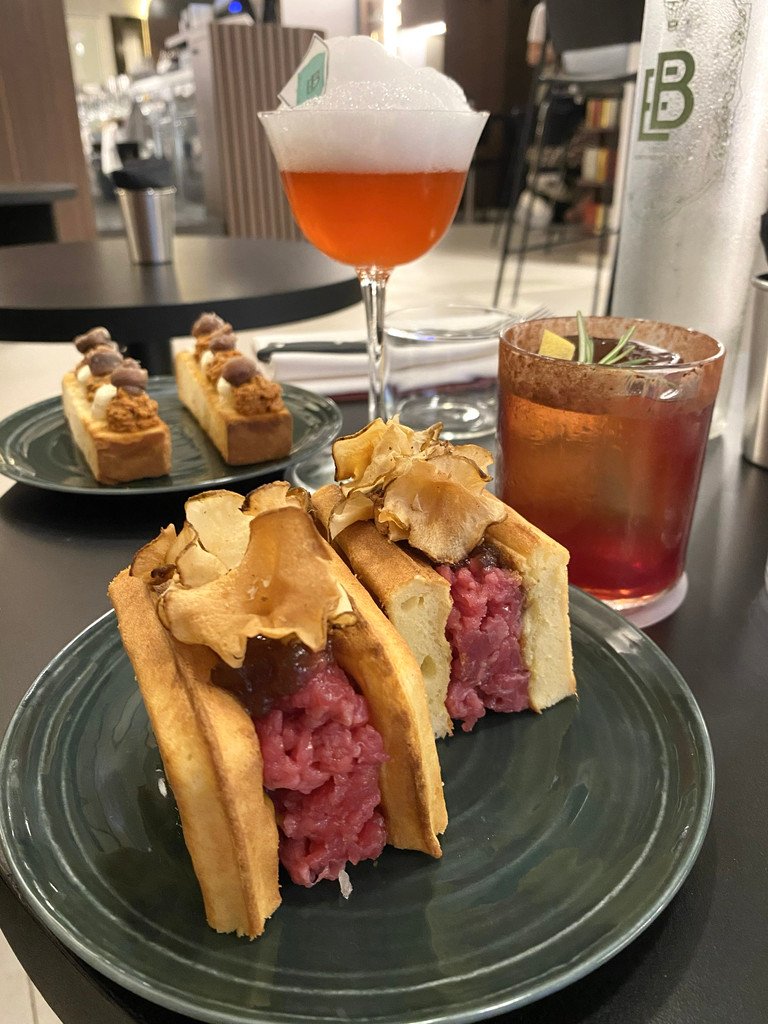
Amid smart blue walls lined with bottles – the venue is owned by Compagnia dei Caraibi – and floor-to-ceiling windows overlooking the city’s most picturesque arcade, enjoy a gourmet aperitivo featuring signature cocktails and small bites. These are reimagined versions of traditional Piedmontese dishes created by Brazilian chef Ruan Da Costa e Silva. Don’t miss the Fassona beef tartare with leche de tigre, Grandma’s meatballs and tomini cheese with caramelised spring onions. Galleria Subalpina 21
Smile Tree
Here, aperitivos becomes a playful blend of cocktail design and 100% plant-based tapas. In the heart of the Quadrilatero, each cocktail comes with a selection of nibbles, including focaccia, lentil balls, croquettes, pasta, vegetables and crostini. But the real stars are the drinks: spectacular, creative and slightly eclectic, complete with smoke, flames and striking glassware. Piazza della Consolata 9/C
Osteria Nuova
In a stylishly refurbished osteria, just a stone’s throw from Porta Nuova railway station, you’ll find a delicious and remarkably affordable (€15) merenda sinoira. Alongside samples of typical Piedmontese starters, such as vitello tonnato and insalata russa, there’s a glass of wine, cocktails and three different types of vermouth, served neat in vintage-style glasses. Via XX Settembre 2/M
Il Martinet
In one of Turin’s most historic restaurants still in business – situated just outside the city centre in the San Donato neighbourhood and under new management for the past ten years – there’s also room for a merenda sinoira. Before the restaurant serves dinner, you can choose from traditional dishes and vegetarian options, to enjoy in the restaurant or take away, accompanied by their wines and a touch of fusion. Via Martinetto 4B
Unconventional aperitivos
MARAVIJA
Ever thought of a chocolate aperitivo? Savoury pralines and vermouth: a marvellous treat. In the centre of Turin, this artisan chocolate shop brings cocoa from Ecuador into the world of savoury flavours. The open-plan workshop showcases the master chocolatier’s attention to detail, while alongside the classic gianduiotto, surprising combinations emerge: chocolates with Parmesan, ’nduja, peperone crusco, Taggiasca olives and truffle. A truly unconventional aperitivo, to be enjoyed without preconceptions. Via Carlo Alberto 44
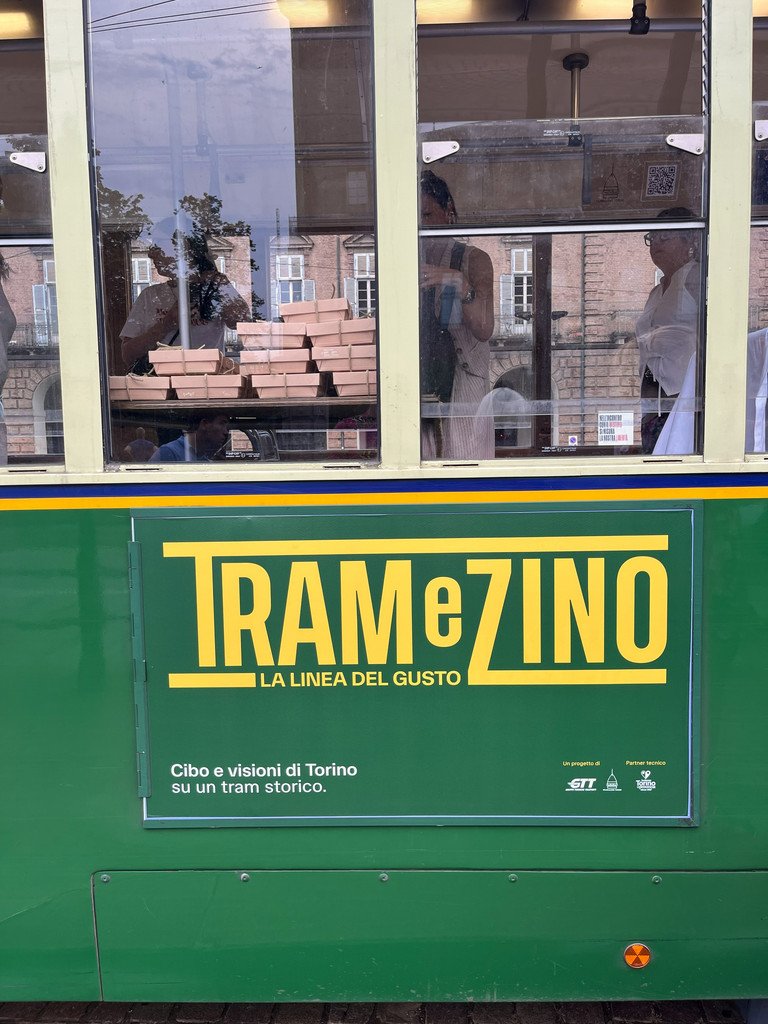
TRAMeZINO
A ride on a historic tram operated by Gruppo Torinese Trasporti, with an aperitivo featuring Turin’s most iconic sandwich. The tour sets off from Piazza Castello and winds its way through the city, taking in its most famous market – and one of the largest in Europe – Porta Palazzo. A glass of sparkling wine and a selection of traditional or veg tramezzini from Tramezzino Torino complete this unusual experience. Bookings: turismotorino.org
Eredi Borgnino
No, you haven’t made a mistake – you’ve stepped into what is essentially the contemporary version of an old-fashioned grocery shop. Eredi Borgnino, specialising in the import and processing of dried and dehydrated fruit, as well as spices and candied fruit, has been around since 1908. Today, it serves an intriguing and creative aperitivo in which the flavours and textures of the shop’s products take centre stage. Among the signature cocktails, don’t miss the ‘Torino Milano via Novara’ and ‘Sweet Dora’, as well as the various NoLo creations. Via della Rocca 10
Aforisma
How can you combine a passion for pizza with an aperitivo? With a special session every day from 6 pm to 8 pm, when Claudio Fusco – one of Turin’s most skilled and knowledgeable pizza chefs and fermentation specialists – offers a selection of his freshly baked creations. And if you find yourself craving pizza afterwards, stay on for dinner and continue your tasting journey with stuffed buns, contemporary pizzas and one of the city’s finest Margheritas. Via Tepice 8
Galup Store & Caffetteria
If you’ve never enjoyed an aperitivo with panettone, now’s the time to give it a try. Not just any panettone, but one flavoured with lemon and basil, or filled with cheddar and prosciutto, toasted and served in slices. Pair it with classic Italian cocktails and round off the experience on a sweet note: a praline, biscuit, ice cream or individual pastry – with gluten-free options also available. Via Andrea Doria 7
Casa Pepita
The aperitivo comes at the end. After a three-hour course – the only one of its kind in Italy – on the art of tramezzini: kneading the dough, filling them and serving them just as they would in a historic café. Since 2022, Paola Mazzier has been organising courses – mostly in Piedmontese and French cuisine – at her elegant home in the centre of Turin. And at the end, participants get to taste what they’ve prepared, accompanied by Paola’s wines – Chardonnay and Barbera – produced in Monferrato at Casa Pepita in campagna, her country estate. More info: casapepita.it

You eat to live, but mostly you live to eat: in Turin, at home, in the world. And then to travel, cook, read, go to the movies, tell stories. Giorgio Pugnetti loves pink, vintage, gnocchi, vitello tonnato, vermouth, ricotta cheese desserts, ice-cream and pizza. As a designer, every day he pursues beauty, creativity, stories. He has been working for twenty-five years at the Politecnico di Torino, although his great passion remains food: cooking it, photographing it and talking about it. He has been blogging on monsubarachin.it for 12 years and on La Stampa’s Torino7 for almost three years. He has written two books: one on the culinary history of Turin and one on the 99 best pizzas in Turin.