NOT A HOTEL began with a hotel that never got built.
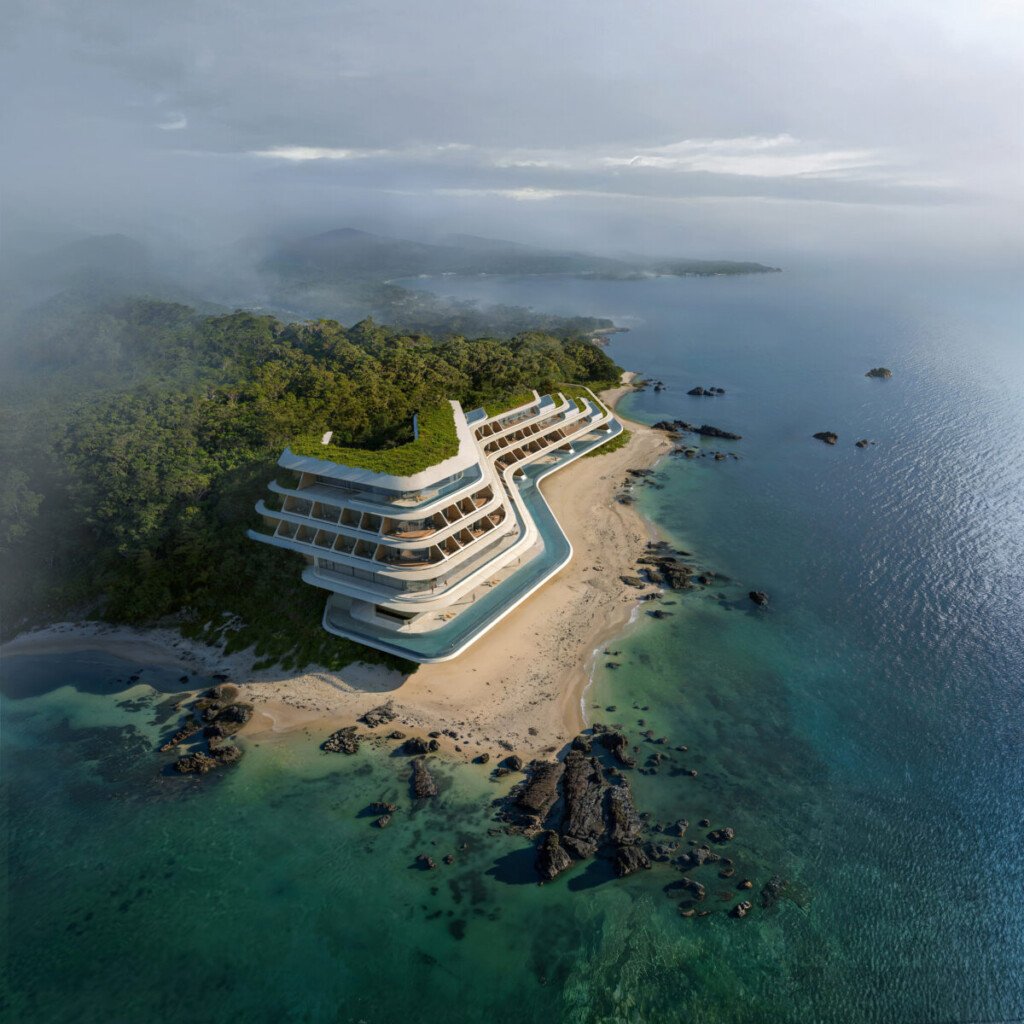
In Aoshima, a seaside town in Miyazaki that had once been a popular honeymoon destination, Shinji Hamauzu bought a piece of land with plans to develop a hotel. The town had flourished back in the 1960’s and 70s, before cheap international travel drew Japanese newlyweds elsewhere, and Hamauzu saw an opportunity to bring something new to the area. But there was one – pretty significant – barrier. The bank would not finance it.
As David Marx of NOT A HOTEL recalls, the response was essentially: “You have no experience in hospitality, we’re not giving you money.
Perhaps this was fair. Hamauzu had hospitality experience. He was originally from Miyazaki and had founded a fashion e-commerce business there, which was later acquired by Zozotown. He stayed with the company another five years as the CEO of one of its subsidiaries before stepping down and considering what he wanted to do next. He was also a collector of vintage furniture, including Jean Prouvé, and liked the idea of creating places where such things could actually be lived with. However, the bank’s rejection forced that idea in a different direction.
Hamauzu began wondering whether he could plan the property first, sell portions of it before it was built and use that money to fund the project. This way, several people would own the same holiday house, and each would have a certain number of nights there every year. David describes the early thinking as being “almost like crowdsourcing to build the hotel.”
The first two projects became Aoshima and Nasu. And somewhere in the process, the question had changed. It was no longer only how to finance a hotel. It was whether the way people traditionally owned holiday homes made much sense either.
Many of us romanticise a holiday home, but when you add up the costs and start counting how often you’re actually there, it’s not quite so attractive. Industry research suggests that vacation-home owners use their properties for an average of only about 20 nights a year. For the remaining 345, it’s still a house: roofs leak, things age, gardens grow and, if you’ve been seduced by the idea of a cabin in the Japanese mountains, winter arrives whether you do or not. “You have this issue where your house is mostly being unused”, he says.
NOT A HOTEL’s answer to this was fractional ownership. The phrase makes the idea sound more complicated than it is. Essentially, instead of buying all 365 days, you buy a share corresponding more closely to the amount of time you will actually spend there. “You own what you will use”, David says.
And you really do own it. This is not a club in which the word “ownership” is being used generously; your name does appear on the deed. Overseas buyers can purchase too, with the company helping to make the process of cutting through the red tape much smoother.
Once there was more than one NOT A HOTEL, another fairly obvious thought followed. Perhaps an owner didn’t always want to go back to the same house. Allocated nights can therefore be exchanged across the network. A share in one property becomes, to some extent, a way of moving around Japan. If owners don’t use their nights, some can also be rented out and the income returned towards the costs of the property. David repeatedly comes back to the idea that the system should be “fair” and “rational” for the owner.
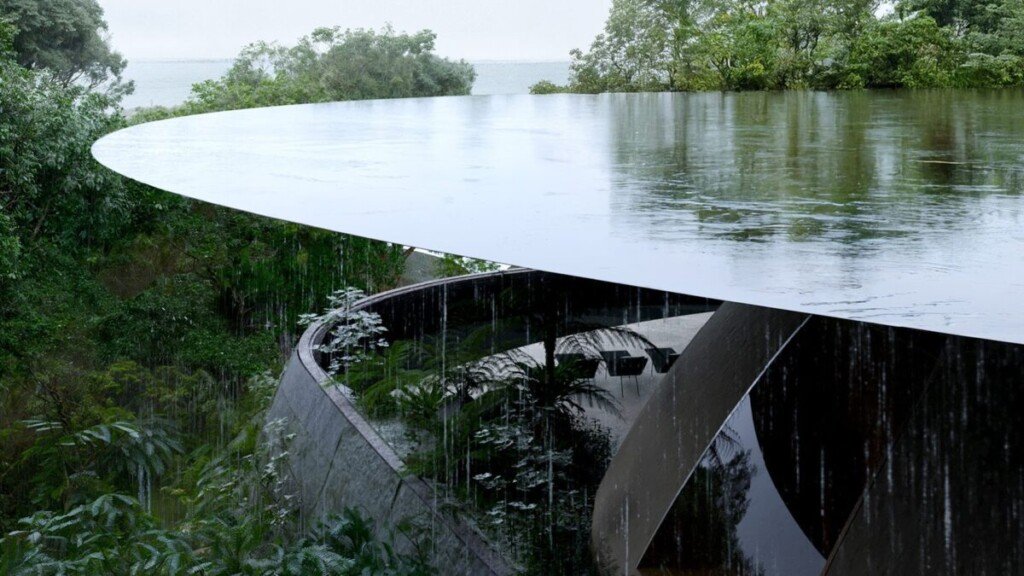
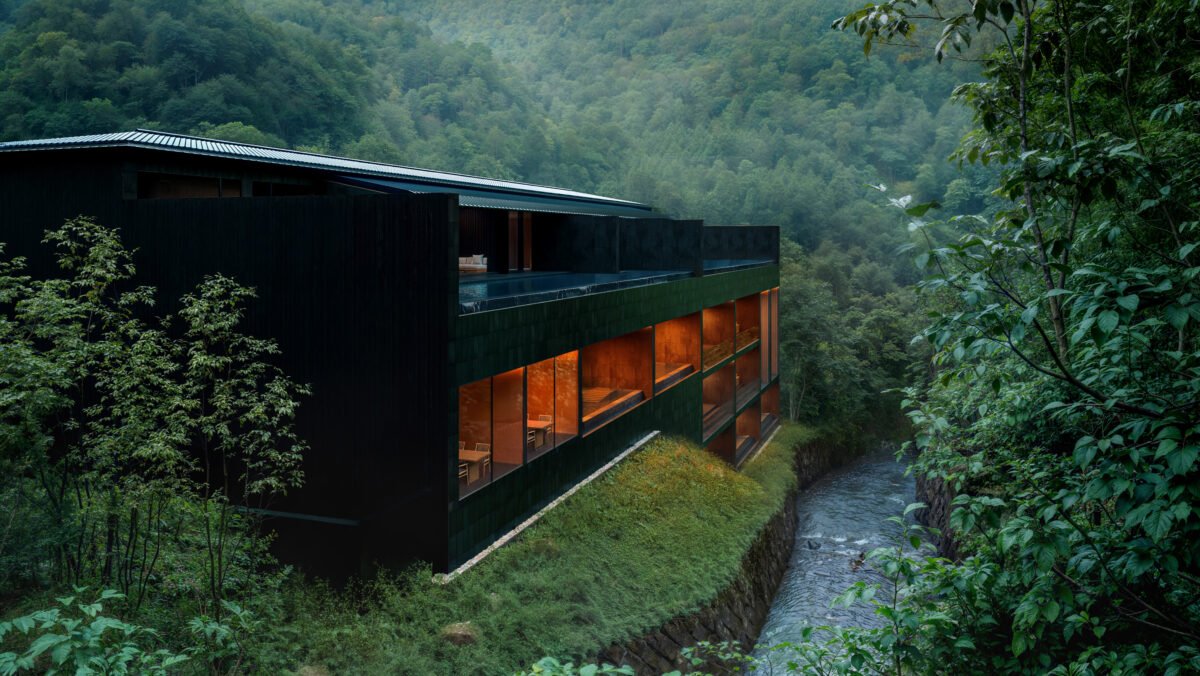
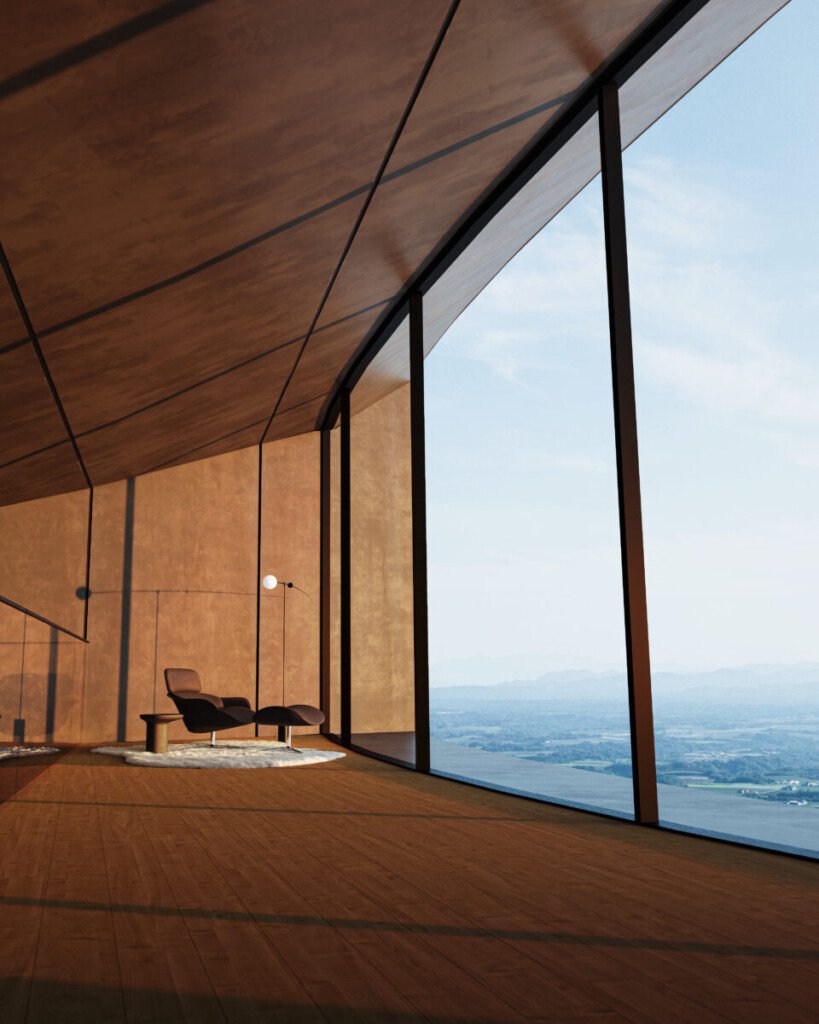
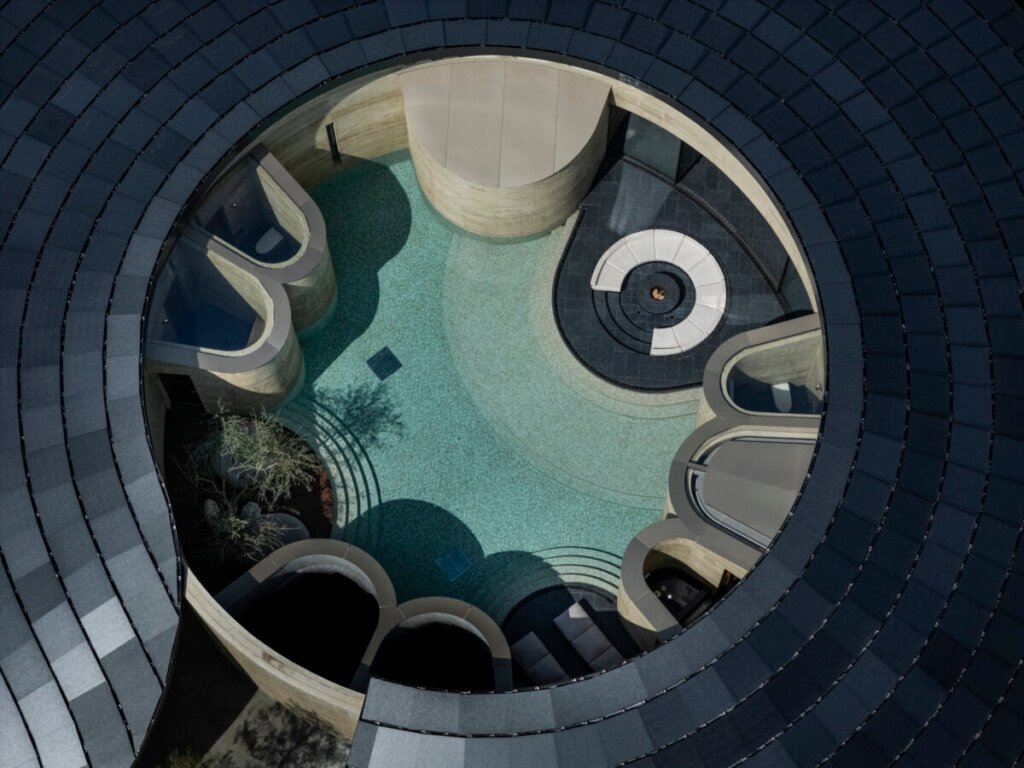
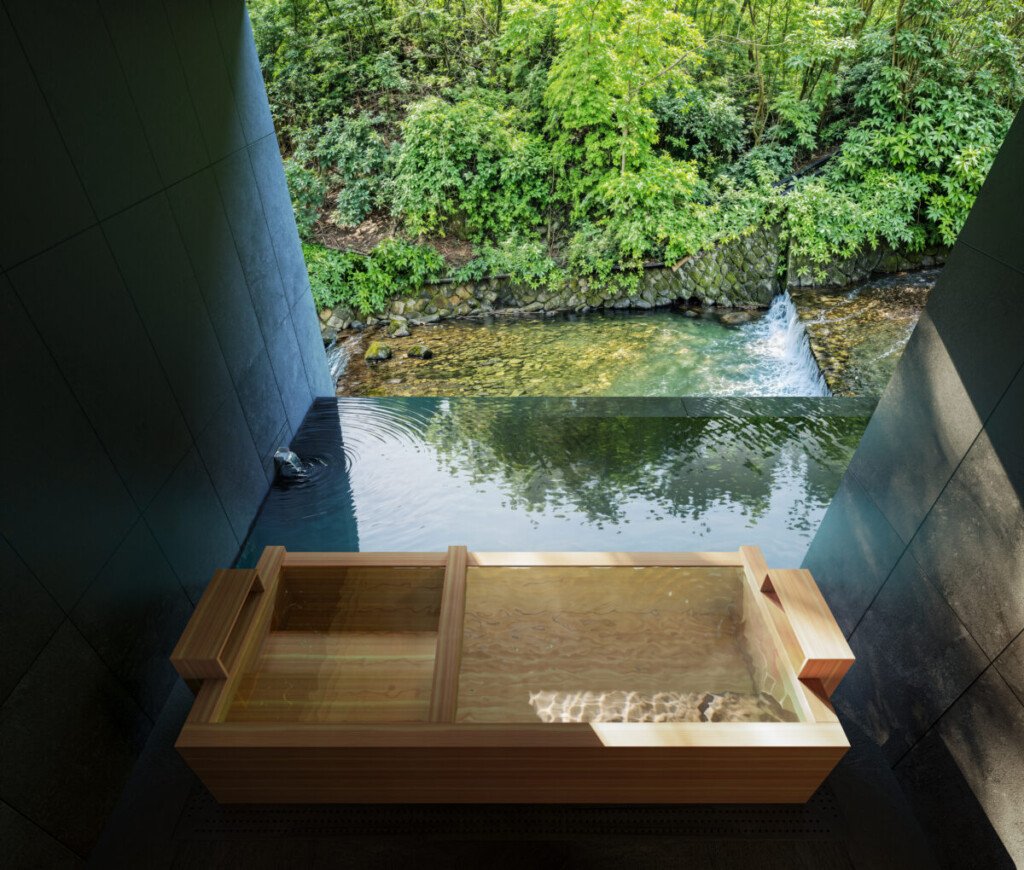
The houses themselves are rather less rational-looking: designed by Bjarke Ingels, Sou Fujimoto and Snøhetta in places rarely found on a first-trip-to-Japan itinerary. NOT A HOTEL is unique in that they start with a beautiful piece of land and work backwards from there. Landowners and developers approach the company with sites they don’t quite know what to do with. The architectural team looks at them and starts thinking about who should be involved. Shinji Hamauzu describes how they can visit a site and know, “This feels like Bjarke Ingels. This is perfect for him.”
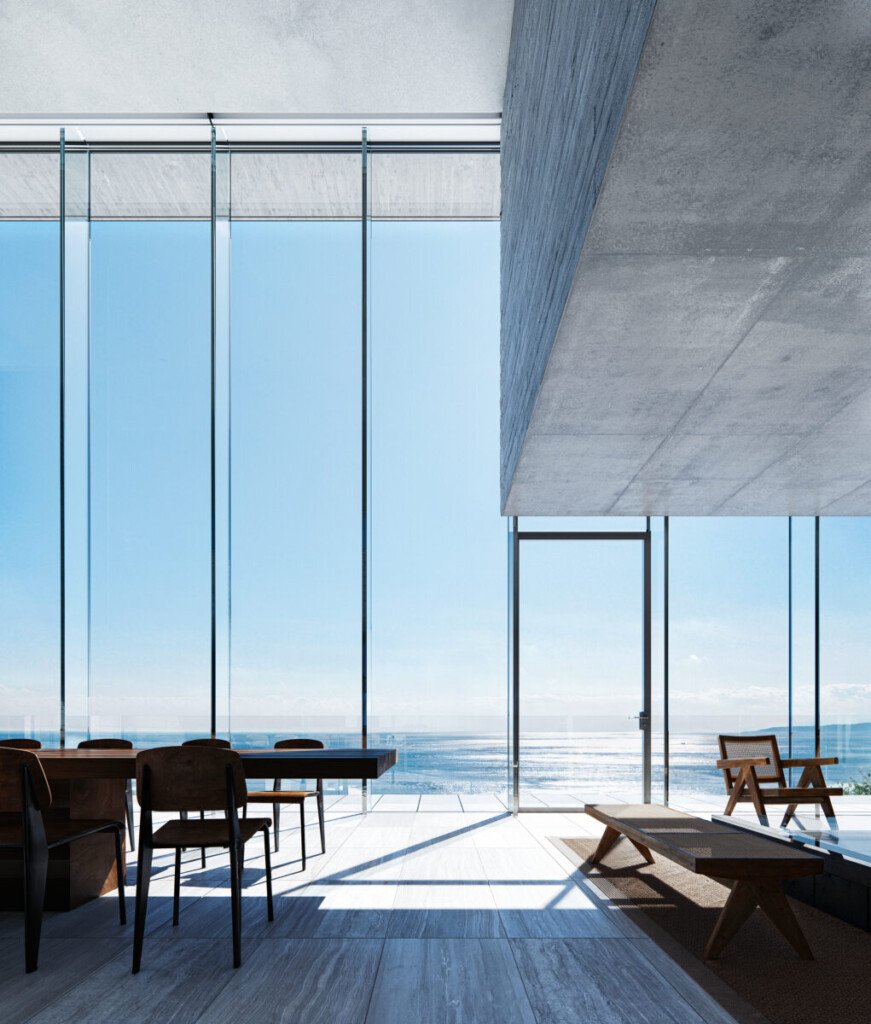
At Setouchi, Ingels designed villas to capture different views across the Seto Inland Sea. The three villas are called 360, 270 and 180 according to the angles of their views. Their rammed-earth walls use earth from the island itself.
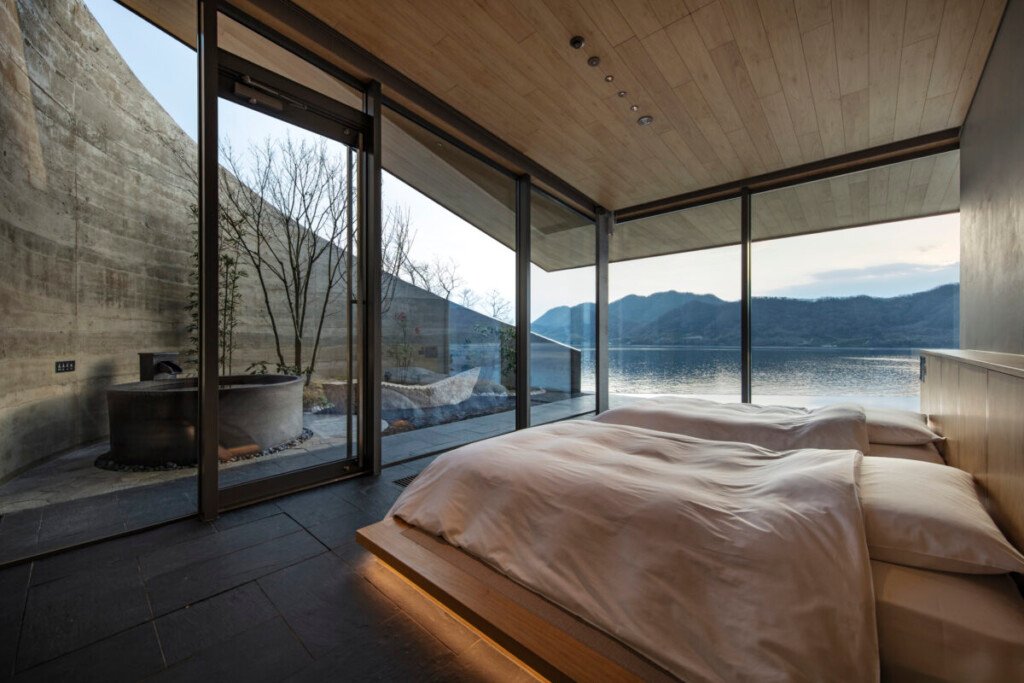
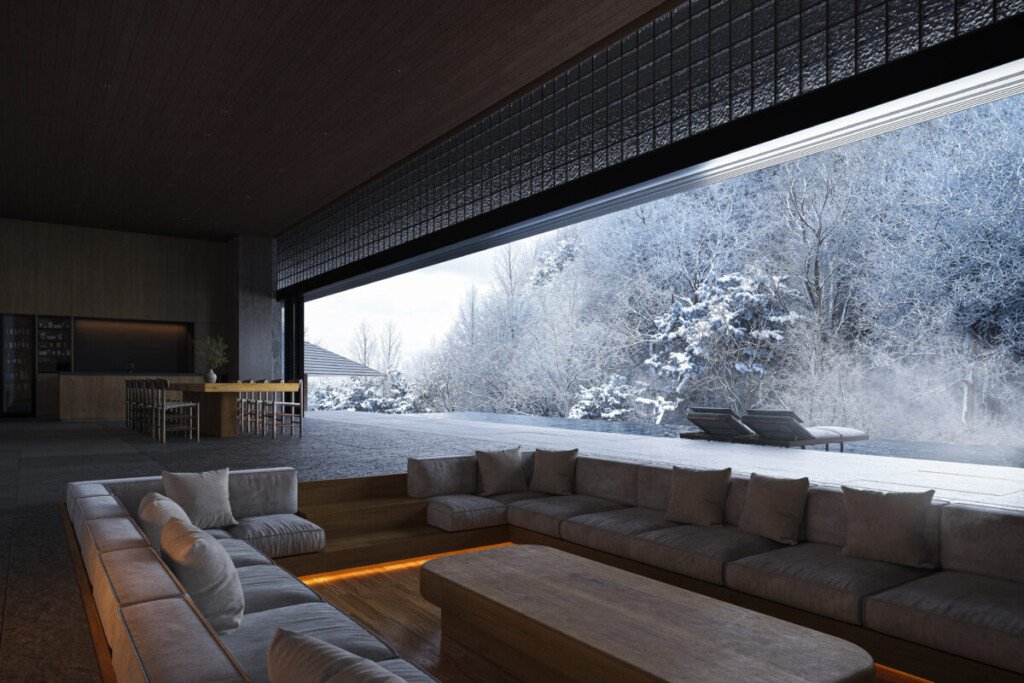
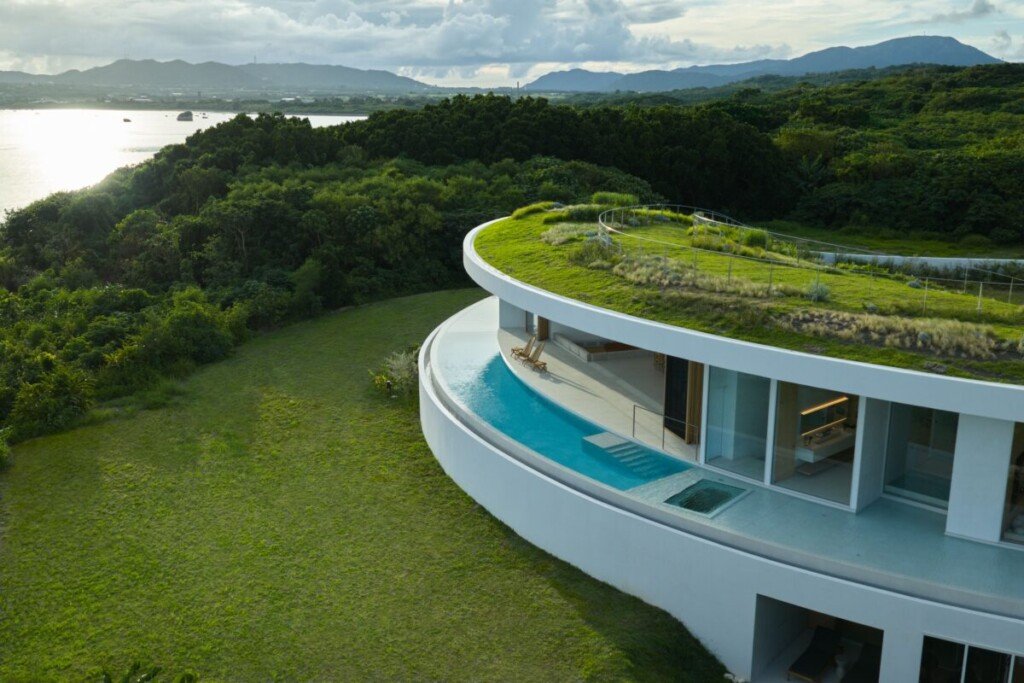
At Ishigaki, Sou Fujimoto responds to an altogether different Japan: Okinawan, subtropical, bright and open to the water. Snøhetta’s Rusutsu property belongs to Hokkaido and the mountains. NIGO’s involvement at NOT A HOTEL Tokyo brings fashion, art and furniture into the mix.
They are not supposed to look as though they belong to a family. “Every single one just feels different,” David says. The idea is for each property to suit its surroundings and the vision of the architect responsible for it.
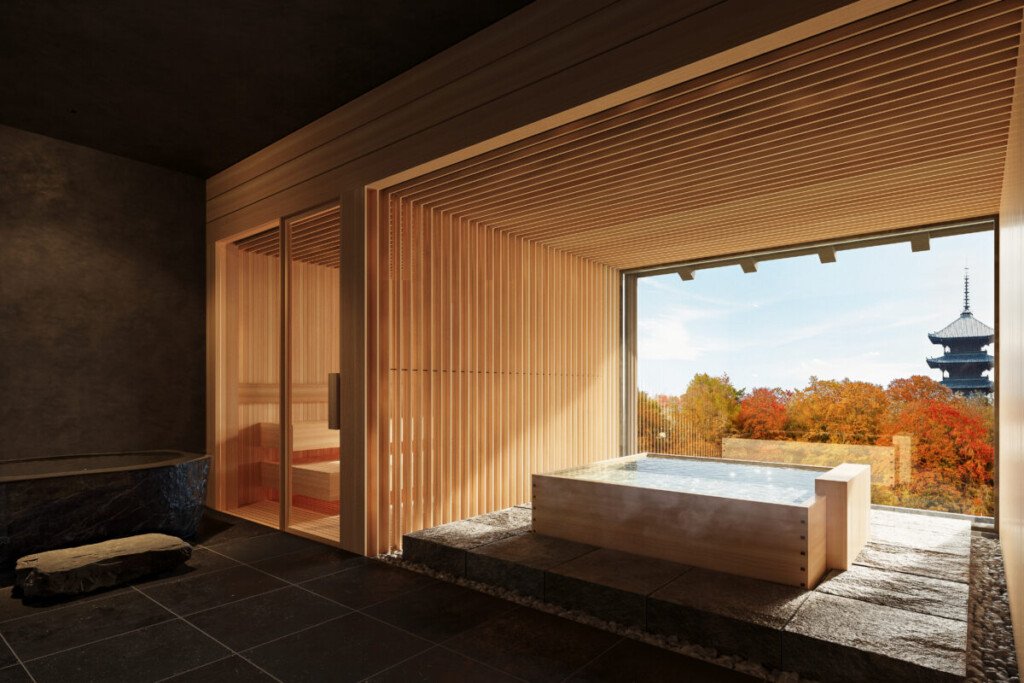
And then there is perhaps the most interesting inversion in the whole project: “The house itself becomes the destination.” This makes more sense in Japan than it might elsewhere. A place can look impressively remote while being surprisingly painless to reach. David points out that flights and the Shinkansen put much of the country within “an hour or two” of Tokyo. He expresses that “Minakami may not be a place that you’ve heard of if you’re from outside of Japan, but they’re all very accessible.”
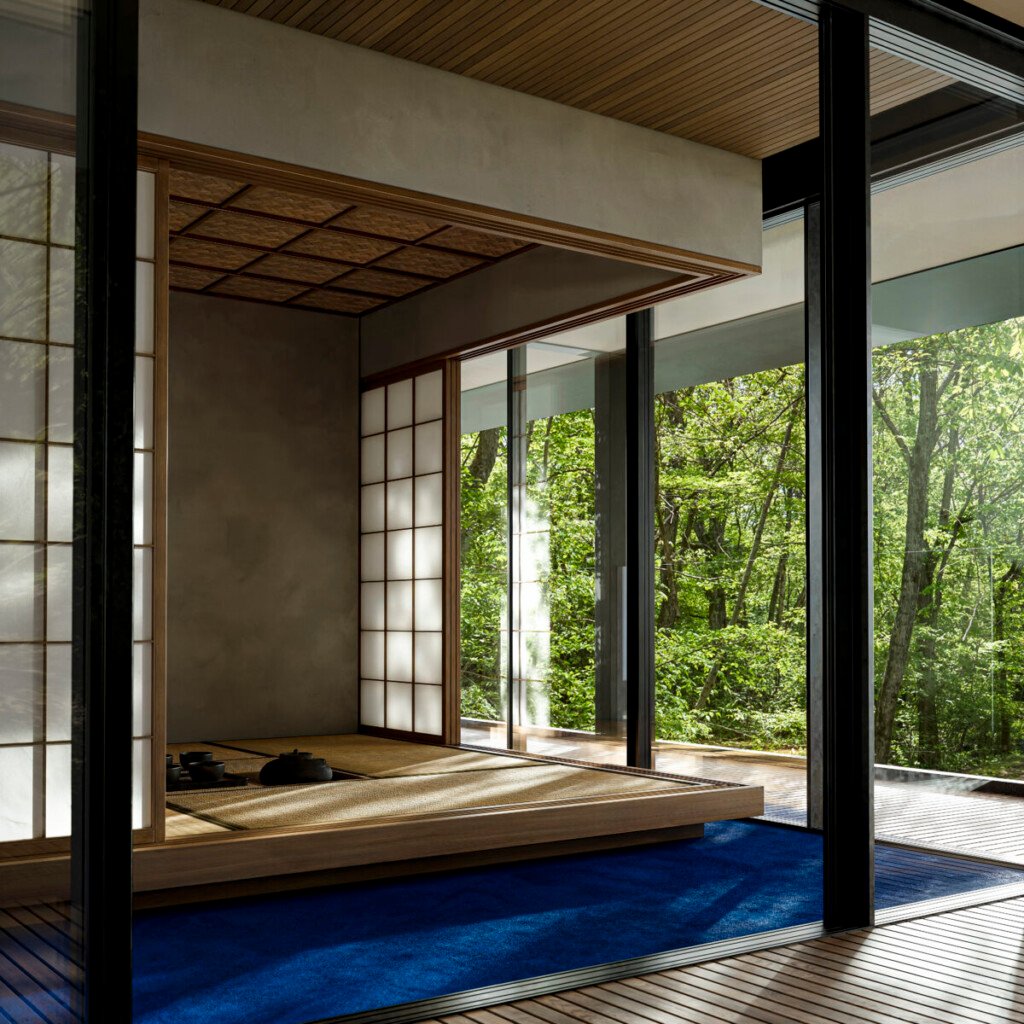
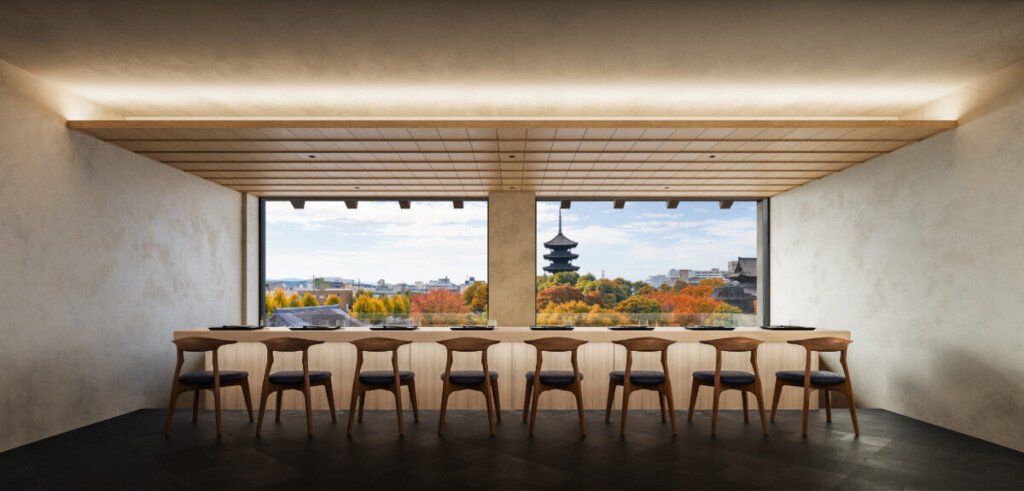
Luxury hotels also have a curious ability to become more international the more expensive they get. Excellent linen, excellent lighting, excellent breakfast: eventually it becomes possible to wake up and need a moment to remember which country you’re in. There’s no mistaking where you are with NOT A HOTEL. The experiences team works with local people on activities ranging from fishing and boating to yoga and paddleboarding. Food changes with the location too. In Ishigaki, the menu is Okinawan… because you’re in Okinawa. In Aoshima, the company has gone beyond the houses themselves and built a public restaurant, skate park and park. “We want them to experience the place,” David says, rather than enter “an isolated retreat that is separate from the place.”
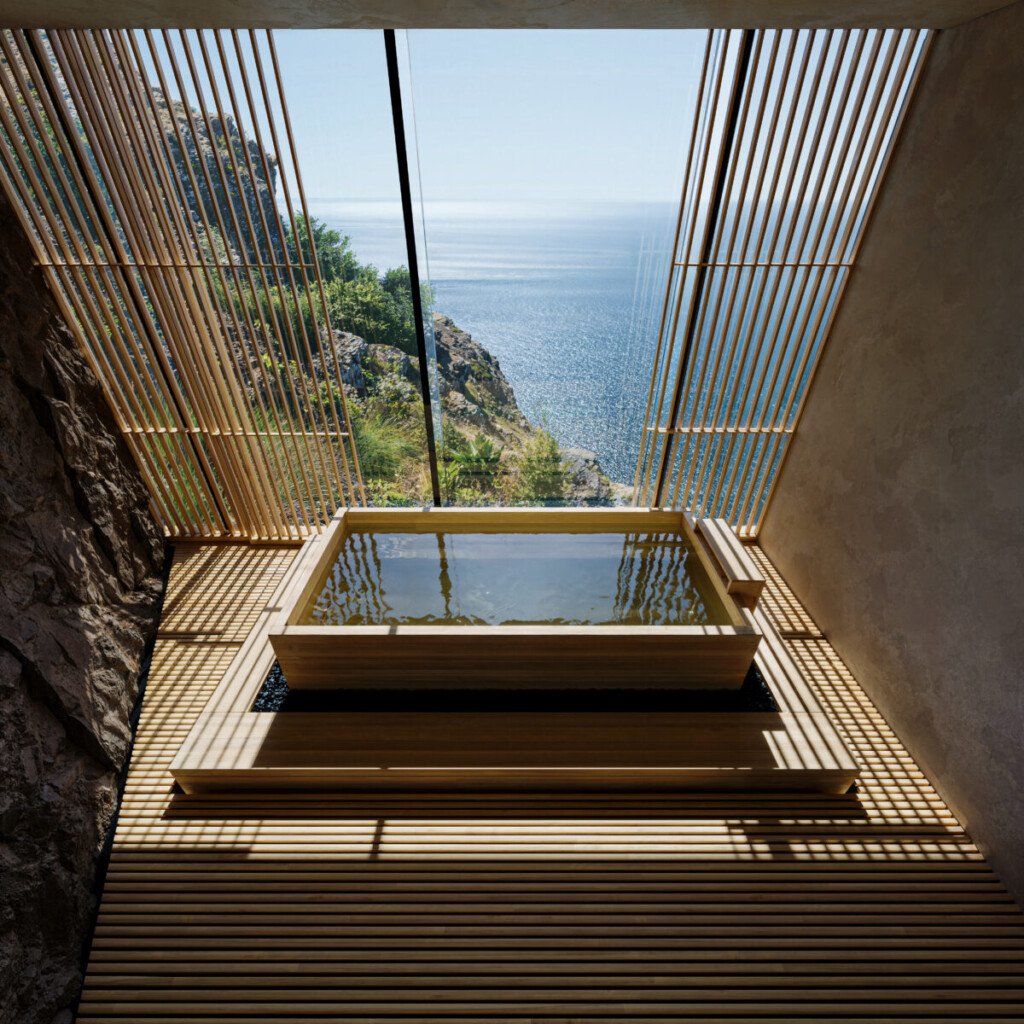
The food is overseen by Michelin-starred chef Ryoji Hayashi, but there’s no universal menu travelling from property to property. Local ingredients and recipes are used instead. “Food is a major part of the stay,” David says, which sounds obvious until one remembers how many expensive places still treat dinner as an amenity rather than part of the reason for being there. There is something recognisably Japanese about the thinking, even if the buildings themselves can look highly futuristic. A good ryokan has always understood that the room, the dinner, the landscape and the way you’re looked after are not really separate things.
Technology plays a big role in NOT A HOTEL, too. The company has around 50 software engineers working on its proprietary app, through which owners and guests can open doors, speak to the concierge and order meals. If you can arrive at your house, open the door and speak to somebody whenever you need to, what exactly is a lobby for? David describes the aim as using technology “in a way that doesn’t get in the way of the experience, but enhances it.” and “if you don’t want to have to run into people, you don’t have.”
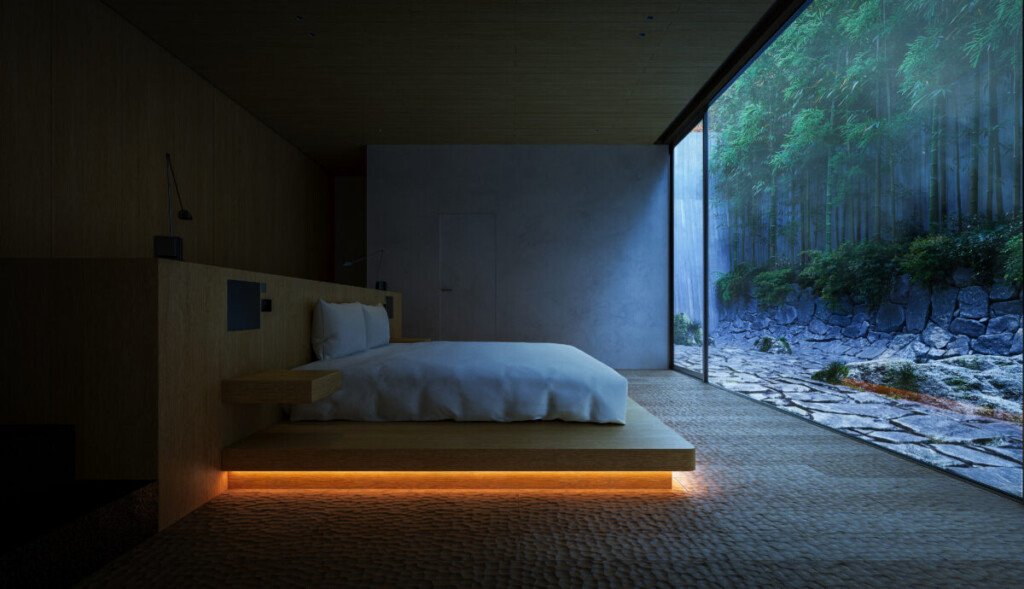
Owners can also leave belongings in storage, which staff put back into the property before they arrive. It’s a small detail, but it may be one of the cleverest. The strange thing about even the loveliest hotel is that it does not remember you. Your suitcase arrives; your suitcase leaves. Here, your things are already waiting. “When you come to the property, it really feels like your home,” David says.
For non-owners, things are a little less straightforward. Most NOT A HOTEL properties are not simply sitting on Booking.com waiting to be reserved. The Fukuoka property operates somewhat closer to a conventional hotel, while most of the other residences are difficult to book without being an owner or prospective owner. Which seems appropriate for a company whose name has spent the entire time literally spelling out what it is not.
Perhaps the most useful thing about Hamauzu having no hotel experience was that nobody had taught him which parts of a hotel were compulsory. The goal was is to rethink the hospitality experience “from the ground up”. Hamauzu did not come from hotels, and therefore the question was more basic: “If you were just to start this whole thing from scratch, how would you do it?”
Once you phrase it like that, NOT A HOTEL starts to make a lot more sense. Would you buy 365 days of a holiday home if you only used twenty? Would you always build in the places tourists already knew? And, if somebody could cook you dinner, maintain the house, arrange the boat, unlock the door and put your own belongings back before you arrive, at what point does a hotel begin to feel more like home?
The bank in Miyazaki saw Hamauzu’s lack of hotel experience as a reason not to finance his project. In retrospect, it may have been what made the project so compelling.
All images courtesy of Not A Hotel. notahotel.com