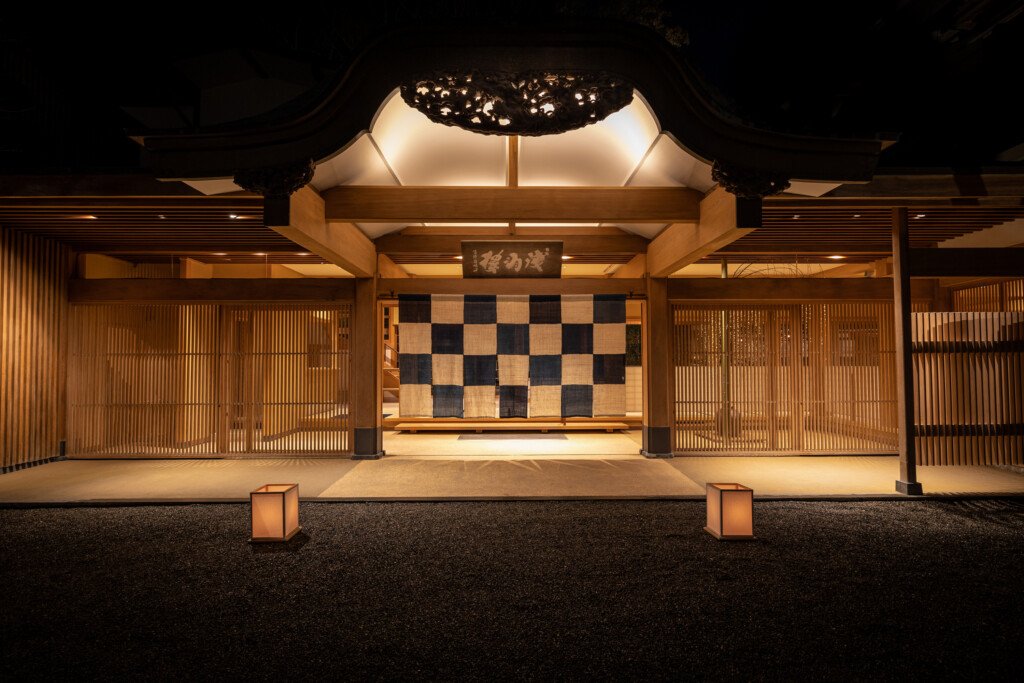
Asaba has been welcoming travellers for more than five hundred years. Impressive on first thought, but even more so once you consider what that actually asks of a place. Buildings age. Tatami wears out. Gardens grow. And ideas of comfort change massively. And yet in Shuzenji, a hot-spring town on the Izu Peninsula, the same family has been running this ryokan since 1484.
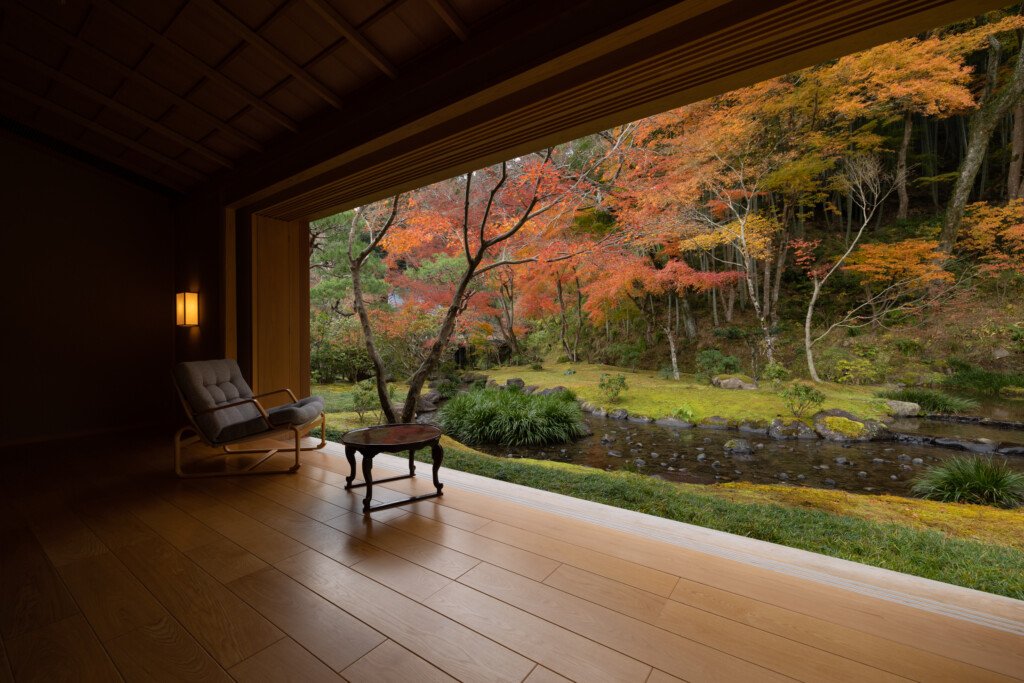
It began when the Buddhist monk Yakuro Yukitada Asaba arrived in Shuzenji to establish the Soto school of Buddhism. While serving as guardian of the nearby temple, he opened a lodging house for a monk in training. Ten generations later, Kazuhide Asaba is still welcoming travellers.
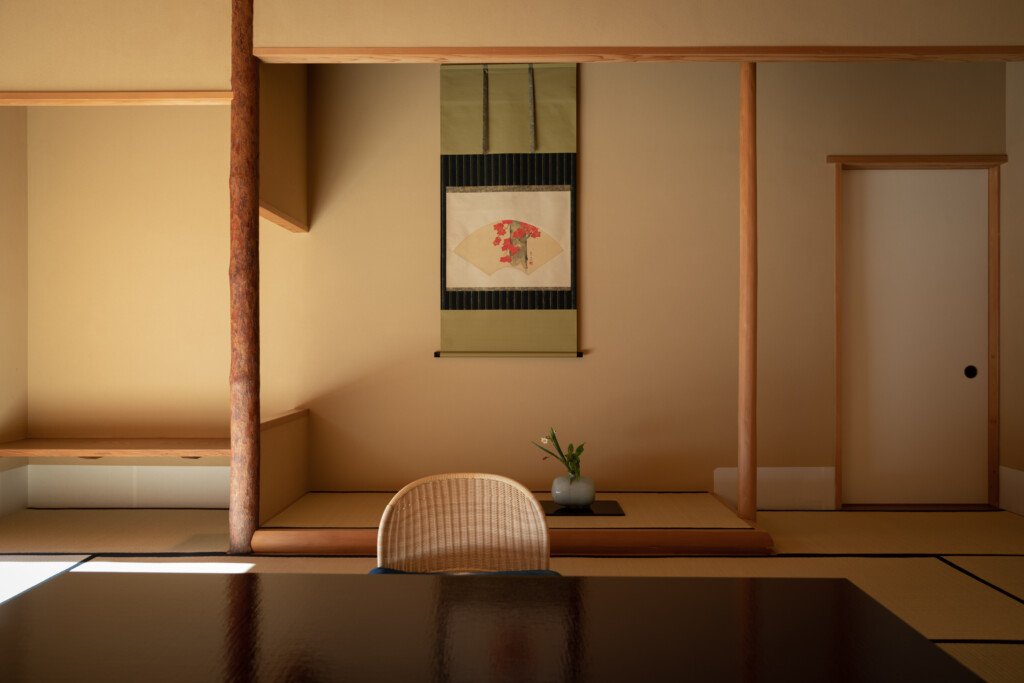
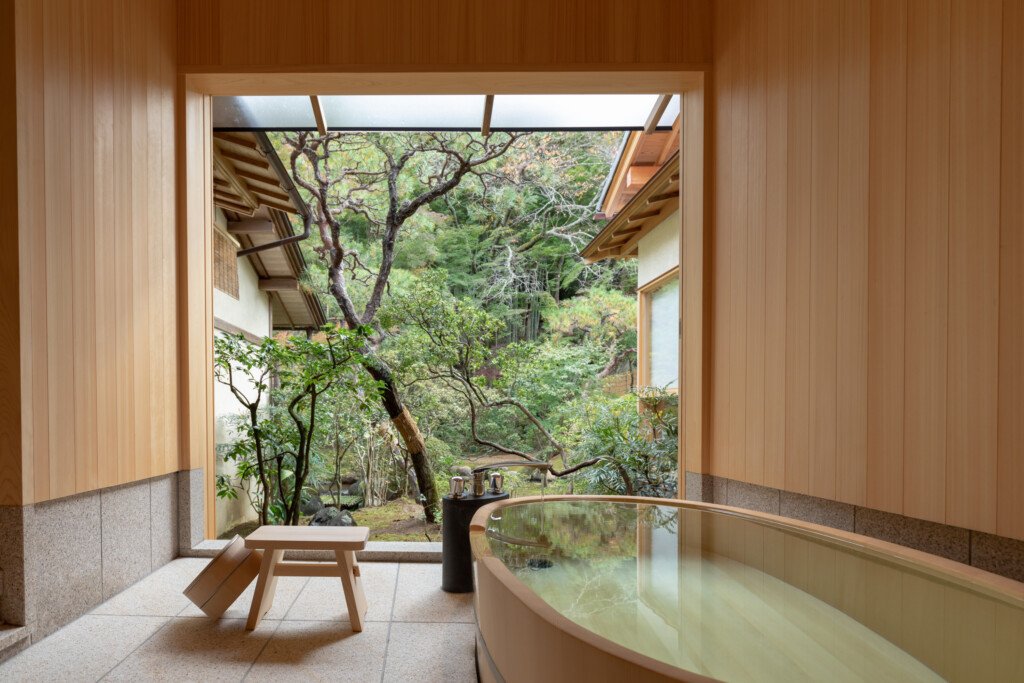
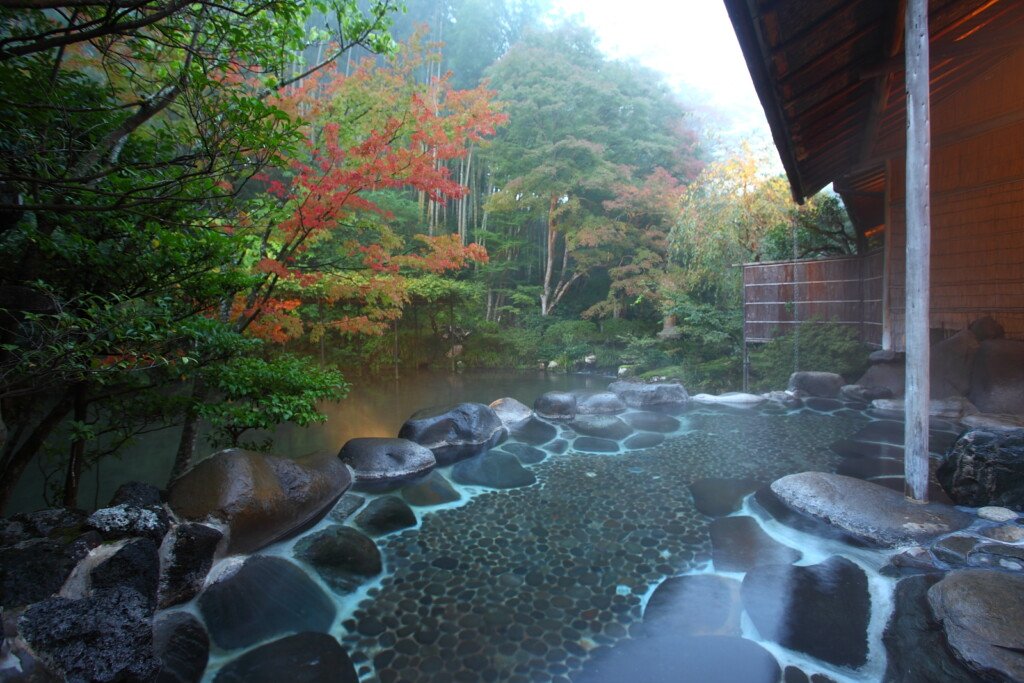
Naturally, the details have changed. Guests are no longer expected to live as one might have done in the 15th-century, which is probably just as well! Western-style beds and private hot-spring baths now sit alongside tatami rooms and handmade futons. More of what we’d expect in 2026. The Villa Suite has 220 sqm facing the garden, with an outdoor bath carved from Towadaishi stone and another inside made from koyamaki, or Japanese umbrella pine.
But Kazuhide Asaba doesn’t see any of this as compromising the ryokan’s history. Quite the opposite, in fact. For him, preserving tradition is “not merely a matter of retaining the forms of the past”, he says, “but at the same time, we will continue to strive to provide a comfortable stay by flexibly incorporating necessary changes in line with the times.” This is the secret to how they’ve kept something so old alive.
At Asaba, much of the work seems to go into making the work itself disappear.
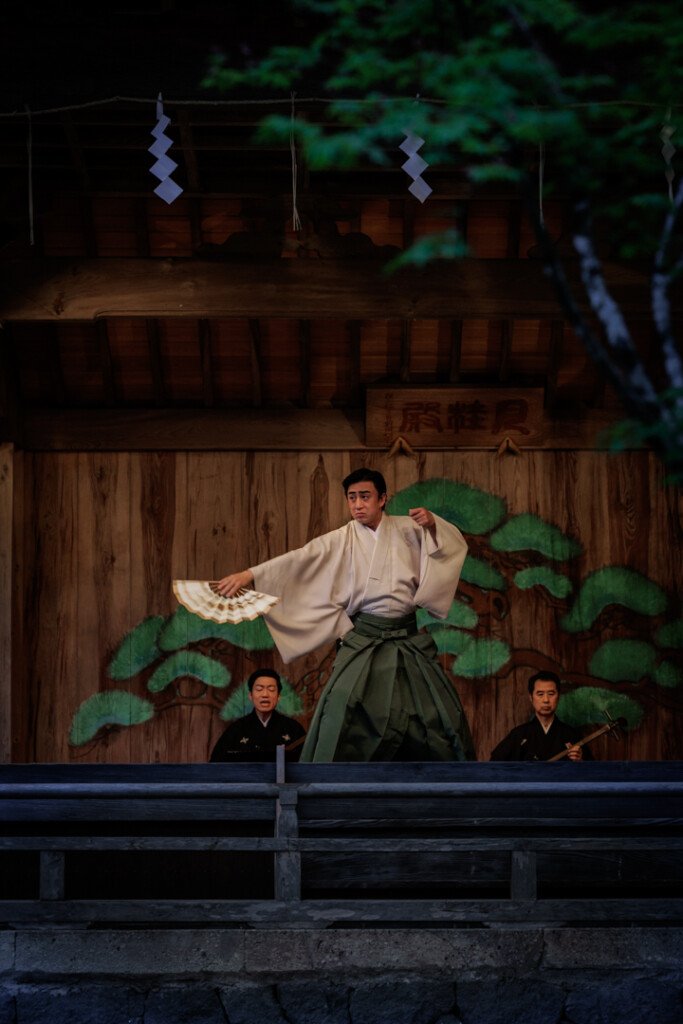
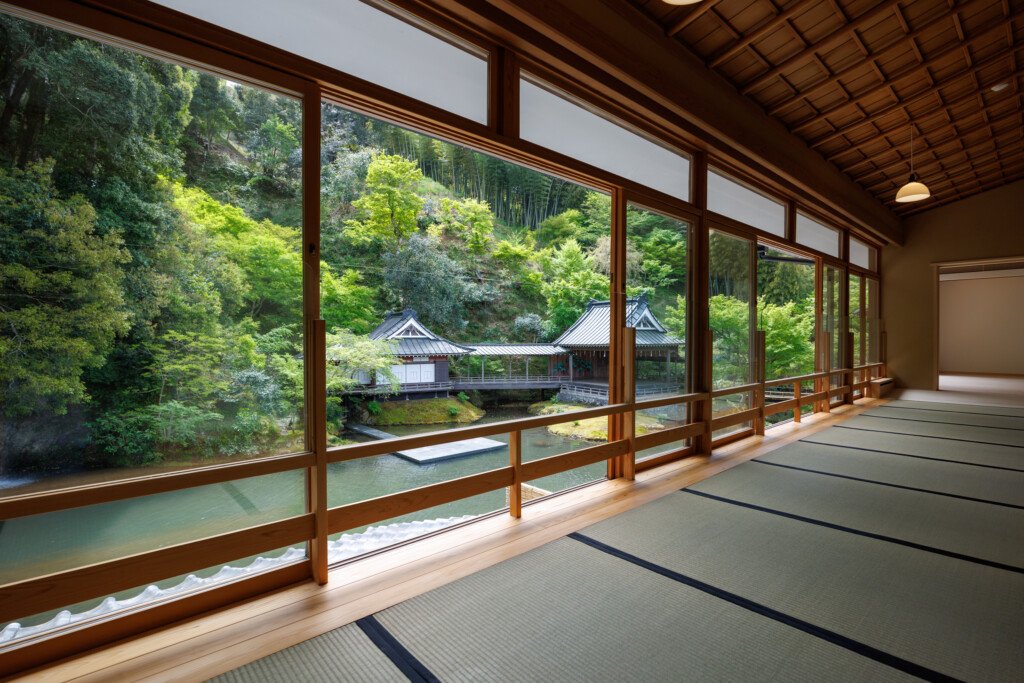
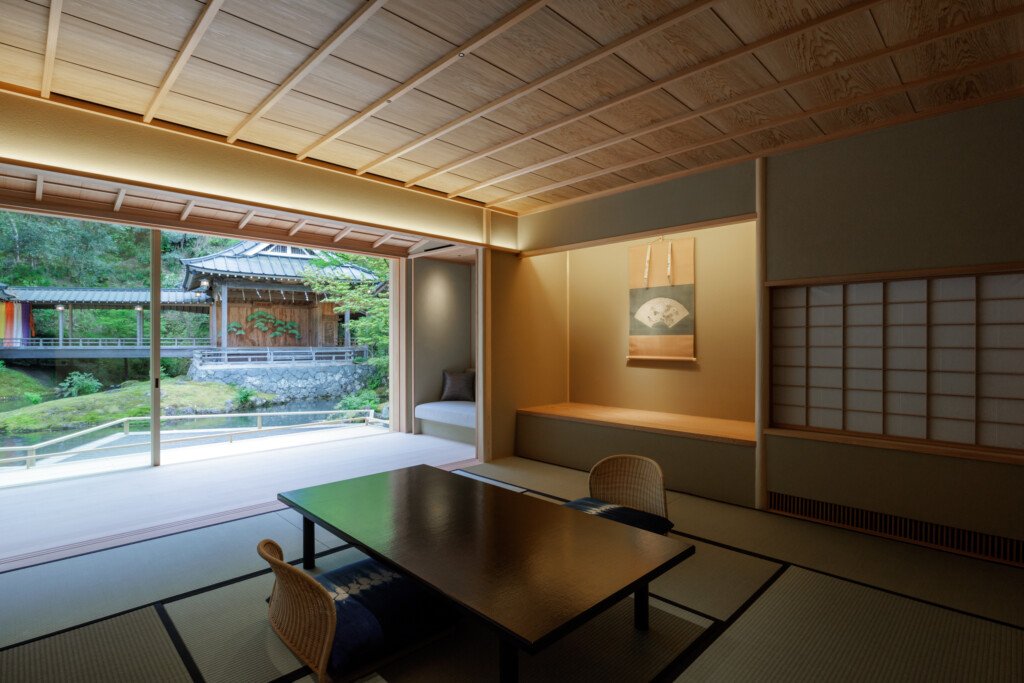
Tatami rooms still open onto the gardens. Meals are still served privately in the guest’s room. Across a pond bordered by bamboo stands Gekkeiden, the ryokan’s open-air Noh stage, where one of Japan’s oldest performing arts is still performed. Seen from the rooms, though, it looks almost as much a part of the garden as the bamboo surrounding it. And most of the time, nothing happens on it. It’s simply “a symbol that quietly conveys Asaba’s history and culture”. The stage has hosted Noh, Kyogen comedy, Shinnai storytelling and classical Japanese dance as part of the Asaba Cultural Journey for more than forty years. It was originally donated by Viscount Toshika Maeda, the former lord of the Daishoji Domain, and moved here from Fukagawa Tomioka Hachimangu Shrine in Tokyo during the late Meiji period by Asaba’s seventh-generation proprietor. But between performances it just sits across the water, reflected in the pond, changing with the light.
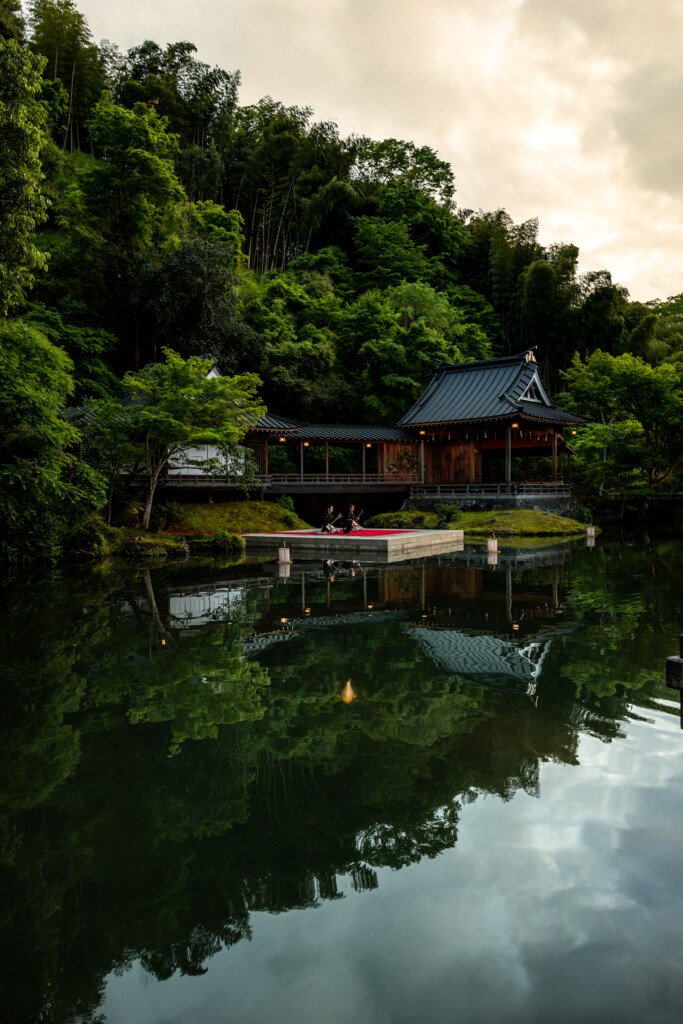
Kazuhide Asaba sees a natural connection between Noh and the ryokan. Noh, he says, values “’stillness”, “ma” – the pause or interval between things – and “harmony with nature”, qualities that are “deeply aligned with the aesthetic sensibility that Asaba has always cherished.” Ma feels particularly relevant here because Asaba is quite comfortable with empty space. The stage does not always need a performer. The garden does not need filling. Staff do not need to be constantly visible.
There is something increasingly luxurious about a place that does not feel obliged to keep entertaining you.
The Japanese concept of omotenashi is usually translated simply as hospitality, although at Asaba it seems to have as much to do with restraint as service. Kazuhide Asaba describes it as sensing a guest’s mood and “quietly attending to their needs before they are even asked”, rather than “approaching them unnecessarily.” The desired response is not even for somebody to think that they have been treated to “something special”. He would rather that, almost without noticing when it happened, they find themselves thinking: “Before I knew it, my heart was filled with contentment.” This isn’t necessarily how luxury usually likes to behave. Luxury hotels are generally very good at letting you know that you are in one. The flowers are bigger, the welcome more choreographed, the plating more elaborate. Whereas at Asaba, much of the work seems to go into making the work itself disappear.
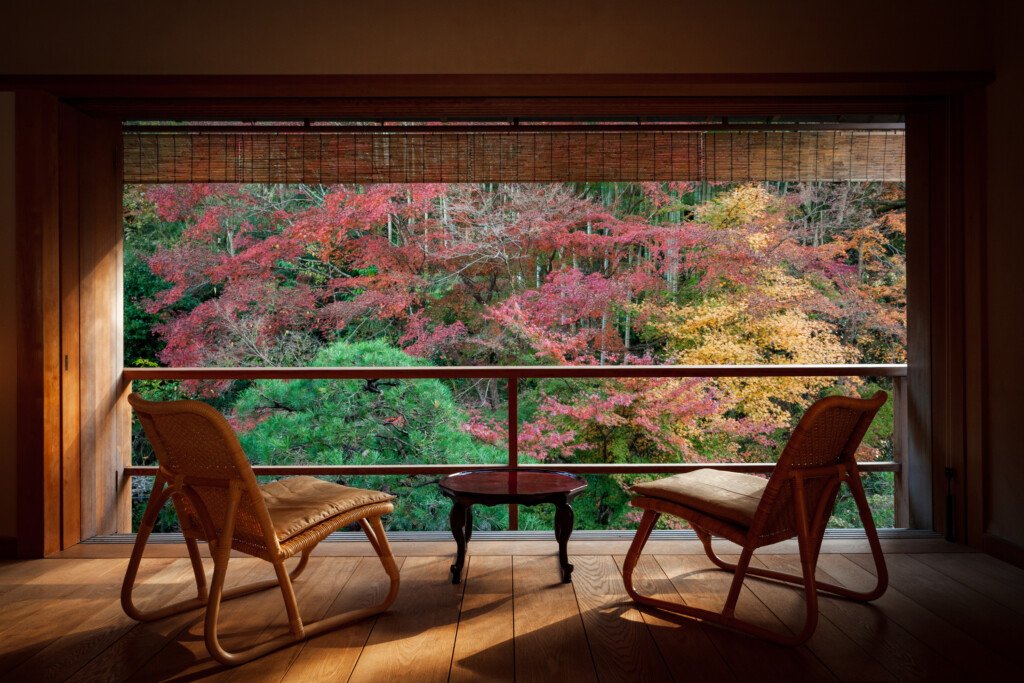
The surrounding landscape plays into this too. Shuzenji is enclosed by mountains, rivers and dense woodland. Light changes across the rooms during the day, flowers are arranged according to the season and the Katsura River runs nearby. Kazuhide Asaba is reluctant to describe any of this as merely scenery. “The natural surroundings of Shuzenji are not merely a backdrop,” he says. “They are an essential element that shapes the very essence of the inn.”
Knowing what not to disturb is perhaps the tradition.
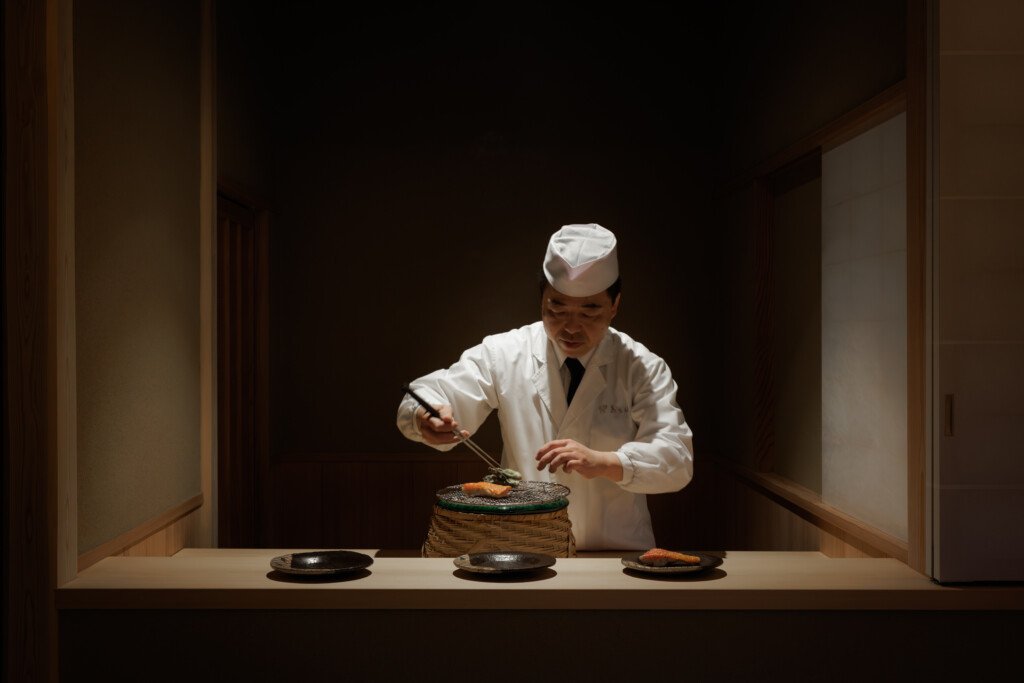
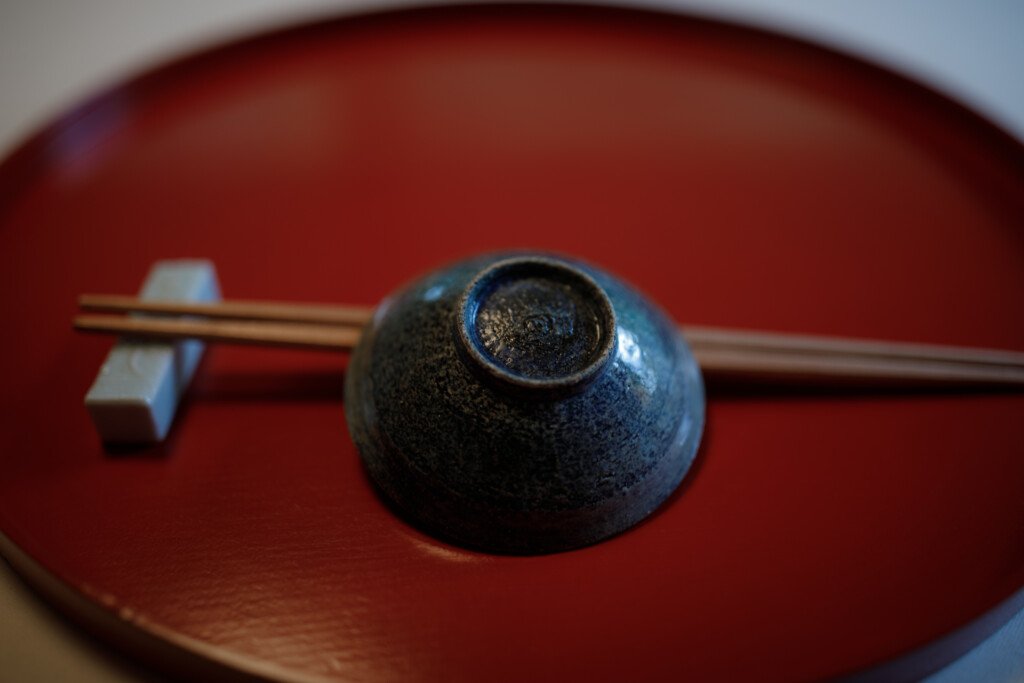
The same goes for the gastronomy. Breakfast and dinner are served privately in the room by a dedicated attendant, each course arriving at its own pace. The cooking follows the Izu Peninsula closely: kinmedai and Ise ebi from Suruga Bay, wasabi from the Amagi mountains, mushrooms and mountain vegetables gathered nearby. Seasonality is hardly an unusual promise in Japanese hospitality, but Asaba takes it rather literally. Even within the same season, the kitchen changes dishes according to the year’s climate and the condition of the produce. The aim, Kazuhide Asaba says, is to serve something that “can only be savoured at that particular moment.” So if you return six months later, or even the same month the following year, the meal should not be exactly the same.
There is something rather appealing about this in a world where luxury has become extremely good at giving us the same things everywhere. Champagne can cross continents. Strawberries can ignore winter. A favourite ingredient can be flown in because somebody expects it to be there. At Asaba, the point is that the fish belongs to these waters, the wasabi to these mountains and the dinner to this particular evening. Perhaps that is also why so many guests return. Over five centuries, Asaba has hosted writers, artists and travellers from Japan and abroad, but Kazuhide Asaba says those who come back are rarely looking for novelty. Instead, many turn towards what he calls “the subtler forms of richness”: the changing seasons, light and shadow, the garden, food, architecture and the unassuming interactions with other people.
It is not the most obvious luxury-hotel sales pitch. Come back, and the dinner will probably be different. You may spend quite a lot of time looking at an empty stage. Nothing especially dramatic is guaranteed to happen. But there is something increasingly luxurious about a place that does not feel obliged to keep entertaining you. After ten generations, Kazuhide Asaba also seems to think of the ryokan less as something his family owns than something temporarily entrusted to them. “This inn does not belong to us alone,” he says, “it has been by the nature and culture of the Shuzenji region, the local community, and the many people who have supported Asaba over the years”. His responsibility is to preserve those relationships and eventually pass them on “in an even better form.”
What would the authentic version even be? The lodging house of 1484? Asaba before the Noh stage was moved here? Before Western beds? Before private baths? It has been changing for five hundred years. The trick seems to be knowing which parts can change without disturbing the things that matter. Kazuhide Asaba comes back to this when he talks about tranquillity. He does not mean simply the absence of sound. For him, it is the point at which “nature, architecture, gardens, cuisine and even the mannerisms of our staff harmonise without being overly assertive, allowing our guests’ minds to settle naturally.” It’s the “without being overly assertive” that may be the most revealing part. The Noh stage doesn’t demand an audience. Dinner doesn’t need to look like contemporary art to prove somebody has thought about it. The garden is allowed to be a garden. Even five centuries of history are worn surprisingly lightly.
Asaba has survived since 1484 not because nothing has changed, but because almost everything has, carefully, one generation at a time. The beds can change. The baths can change. Dinner certainly changes. Knowing what not to disturb is perhaps the tradition.