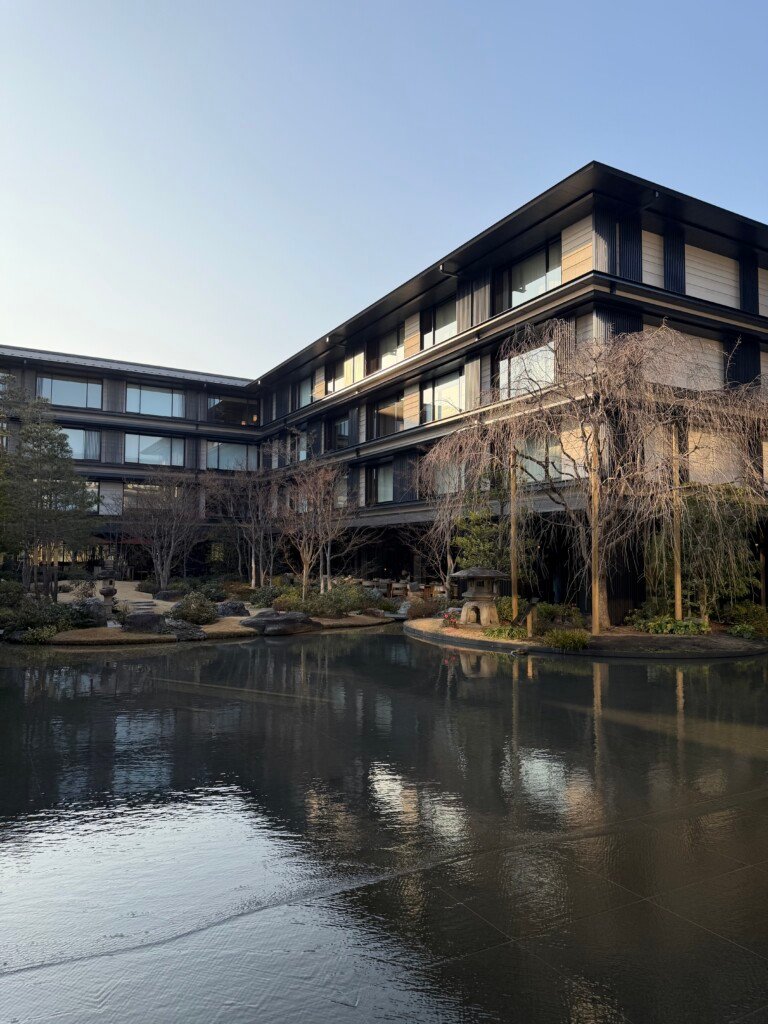
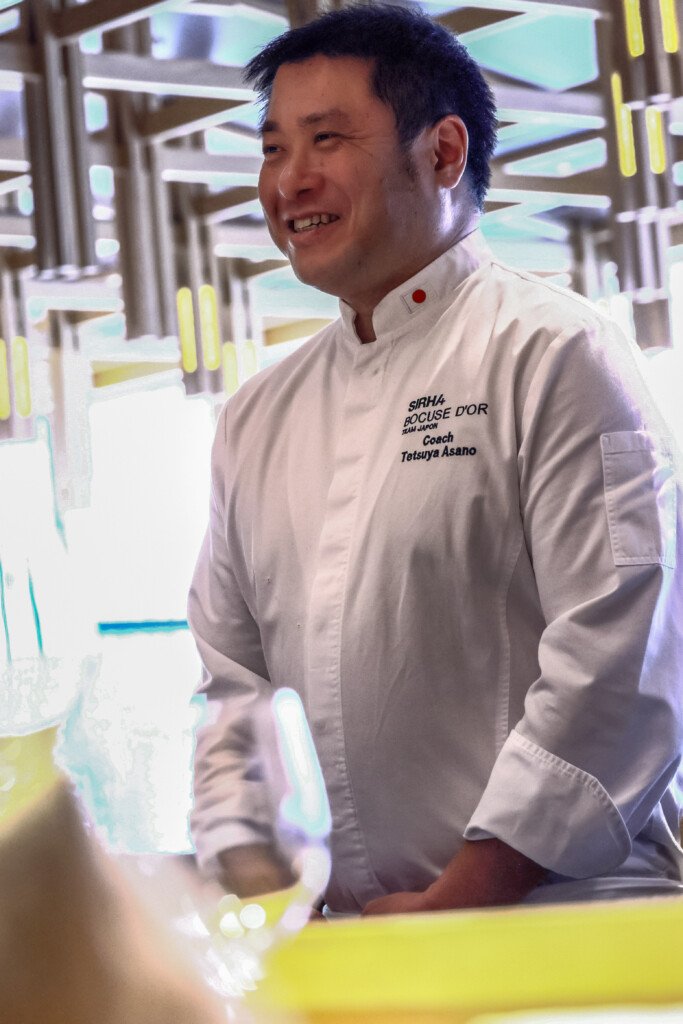
Chef Tetsuya Asano is the head chef at TOKI, the signature restaurant of HOTEL THE MITSUI, Kyoto, located opposite the 17th-century Nijo Castle.
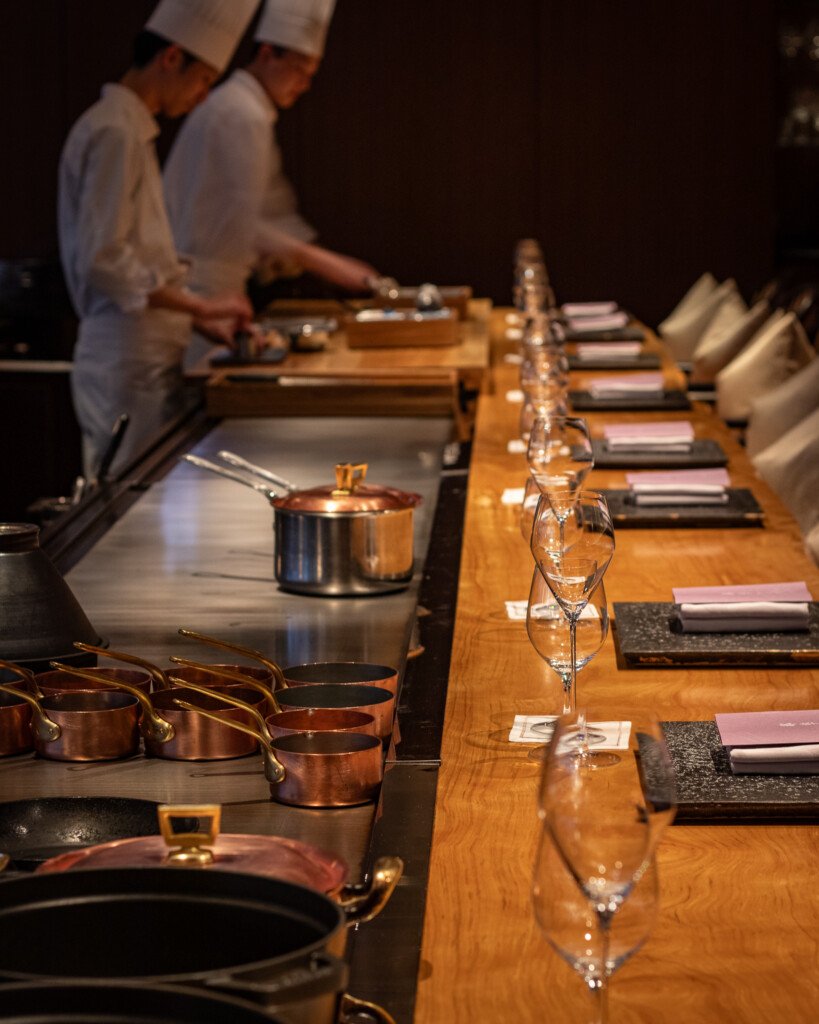
Seating forty-four guests, TOKI is arranged around a small number of tables and a counter with a binchotan that allows diners to watch the kitchen at work. Despite the intimate scale of the room, the ambitions and history attached to the kitchen reach far beyond Kyoto.
In 2027, its head chef Asano will represent Japan at the Bocuse d’Or, the international culinary competition often described as the most demanding and prestigious event in professional cooking. Chefs from around the world compete in Lyon in front of a jury of their peers. Yet, for chef Asano, the competition represents something broader than an individual career milestone. His path to this stage has been shaped by years working across both Japan and Europe, including time in the kitchens of The Ritz Paris, where he became the first Japanese chef appointed executive sous-chef of the palace hotel’s main dining room.
I had the chance to sit down for a conversation with chef Tetsuya Asano during my stay at HOTEL THE MITSUI Kyoto this February.
The Competition
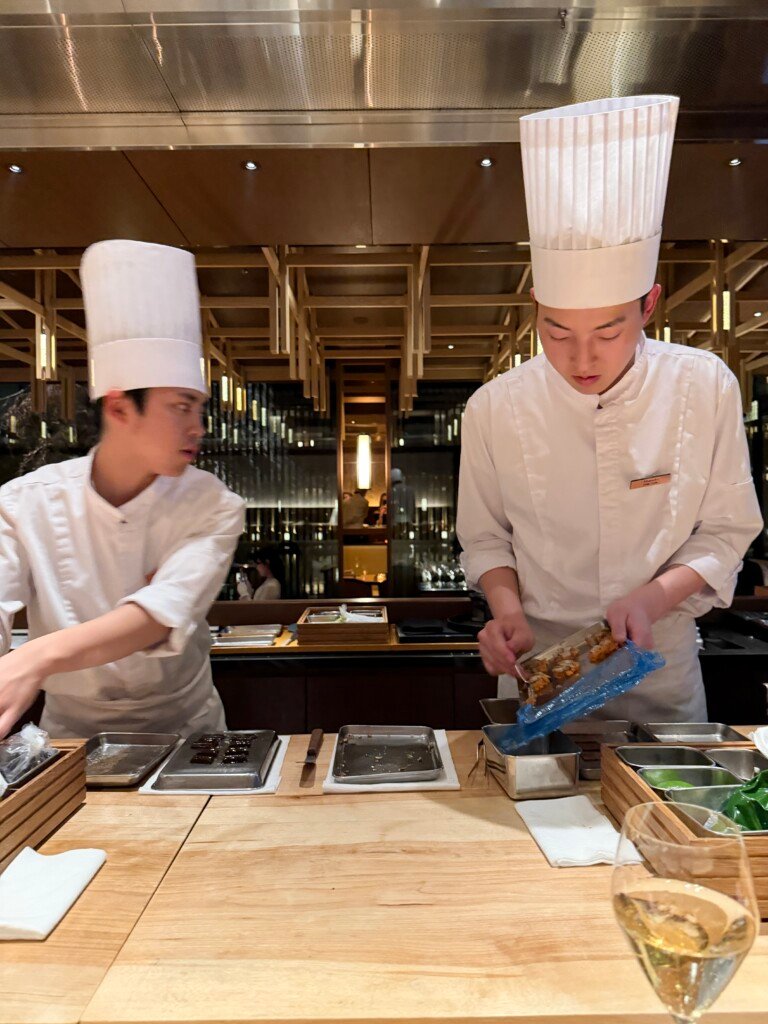
Preparing for the Bocuse d’Or is a collective effort. Intense and highly technical, the competition requires a carefully coordinated team and a long period of testing dishes, refining presentation and training for the demanding service format used during the event.
“First, at the Bocuse d’Or, you have to work as a team. You have to respect people. You have to represent the philosophy of Japan, the culture of Japan. So although it’s a competition of French culture, you must bring forward the philosophy and spirit of Japan.”
For chef Asano ,the competition is less about personal ambition and more about collective responsibility. As the process involves a large number of people, many of whom never appear on stage during the final competition. Asano’s collective framing of the event acknowledges these faceless contributors.
This collectivity also extends to a crossing of cultures, as representing Japan means carrying the ideas and traditions of the country into a competition that historically grew out of French culinary culture. This from a Japanese chef who trained and earned one of the highest places in French cuisine culture.
Early Influences
Chef Asano’s interest in French cuisine began long before he worked in Europe. As a child in Japan, he encountered cooking through television. French was portrayed as rich and refined, while Japanese as dulled-down stereotypes, far removed from the food that appeared on everyday Japanese tables.
“When I was a child, I saw French cuisine on TV. French cuisine represented beauty and creativity. While Japanese cuisine was seen as “sushi” or “curry”. In Japan, we don’t eat that at home.”
Certain ingredients associated with French gastronomy, as per his example of foie gras, belonged to a world that felt both distant and aspirational. The presentation of the dishes and the sense of refinement surrounding them left a strong impression.
The idea of working in France eventually became a goal, even though the reality of entering professional kitchens there would later prove far more demanding than could be imagined from television programs that first sparked his interest.
“I was very lucky to go to France to work. It was a dream come true. I began my career there at The Ritz Paris. In many ways the cuisine and the work are the same as elsewhere, but The Ritz is special.
The first head chef there was Auguste Escoffier, the king of French cuisine. His philosophy was that everyone must respect the cuisine and respect the product. That idea stayed with me. You always have to keep learning.
I have always respected French cuisine and French techniques. Cooking is universal, but cooking at The Ritz Paris carries a special responsibility. There is always this sense of respect. And of course, I worked there with a little stress.”
French and Japanese Traditions
Conversations about French and Japanese gastronomy often revolve around technique. Chef Asano’s explanation begins earlier in the process, before a chef even begins cooking.
Japanese cuisine makes extensive use of ingredients that have already undergone long processes of transformation. Fermented products that develop their character over months or even years before entering the kitchen. French cooking, by contrast, tends to build flavour directly through cooking processes carried out during service.
“Japanese cuisine also uses many fermented products. For example soy sauce, miso, or dried bonito. These ingredients have already done a lot of work before we even start cooking. They already carry time and history.
Take miso paste for example. A very good miso can ferment for ten years. In kaiseki cuisine this is quite special, because there is not so much mise en place. Japanese cuisine also focuses strongly on fresh products. With sashimi or sushi, the fish may rest for a short time in the refrigerator, and then it is prepared. So Japanese cuisine brings together very fresh ingredients with products that come from long fermentation and tradition.
French cuisine is different. You begin cooking from the start. To make a jus or a sauce, everything is prepared fresh at that moment. That is why it is quite different from Japanese cuisine.”
Kyoto
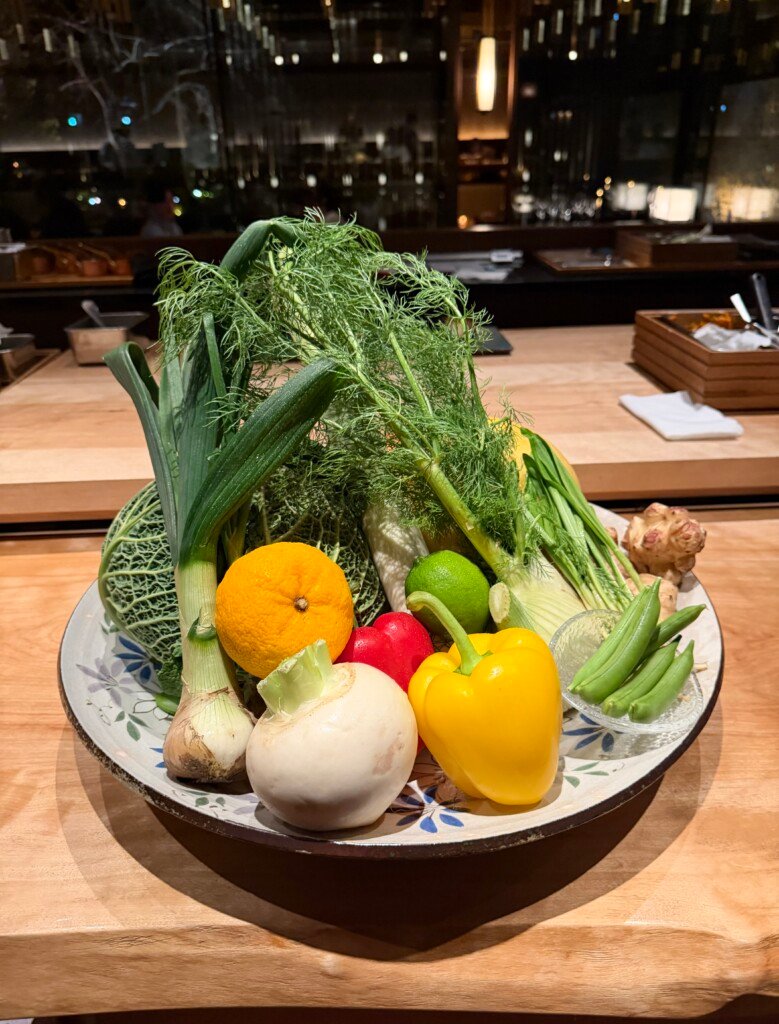
Today, Testuya Asano cooks in Kyoto, a city closely associated with the historical development of Japanese cuisine. Local produce, seasonal awareness and the cultural history of the city all shape the expectations surrounding food here. For Asano, this idea also informs how he approaches the Bocuse d’Or.
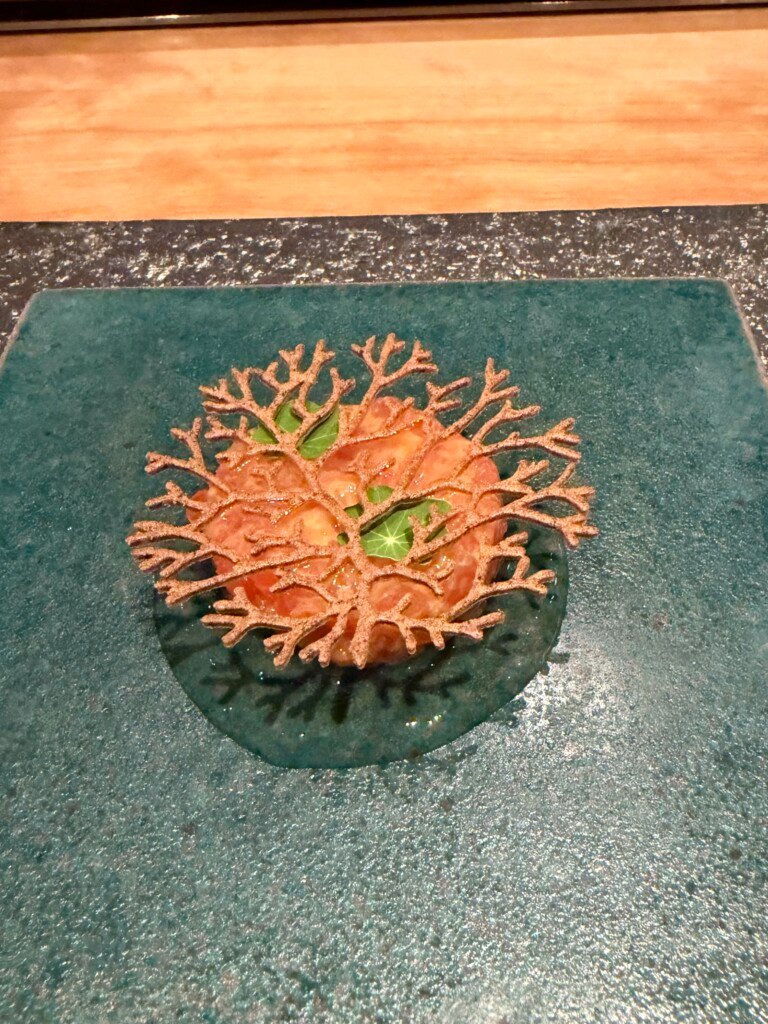
“I believe we should always use products from Kyoto. That is true here at TOKI, and it was the same for Bocuse d’Or. When a guest comes to TOKI, I want them to experience the history of Kyoto and the products of Kyoto. It should be more than just cooking. It should be culture, history, everything together. Bocuse d’Or is the same idea. On the plate, I cook, but I try to put a little Kyoto into it. Sometimes through a small drawing or the way the garnish is arranged. The garnish is simple, but it can feel like a Japanese garden.”
For Asano, working in Kyoto means engaging with that context, reflecting something of the place itself rather than simply demonstrating the technical skill of the kitchen.
Simplicity
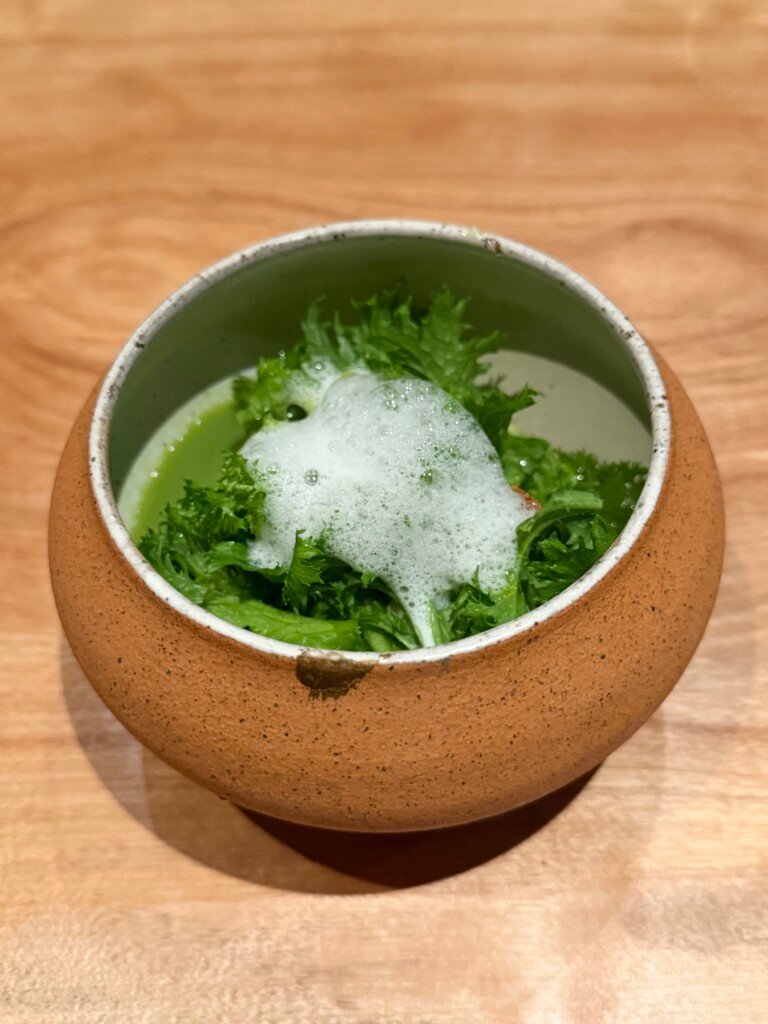
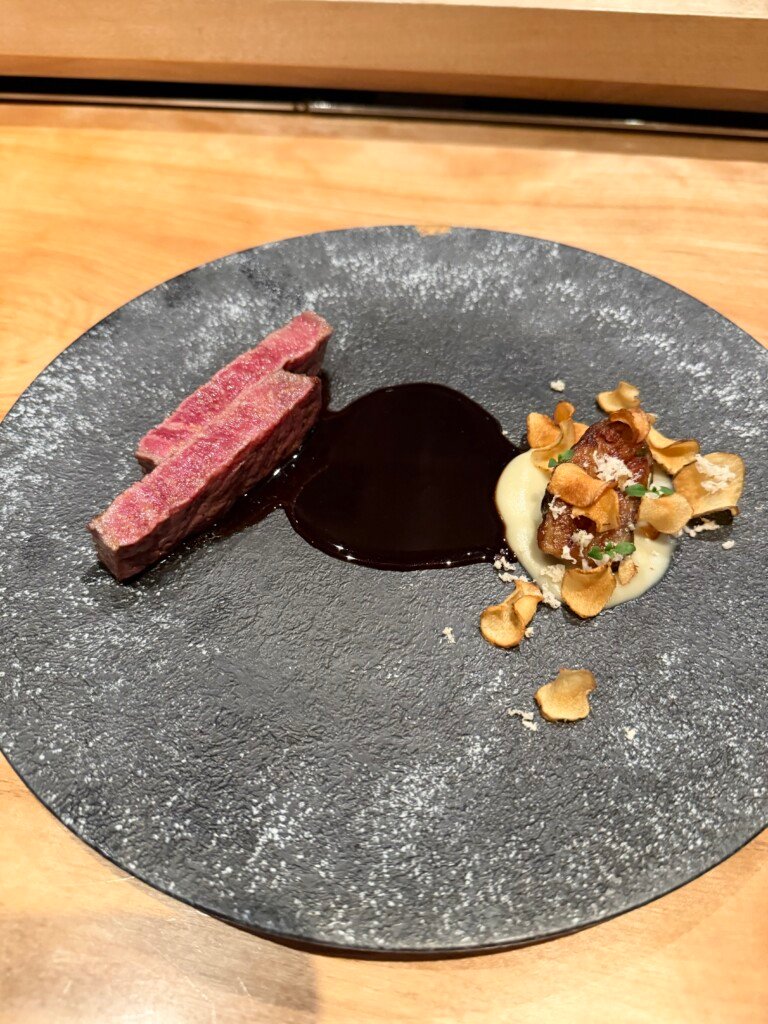
Chef Asano repeatedly returns to the idea that simplicity is the most difficult thing to achieve in cooking. Removing unnecessary elements from a plate often requires more discipline than adding them.
In many contemporary kitchens around the world, plates are composed of numerous small details. Herbs, flowers and decorative elements appear in careful arrangements across the surface.
The aesthetic he aspires to is different. The plate may appear quiet at first glance, but the intention lies in the stories, the history conveyed by the taste itself.
“For me, in cuisine or anywhere, the hardest thing is simplicity. Creating something powerful with simplicity is the most difficult.
For example, in countries like France or Denmark, there are often many small flowers, herbs, and many different elements on the plate, almost like toys. But on a Japanese plate it is very simple, yet there is deep flavour.
So I think that when you create a dish, you must always think about simplicity. But within that simplicity there must still be taste, history, and meaning. And that is very difficult to achieve.”
Seasonality
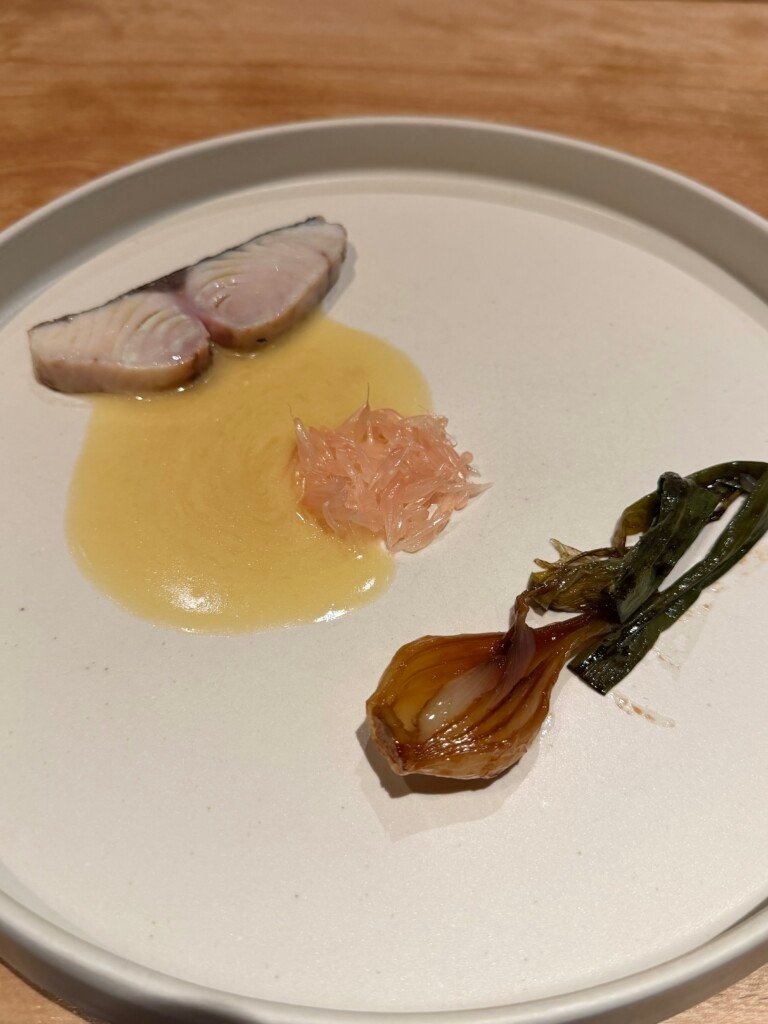
Relationships with producers form an important part of the work in high-level kitchens. While the ingredients available in Kyoto and Paris differ, the daily interactions between chefs and suppliers often follow a similar rhythm.
Visits to markets and discussions with farmers or fishmongers help determine what appears on a menu during a particular season.
These habits formed part of Asano’s experience working in France and continue in Kyoto.
“When I worked in France, I often visited producers, vegetable growers, and fishmongers. We always talked about the season and asked what the best product was at that moment.I still do the same today. I go to the markets and speak with the producers. Kyoto and Paris are different countries with different products, but the work and the philosophy are the same.”
Japanese Cuisine Abroad
Japanese cuisine has become widely known internationally. Yet, as chef Asano points out, familiarity with certain ingredients does not always mean understanding the traditions behind them. Products such as wasabi or miso are now easy to find in supermarkets across many countries. Yet the versions commonly sold outside Japan often differ greatly from the traditional forms used in professional kitchens.
The difference can be particularly noticeable in ingredients such as dashi, the broth that forms the foundation of many Japanese dishes.
“Today, in France and many other countries, you can find many Japanese products. For example wasabi. You can buy it in the supermarket. Sometimes miso paste, even miso soup packets. People may cook with them at home.
Before, that was not really possible. People did not know what Japanese cuisine was, or even what wasabi was.
Now many countries use Japanese ingredients and try Japanese cooking. So in a way it has become easier. But the taste is still not the same. What is the real taste of dashi?”
Looking Ahead
When the Bocuse d’Or takes place in Lyon in 2027, chefAsano will step onto the international stage alongside fellow chefs representing countries from around the world.
His dishes he prepares will be judged according to strict criteria that include technique, flavour and presentation.
Yet for Asano, the competition returns to a simple conviction: that a dish carries more than technique. It carries the work of a team, the memory of traditions passed down, and the flavours of the country it represents.