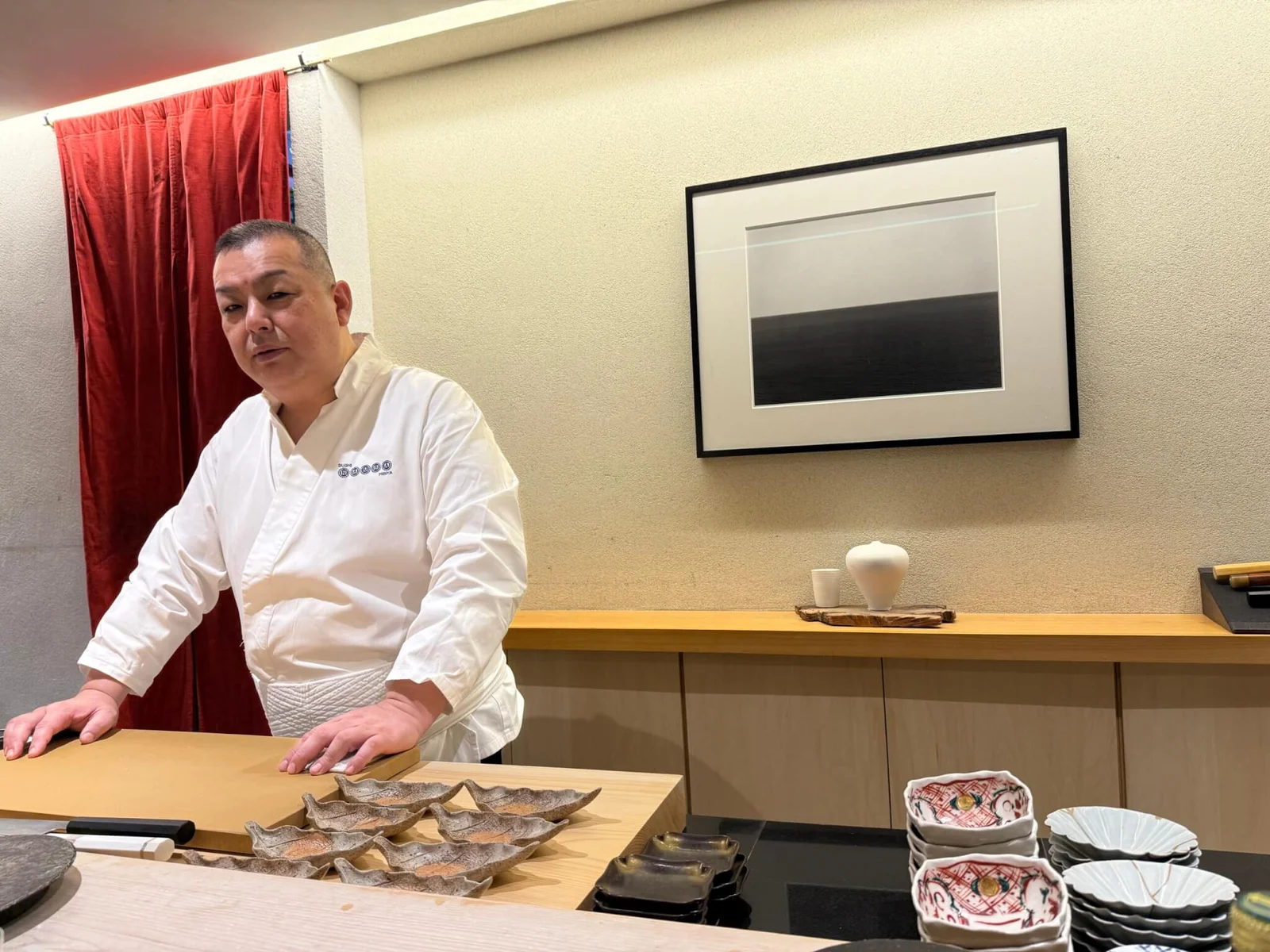
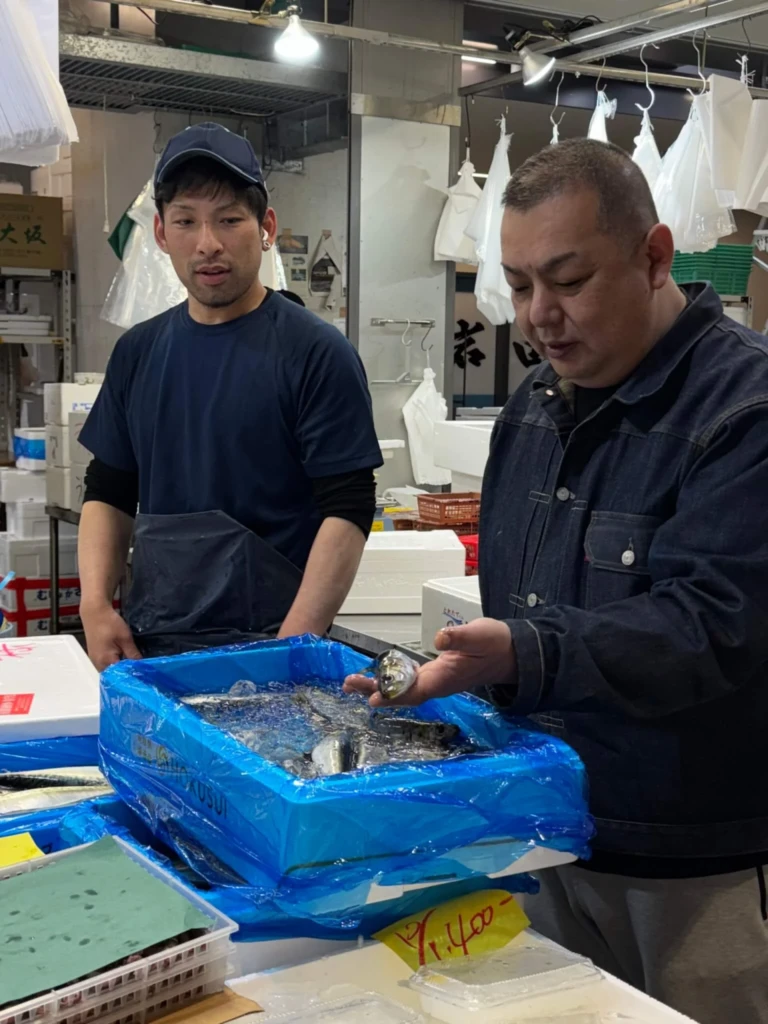
I had the pleasure of joining sushi master Hidefumi Namba at Toyosu Market, the world’s largest fish market in Tokyo. Beyond his standing among the most respected sushi masters today, Namba-san’s philosophy is rooted in strict discipline and a refusal of shortcuts. His approach centres on long-standing vendor relationships, precise control of rice temperature, and a quiet, quality-obsessed style.
Precision, Routine, and Trust
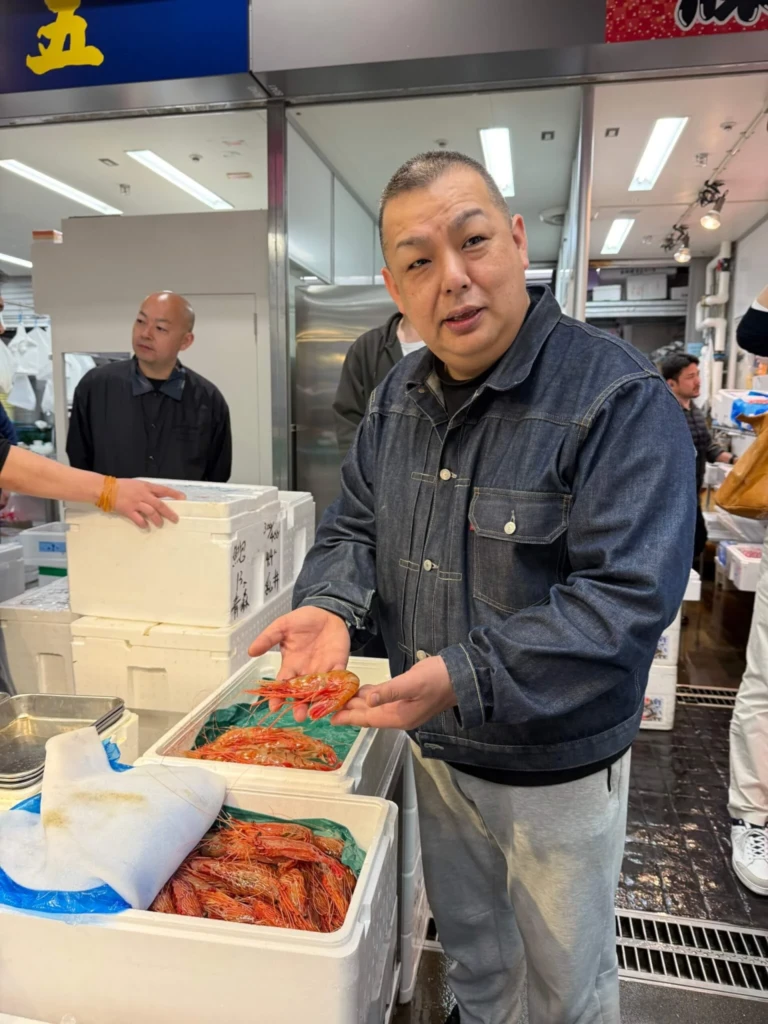
Every morning, Namba-san hand-selects his ingredients at Toyosu Market- known as the “belly of Tokyo” and famous for its frenetic tuna auction- a habit which continues for Ura, where all of the ingredients are flown in from Japan three times per week. Supplier relationships remain central. “The season and whom I buy from are important. I want not only quality, but also trust and reliability,” assures Namba-san.
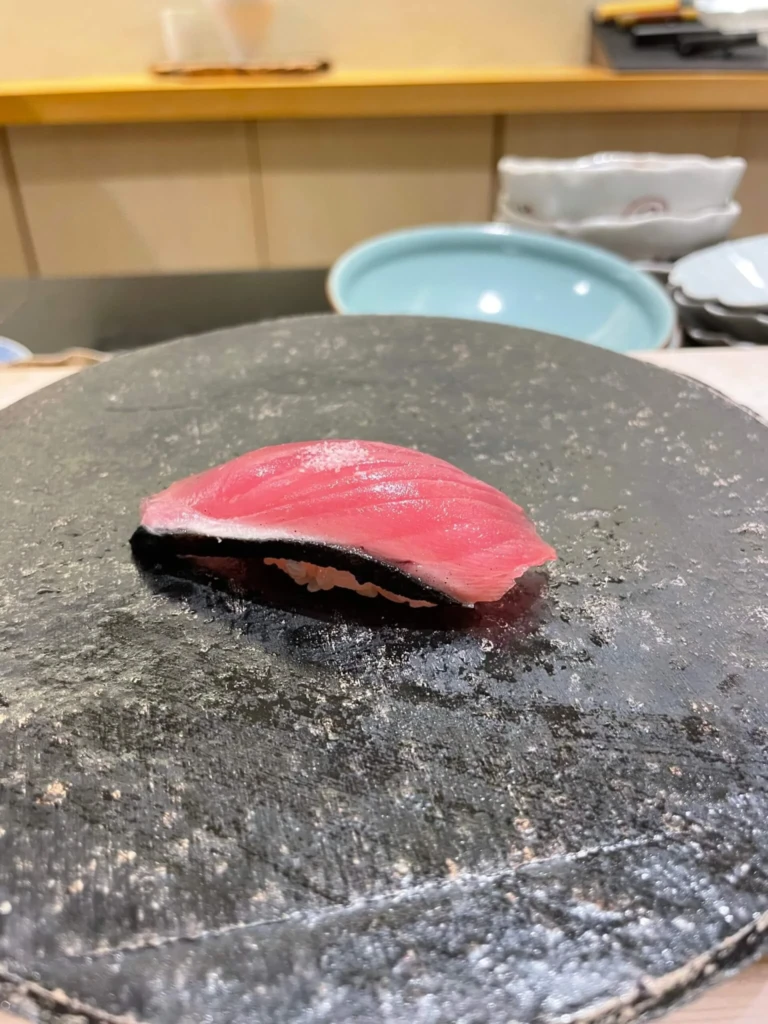
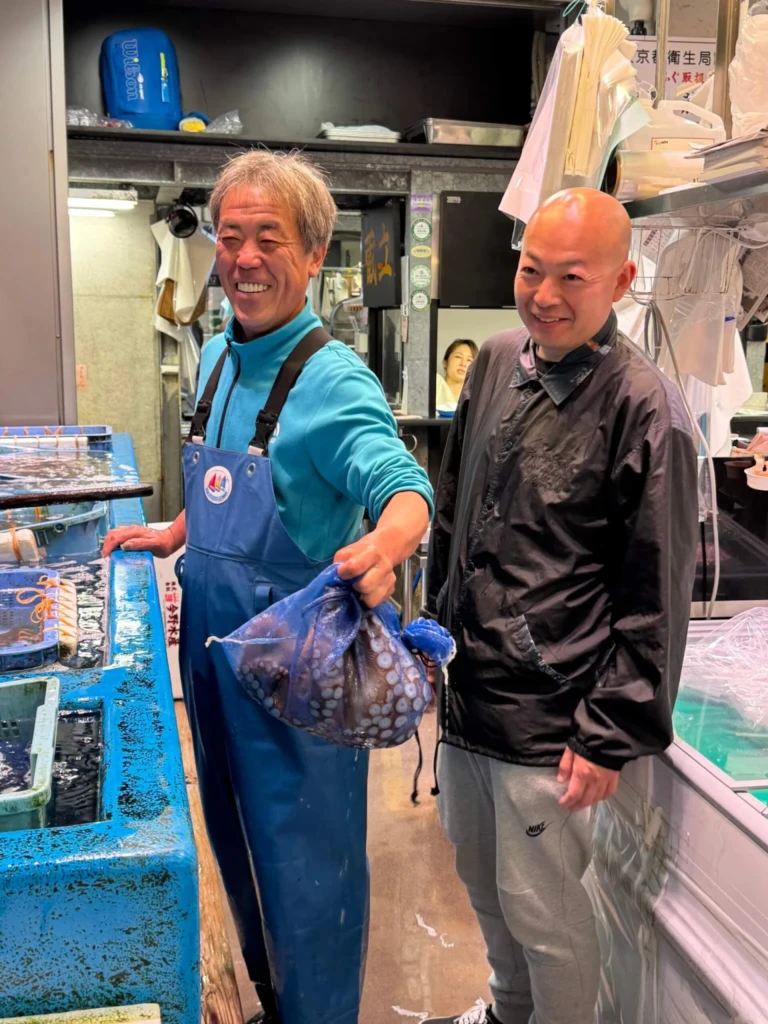
Among his trusted sources is Yukitaka Yamaguchi of Yamayuki, a vendor known as Tokyo’s last king of tuna, famous for consistently exquisite standards and an ability to match his tuna with the intricacy of the rice and particularity of each of his patrons, shokunin, and restaurants alike.
With equal thoroughness, Namba-san also opts for murasaki uni from Daisen. Murasaki (“purple”) uni- as opposed to its counterpart, bafun uni- is a type of sea urchin that stands out for its cleaner, more delicate taste and floral sweetness. It also is much larger than bafun uni. At the auctions, the Daisen brand- with urchin from southern Hokkaido and Aomori prefectures- is considered the number one label for purple uni and is extremely limited in quantity.
Rigor over prestige and trends
Namba-san’s longtime apprentice, Yuma Takanashi describes the principles passed on to him from his master: “Sushi Namba’s techniques, attention to detail, high quality, and of course, focus on our customers,” all of which he intends to make core values at Ura. Takanashi-san trained under Namba-san for several years and was personally selected to establish the Namba name outside of Tokyo.
According to Namba-san, technical skills can be taught, but human qualities are far more difficult to transfer. “The most difficult skills to transmit to the next generation are behavior, manners, and humanity” he says.
Namba-san values these principles and rigor, over prestige and trends. “In order for customers to enjoy their meals with peace of mind, there should be a relationship of mutual trust, such as keeping to time agreements.” In a tightly timed omakase experience, small delays can disrupt the service rhythm. And when a degree more or less of rice temperature can sublimate or diminish the taste of a course, precision, and communication allow for a superior dining experience.
Temperature Control and the Role of Rice
Chef Namba identifies rice preparation as one of the most critical tasks of the day. “The moment when the rice is cooked is the most serious and non-negotiable.” Each variable—temperature, strength of cooking, moisture, and balance with fish oil- is adjusted daily.
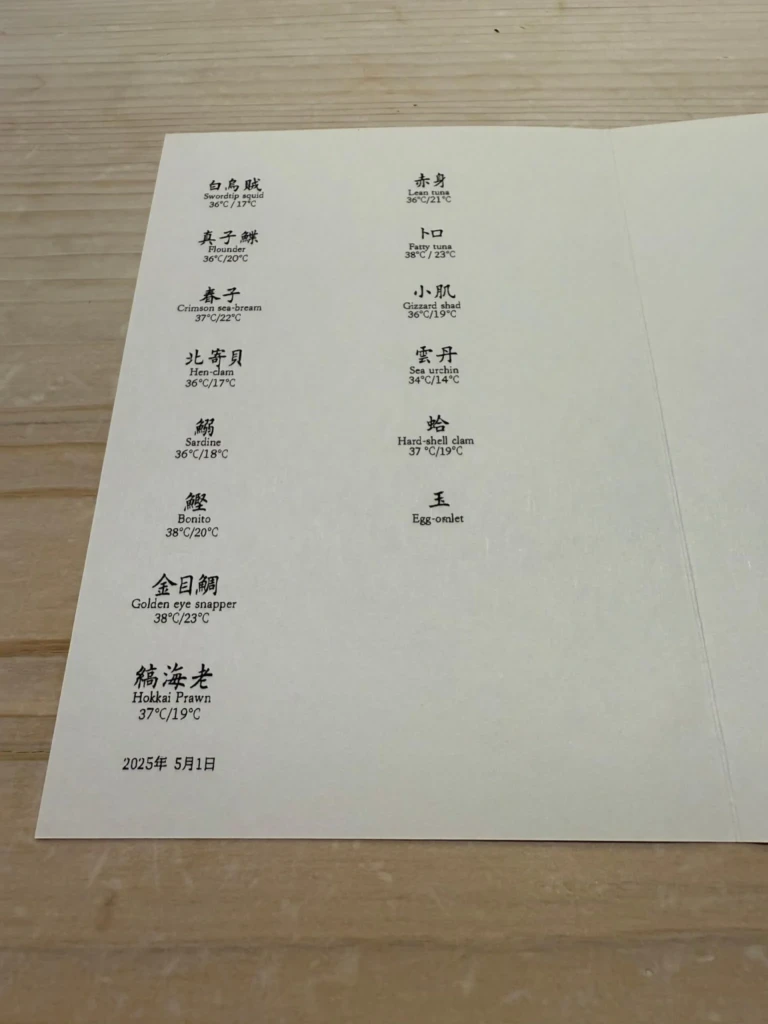
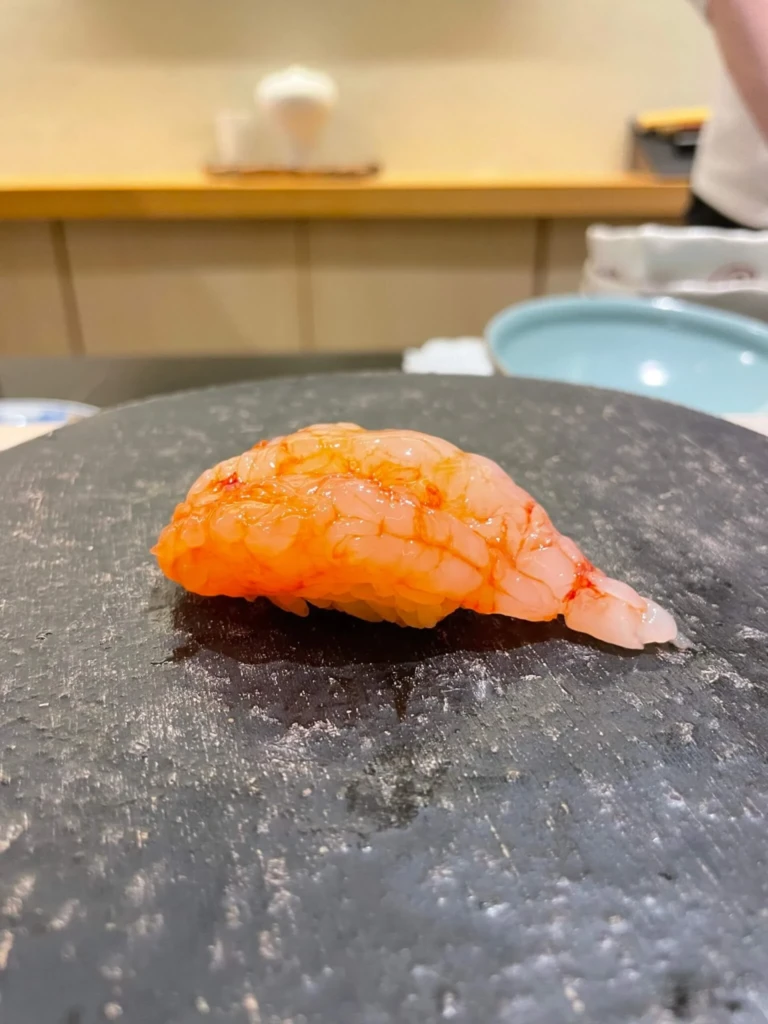
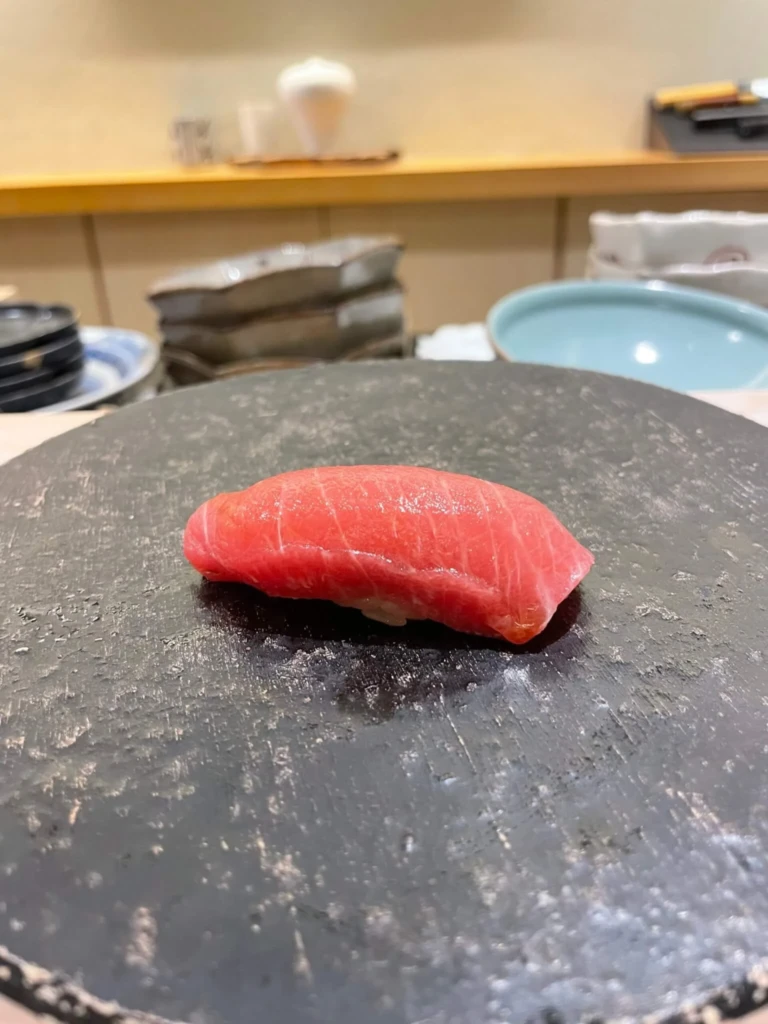
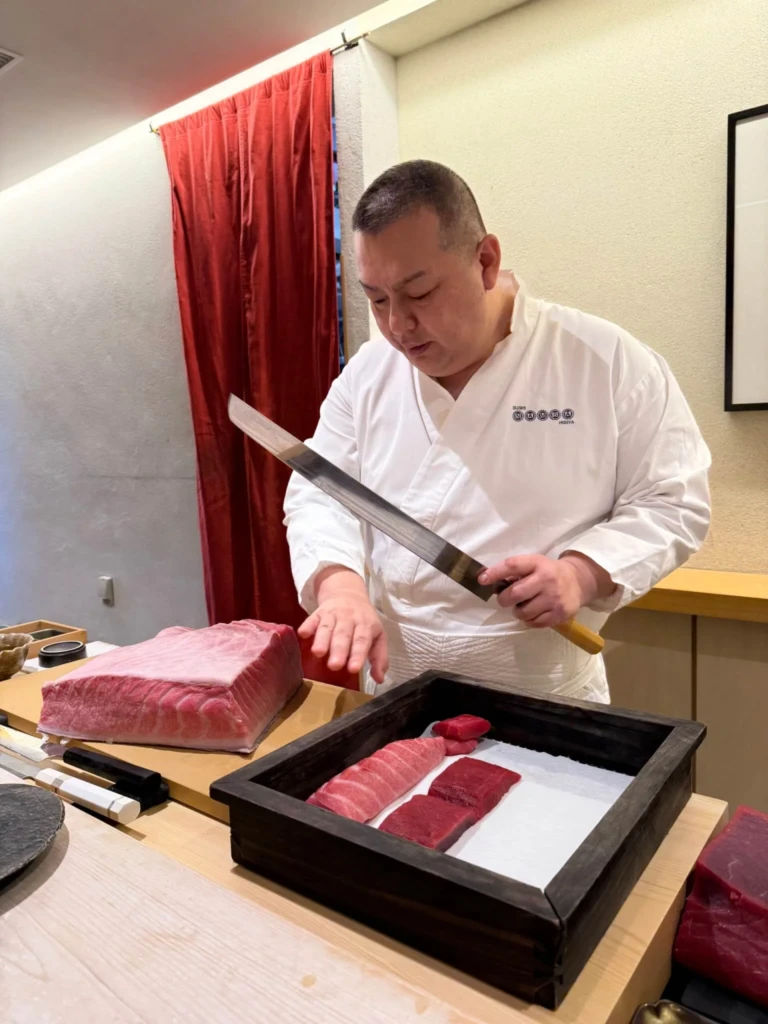
Namba-san is internationally recognized for his method of pairing rice and fish at specific temperatures. “It’s not correct to serve different types of fish all at the same temperature. Fish is like wine- you can get better flavors at different temperatures.” This method was developed over ten years ago and began with a single customer comment. “One night, upon serving the tuna course, a customer commented he couldn’t taste the tuna enough. And after tweaking many of the variables, I discovered that by serving the toro over warmer rice, the fat of the tuna melts and coats each grain of rice, allowing the customer to taste the vinegar and the toro coming together in perfect harmony.”
Namba-san’s benchmark pairing for toro is 24°C, and 40°C for the rice. Since then, the technique has evolved through seasonal experimentation and direct customer observation, allowing Namba-san to draw out the intricacies of every ingredient.
Evening Service and Guest Response
Dinner service at Sushi Namba is structured and quiet. There is minimal verbal interaction between chef and guest. When asked how he defines mastery, Namba-san replies, “It’s up to the customer to decide, not me. My sushi isn’t completed yet.” Each evening’s service is approached as part of an ongoing process rather than a performance.
After the restaurant closes, Namba-san begins preparation for the following day. “After finishing service, I start to plan the ingredients and menu for the next day’s guests.” This daily process is part of the operating rhythm. “It’s time to thank today’s customers and think about tomorrow’s.”
Shared Responsibility
Sushi Namba is one of the most difficult sushi restaurant to book in Tokyo and does not allow walk-ins. “Because it is very difficult to make a recommendation,” Namba-san explains, “customers cannot recommend someone they do not trust. And if they do not trust the restaurant, they will not recommend it to anyone. This tradition creates the value of the restaurant.”
When asked what he hopes guests feel after the experience at his restaurant Namba-san responds, with humble simplicity; “I hope you enjoy your time at Sushi Namba.”