24 Hours in Comporta (and everything worth staying longer for).
by Gizane Campos for Luxeat Guide.
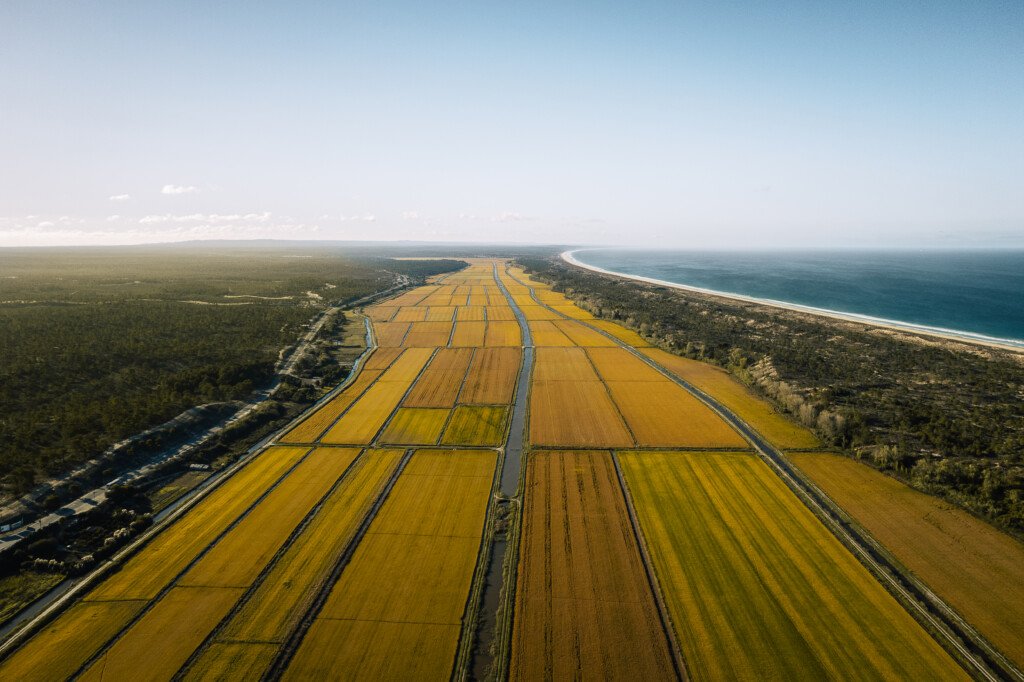
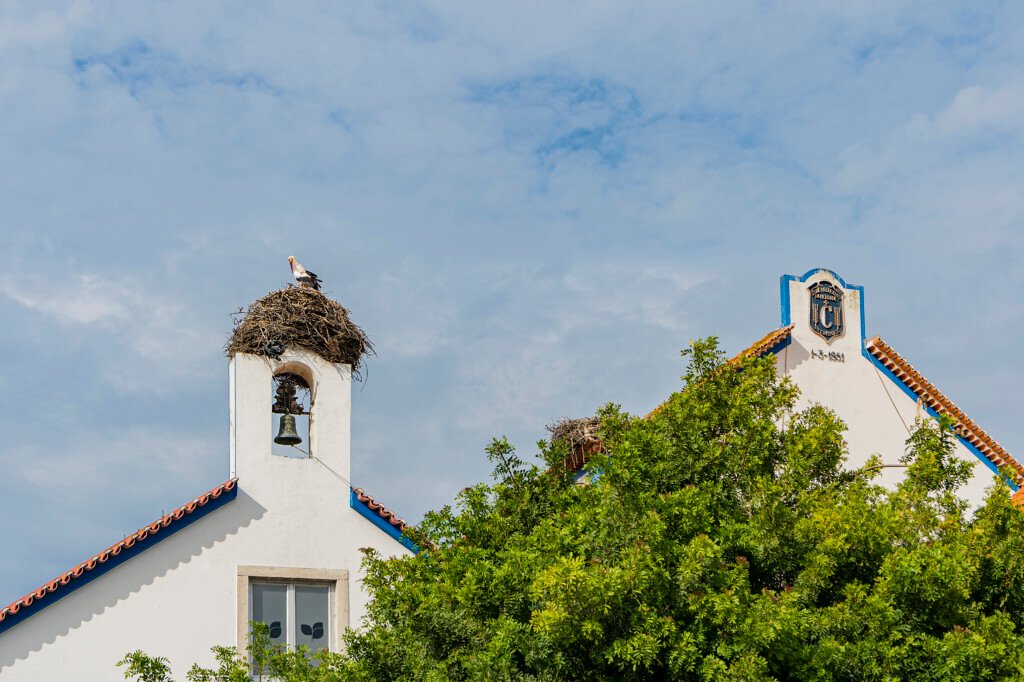
The drive tells you what you are in for before you arrive. An hour and a half south of Lisbon, past the last motorway signs for the Algarve turn-off, the road narrows and the landscape starts to loosen. And then, somewhere past Alcácer do Sal, you start noticing them: storks! Dozens of them, sitting in enormous nests balanced atop electricity poles. Drive a few more minutes, and rice paddies flood out flat and silver to the horizon.
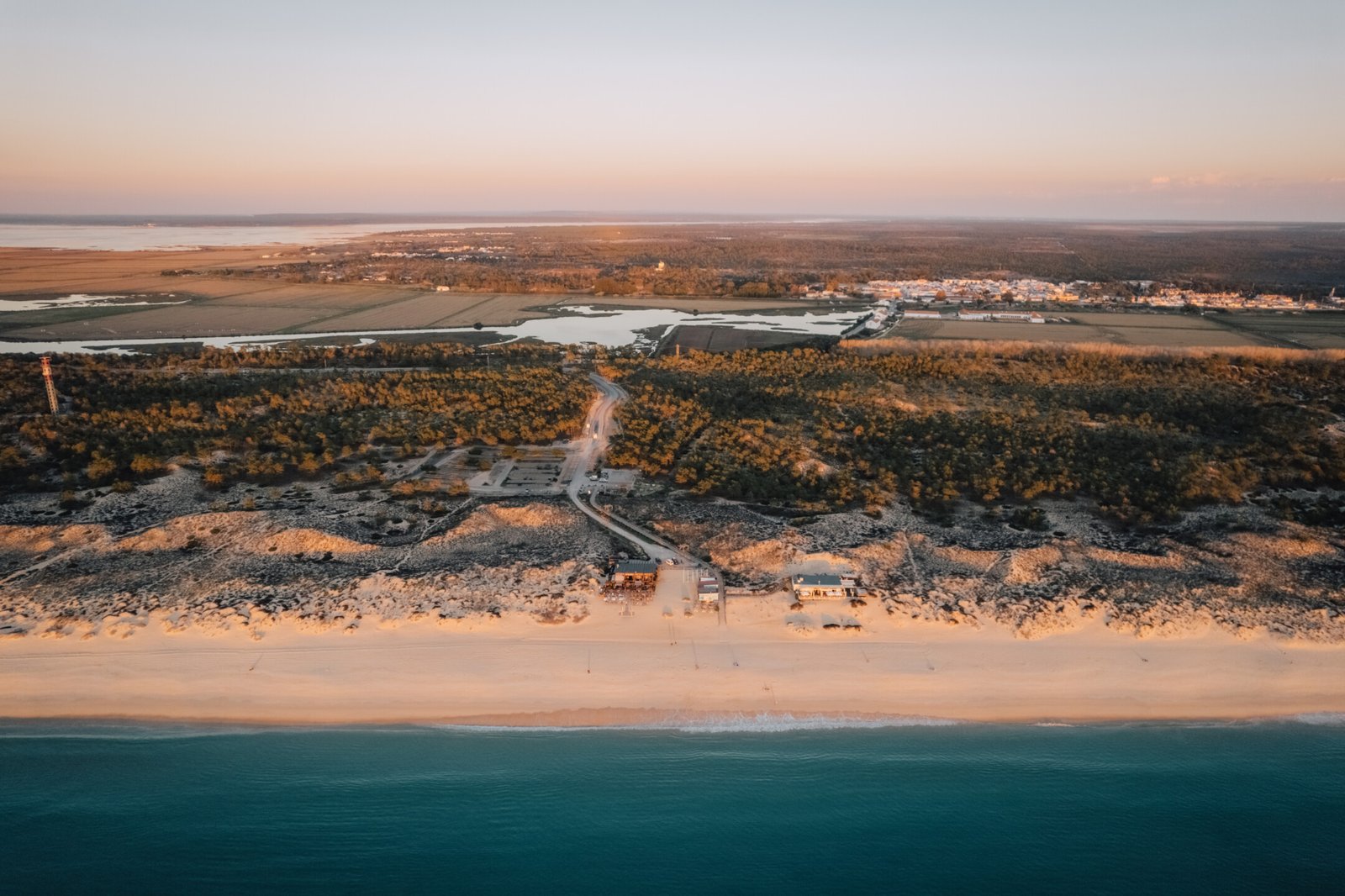
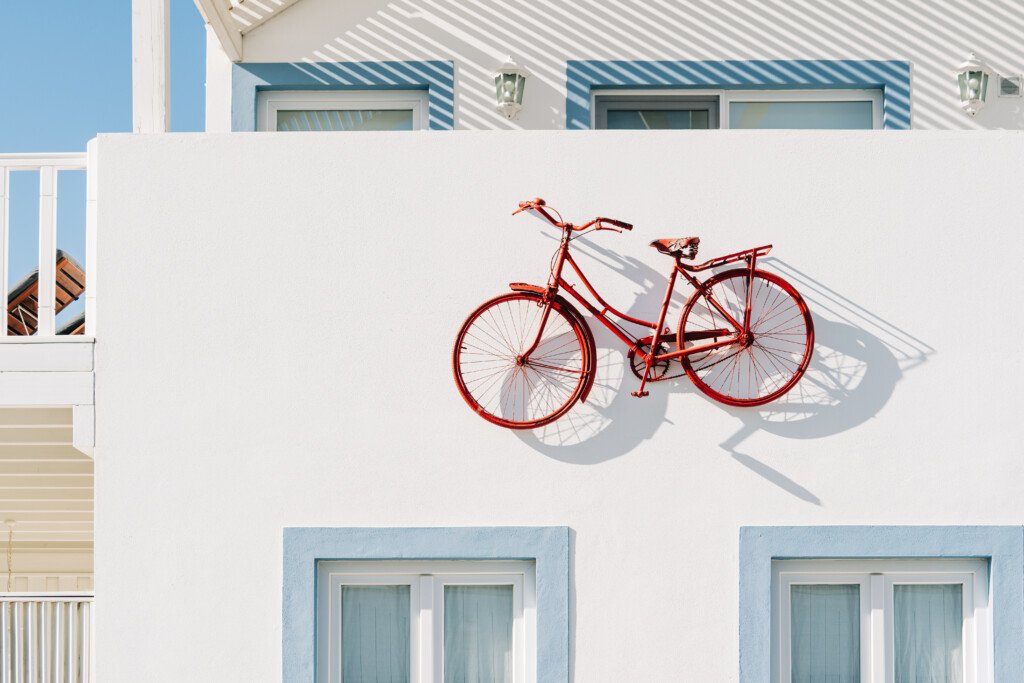
By the time the first low, white house appears, you realise you’ve arrived somewhere with a clear design language of its own. I later learnt that the whitewashed walls, blackened wood and pitched roofs bundled in dark thatch were originally built for fishermen and farmers using local materials, including reeds gathered from the banks of the Sado. The thatch insulates against both summer heat and winter cold, a practical solution that would eventually become part of what is now recognised as the Comporta style. Drive slowly enough through Carvalhal or Brejos, and you will still spot the original cottages sitting beside their far larger and newer neighbours.
For years, this corner of the Alentejo remained largely under the radar, attracting Lisbon families, artists and architects drawn by its simplicity. Today, an international crowd has followed, but the appeal remains much the same: space, silence and a landscape that has been carefully protected from overdevelopment.
In Comporta, luxury rarely announces itself. It hides behind pine trees, dirt roads and unmarked gates.
The Seven Villages
Technically, Comporta is called the Herdade da Comporta, a stretch of land made up of seven villages: Comporta, Torre, Pego, Brejos, Carvalhal, Possanco and Carrasqueira. You can drive between all of them, but we’d suggest hiring a bicycle or simply walking where possible.
For a sense of the Comporta that existed long before it became a destination, head to Carrasqueira and the Cais Palafítico, a wooden stilt pier built by local fishermen in the 1950s, threading out over the mudflats and lagoon in a maze of narrow walkways. It has no admission fee and no spectacle beyond itself, but at sunset, when the light turns gold and the tide recedes, it becomes one of the most beautiful spots in the region.
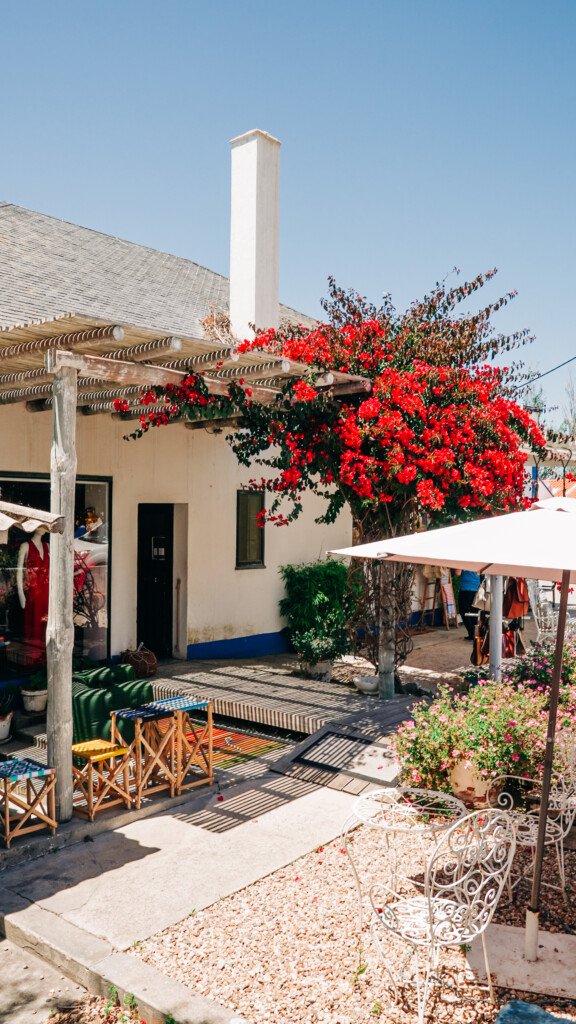
A short drive further inland, the Museu do Arroz sits inside a preserved 1952 rice-husking factory and traces the crop that quite shaped this landscape. The same paddies you drove past on the way in are still farmed today. It’s a genuinely worthwhile hour, and its small shop is one of the better places in the region to buy something to take home: ceramics, linens and objects made by local artisans, chosen with the same restraint that runs through much of Comporta’s design culture. The village itself has a growing handful of studios and workshops selling handwoven baskets, stoneware and furniture made from natural fibres and local woods.
The Comporta Way
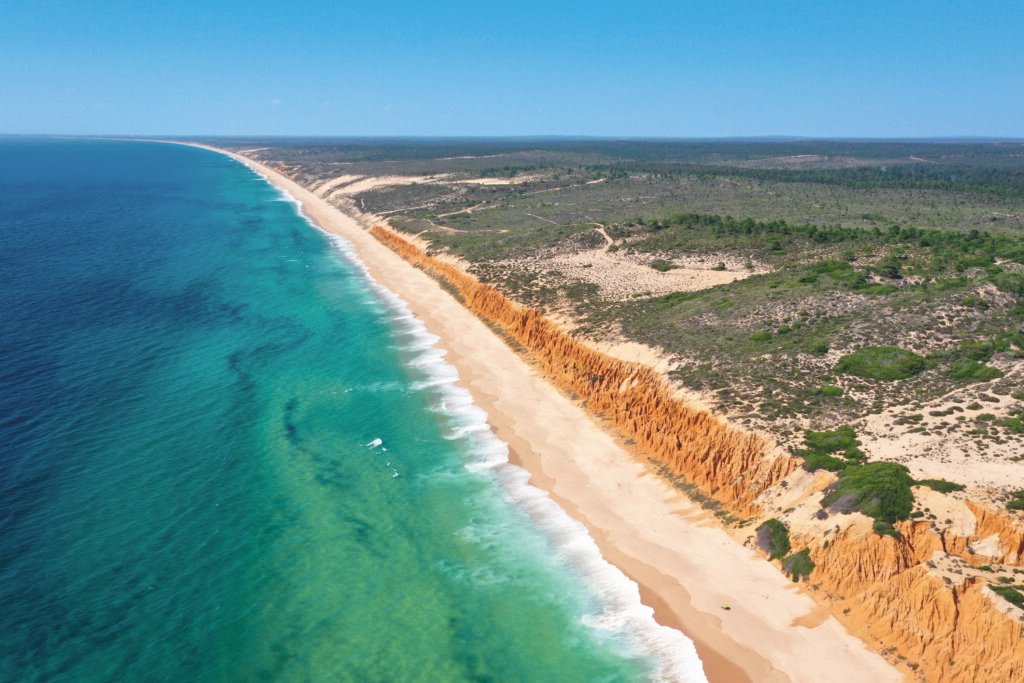
It would be easy to spend an entire trip moving between the hotel pool, the restaurant table and the shoreline, and there is no shame in that. The beaches here are among the most beautiful on the Portuguese coast, and not by accident. For decades, strict environmental protections have prevented the kind of intensive development seen elsewhere in southern Europe. There are no hotels built directly on the shoreline, no apartment blocks rising behind the dunes, and very little to interrupt the meeting point between pine forest, sand and sea. The result is a coastline that still feels remarkably untouched, 12 kilometres of beach where nature is the dominant presence.
But the region rewards a little curiosity beyond the coastline. Ride the beach on horseback with Cavalos na Areia, whose guided routes weave through pine forest and rice paddies before opening onto the dunes and shoreline. Options range from gentle beginner rides to full gallops along the sand.
If horse riding is not your thing, head north towards the Tróia Peninsula. Small boat trips venture into the Sado Estuary in search of the resident bottlenose dolphins that live there year-round. There are also flamingos and storks to be seen before hopping onto the boat.
I’d also recommend taking the pine forest back roads whenever possible. Some of the most memorable views of the rice fields and storks’ nests come from routes that rarely appear in Google Maps’ first suggestions.
Eating Comporta
Comporta has always eaten well. Long before the recent wave of hotel openings and visiting chefs, there were restaurants championing local seafood, rice, vegetables and the relaxed style of dining that suits this stretch of the Alentejo coast. Today, alongside long-established favourites, there is a growing number of openings and pop-ups giving diners plenty of reasons to linger well beyond lunch.
Breakfast
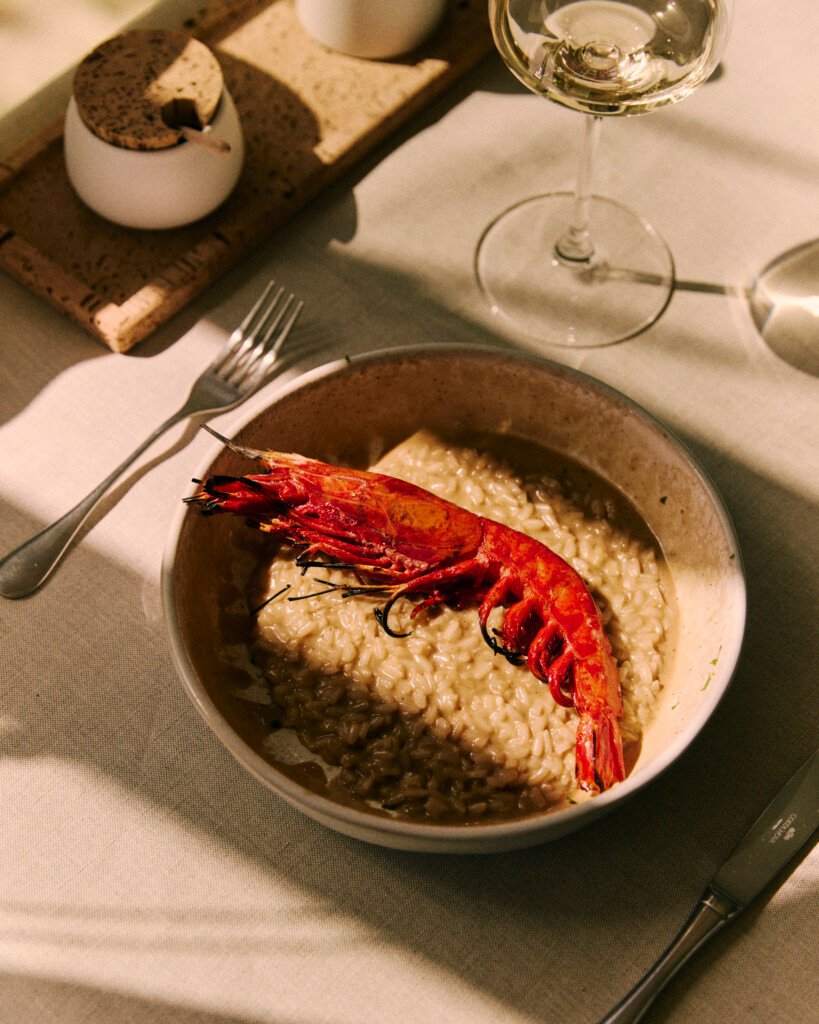
Mornings are best kept simple. In Carvalhal, Simone French Bakery has become something of a local institution, drawing a steady stream of residents, surfers and in-the-know visitors for naturally leavened breads, flaky croissants and pastries that would hold their own in Paris. Grab a table outside, order a coffee and something buttery, and ease into the day at Comporta pace.
Long Lunches
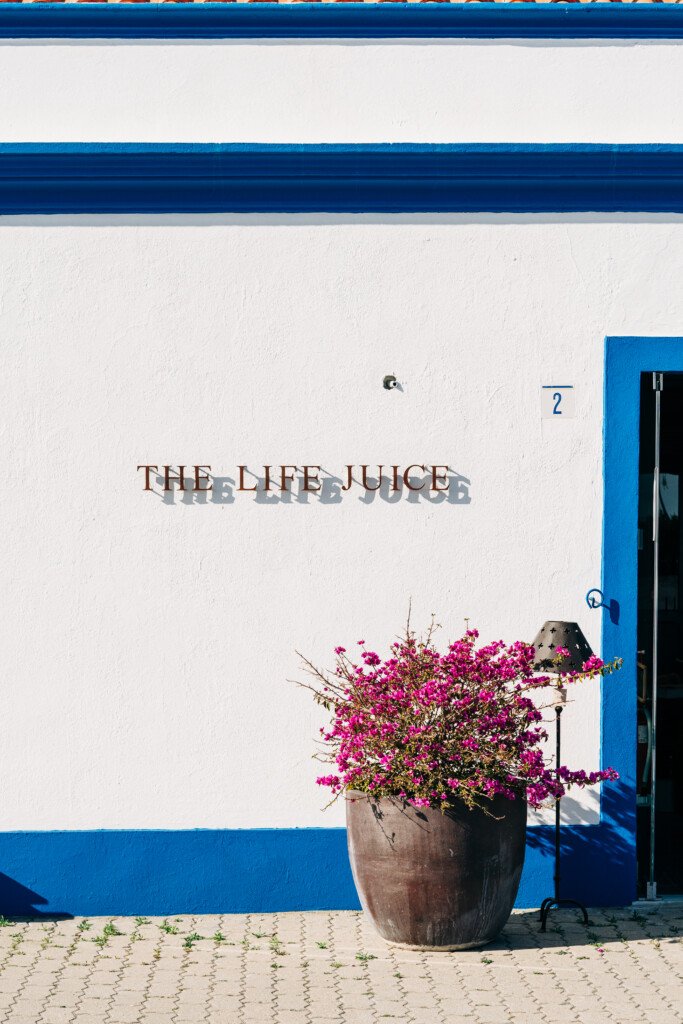
If there’s one thing Comporta does particularly well, it’s lunch. For beachside glamour, JNcQUOI Beach Club has brought its polished brand of hospitality to the sand. Nearby, Sublime Comporta Beach Club offers a more understated take on the same ritual, with feet-in-the-sand lunches centred around fresh seafood. Another option is Restaurante SAL, which remains one of the classic Comporta experiences, located above Praia do Pego, with a menu centred on simply grilled fish and shellfish.
And then there’s Elemento Atlântico, which, for my money, remains one of the finest ways to spend an afternoon in Comporta. Getting there means walking through dune grass with no buildings in sight, until it shows. An open timber chalet designed by Philippe Starck, alpine and maritime inspiration in one place only. The kitchen this summer is led by Manu Buffara, one of Brazil’s most celebrated chefs, making her European debut here after years at the helm of her acclaimed restaurant, Manu, in Curitiba. She’s cooking almost entirely with produce from the surrounding region, all filtered through her vegetable-forward, Brazilian-inflected style.
Sunset Drinks
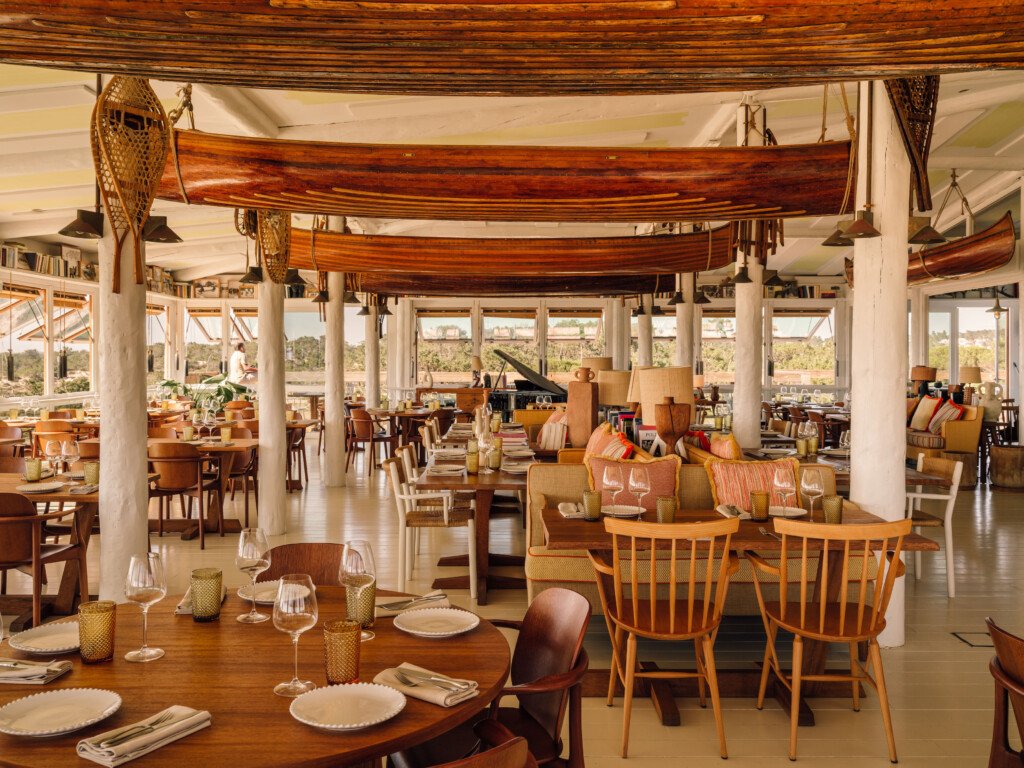
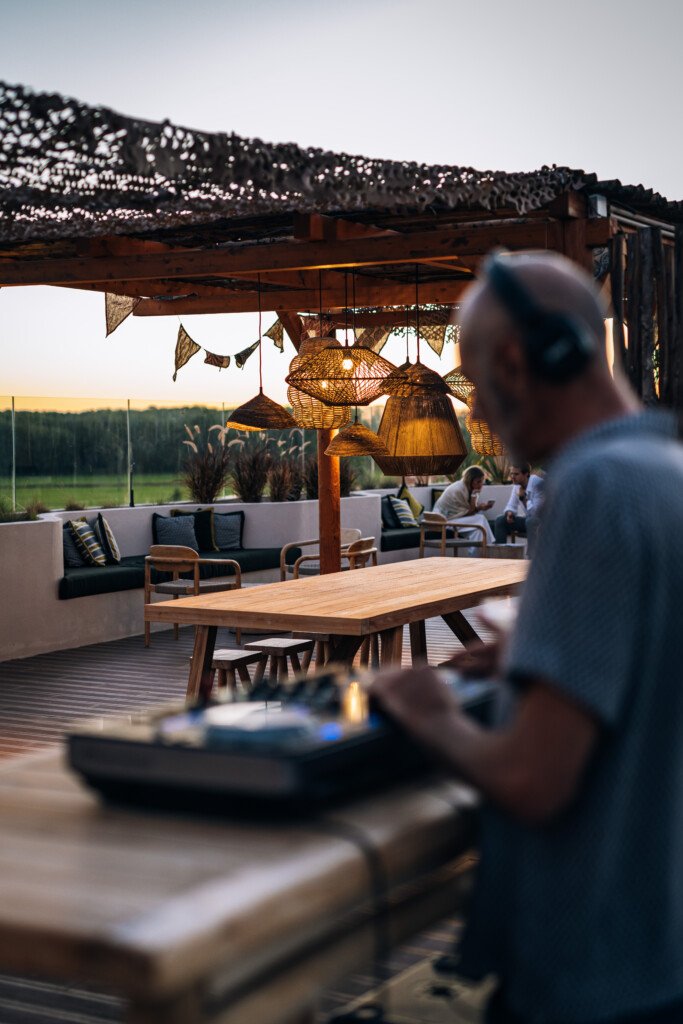
As afternoon slips into evening, make time for a stop at the Rooftop Bar & Restaurant at AlmaLusa Comporta. Order a cocktail, settle in and look out across the rice fields. As the light turns amber, it becomes one of the best places in the village to appreciate the landscape that defines the region.
For something more informal, Jacaré da Comporta has become a favourite gathering spot for sunset drinks and easy-going evenings, blending Brazilian influences with the relaxed spirit that is so easy to find here.
Dinner
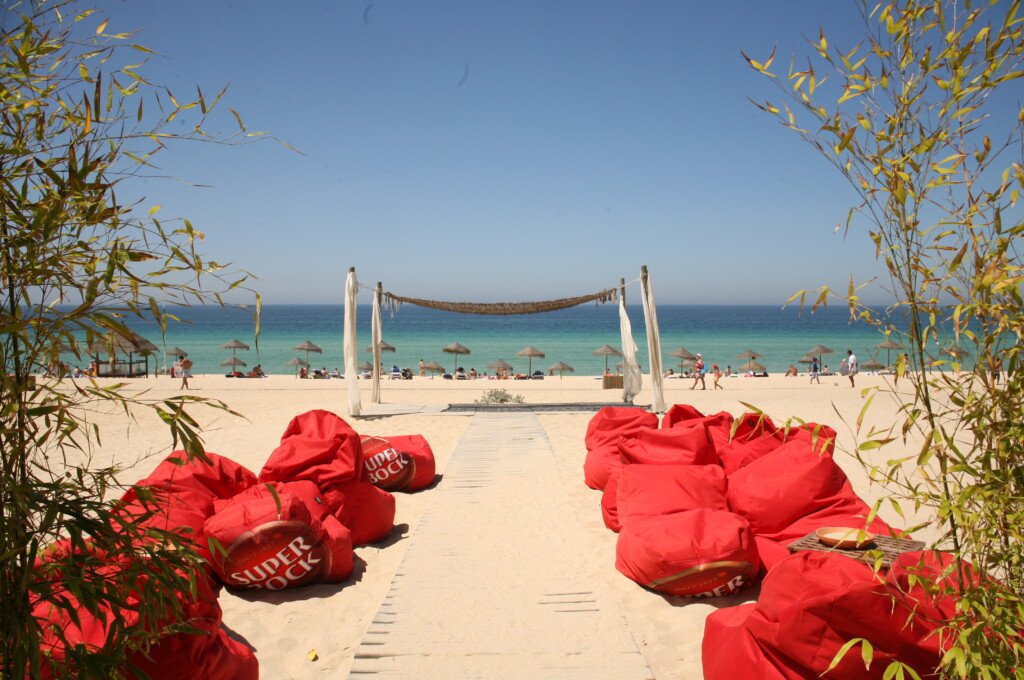
As evening arrives, the choice of tables is surprisingly broad for a destination of this size. One of the most interesting newcomers is Inari Comporta, where chef Vítor Sobral turns his attention to Japanese cuisine through Portuguese ingredients and sensibilities.
Still in Comporta village, Cavalariça remains one of the most atmospheric dining rooms in the region. Housed inside a converted 18th-century horse stable, the original stalls have been transformed into intimate dining booths. The menu champions hyper-local ingredients, from Sado oysters to fresh fish from Sesimbra.
A short drive away, Spatia Comporta has taken a different direction with Nesto Asian Summer, a seasonal pop-up from executive chef Afonso Carvalho. Drawing inspiration from across Asia, the menu moves between vibrant small plates and more substantial dishes, accompanied by cocktails built around tropical fruit and fragrant herbs.
And for those willing to venture beyond Comporta itself, a short drive to neighbouring Melides is increasingly becoming part of the evening routine. Inside Vermelho Hotel, Xtian offers one of the region’s most atmospheric dining rooms, pairing contemporary Portuguese cooking with surroundings that are every bit as memorable as the menu.
Hotel living
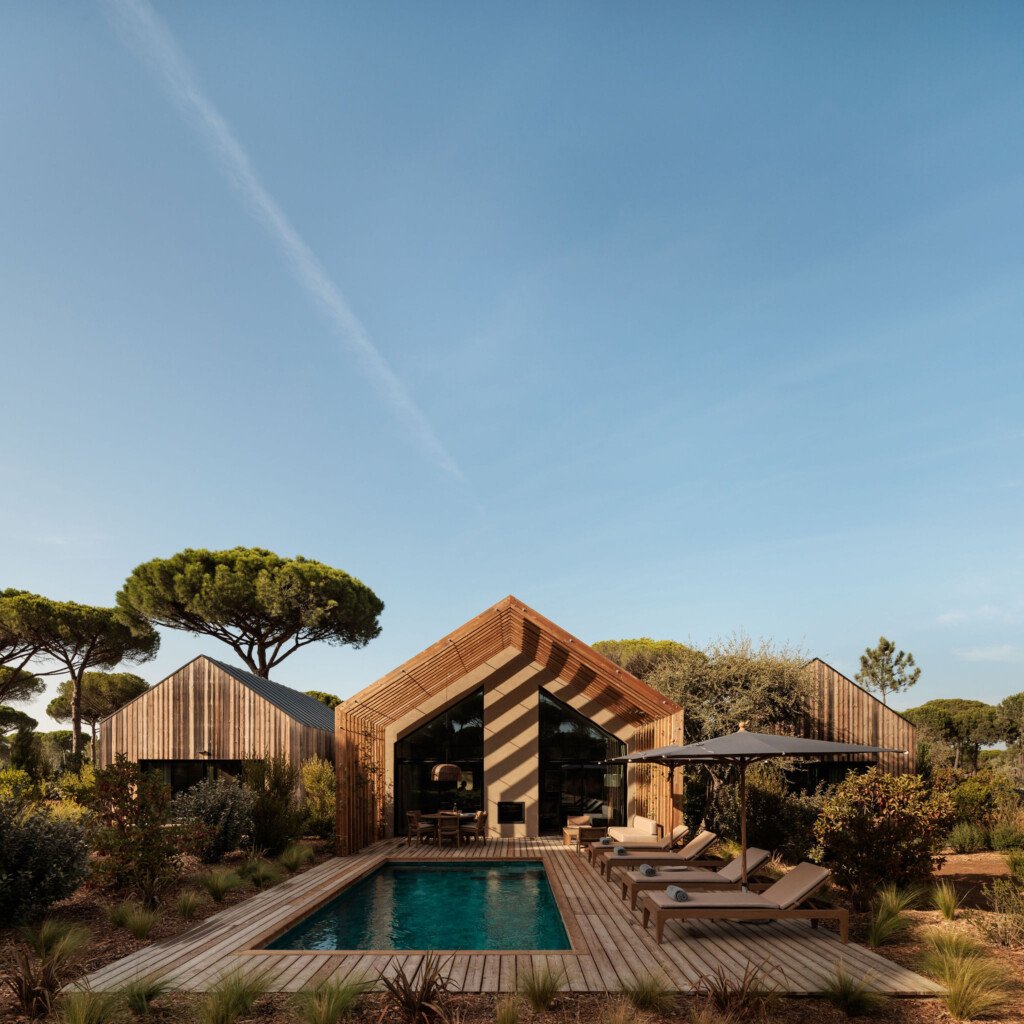
If one address anchors the current chapter of Comporta, it’s Sublime Comporta. The original hotel, now the Terracota wing, has defined barefoot luxury here since 2014.
This past May, the estate expanded considerably with Sublime Sand, a new collection of private villas tucked among the pines. The addition has turned the property into a small self-contained village, complete with restaurants, spa and wellness facilities, tennis and padel courts, and a kids’ club. Inside Sublime Sand, BeefBar has opened its first Portuguese address, while across the property Lisbon favourite Canalha has returned with its summer residency under João Rodrigues. The menu feels lighter than its city counterpart, designed for lingering dinners beneath the pines.
Adeus
There are plenty of places to see here; however, none of this is really about ticking off a list. Comporta works best when you stop paying attention to the clock altogether, when one more glass of wine delays dinner by an hour and nobody seems particularly concerned.
Somewhere along the way you wil realise you’ve adapted to the rhythm of the place. Maybe it’s when lunch drifts into sunset, or when the drive home takes longer than it should because you’ve stopped to watch the storks settling into their nests. That´s usually the moment Comporta becomes difficult to leave.