by Daniel Young for Luxeat Guide.
The story of most Greek islands and their native food traditions is typically one of bounty and scarcity: The bounty of precious meats, produce, dairy and seafood that have adapted to often harsh environments. The scarcity of indigenous food staples that mainland Greeks and foreigners can find in nearly any supermarket.
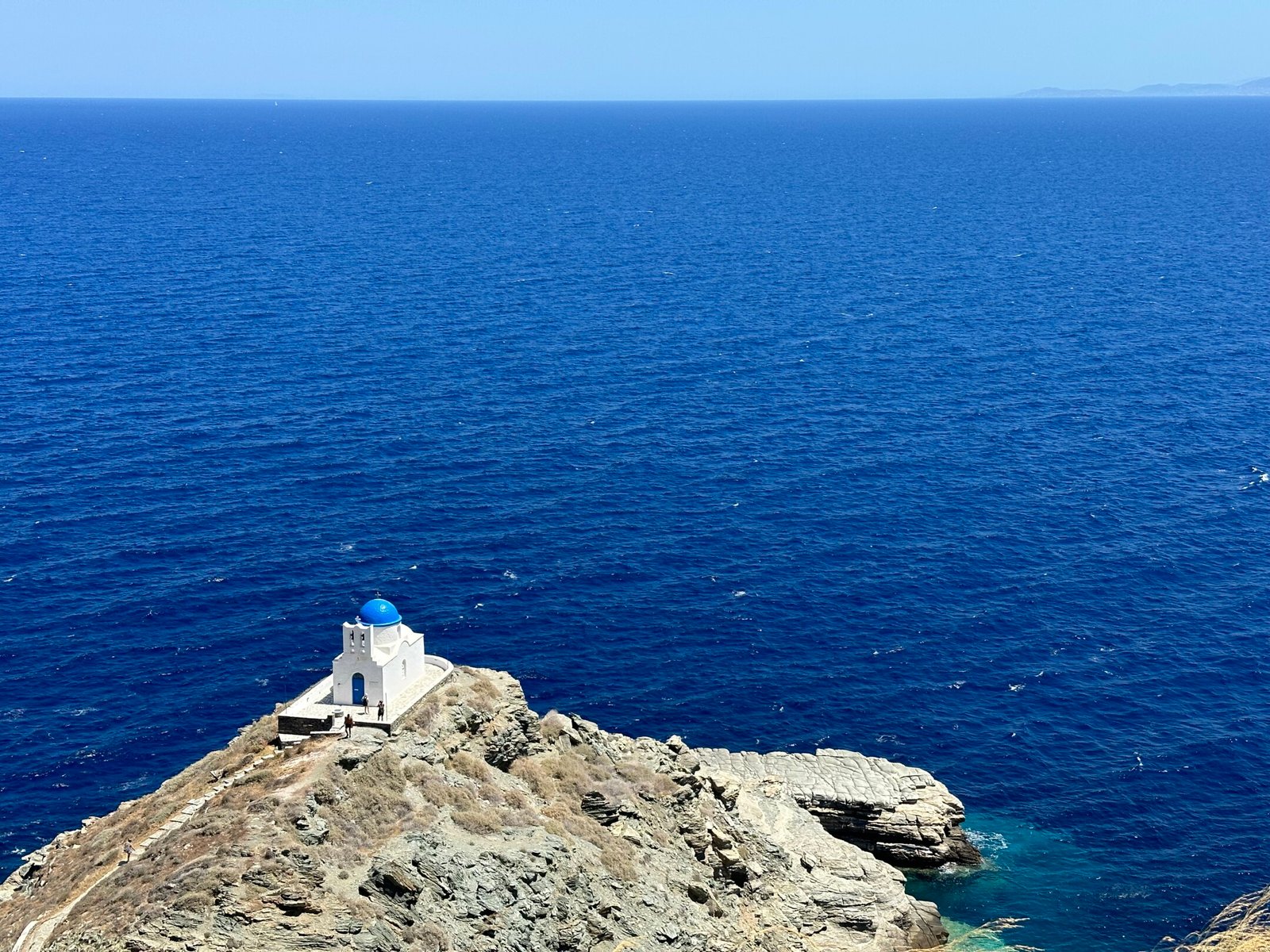
The rustic, locavore cooking of Sifnos, in the Cyclades island group that encompasses Milos and Paros (both about 32 km away), Mykonos and Naxos (both roughly 77km away) and Santorini (100km), is valued for its slow-baked goat, which takes its name, mastelo, from the clay pot in which the stew is cooked, and myzithra, a whey cheese from the milk of goats or sheep comparable to Italian ricotta. At Sifnos tavernas, myzithra often takes the place of feta in a Sifnos-styled horiatiki, the peasant salad revered overseas as the “Greek salad”.
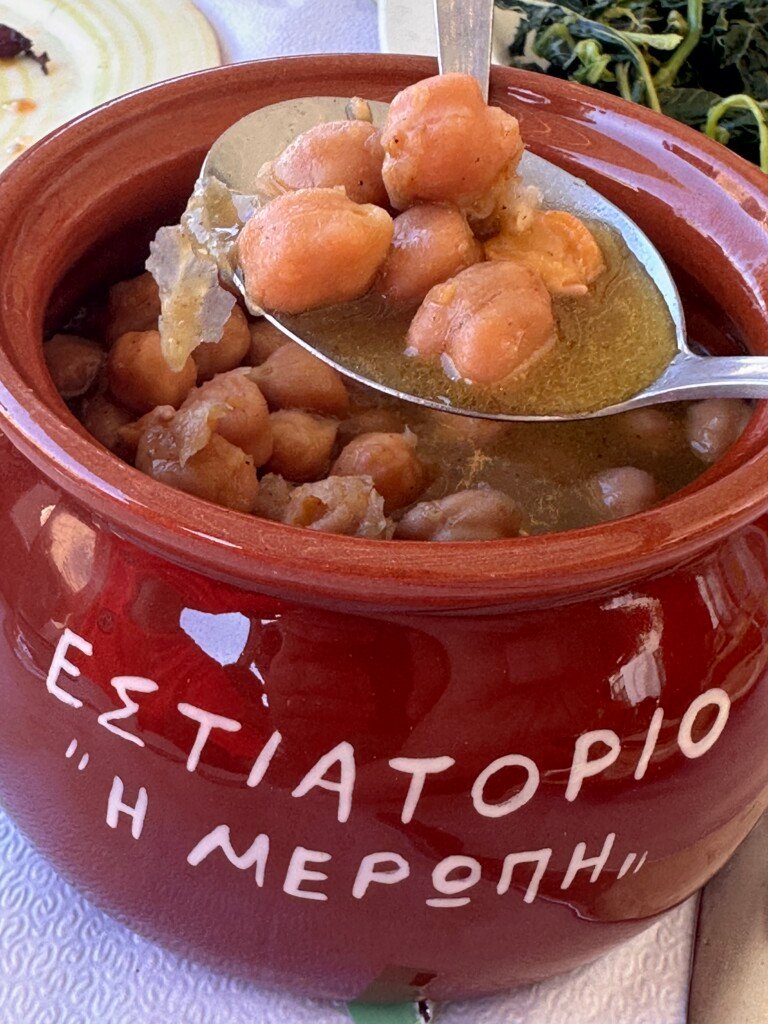
The humble stars of the Sifnean table might just be the chickpeas cultivated on the island. From these dense, resilient, small-seeded chickpeas come revithokefetedes, the fried chickpea balls more easily understood as the Greek falafel, and revithada, the Sunday stew of chickpeas combined with local olive oil, lemon and onions in a clay skepastaria pot and cooked for hours in a wood-burning clay oven.
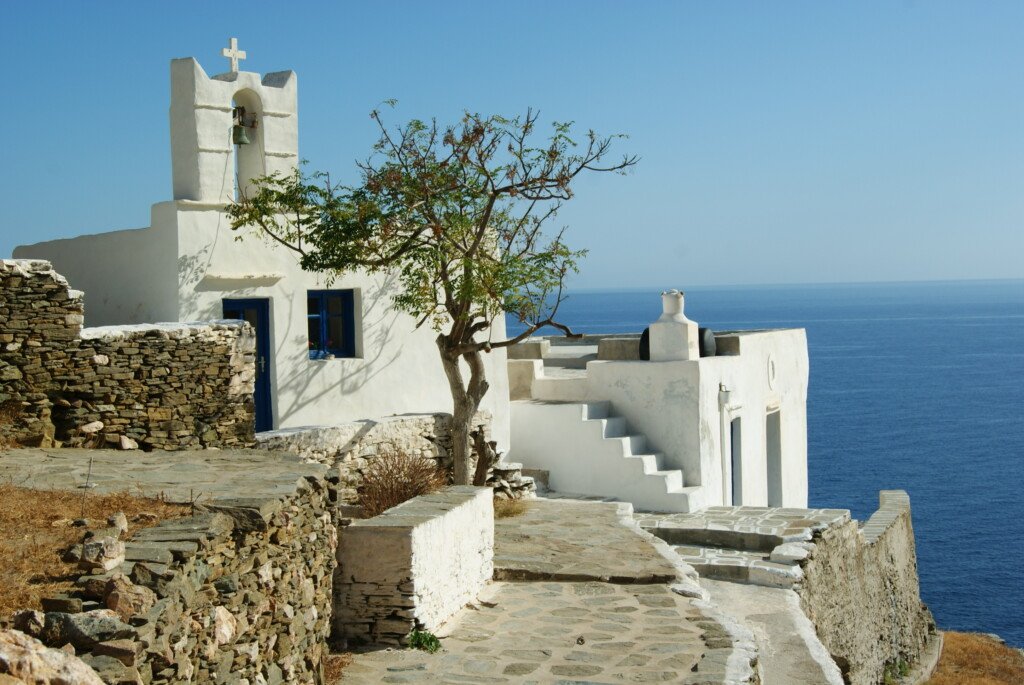
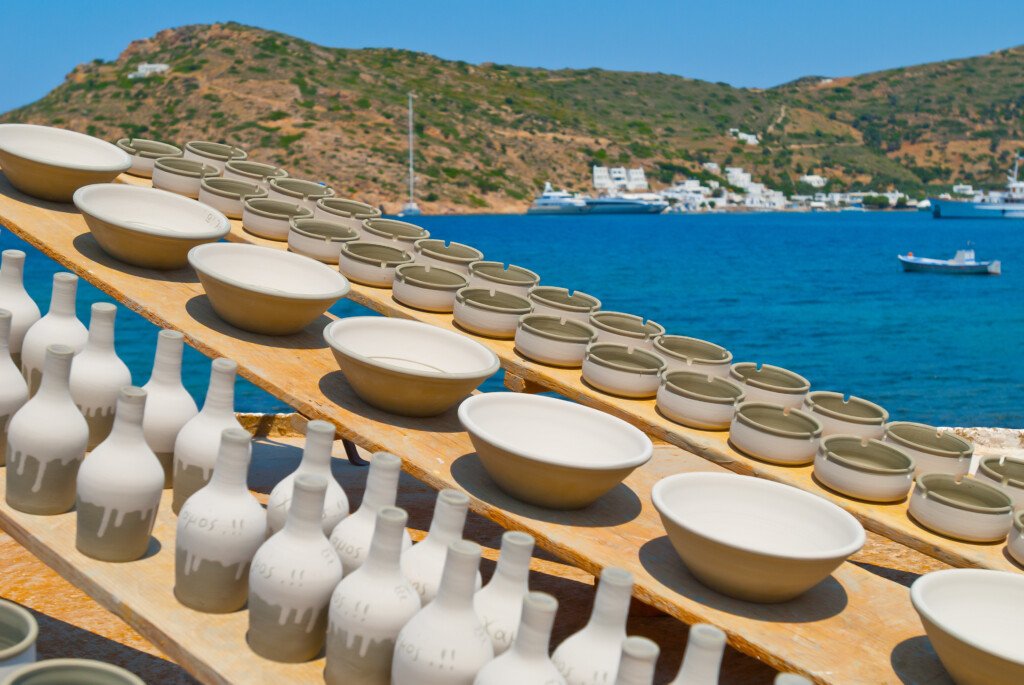
The clay pot and clay oven are representative of Sifnos, where pottery making is an ancient craft. Working from refractory clay native to the island, generations of potters have shaped local cooking and customs with the heat-resistance cookware they crafted. It’s terroir cookery rooted in the land, the island’s abundant red clay yielding the cooking pots, dishware and utensils. Pottery workshops can be visited in or near every village on the island, but apparently none serve food, sadly.
The reputation of Sifnos as a culinary destination was hardly built on chickpeas and ceramics alone. Native son Nikólaos Tselementés was arguably the most influential Greek chef in history. In 1932, he published Odigos Mageirikis (“cooking guide’), which would become the bible of Greek gastronomy. Though Tselementés was a world traveller who introduced French béchamel sauce to classic Greek cooking (think moussaka and pastitsio), his name and groundbreaking cookbook are forever linked with his island birthplace.
In recent years a new generation of influential Greek chefs have found fame in Sifnos. What, you might ask, brought Giorgos Samoilis, the most celebrated of this small group, to the island? Aside, of course, from a ferry boat. I’ve met him a few times but didn’t dare ask, mostly because I feared the truth might shatter a myth. Suppose his discovery was the result of a family connection. The recommendation of a persuasive friend. The outcome of a travel layover.
Could his found stardom on the island be an accident of opportunity? Perish the thought.
I prefer to think of these chefs as choosing their preferred Greek island the way we all do, scrolling for, say, a small, comparably obscure island neighbour of Mykonos with more opportunity, less ostentation and shorter queues. Maybe they were lured by the Tselementés connection and the chickpeas. Or perhaps they were pottery geeks attracted more by cooking vessels than sailing ones. Regardless, Sifnos is no party island. Not yet.
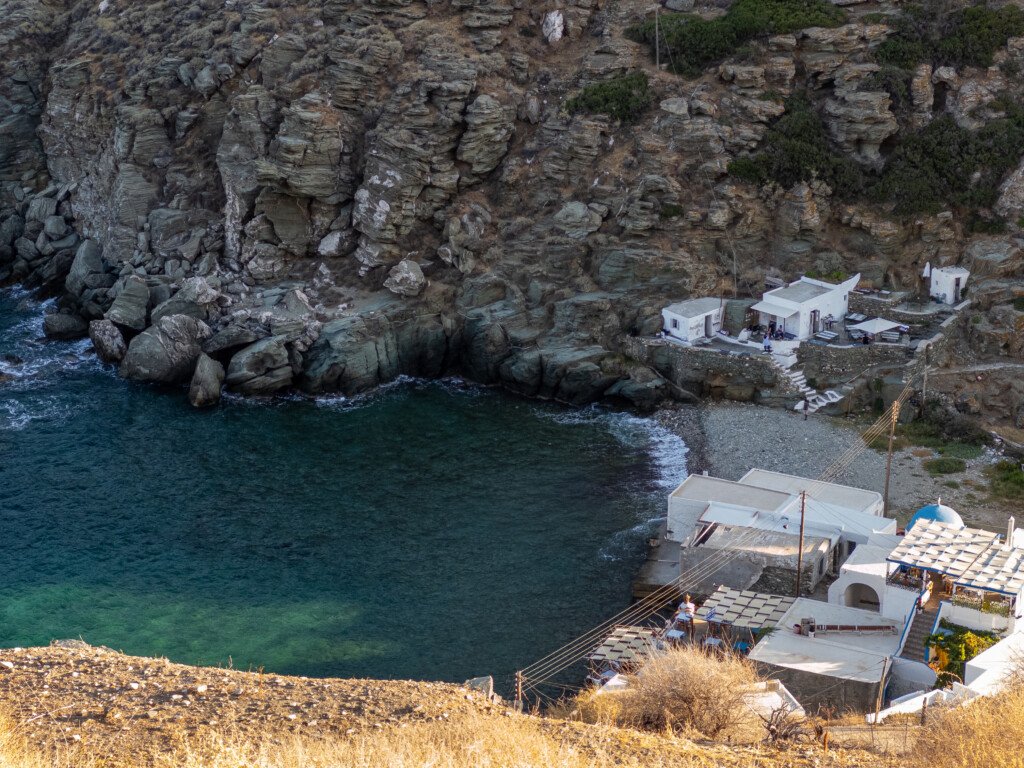
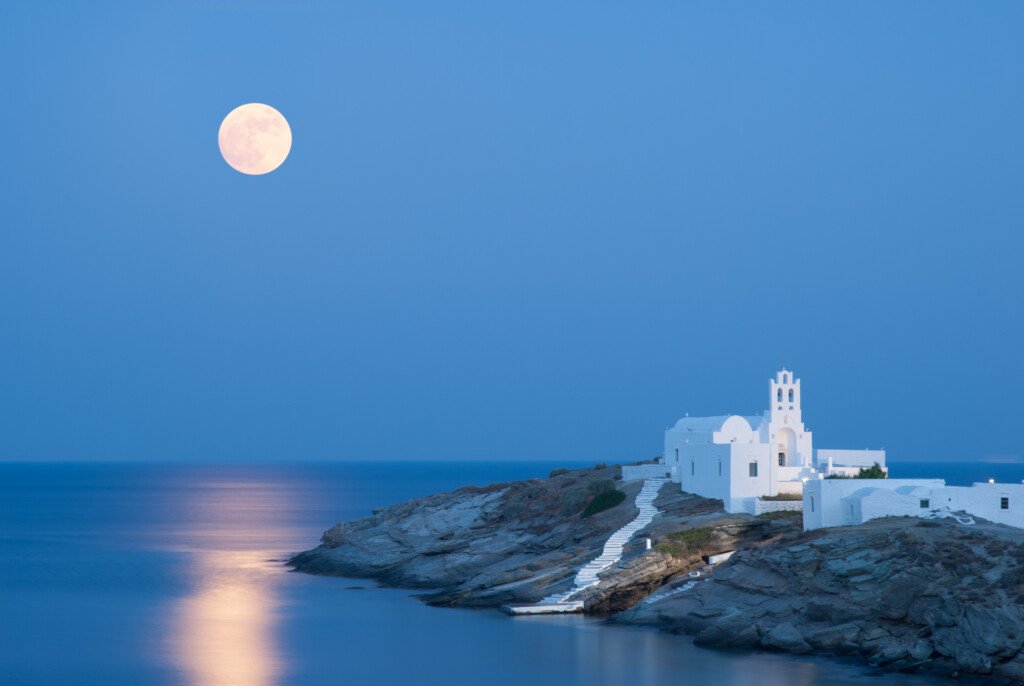
Samoilis opened Omega 3, a fish and wine bar on Platis Gialos beach perhaps more famous for its association with Tom Hanks, a renowned repeat visitor, as with its chef. Samoilis truly – and finally – made a name for himself by creating Cantina, a rustic wonder of a secluded beach house restaurant nestled in the hillside rocks above tiny, untamed Seralia Beach.
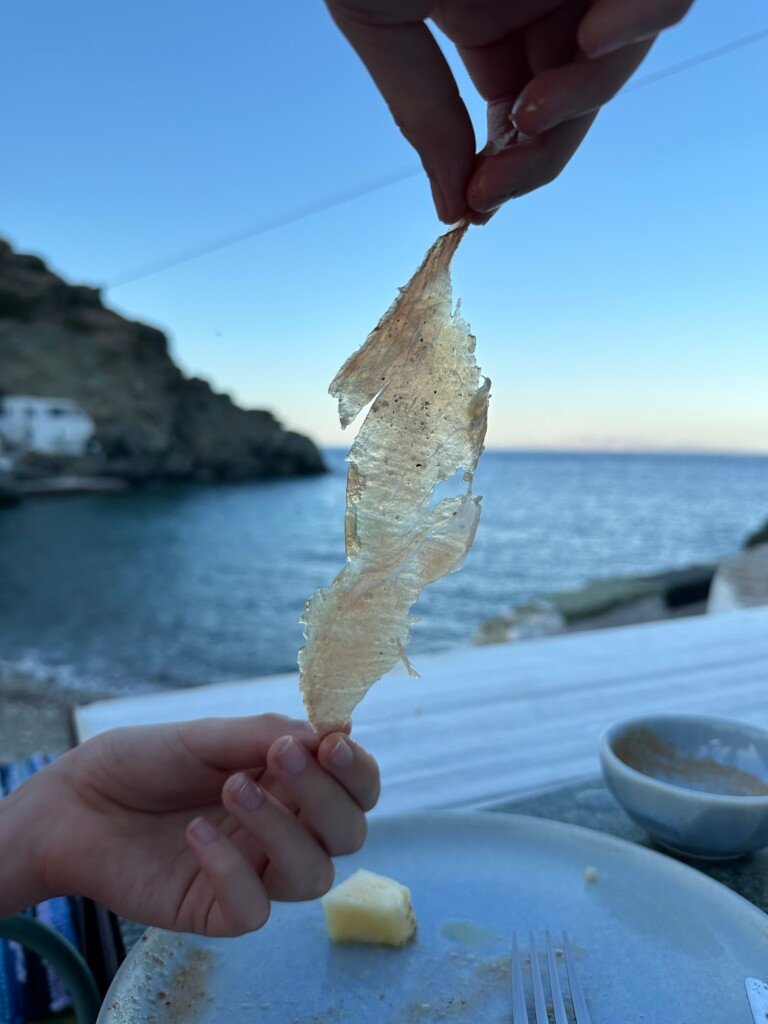
As many as one in ten diners disapprove of Cantina. These dissenting diners seem to be texting their disapproval even before they’ve been handed their menus. They are present, one imagines, because (A) Cantina has become a hot globally recognised dining destination, anathema to the Sifnos laid-back feeling, and therefore (B) they know better than to fall for the hype.
There’s no denying that some people easily find misery where there is so little of it and are keen to share their displeasure as quickly as possible. What good is a holiday in Greece if you can’t complain about it to unlucky companions and colleagues stuck at home?
But it also must be accepted that if you are going to take risks, as Samoilis does, and if you are going to try to do something truly special and different in a harsh if spectacular setting with serious limitations, not everyone is going to love the result, be it swordfish souvlaki, amberjack bacon belly with smoked seaweed, tomato stuffed with pickled rose petal sorbet, charcoal-grilled mullet with brown fish bone sauce, a split-pea tostada with Xynomizithra cheese or a no-alcohol gin tonic.
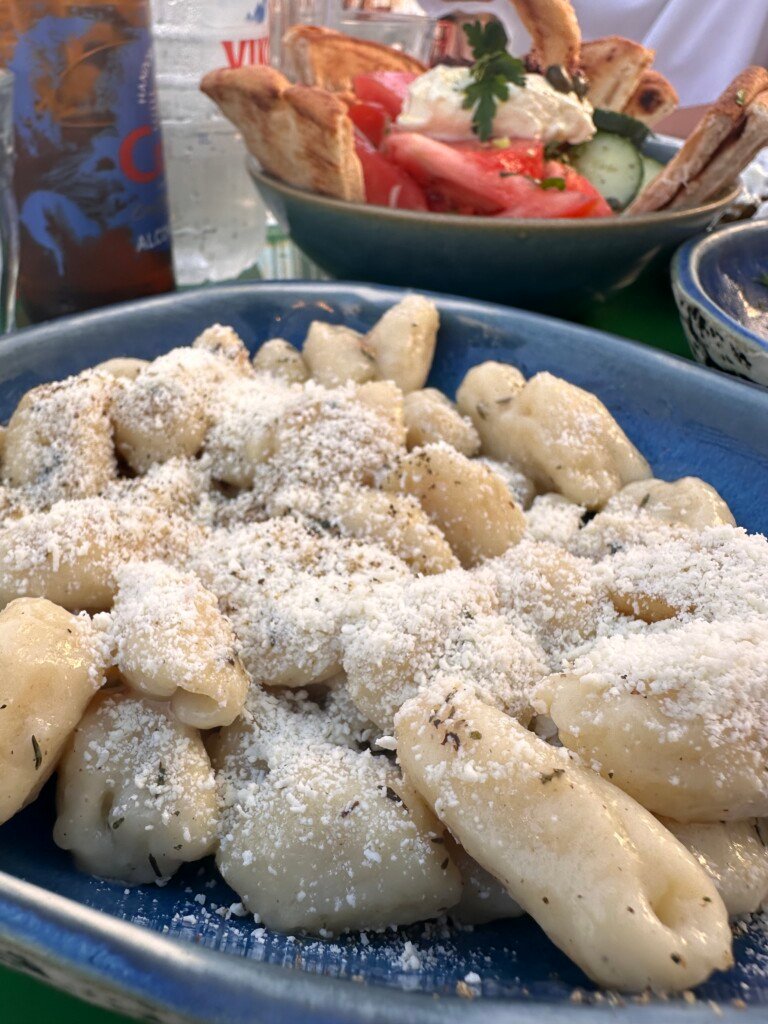
The ingredients and focus are local as can be, but the ideas, inspiration and the organic, no-loss, zero-waste, home-cured, house-pickled ethos is global and trendy. He’s brought international sophistication to an island setting that, though reasonably close to Mykonos, if measured nautically, is as distant as can be when it comes its summer holiday Greek island vibes.
For at least nine of ten foodies, Cantina in a must, as is its sister restaurant, Pelicanos in Faros Beach, and La Marina, a takeaway so-called because each bake is prepared and displayed in la marina, a large metal baking dish that is the Greek equivalent of a lasagna pan. La Marina’s moussaka top heavy with fluffy béchamel is unforgettable. Nikólaos Tselementés would have approved.
For the traditional Sifnean cooking there are several good tavernas that largely reject modern pretentions and also a few that jazz up the classics by embracing the small plates format. In the first category there is Manolis Taverna and Tsikali, each perched on the narrow beach in Vathy, and Meropi in the port town Kamares.
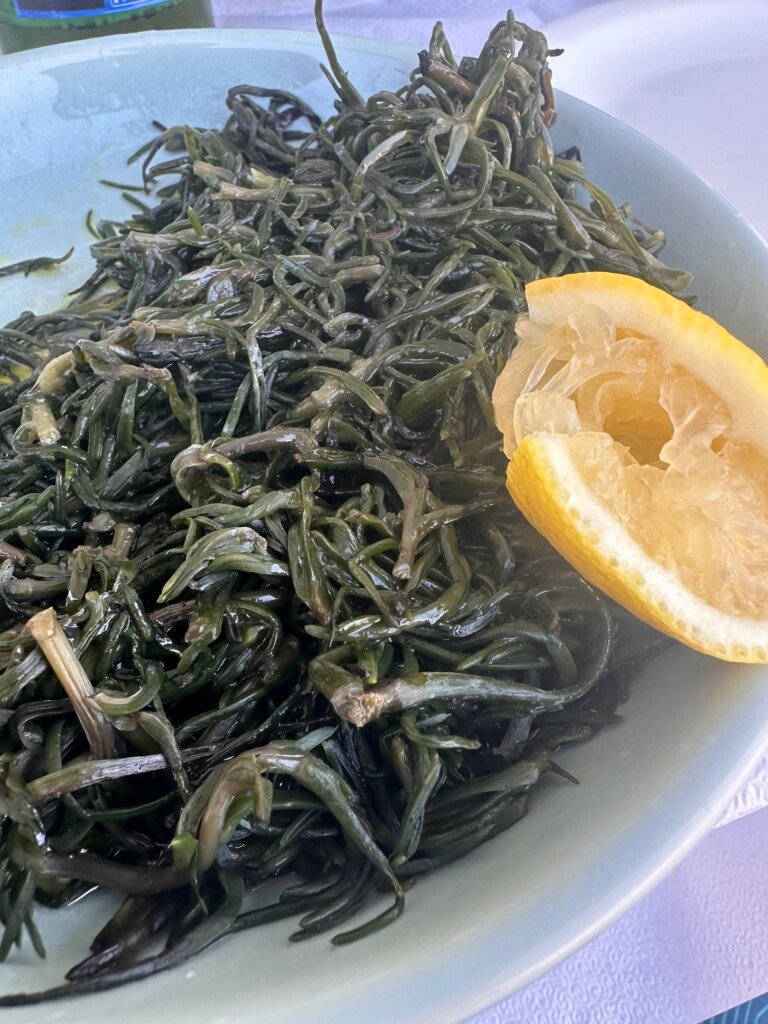
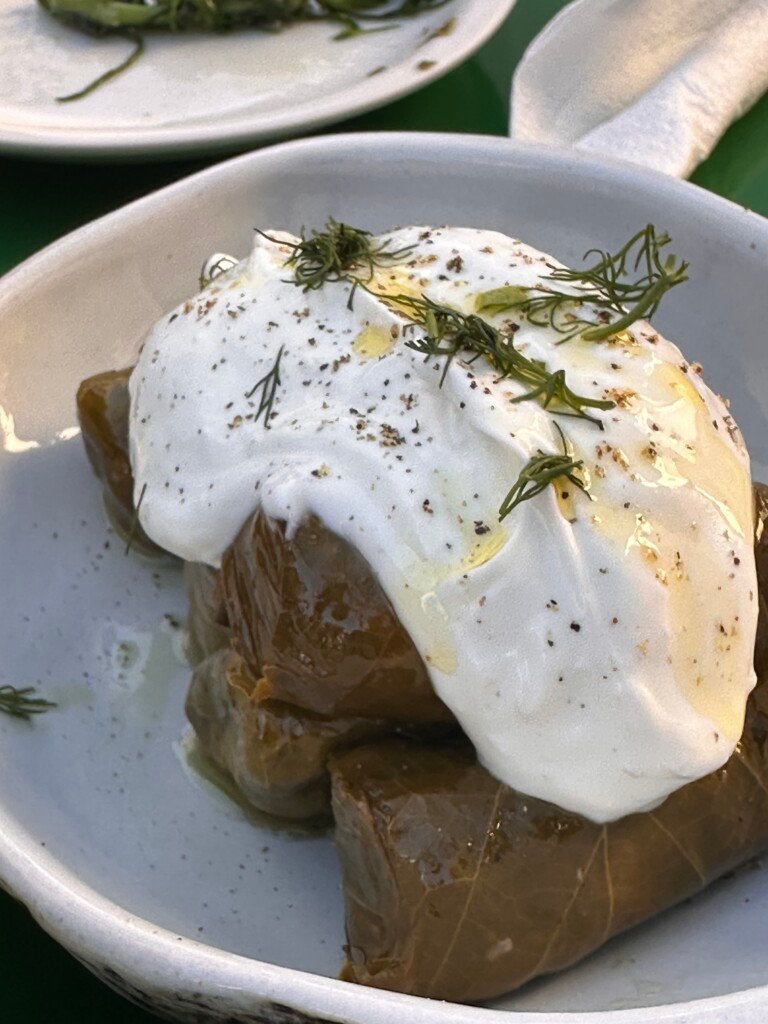
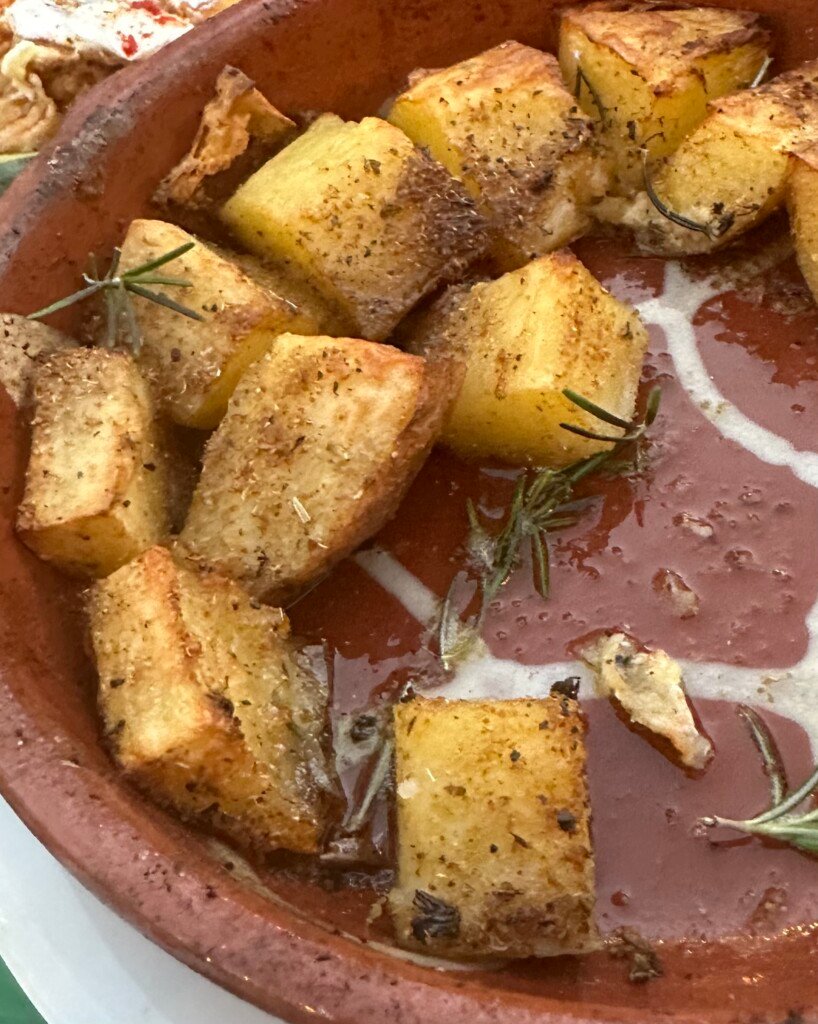
Kafeneio Drakakis in Apollonia and Mosaico in Artemonas rethink tavernas as atmospheric mezze bars. Theirs are small-plate formats for preparing classics with a contemporary twist. Each is getting a toe, if not a whole foot, in the stylish Aegean waters of Mykonos and Santorini.
The best thing about these mezze joints is that you get to do a fair bit of sharing and tasting. Plus you’re not stuck with something you’re not loving. The worst aspect is it can be a tease. Sometimes you don’t get enough of something you love.
This is easily rectified. At Drakakis there is apparently no rule against having a second order of the chickpea balls, or a repeat dish of the fire-baked Greek sausage. This doubling up should almost be required.
Good bakeries vary from the traditional breads, pastries and very Greek butter cookies at Veniou in Artemonas to the almond confectionary at Gerontopoulos Sweet Shop in Apollonia to the French-inspired Kitrino Podilato. “Yellow Bicycle” applies modern technique and whimsy – Kinder Bueno tartlet, anyone? – to classic patisserie. If you must have a crème brûlee or a Paris-Brest pastry while in Sifnos, this is the place.
With its small land area of 74 square kilometres surrounded by the Aegean Sea, Sifnos has the setting of a fish lover’s paradise. But this status depends on the relationship between the assertive diner and the proud, candid host.
If Cheronissos Fish Tavern at Cheronissos Beach were any closer to the sea its tables would topple into the bay. Yet regardless of the taverna’s nearness to the seafood habitat, diners should not assume everything on the menu is fresh. The kalamarakia, for example, are typically frozen. But if you ask which fish are fresh, you’ll be told and treated with respect for having done so. Then the dilemma is not fresh-or-frozen but rather grilled-or-fried.
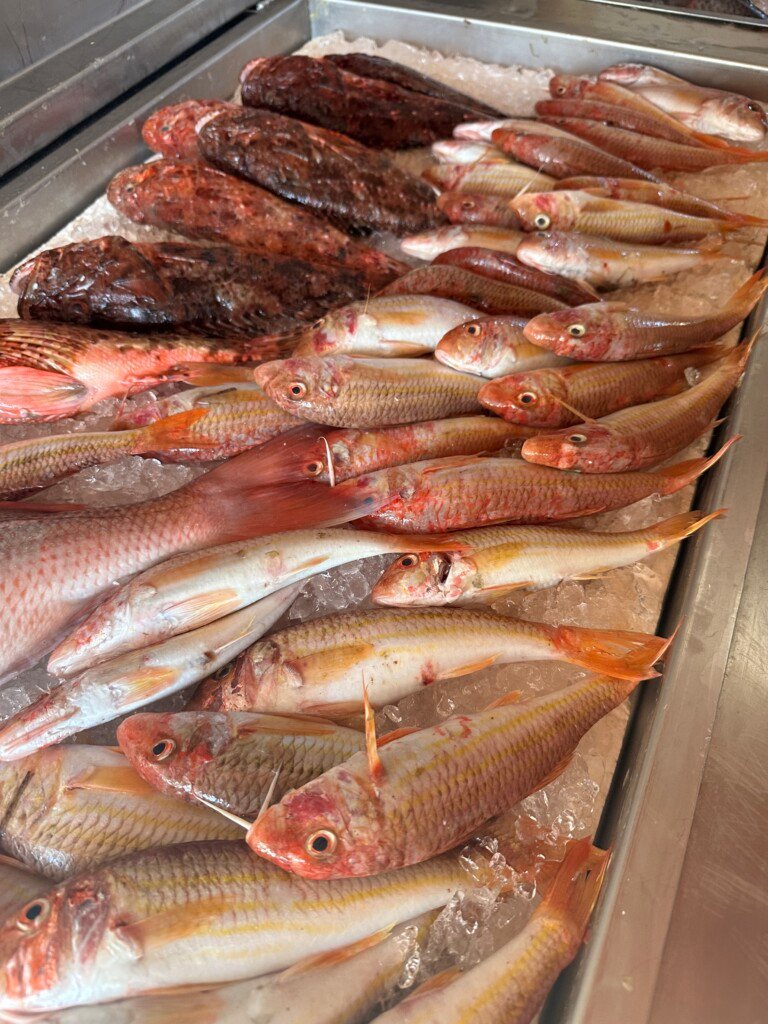
Captain Sifakis, opposite to Cantina in Seralia, operates as many Greek fish tavernas do. The catch of the day is proudly displayed over ice, as it would be at a small fish market, allowing diners to inspect the selection and pick out the specimens most to their liking based on size, colour and feel as well as the appearance of the gills and the eyes. Gut instinct helps, too. These encounters, at fish tavernas or ceramics workshops, reflect the intimacy of Sifnos. It’s a relatively quiet island, especially as compared to other Greek islands famous for their nightlife and notorious for overspending and overextending, but it’s hardly unknown. Sifnos is no well-kept secret. Not any longer.

London-based food critic Daniel Young is the “Young” behind @youngandfoodish and youngandfoodish.com