By Aiste Miseviciute.
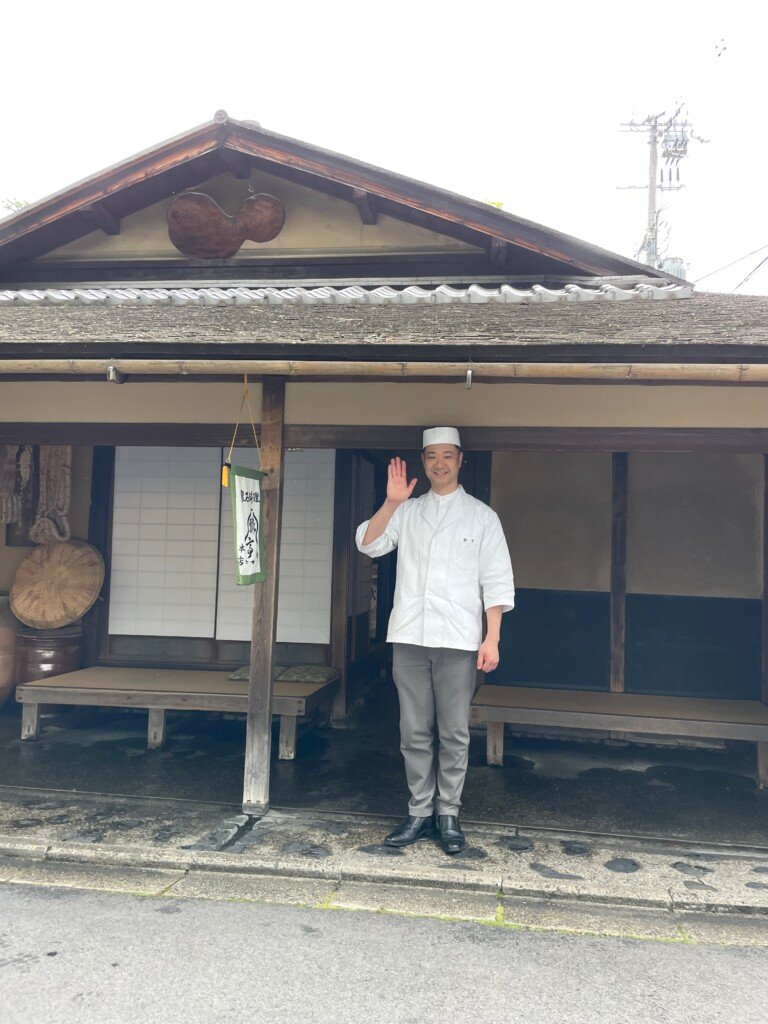
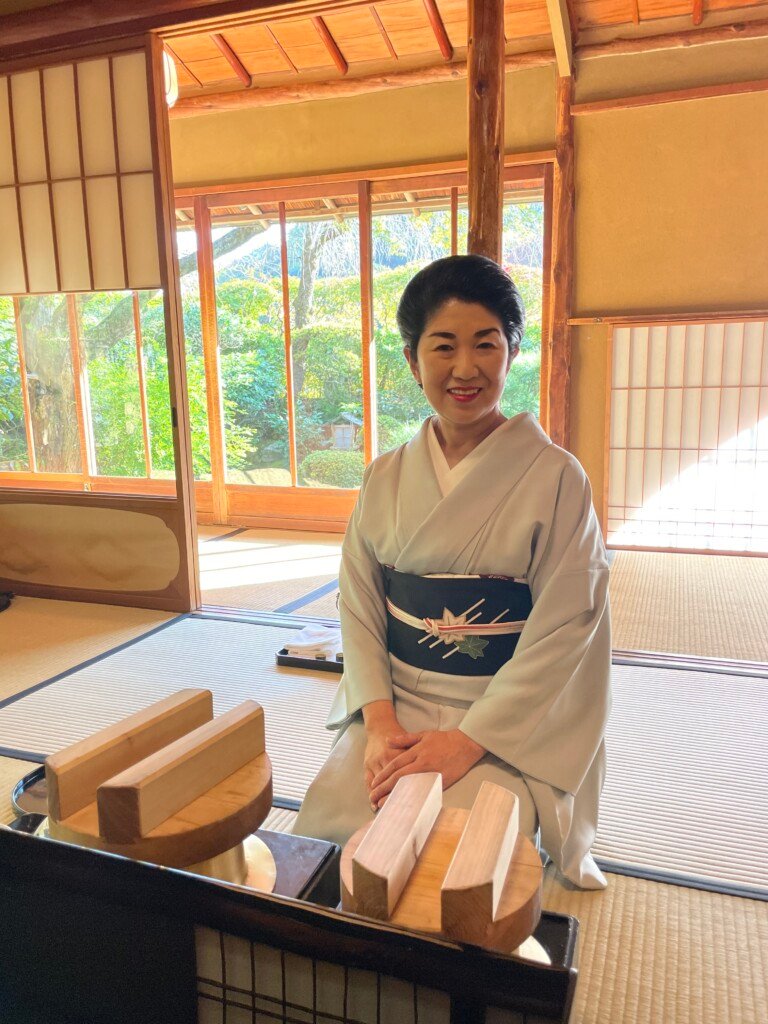
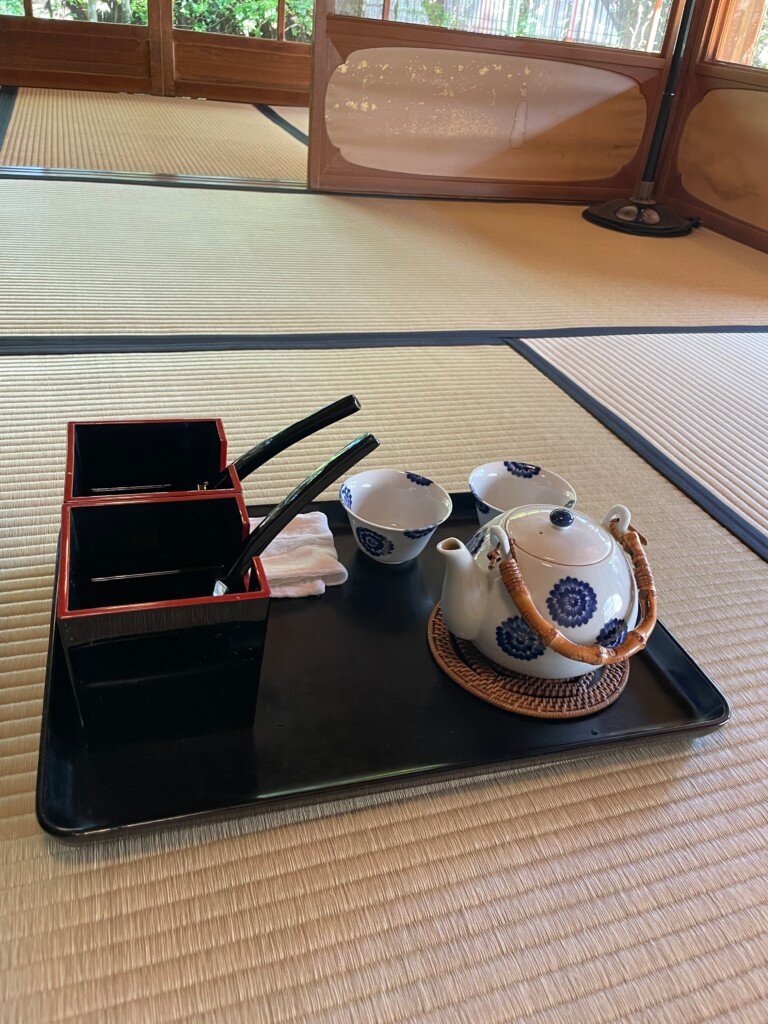
I first experienced kaiseki in Kyoto nearly twenty years ago, at the celebrated Kikunoi, run by the third-generation chef Yoshihiro Murata, widely regarded as one of the leading culinary figures in Japan. Located near Kodaji temple, we were received in a private tatami room, attended by a kimono clad hostess, who served a sequence of beautifully presented dishes with a sophistication and a sense of formality. It was a quintessentially Japanese experience, one I only partially grasped, yet one that left a lasting impression.
Origins in The Tea Ceremony
Kaiseki, in its original form, was never meant to be luxurious. It emerged in the sixteenth century as a simple meal served before or during the tea ceremony, shaped by the austere sensibility of Zen practice. Sen no Rikyū codified this approach, favouring modesty over spectacle. The word itself evokes a gesture of endurance, recalling the warm stones Zen monks would place against their bodies to stave off hunger during meditation.
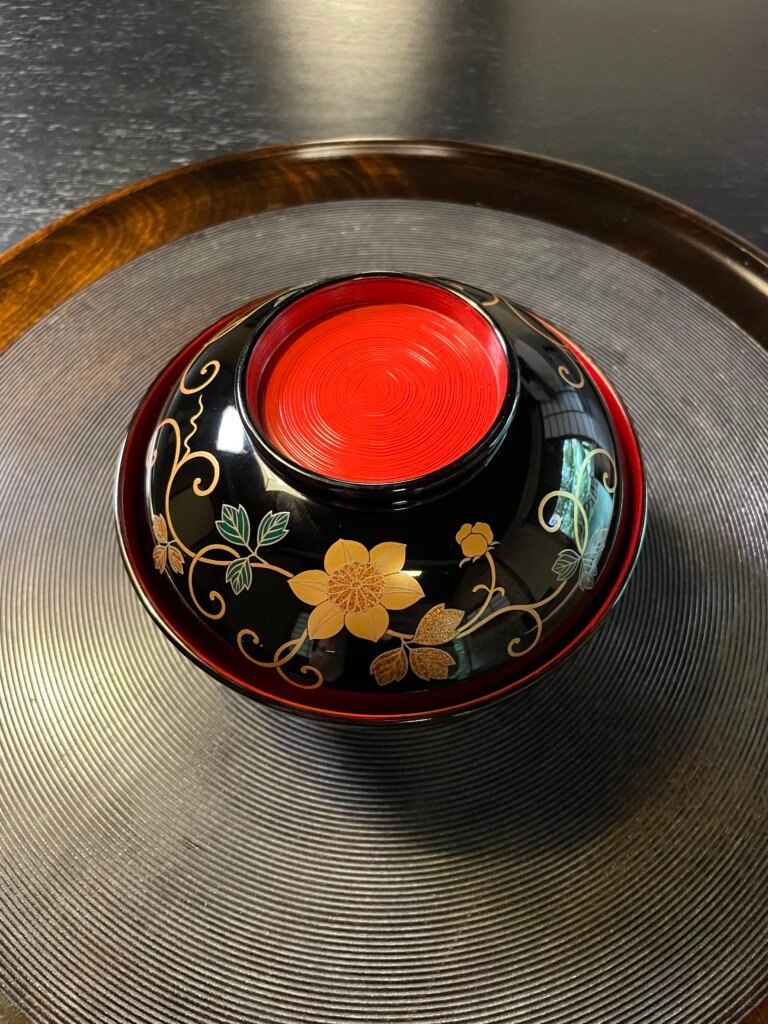
Almost like a form of meditation, calm lies at the heart of the experience, and in a traditional kaiseki meal, time seems to slow down almost immediately. The meticulously prepared dishes arrive- a lacquered tray, a clear broth, something just cut, something just arranged. Kaiseki is very much about an expression of time.
The Seventy-Two Seasons of Japan
Kaiseki, in its original form, was never meant to be luxurious.
In traditional Kyoto kaiseki, what is served on the plate is inseparable from the seasons, long observed in Japan through practices such as hanami, the viewing of cherry blossoms in spring, momijigari, the appreciation of autumn foliage, or yukimi, the viewing of snow in winter. This sensitivity extends far beyond the four seasons as we know them. The year in Japan is traditionally divided into seventy-two micro seasons, each lasting only a few days, marking subtle shifts in climate, light, and ingredients.
In kaiseki, each course reflects a precise moment in the evolution of an ingredient, whether at its peak or just before. When dining in Kyoto, one cannot help but notice how the progression of the seasons is shared across kitchens, creating a synchronicity throughout the city. Certain ingredients appear almost simultaneously, signalling a collective awareness of the moment, shaped as much by nature as by tradition. One quickly recognizes the arrival of bamboo shoots in spring, or the brief season ofayu in summer, each interpreted slightly differently, yet often presented in remarkably similar ways, at least through the eyes of an outsider.
Shun: Cooking at The Edge of Time
At the heart of kaiseki lies the concept of shun, a term that resists direct translation. It is often rendered as “seasonality”, yet its meaning is more exacting. Shun refers to the precise moment when an ingredient reaches its optimal state, when flavour, texture, and aroma are at their best.
This moment is brief, lasting weeks, sometimes only days. The role of the chef is to recognise it, and to act with precision.
This moment is brief, lasting weeks, sometimes only days. The role of the chef is to recognise it, and to act with precision. A bamboo shoot prepared at the very start of spring differs from one served weeks later. A fish early in its cycle carries a different quality from one at its peak. The variations are subtle, yet in kaiseki, subtlety is the point.
There is also a further nuance. The ideal moment is not always the peak itself, but sometimes just before it. An ingredient may be selected when its flavour remains slightly held back, its structure more delicate, allowing for a more refined expression. In this sense, kaiseki is less about abundance than about timing.
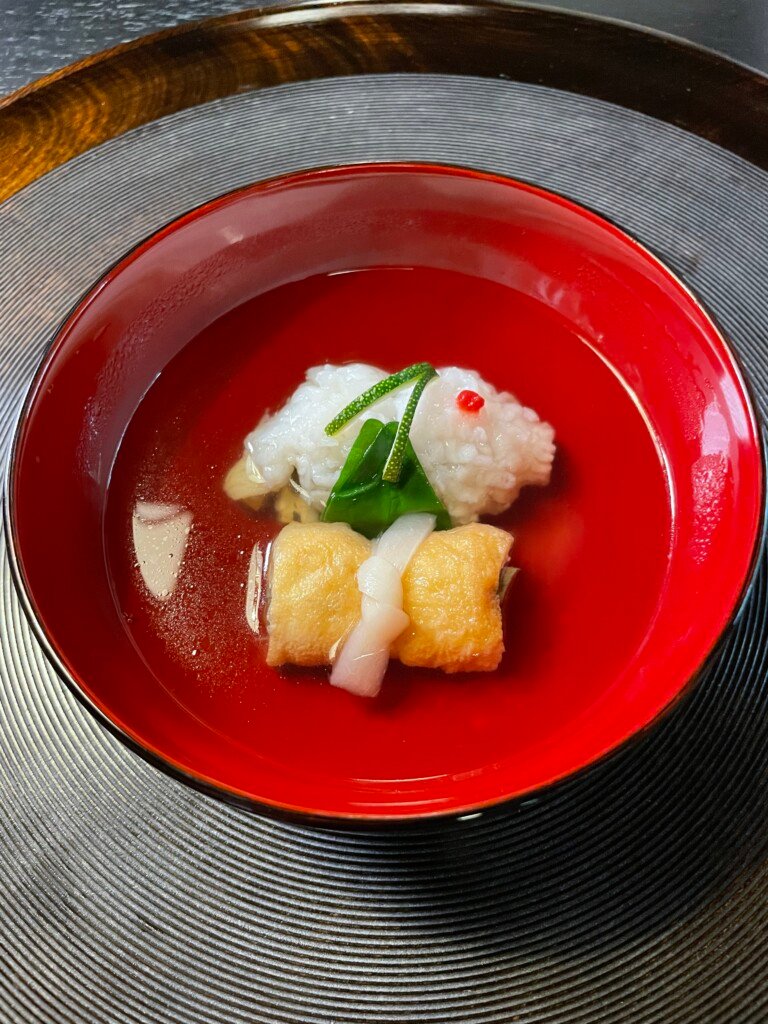
Spring
Spring in Kyoto arrives quietly. Plum blossoms appear first, followed by cherry blossoms that briefly transform the city.
In Kyoto, where the surrounding hills produce some of Japan’s most prized bamboo shoots, it is treated with particular care, typically simmered in dashi to preserve its character.
One of the most emblematic ingredients in spring is the bamboo shoot. Harvested in its early stages, it has a tender texture and a faint sweetness, balanced by a gentle astringency. In Kyoto, where the surrounding hills produce some of Japan’s most prized shoots, it is treated with particular care, typically simmered in dashi to preserve its character. Alongside it, wild mountain vegetables known as sansai begin to appear – fukinoto, warabi, kogomi– each bringing a distinct note of bitterness.
This bitterness is understood to awaken the palate after winter, preparing the body for the months ahead. Seafood follows the same logic, remaining on the lighter side. Clams and small white fish are often served in clear broths that emphasise their natural sweetness, while presentation mirrors the season with pale greens, soft whites, and the occasional hint of pink from a preserved cherry blossom.
Even desserts follow this same philosophy. Strawberries, at their peak in early spring, appear in simple preparations, sometimes paired with delicate creams, sometimes presented as they are.
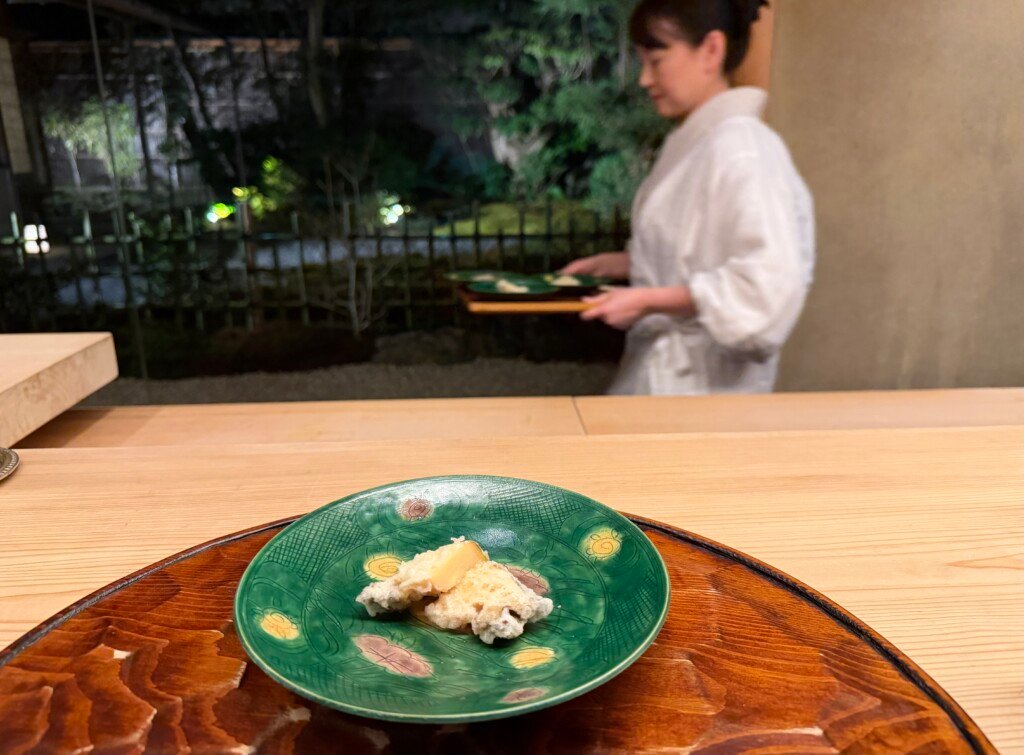
Summer
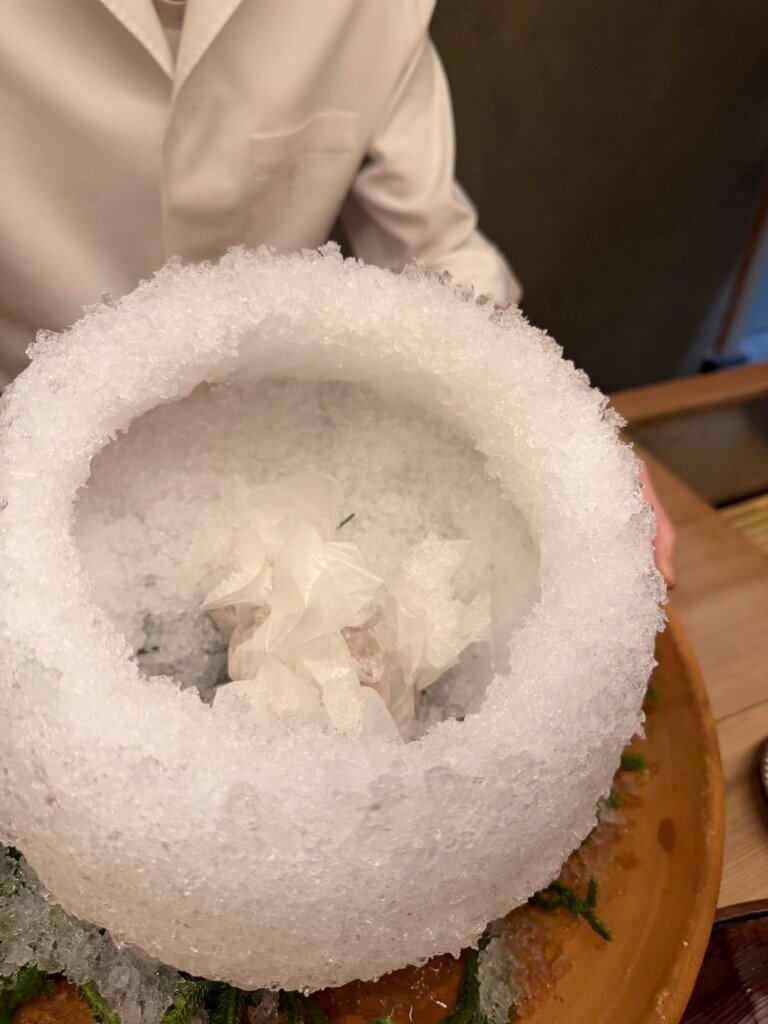
Summer in Kyoto can be hot and humid, as surrounding mountains trap heat and moisture. The heat settles in and lingers, and this is reflected in kaiseki, where meals become lighter. Soft water, for which Kyoto is known, becomes central in its many forms. Clear broths, chilled preparations, and dishes set just enough to hold their shape and to create a sense of lightness. Glassware appears more frequently, catching and diffusing light. Ice is sometimes introduced not only to cool, but to alter perception, lowering the temperature of the meal before it is even tasted.
Beyond ingredients, summer kaiseki is marked by rituals and gatherings, most notably the Gion Festival, whose presence runs through Kyoto in July.
Hamo, pike conger eel, is widely used in Kyoto during the summer months. The fish is scored with fine, repeated knife cuts to break down its many small bones without disturbing the flesh. When lightly blanched, it opens into a delicate, almost flower-like form. It is often served in a clear broth or with minimal seasoning. Ayu, or sweetfish, caught in freshwater rivers, carries a clean, faintly herbal character shaped by its environment. It is usually grilled slowly over charcoal and served whole. Vegetables follow the same direction. Cucumber, eggplant, and myoga appear in simple forms, often barely altered. Tofu, particularly in its softer textures, is served chilled, sometimes with little more than soy or a light dashi. Shiso, sansho, and young ginger bring brightness, as seasoning becomes lighter and never overwhelming.
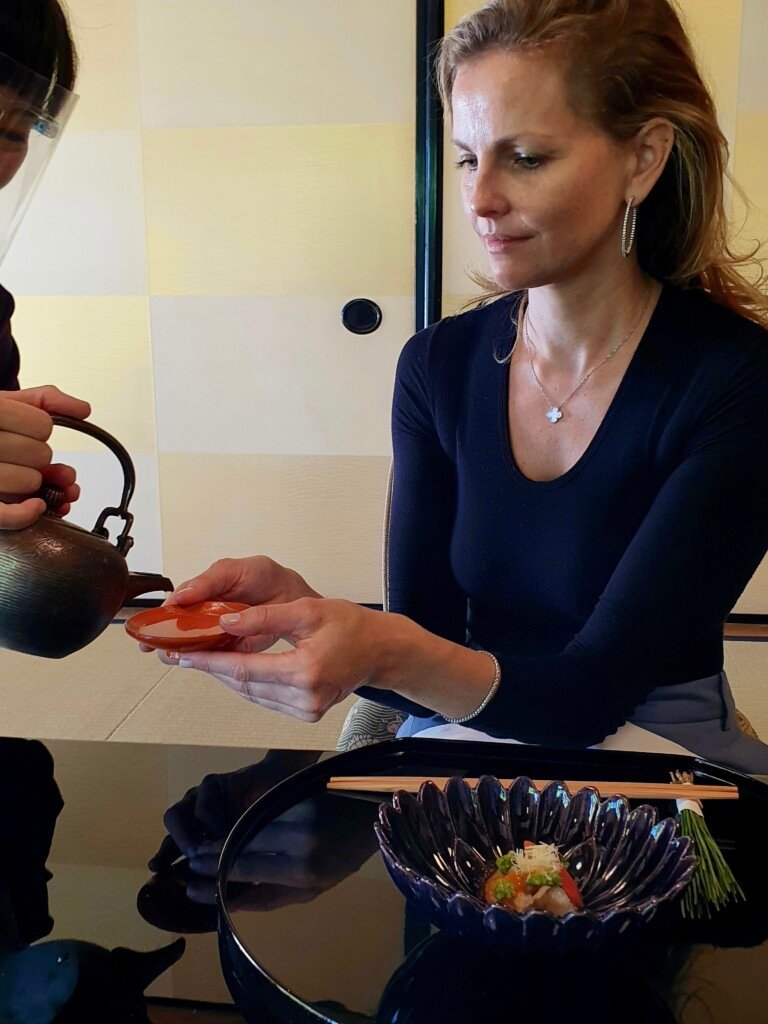
Beyond ingredients, summer kaiseki is marked by rituals and gatherings, most notably the Gion Festival, whose presence runs through Kyoto in July. Food follows this cycle, with certain dishes and ingredients tied to moments of purification, celebration, or endurance in the heat. Hamo, for example, is not only seasonal but symbolic, long associated with sustaining the body through Kyoto’s summers. The influence of the tea ceremony is particularly visible at this time of year. Flowers are arranged with precision, often just before full bloom. Water is used deliberately, whether scattered in a garden or suggested through the composition of a dish.
This approach extends to the principle of mitate, where objects are presented as something beyond themselves. Natural elements become vessels, both literal and symbolic. A dish may be served on a leaf, or shaped to evoke water, stone, or landscape. The aim is not decoration, but transformation, creating a moment that connects the diner to the season in a more abstract way.
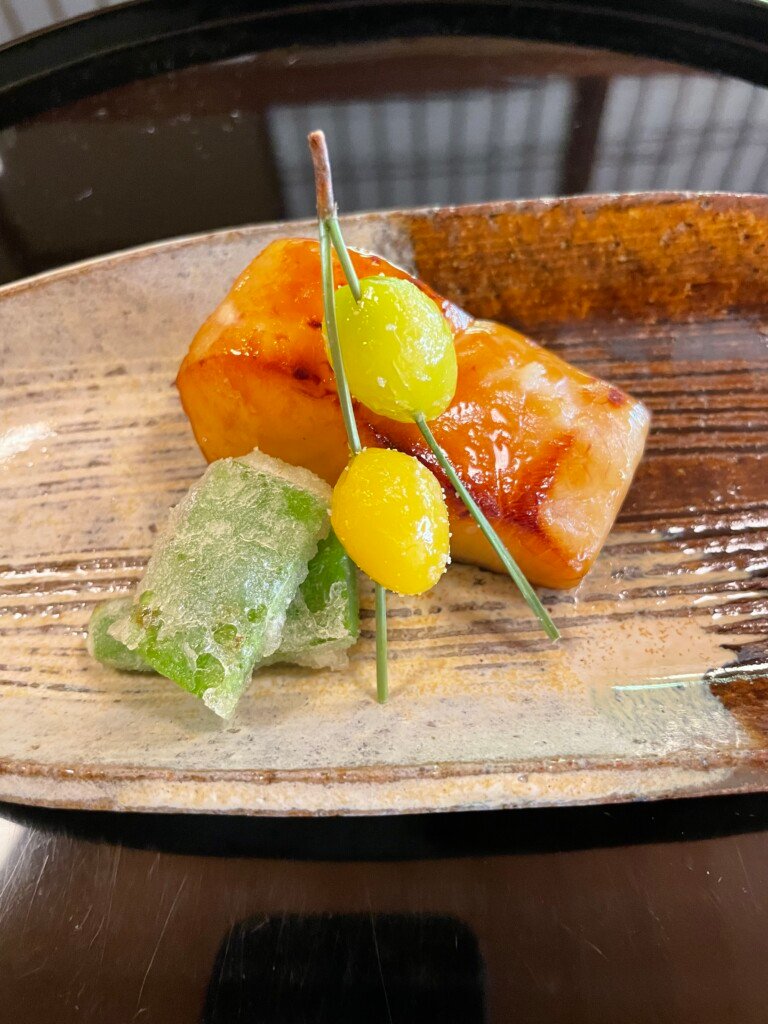
Autumn
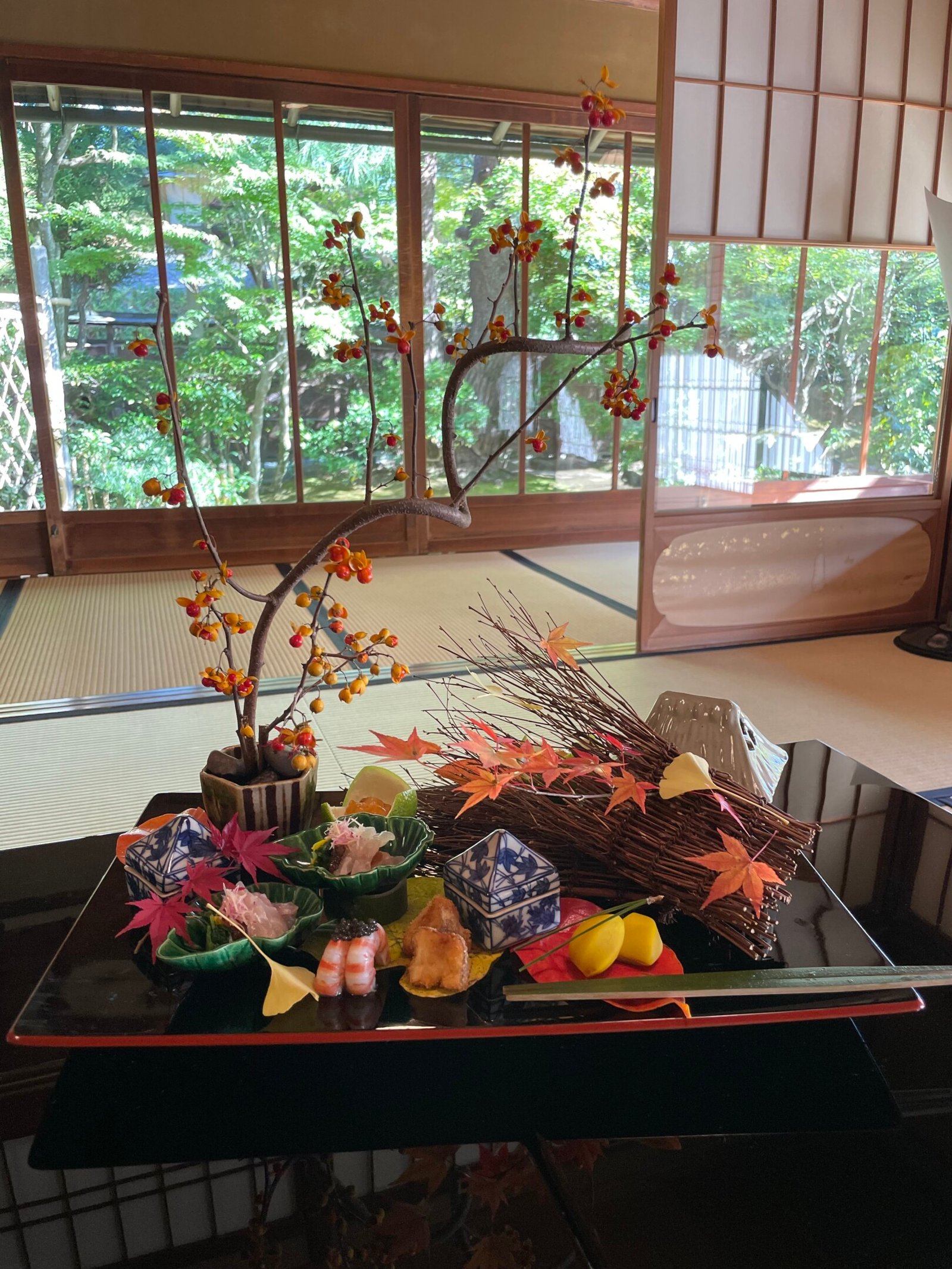
If one season most fully embodies the pleasures of eating in Japan, it is autumn. The air cools, the light softens, and ingredients reach a greater depth and complexity.
Visually, the meal mirrors the changing landscape. Deep reds, burnt orange, and muted gold tones appear across ingredients and tableware.
In kaiseki, this is the moment of maturity, with deeper flavours and more layered textures. Matsutake mushrooms are among the most prized autumn delicacies in Japanese cuisine. Their aroma, immediately recognisable, is both delicate and persistent. They are often grilled or placed in clear broths, allowing their character to unfold. Chestnuts and sweet potatoes bring a gentle, rounded sweetness, appearing across both savoury and sweet preparations. Persimmons, soft and honeyed, are used in ways that contrast sweetness with acidity or salt. A wide range of mushrooms contributes to the overall depth of the meal. The kind of fish is used, also, shifts with the season. Richer varieties begin to appear, reflecting the cooling waters. Preparations remain precise, but there is a greater sense of substance, a clear move away from the lightness of summer.
Autumn in Kyoto is also shaped by its cultural landscape. The season is closely tied to moments of gathering and reflection, from moon viewing to seasonal festivals. A dish may echo the shape of the moon or suggest it through colour and composition. Elements such as pampas grass, chestnuts, or early harvest vegetables act not only as ingredients, but as markers of time passing. Visually, the meal mirrors the changing landscape. Deep reds, burnt orange, and muted gold tones appear across ingredients and tableware.
Winter
What I love about Kyoto is its distinct four seasons. Winter can be cold and crisp, with occasional snow that settles beautifully on the roofs of temples.
What I love about Kyoto is its distinct four seasons. Winter can be cold and crisp, with occasional snow that settles beautifully on the roofs of temples.
The seas around Japan cool significantly, and this is reflected in the quality of the ingredients. In kaiseki, winter is when fish and seafood are used at their peak. Yellowtail, known as buri, is a classic example, its higher fat content in winter giving it a richer texture and flavour, whether served raw, grilled, or lightly simmered. Crab appears throughout the season, particularly snow crab from the Sea of Japan, known as matsuba gani, one of the most prized winter delicacies, often served simply to preserve its natural sweetness. Fugu is also very seasonal, valued for its delicate texture and typically served as thin slices of sashimi or in hot preparations.
Root vegetables are used more often. Daikon, lotus root, and burdock are gently simmered to highlight their inherent sweetness. Citrus, particularly yuzu, provides contrast, its sharp, aromatic brightness cutting through the richness.
Visually, the meal follows a more austere palette. Whites, deep greens, and dark lacquer tones dominate, occasionally punctuated by small accents of red, such as nandin berries.
At the Heart of Kaiseki
While kaiseki can be found across Japan, Kyoto remains at its heart. The city’s history, its proximity to exceptional ingredients, and its cultural context all contribute to this. Kyoto’s soft water is particularly suited to the preparation of dashi, the foundational broth of Japanese cuisine, allowing for a purity of flavour that is difficult to replicate elsewhere.
The surrounding region also provides a rich variety of vegetables, known as Kyo-yasai. These heirloom varieties, cultivated over generations, are valued for their flavour and texture, and remain integral to many kaiseki dishes.
Equally important is the city’s culinary lineage. Kaiseki institutions such as Kikunoi, Kitcho, and Hyotei have, over decades, refined the language of kaiseki, maintaining its principles while allowing for subtle evolution. Chefs like Yoshihiro Murata at Kikunoi, or the Tokudaiji family at Kitcho, have played a central role in articulating what kaiseki represents, both within Japan and beyond. In Kyoto, kaiseki is not simply a form of dining. It is a cultural expression, shaped by history, place, and nature.