This article was first originally published in Mizanplas #1: Japan and Spain, the debut issue of the magazine dedicated to thoughtful writing on wine, gastronomy and travel, bringing together stories and reflections from Japan and Spain.
Mizanplas #1 is available at mizanplas.com/store.
By Besim Hatinoğlu
There are some cultures that become part of your life long before you ever set foot in their country of origin. Before you realise it, you are watching their television series into the early hours, listening to their music on repeat without understanding a word. You begin reading books about them and every time the name comes up you feel, strangely, as if you somehow belong there.
Japan was not one of those places for me. I had no special interest, no deep curiosity. Do not get me wrong: I always held a certain respect for the Japanese. And really, who does not? If only for those small, everyday gestures that have become emblematic of the nation.
Discipline? Their trains run to the second.
Social responsibility? We are still talking about their fans who cleaned the stadium after the World Cup.
Respect? People who do not drop litter, who travel in silence so as not to disturb others on public transport…
Deep down, we think: “If only we could be like that.”
But as I said, my relationship with Japan did not begin in admiration. I did not read manga. I was not particularly into sushi. I was not in love with their technology, nor did their pop culture ever pull me in.
Not until I went to Japan for the first time. That visit changed everything.
As the taxi approached my hotel in Kyoto, I felt as though I had fallen under the spell of something difficult to explain. To my left, a yellow concrete building rose from a tangle of electrical wires that seemed to engulf the entire street. In front of it stood a vase holding meticulously pruned, vividly green plants. Beside it, a pedestrian path was marked off from the main road by nothing more than a simple white line. To my right, a woman in a kimono clinked gently along the immaculate street with a small bag in hand, and just ahead of her, a man watered the plant in front of his house with the quiet ceremony of a ritual. Familiar, yet foreign. My eyes stared in wonder, as if seeing scenes I had watched countless times in films for the very first time. In that moment, I was somewhere else – another world, another reality.
“I’m not in a new country. I’ve landed on another planet,” I told myself as the taxi neared the hotel. Years later, on a quiet afternoon in a café in Niigata, I stumbled across a passage by the 19th-century traveller Isabella Bird, who had set out to explore Japan in the latter half of that century:
“Japan offers as much novelty perhaps as an excursion to another planet.”
Calling Japan another planet may sound like a cliché. But the fact that it is a cliché does not change the truth: across time and space, I find myself sharing the very same feeling as someone who visited Japan during the Victorian era. We meet on a universal wavelength.
And of course, my relationship with Japan did not end with that first trip. Since then, I have travelled from north to south, exploring every corner. Yet Japan is the kind of country that slaps you the moment you think, “Now I’ve seen it all.” No matter how much of it you explore, Japan always finds a way to remind you how little you know. Every corner is different. Every street, a world of its own.
This is not a comprehensive guide to Japan. If you are looking for precise recommendations, bullet-point itineraries, or a checklist of things to tick off, this is not it, and it may well disappoint, even if I do offer a handful of practical tips and recommendations at the end. What I am offering instead is a first-time travel guide in the loosest sense: personal, slightly spontaneous, shaped by impressions rather than instructions. If it has any purpose at all, it is simply this: an invitation to share a feeling. The feeling of encountering Japan for the first time and of slowly learning how to move through it, of developing a personal way of seeing, noticing and returning. The same kind of feeling that once stirred the heart of a Victorian traveller, setting foot somewhere new with more curiosity than certainty.
Landing on the Planet
The philosopher Michael Bratman’s “theory of planning” might offer insight not only for academics but for travellers too. According to Bratman, everything begins with the big decisions; then comes the series of smaller steps that give those decisions shape. Travel works in much the same way: first you say, “I should go to Japan” – and then the dozens of details begin to unfold. Which cities? How many days? Do you stay up all night beneath Tokyo’s neon-soaked avenues, or seek serenity in riverfront villages dating back to the Edo period? Perhaps you will sit at the same tables as the locals, falling into their rhythm. Or perhaps you will take the “as much as possible in as little time as possible” route, spending your days gazing from train windows. Whichever path you choose, one thing is always true: every choice means leaving another behind.
Above all else, this matters most: travel should not be about impressing others. It should leave its mark on your own soul. More often than not, the way we resolve these dilemmas says a great deal about who we are. And in Japan, the choices stretch wide. Those who calculated it say that the distance from north to south is about the same as from Morocco to the northern tip of Denmark. Yet distances in Japan are not really a problem. With the shinkansen (bullet train), you can cross vast stretches in no time. On my first trip to Japan, knowing almost nothing about the country, I followed the familiar route of Tokyo and Kyoto. But there is so much between those two cities.
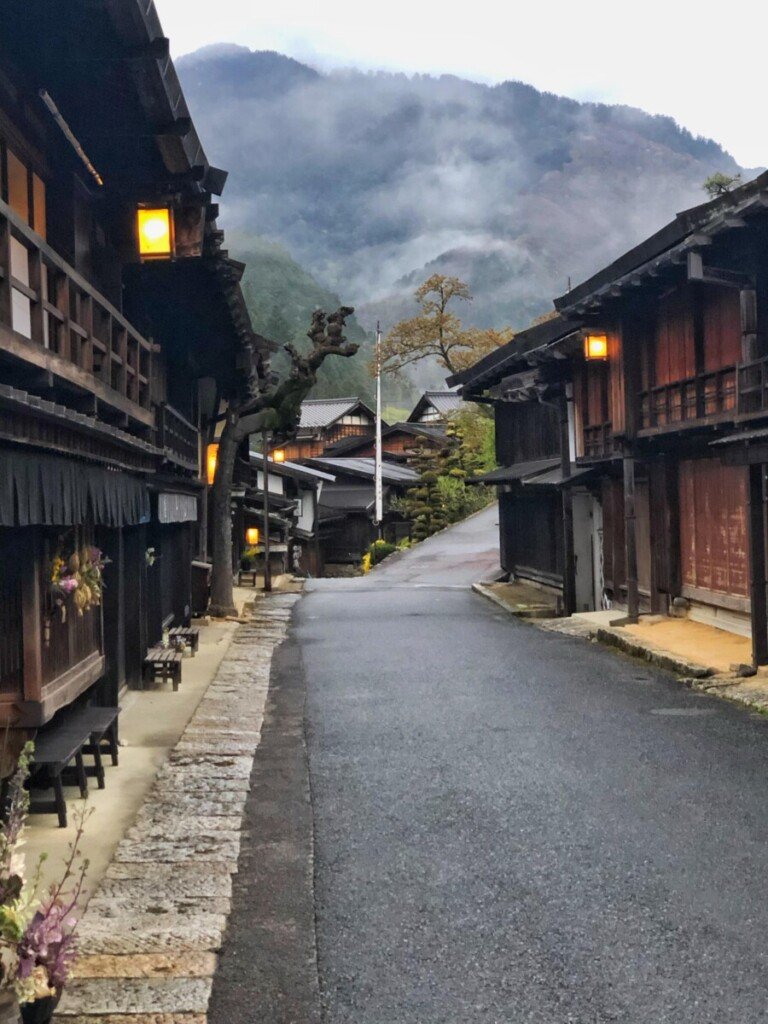
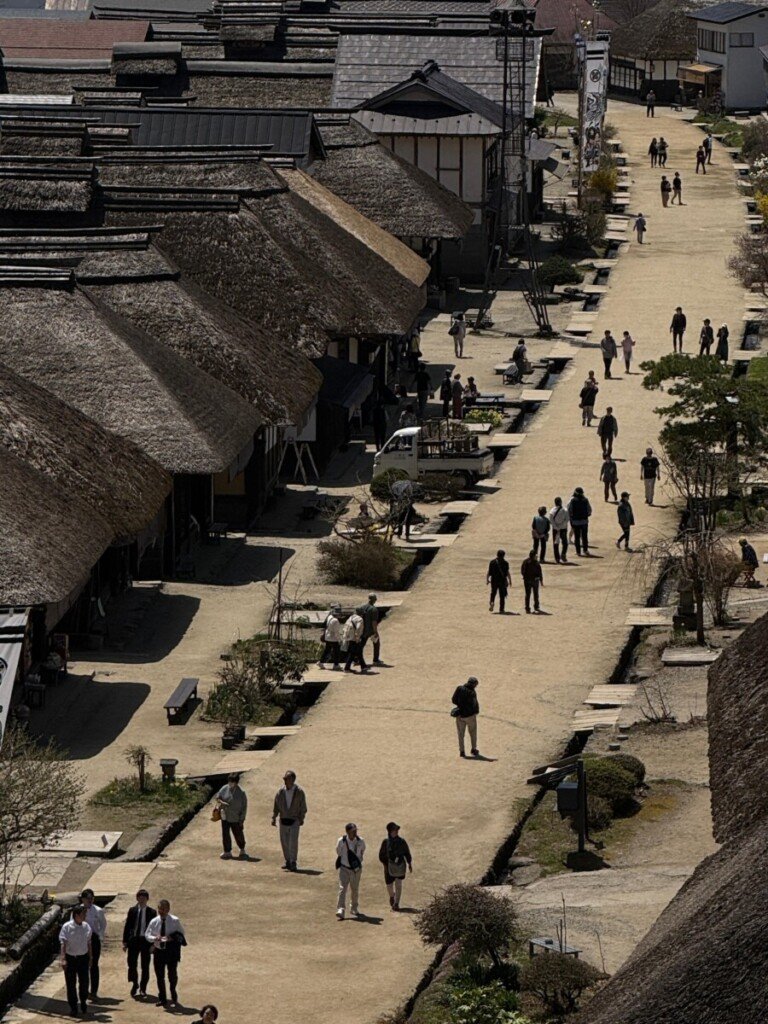
From Kyoto, you can take a day trip to Nara to greet the deer in its temple parks. You might stroll through the Edo-era streets of Kurashiki, or travel further to reflect on the solemn history of Hiroshima. From Tokyo, it is easy to reach the hot springs of Hakone or the seaside modernity of Yokohama. And if you are drawn to quieter towns steeped in tradition, you might add to your itinerary Kanazawa, Japan’s cultural capital; the calm, timbered streets of Takayama; the postcard-perfect gassho-zukuri thatched roofs of Shirakawa-gō; or the historic post towns of Magome, Tsumago, and Narai – places best explored on foot.
Japan is not just far away. It is a journey that deepens the further you go.
My Ideal Itinerary
One of the great joys of travel is the chance to observe different cultures up close. Historical landmarks are, of course, important for understanding a place’s past. But amid the crowds of tourists, it is hard to truly feel its spirit. That is why I find the idea of spending my travel days more like a local than a visitor far more appealing. Where do they eat? Where do they unwind? How do they spend their holidays within their own country?
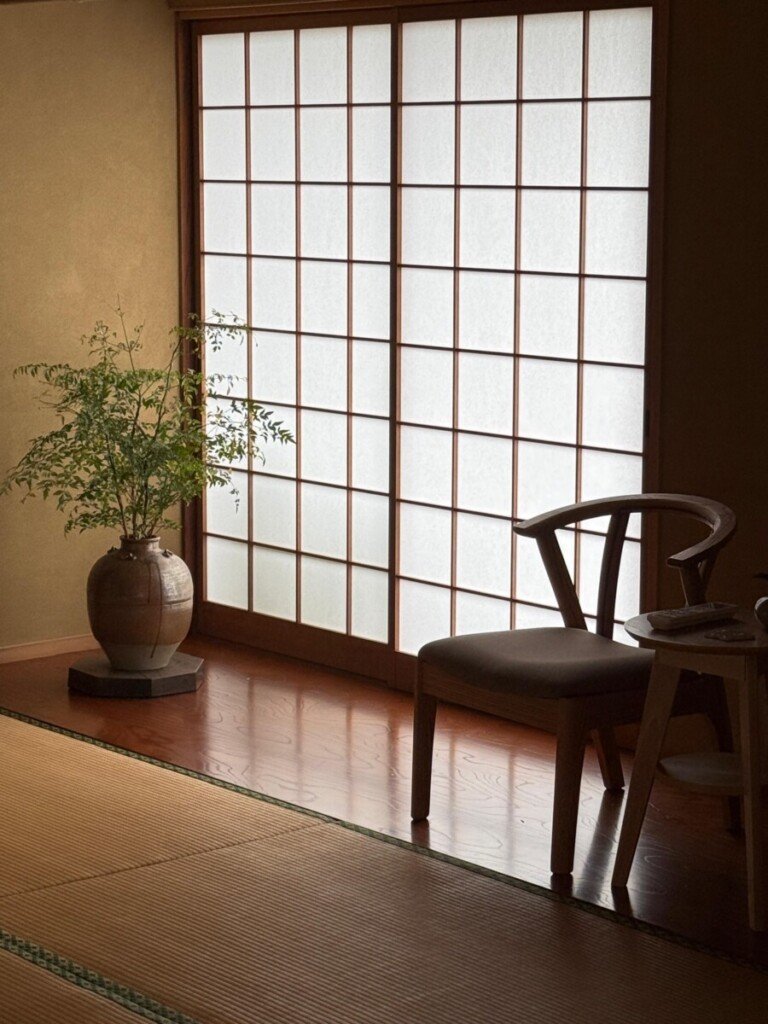
My ideal travel plan looks something like this: spend at least three days in the big cities, and one night somewhere between two major stops. Staying in a ryokan, a traditional Japanese inn, and soaking in the onsen (hot springs) is a perfect way to experience Japan more authentically. Ending the evening with a traditional kaiseki-style meal and beginning the morning with a light breakfast creates an experience that is both calming and culturally rich.
Food
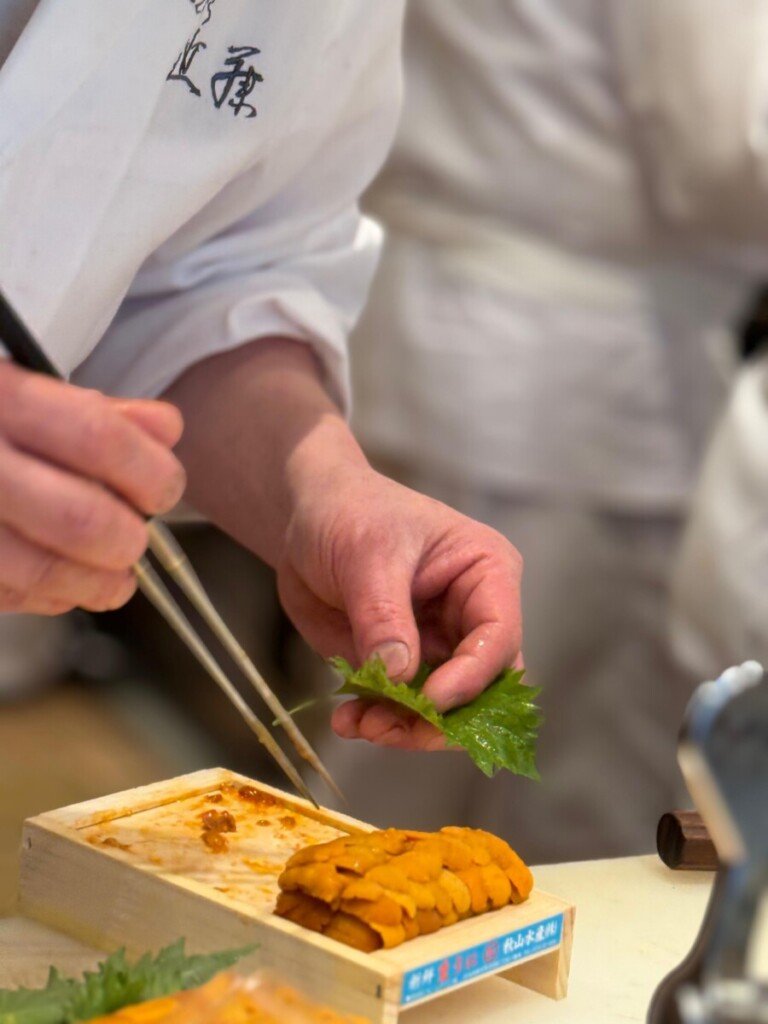
Like the Spanish, the Japanese are a society that lives and breathes food. Matt Goulding claims that Tokyo has some 300,000 restaurants – ten times the number in New York, which has around 30,000. But it is not simply population size or a passion for eating that explains the difference. At high-end sushi, tempura, and kaiseki restaurants with fewer than ten seats, securing a reservation can be close to impossible. A sushi counter with just six or eight places may already be fully booked months, or even years, in advance, thanks to regulars with standing reservations. If you have set your heart on dining with a particular sushi or tempura master, that can be a serious challenge.
Still, in Japan, this is not something you need to lose too much sleep over. The reason may lie in the country’s unique work ethic. Yes, it is hard to get into the very top-tier places. But there are plenty of restaurants just a notch below that standard, and they remain exceptional. In fact, it would not be an exaggeration to say this: even in the most ordinary-looking places, you will find a level of care and attention to food that stands out. So if you are about to try these flavours in their homeland for the first time, do not stress about booking the very best.
In Okinawa, celebrated for its population of centenarians, there is a saying: hara hachi bu, which means “rise from the table 80 per cent full.” Good news for those who love to explore and try as many dishes as possible: portions in Japan, and the way meals are structured, rarely overwhelm. Their eating habits often align with what we would now call an ideal diet: a piece of seafood prepared using different techniques, a few pickles, rice as the main carbohydrate, and to start – a soothing, appetite-whetting umami bomb of dashi.
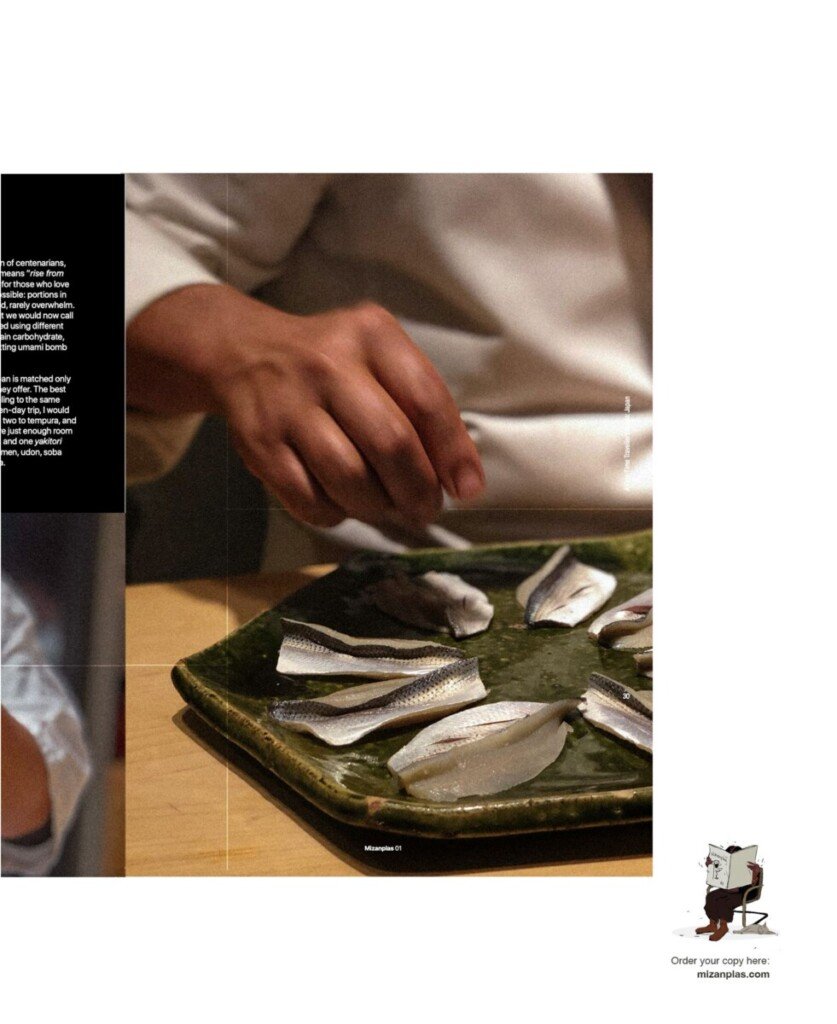
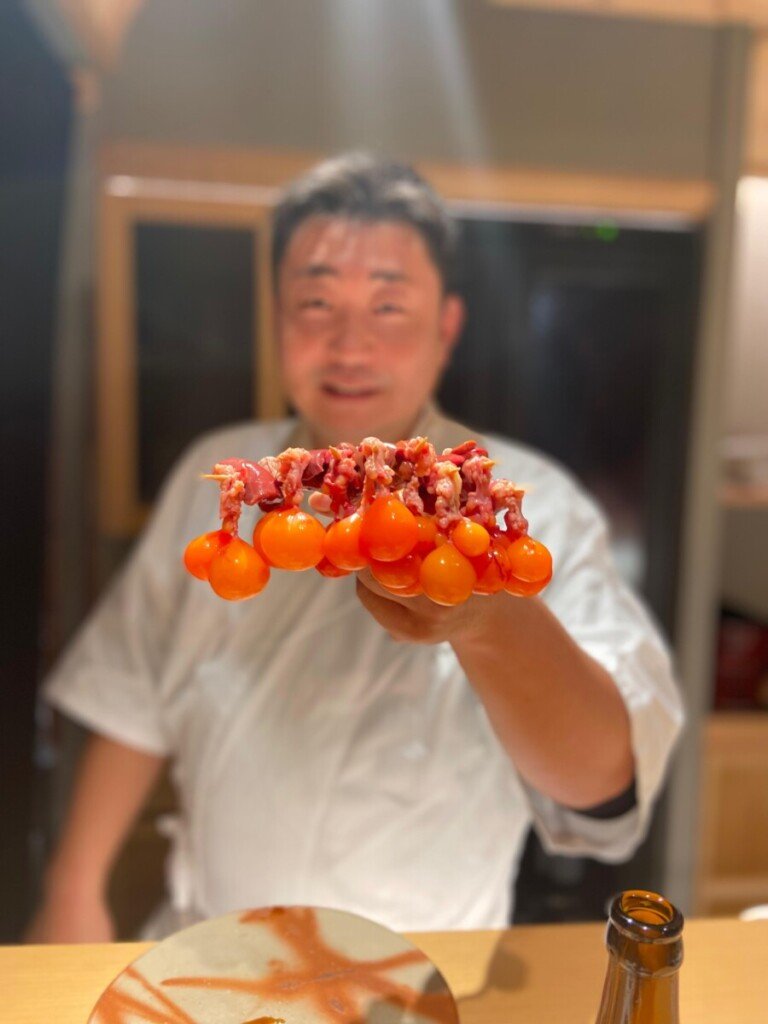
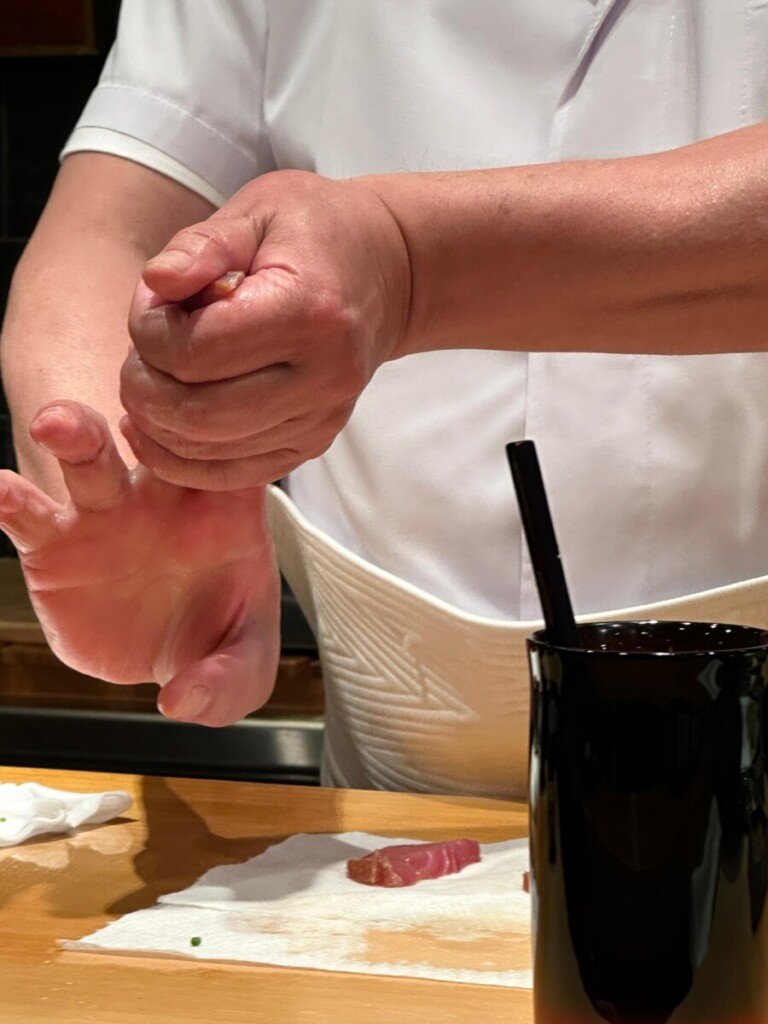
The sheer number of restaurants in Japan is matched only by the astonishing variety of cuisines they offer. The best way to embrace this richness is not to cling to the same dishes, but to explore variations. On a ten-day trip, I would happily dedicate three dinners to sushi, two to tempura, and another two to izakaya. That would leave just enough room for one kaiseki meal, one yakiniku feast, and one yakitori experience. As for lunches, sampling ramen, udon, soba, and unagi seems like a rather good idea.
A Guide to Future Journeys
In this piece, I have tried to offer some practical advice alongside a touch of cultural and social context for those heading to Japan for the first time. In the first issue of Mizanplas, you will also find a travel guide to Sapporo, the largest city on the island of Hokkaido. In future editions, I will be putting together more specific guides to cities such as Tokyo, Kyoto, Fukuoka, and Osaka.
But my real aim was never to steer you towards a destination so much as to set you off in search of a feeling. That strange, spellbinding sense of unfamiliarity I felt gazing out of a taxi window at the start of my first journey has never quite left me. As Isabella Bird once wrote: “Japan offers as much novelty perhaps as an excursion to another planet.”
That planet is still there. And if you have a little curiosity and a little quiet inside you, it is waiting.
What I’d Do (If I Were You)
Just as it is impossible to design a one-size-fits-all garment that suits everyone, it is equally impossible to plan an itinerary that satisfies every type of traveller. But if it were me, here is the route I would take for a ten-day first trip:
- Tokyo: 3 days
- Kyoto: 3 days
- Kanazawa: 2 days
- Takayama: 1 day
- Tsumago: 1 day
Travel Books
Most travel guides look and feel the same. They have become instruments that funnel crowds towards the same well-trodden spots. That is why I find books about a country’s culture far more enlightening, particularly among those I have read over the past three or four years. Here is a small selection I would recommend:
Christopher Goto-Jones, Modern Japan: A Very Short Introduction
I have read quite a few academic books on Japanese history, but very few manage to examine events through an interdisciplinary lens and draw clear, meaningful connections between cause and effect. This one does so exceptionally well. Goto-Jones summarises the emergence of modern Japan from historical, cultural, and social perspectives. Do not let the slim size of the book fool you. It is packed with insight!
Alan Macfarlane, Japan: Through the Looking Glass
A professor of anthropology at the University of Cambridge and a historian by training, Macfarlane approaches the enigma that is Japan with the full awareness that it may never be truly “solved.” Instead, he peers into Japanese society through carefully chosen themes (human nature, existence, power, ideas, and belief) offering fascinating insights along the way.
Nicolas Bouvier, The Japanese Chronicles
Drawing on his visits and time spent living in Japan between 1955 and 1970, Bouvier distils his memories into a work that reads more like art than travel writing. This is a singular book on Japan – truly one of a kind. It opens with the intricacies of Japanese mythology, and his prose, while exquisite, is layered with dense imagery. It demands attention, but for those who make the effort, the rewards are immense.
Restaurant Recommendations
For those who prefer their recommendations well-considered rather than shouted, Luxeat’s Japan lists offer a reliable compass through the country’s major cities: https://luxeat.com/topic/lists/japan-lists/
This piece was sponsored by vitruta, a concept retailer with physical stores and an online platform curating fashion and lifestyle objects shaped by minimalist sensibilities and material integrity. It first appeared in Mizanplas #1: Japan and Spain, the debut issue of the magazine dedicated to thoughtful writing on wine, gastronomy and travel, bringing together stories and reflections from Japan and Spain.
Mizanplas #1 is available at mizanplas.com/store.